

What Is a Fever Dream and Why Are They So Intense and Vivid?
Have you ever woken up drenched in sweat from bizarre, emotionally draining nightmares? When our body temperature rises, our brain’s sleep architecture changes, causing hyper-vivid, unsettling dreams. To trace how overnight recovery and sleep cycles fluctuate during times of physical stress, monitoring your vitals with a screen-free Herz P1 Smart Ring helps demystify these exhausting episodes.
Take Back Your Sleep.
Take Back Your Life.
- Fall asleep faster & sleep deeper
- Stop waking up in the middle of the night
- Wake up refreshed & full of energy
Key Article Highlights
- The Physiology: Fever dreams are driven by elevated core body temperature disrupting the delicate architecture of REM sleep.
- Cognitive Impact: High heat triggers micro-arousals, making these unusual dreams highly memorable and emotionally taxing.
- Biometric Clues: Tracking metrics like Heart Rate Variability (HRV) and sleep stages can warn us when our body is struggling to recover.
- The Solution: Opting for lightweight, screen-free wearable technology allows you to monitor trends without disrupting sleep with bright screens.
Table of Contents
Demystifying Fever Dreams: Causes and Symptoms
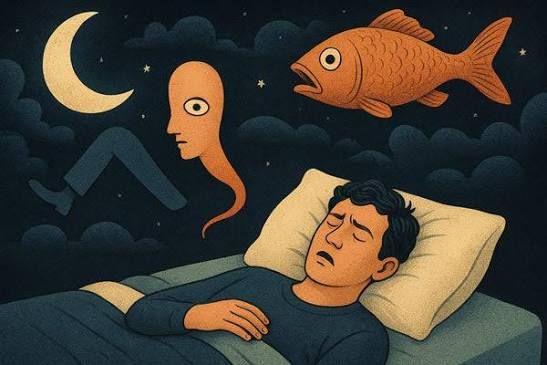
Yes, fever dreams are a scientifically recognized phenomenon. The short answer is that they are highly intense, often distressing, and surreal dreams caused by elevated core body temperature during illness, immune responses, or extreme physical stress. However, to choose the right recovery strategy, you need to understand how temperature shifts disturb your brain’s delicate sleep stages, fragmenting your rest and leaving you exhausted.
When you are sick or physically overwhelmed, your immune system releases inflammatory proteins called cytokines. These proteins signal the hypothalamus—your brain’s internal thermostat—to raise your body’s temperature set-point to help fight off pathogens. While this temperature rise is a vital defense mechanism, it also wreaks havoc on your brain wave synchrony. It specifically destabilizes Rapid Eye Movement (REM) sleep, which is the phase where the most vivid dreaming occurs.
To truly understand fever dreams, we must look at how the brain processes thoughts under thermal stress. The elevated heat accelerates metabolic activity in the brain, pushing neural pathways into overdrive. At the same time, the brain struggles to maintain normal sleep continuity, resulting in frequent micro-awakenings that lock these bizarre, disjointed dream narratives into your conscious memory.
Defining the Nighttime Chaos
If you ask yourself, “what is a fever dream and why do they feel so unique?”, you are not alone. Many people who experience intense fever dreams report a distinct set of characteristics that set them apart from standard nightmares. While typical nightmares often feature cohesive scary stories, these heat-induced dreams are characterized by extreme bizarreness, spatial distortions (such as walls moving or objects changing size), repetitive tasks that feel impossible to complete, and feelings of helplessness.
Understanding the standard fever dreams definition reveals that these episodes are directly tied to physiological hyperarousal. They are not merely psychological projections of daily worries; they are the literal translation of a physical crisis occurring within your body. If you wonder, “fever dream what is its neurological trigger?”, the answer lies in the hyper-heated amygdala—the brain’s emotional center—which operates without the filtering control of the prefrontal cortex during these fragmented sleep cycles.
How Do I Know if It Is a Fever Dream?
If you wake up from a highly disorienting, repetitive loop—such as trying to solve a complex puzzle for hours—accompanied by sweating, a rapid heartbeat, and a feeling that your environment is physically distorted, you are likely experiencing a fever dream. These are clear physiological indicators that your body is expending massive amounts of energy to restore its internal balance.
When to Monitor Vitals and Take Action
Knowing when to pay close attention to your body’s signals is crucial. If you regularly experience intensely vivid dreams alongside chronic daytime fatigue, morning brain fog, or feel like your sleep is entirely non-restorative, your body may be dealing with low-grade systemic stress, poor sleep environment conditions, or late-stage digestion issues that raise your core temperature overnight.
By monitoring overnight biometrics like Heart Rate Variability (HRV) and resting heart rate, you can pinpoint whether these intense dreams correlate with high physical strain. Instead of relying on bulky smartwatches that light up and disrupt your sleep even further, opting for a screen-free, lightweight tracking method like the Herz P1 Smart Ring provides a seamless way to collect these metrics. It operates on a subscription-free model, letting you monitor your sleep trends and autonomic nervous system stress without any ongoing financial burden.
Frequently Asked Questions About Fever Dreams
Can you experience fever dreams without actually having a medical fever?
Yes. While the term originates from high-temperature illnesses, anything that raises your core body temperature or triggers systemic inflammation can produce identical results. This includes sleeping in an overly warm room, eating a heavy meal close to bedtime, intense late-night workouts, or severe emotional anxiety that keeps your fight-or-flight nervous system active throughout the night.
Why are fever dreams so hard to forget?
Normally, our brains do not convert dreams into long-term memories because the neurotransmitters required for memory consolidation are low during REM sleep. However, because elevated body heat causes frequent, sudden awakenings directly out of REM states, your conscious mind catches the dream mid-narrative, allowing your waking brain to process and store the memory vividly.
How do these dreams affect your overall recovery?
Because they are born from fragmented, shallow sleep, they are a strong indicator of low-quality recovery. When your brain is constantly forced into micro-arousals, you miss out on crucial deep sleep and sustained REM phases, which are necessary for muscle repair, cognitive processing, and waking up with mental clarity.
Should I be worried if I have them frequently?
Occasional vivid dreaming is completely normal, especially during stressful periods or minor illnesses. However, if they occur multiple times a week, it may be a sign of chronic sleep fragmentation, severe stress, or poor sleep hygiene. Tracking your baseline vitals can help identify patterns and guide you toward restorative changes.
The Science of Sleep Disruptions: How High Body Temperatures Impact REM Sleep

To fully grasp why these sleep disruptions feel so exhausting, we have to look closely at our sleep architecture. Sleep is not a uniform state of unconsciousness. Instead, it is divided into distinct, repeating cycles of light, deep, and REM sleep. Under healthy conditions, your body temperature naturally dips to its lowest point in the early hours of the morning. This drop in temperature acts as a key physiological signal, helping to stabilize REM sleep phases and promote physical recovery.
However, when thermal stress enters the picture, this natural cooling process is blocked. The brain’s thermoregulation mechanisms are forced to prioritize heat dissipation over standard sleep transitions. As a result, the physical experience of fever dreams becomes a direct reflection of your brain struggling to settle into restorative rest states under harsh, hot conditions.
During these episodes, the normal boundaries between sleep phases break down. The brain attempts to enter REM sleep, but the high thermal load causes repeated awakenings. This rapid toggling between dreaming states and waking consciousness is highly disorienting. In historical research, defining a single, standardized fever dreams definition has been challenging because the resulting dreams are so intensely personal, chaotic, and fluid.
The Crucial Link to Heart Rate Variability (HRV)
Beyond body temperature, another vital biometric linked to dream intensity and physical recovery is Heart Rate Variability (HRV). HRV measures the variations in time between consecutive heartbeats. This metric is a highly sensitive indicator of your autonomic nervous system’s balance. A high HRV shows that your parasympathetic nervous system (rest-and-digest) is active, meaning your body is fully capable of deep, restorative recovery.
Conversely, a low overnight HRV indicates that your sympathetic nervous system (fight-or-flight) has taken the wheel. When your body is fighting off an infection or suffering from high stress, your heart rate remains elevated and your HRV drops. This physiological state of high alert directly mirrors the emotional intensity and high stress levels found in vivid dreams. This demonstrates the compounding physical impact of fever dreams on your nervous system, explaining why they leave you feeling so drained upon waking.
By keeping a close eye on these overnight trends, you can easily spot when a drop in HRV correlates with a night of restless, dream-filled sleep. This helps you understand when your body is genuinely struggling, allowing you to prioritize recovery and rest long before physical burnout sets in.
Reclaiming Your Recovery: Simple Habits and Screen-Free Tracking

If you are tired of waking up exhausted from repetitive, high-stress dreams, taking active control of your sleep environment and evening habits is the best place to start. Simple changes can make a world of difference in helping your body cool down and settle into deeper, more restorative rest phases.
Here are a few highly effective, drug-free steps to get you started:
- Optimize Your Bedroom Climate: Keep your room temperature between 65°F and 68°F (18°C to 20°C). This cool environment supports your body’s natural temperature dip, reducing the risk of thermal stress-induced dreams.
- Watch Your Late-Night Nutrition: Avoid large meals, alcohol, and caffeine within 3 to 4 hours of bedtime. Digestion increases your metabolic rate and raises your core body temperature, which can easily trigger vivid dreams.
- Create a Calm Wind-Down Routine: Engaging in light reading, gentle stretching, or warm baths before bed helps signal your nervous system to transition from fight-or-flight into rest-and-digest.
- Adopt a Screen-Free Approach: Banishing bright screens from the bedroom is a powerful way of preventing fever dreams and other sleep disruptions. The blue light from phones, tablets, and smartwatches suppresses melatonin production, delaying deep sleep and fragmenting your rest.
Ditching the Bulky Smartwatch
While tracking your sleep is highly beneficial, many traditional smartwatches actually make sleep issues worse. They are often bulky, heavy, and uncomfortable to wear throughout the night. Even worse, their glowing screens and constant vibration alerts can wake you up in the middle of the night, feeding a racing mind and fueling sleep anxiety.
This is where a screen-free, lightweight alternative like the Herz P1 Smart Ring shines. Crafted from premium, ultra-light titanium, it sits comfortably on your finger, completely unnoticeable while you sleep. With no screen to distract you and an impressive battery life that eliminates the annoyance of daily charging, it quietly gathers high-quality biometric data in the background.
The ring translates complex algorithms into a simple, highly intuitive Daily Recovery Score. It tracks your Sleep Stages (REM, Deep, Light) and overnight HRV, giving you a clear picture of how your body is recovering. Plus, because it operates on a subscription-free model, you buy it once and own your data forever—completely free from hidden monthly fees.
Looking to Demystify Your Nightly Recovery?
Our evening habits and physiological stress are often the true causes behind fever dreams. By choosing an elegant, screen-free wearable, you can gather the biometric insights you need to make smart, data-informed lifestyle adjustments.
At the end of the day, paying close attention to your body’s unique biometric signals is the best way to understand and manage intense fever dreams. Embracing simple evening habits and using a comfortable, screen-free tracker empowers you to reclaim your sleep, quiet your mind, and wake up feeling truly refreshed and energized.
Disclaimer: Results may vary depending on individual physical activity levels, unique health conditions, and daily tracking patterns. This wearable is designed to monitor trends and support general wellness, not to replace medical advice or clinical evaluations.
