

According to recent clinical reports, statistics on women’s mental health indicate that women are twice as likely to experience severe stress and anxiety compared to men. To address these rising numbers, Team Herz P1 designed the advanced Herz P1 smart ring to track biometric signals and provide proactive, daily health insights. This guide provides actionable steps to help you interpret these internal biological markers, giving you direct control over your daily wellness.
Built to Last. Save Up to 69% Today.
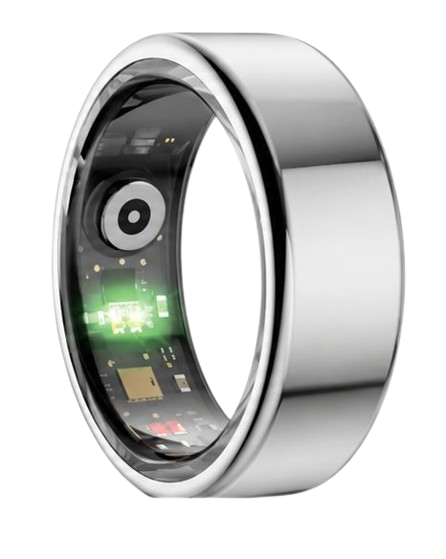
The Herz P1 Smart Ring tracks HRV, Sleep, Heart Rate & SpO2 around the clock. No subscriptions. No renewals. Ever.
In This Article
- Discover a step-by-step roadmap to natural stress reduction using advanced daily biometric monitoring.
- Examine the biological reasons why women report higher baseline psychological stress.
- Learn how to decode Heart Rate Variability (HRV) and sleep architecture metrics.
- Identify practical lifestyle hacks to optimize your nervous system and avoid burnout.
How to Manage and Optimize Daily Stress Levels Naturally

Prerequisites / What You’ll Need
Before beginning your stress management journey, you need a few fundamental resources to track your progress.
First, you require a reliable method to record your daily physiological indicators without interrupting your workflow.
Second, you need a basic understanding of your baseline sleep duration and emotional triggers.
Finally, a commitment to setting aside five minutes each morning for health analysis will guarantee success.
Step 1: Establish a Baseline with Continuous Biometric Tracking
You cannot manage what you do not measure consistently.
Begin by wearing a dedicated stress monitor around the clock to capture raw physiological signals.
This includes recording your resting heart rate and automatic heart rate variability during your quietest hours.
Avoid checking the data constantly throughout the first three days to prevent unnecessary performance anxiety.
Your goal is to build an unskewed historical baseline that reflects your normal lifestyle habits.
Step 2: Recognize the Signs of Chronic Fatigue Versus Healthy Recovery
You must learn to distinguish between physiological recovery and active neural strain.
Understanding the difference between bad stress vs good stress helps you schedule your hardest tasks efficiently.
Good stress occurs during short, intense physical workouts or highly focused creative sessions.
Bad stress manifests as a persistently low Heart Rate Variability score combined with high resting heart rates.
If your morning baseline shows a drop in autonomic nervous system balance, reduce your cognitive workload immediately.
Step 3: Implement Timed Breathing Exercises During Stress Spikes
When your daily tracking indicates a sudden biological spike, you must intervene immediately.
Sit comfortably with your spine straight and close your eyes to block out external visual stimuli.
Inhale deeply through your nose for a slow count of four seconds.
Hold your breath for four seconds, then exhale smoothly through your mouth for another count of four.
This simple box-breathing technique rapidly stimulates your vagus nerve to lower your acute heart rate.
Step 4: Align Your Activity Levels with Autonomic Feedback
Your daily physical exercise should complement your nervous system rather than exhaust it.
If your recovery score is high, engage in high-intensity interval training or heavy resistance exercises.
If your autonomic tracking shows signs of exhaustion, opt for gentle walking or restorative yoga.
Forcing high-intensity training on a depleted nervous system will delay physical recovery times.
Listen to your internal data to build a healthier relationship with daily physical strain.
Step 5: Utilize Predictive Modeling to Protect Your Long-Term Health
Modern predictive analytics can help you anticipate emotional and physical burnout before it manifests.
By studying historical physiological trends, you can predict depression and anxiety patterns weeks in advance.
Look for subtle, continuous declines in deep sleep duration and average nightly heart rate variability.
These slow trends serve as early warning signs that your body is operating in a state of chronic sympathetic dominance.
Adjust your calendar and prioritize mental rest as soon as these negative trends begin to surface.
Step 6: Build Sustainable Resilience Through Structured Stress Recovery
Nervous system recovery is an active practice that requires conscious daily dedication.
To successfully recover from stress, schedule at least twenty minutes of screen-free downtime before bed.
Engage in activities that promote parasympathetic activation, such as reading physical books or light stretching.
Consistent, structured relaxation windows encourage your brain to transition smoothly into restorative sleep stages.
This structured approach is essential for building resilience against future psychological challenges.
Empowering Your Progress with Herz P1
To make this stress-reduction routine seamless, Team Herz P1 created a subscription-free companion tool.
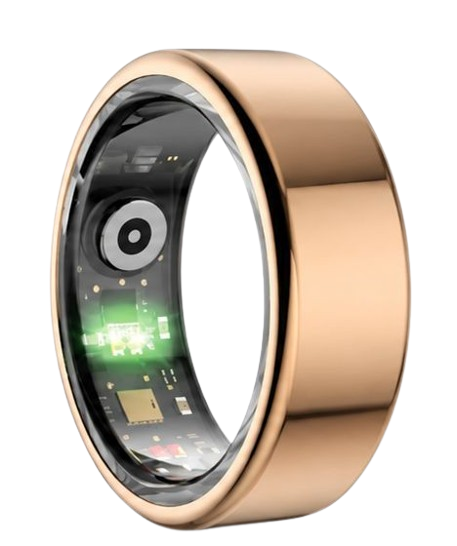
The Herz P1 Smart Ring provides real-time autonomic nervous system metrics without any bulky watches or distracting screens.
It continuously monitors your heart rate variability and sleep architecture to deliver personalized, actionable recovery scores every morning.
This allows you to implement the step-by-step stress reduction protocol with clinical-grade accuracy directly from your finger.
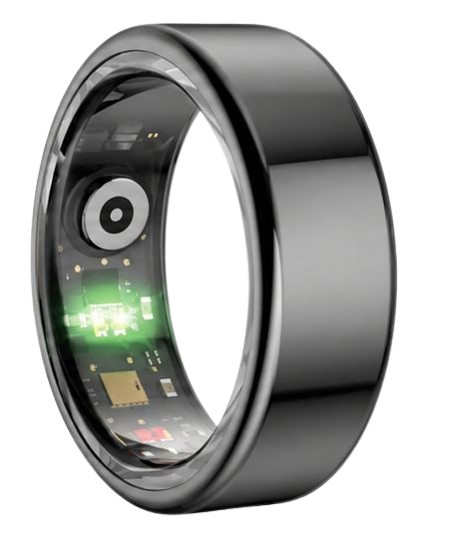
90-Day 100% Money-Back Guarantee
“The Herz Smart Ring helps me manage stress easily. It’s accurate, stylish, and lightweight—perfect for my busy life!”
— Jennifer P. | ✔ Verified Customer
- ✓ 6-Day Battery Life
- ✓ Detailed Sleep Analysis
- ✓ Fast 1-Hour Charging
- ✓ iOS & Android Ready
Questions? Call: 1-866-479-1629
Why Do Women Stress More? Analyzing Key Psychological and Biological Trends
Understanding why do women stress more requires a multi-faceted analysis of biological, societal, and physiological realities.
Global health registries reveal distinct differences in how genders process daily workloads and psychological challenges.
According to the American Psychological Association, women consistently report higher average stress levels than men.
This difference is not merely subjective, as it registers clearly on autonomic nervous system tracking sensors.
Sociological expectations often require women to manage both professional responsibilities and domestic caregiving duties.
This dual burden often leads to chronic sympathetic nervous system activation, commonly known as high-functioning burnout.
Additionally, biological factors contribute significantly to these divergent psychological experiences.
Fluctuating estrogen and progesterone levels directly impact serotonin and gamma-aminobutyric acid (GABA) receptors in the brain.
These natural hormonal shifts make the female nervous system highly sensitive to environmental and emotional changes.
By understanding these physiological mechanisms, we can move past simple generalizations and find real, data-driven wellness paths.
The Biological Science Behind HRV and Sleep Architecture in Women
To accurately understand women stress statistics, we must look at the autonomic nervous system.
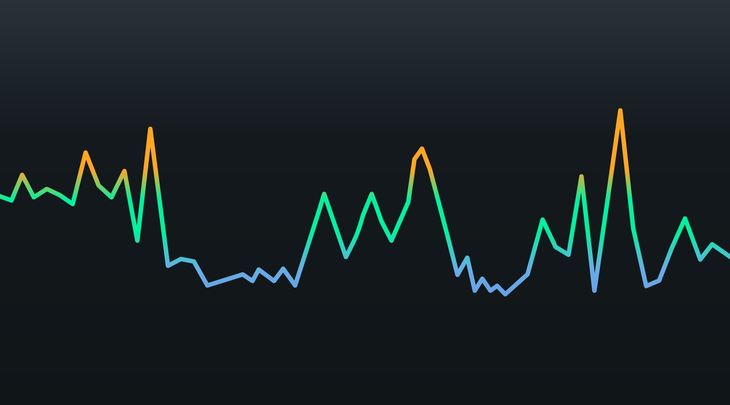
Heart Rate Variability, or HRV, is the measurement of the variation in time between consecutive heartbeats.
According to the American Heart Association, a higher HRV indicates a resilient, adaptable cardiovascular system.
Conversely, a low HRV suggests that your body is trapped in a fight-or-flight response, reducing emotional resilience.
For women, average HRV scores fluctuate naturally during different phases of the menstrual cycle.
During the luteal phase, elevated progesterone levels typically depress resting HRV scores while increasing the resting heart rate.
Without baseline data, a woman might mistake this normal hormonal shift for a sign of a physical illness.
Similarly, sleep architecture plays a crucial role in regulating daily mental health and emotional balance.
The National Sleep Foundation states that adult women require a balanced distribution of light, deep, and REM sleep phases.
REM sleep is especially critical because it allows the brain to process emotional memories and reduce anxiety.
If you miss out on REM sleep, you are far more likely to struggle with focus and emotional regulation the next day.
Continuous SpO2 tracking during sleep also ensures that your brain receives sufficient oxygen saturation throughout the night.
By monitoring these deep biometric markers, you can learn how to manage anxiety using real biological insights.
Activating Your Biometric Data: Practical Lifestyle Optimization
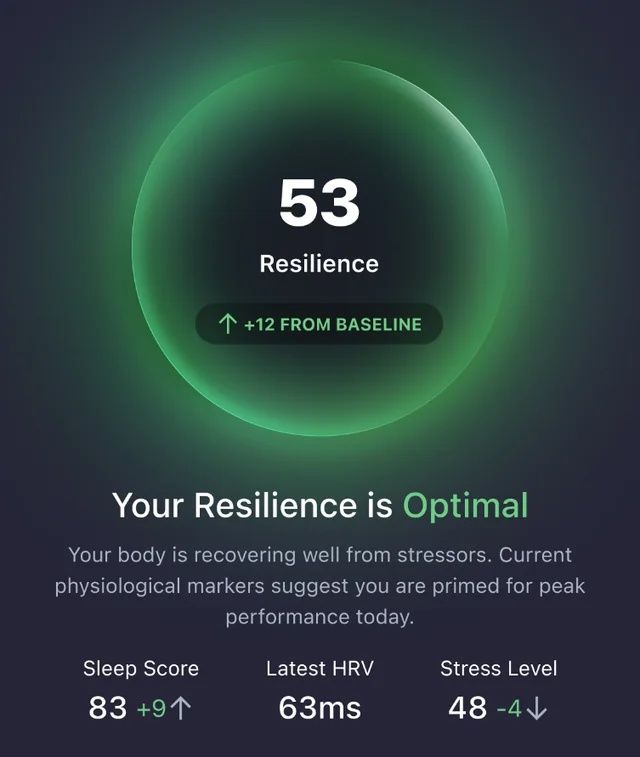
Using a smart ring for stress reduction makes complex data easy to understand and use.
The companion app of the Herz P1 compiles your overnight biometric signals into an easy-to-read morning recovery score.
If you see a recovery score above eighty, your nervous system is ready for intense mental or physical challenges.
If your recovery score drops below fifty, you should schedule rest periods and prioritize light physical activity.
Additionally, the Herz P1 is designed for comfortable 24/7 wear, making it easy to track your sleep without bulky smartwatches.
The lightweight military-grade steel ring sits comfortably on your finger, ensuring continuous sensor contact without skin irritation.
By wearing the ring continuously, you can build a highly accurate historical baseline of your overall well-being.
Over time, this continuous monitoring helps you recognize exactly which habits support your long-term health.
Avoiding Common Mistakes in Wearable Health Tracking
Many individuals make the mistake of wearing a heavy, bulky smartwatch to bed to track their sleep.
These large devices often shift during the night, leading to inaccurate sensor readings and interrupted rest.
Furthermore, many smartwatch companies charge high monthly subscription fees to access your health data.
We believe you should never have to pay a recurring fee to view your own biological information.
The Herz P1 App is free for life, ensuring you always have full access to your detailed health reports.
Additionally, our military-grade steel housing protects the internal sensors from scratches and impact damage during daily workouts.
This durable design ensures reliable biometric tracking without the need for delicate, easily broken screens.
Frequently Asked Questions About Herz P1
Is the Herz P1 Smart Ring waterproof?
Yes, the Herz P1 features a premium IP68 waterproof rating, allowing you to submerge it up to 164 feet deep.
You can wear it while swimming, showering, washing your hands, or during high-intensity sweaty workouts.
How long does the battery last on a single charge?
The advanced battery of the Herz P1 lasts up to six full days on a single charge.
It charges from empty to full in under one hour using the included rapid magnetic charging dock.
Which finger is best to wear the Herz P1 on?
We recommend wearing the Herz P1 on your index, middle, or ring finger for the most accurate sensor readings.
Choose the finger where the ring fits snugly but comfortably without rotating too easily.
Does the Herz P1 store health data offline?
Yes, the Herz P1 has secure built-in local memory that stores up to seven days of biometric data offline.
The ring will sync automatically with your smartphone the next time you open the companion app.
Conclusion
Ready to monitor your health every day? Explore the Herz P1 Smart Ring and see if it fits your lifestyle. Call: **1-866-479-1629** — our team can help you advise on the correct ring size and set personalized health goals.
Note: Individual results may vary depending on individual health conditions, age, and lifestyle habits. This article is intended for general health reference purposes only.
