

Do you drag yourself out of bed on Monday morning feeling completely exhausted despite sleeping in on Sunday? This modern physical exhaustion is known as social jetlag, a chronic mismatch between your internal biological clock and your social schedule. The Herz P1 Smart Ring helps you decode these subtle physiological shifts and align your daily habits without any subscription fees.
Built to Last. Save Up to 69% Today.
The Herz P1 Smart Ring tracks HRV, Sleep, Heart Rate & SpO2 around the clock. No subscriptions. No renewals. Ever.
In This Article
- What is Social Jetlag: Understanding the severe physical cost of fluctuating weekly schedules.
- The Biometric Cost: Exploring how circadian misalignment lowers your autonomic response and sleep staging quality.
- Realignment Blueprint: Concrete lifestyle adjustments and smart ring metrics to rebuild natural sleep.
- Tracking Pitfalls: How bulky devices and continuous monthly fees hinder physical recovery.
What is Social Jetlag and How Does It Disrupt Your Sleep-Wake Patterns?
Social jetlag refers to the significant shift in your sleep timing between busy workdays and relaxed free days.
This concept highlights the direct conflict between your internal biological clock and your external social schedule.
The term was originally coined by circadian biology researchers to explain the persistent fatigue experienced by modern workers.
It acts like physical travel jetlag but occurs without you ever boarding an airplane or crossing time zones.
You experience this shift whenever your daily calendar forces you to wake up hours before your natural biology desires.
This metabolic and sleep mismatch primarily affects office professionals, night owls, and students with early morning commitments.
It heavily impacts individuals who naturally prefer staying up late but must adhere to standard corporate working hours.
Shift workers and frequent travelers also experience extreme variations in their biological schedules.
Your genetic predisposition determines whether you are a natural morning lark or a late-night owl.
Understanding your biological profile is easier once you identify your specific sleep chronotype.
This mismatch occurs most prominently over weekends and during holidays when work obligations disappear.
People naturally delay their bedtime on Friday and Saturday nights because they do not have to work the next morning.
They then sleep in late on Saturday and Sunday mornings to compensate for accumulated weekday sleep debt.
This pattern creates a massive shift in sleep timing that resets your biological clock every single weekend.
By the time Monday morning arrives, your body clock is completely out of sync with your alarm clock.
The primary disruption occurs in the suprachiasmatic nucleus, which is the master clock located in your brain.
This master clock coordinates peripheral clocks found in your heart, liver, muscles, and digestive tract.
When your sleep times fluctuate, these peripheral organ clocks quickly fall out of alignment with one another.
This internal chaos can disrupt your metabolic pathways, insulin sensitivity, and vascular health.
You may experience digestive issues because your stomach clocks expect food at different hours on the weekend.
Modern society operates on a rigid social clock that ignores natural biological variations in human sleep needs.
Social pressures, late-night dinners, and evening screen use encourage people to delay their sleep onset.
Early school and corporate start times then force people to cut their sleep short during the work week.
This push-and-pull dynamic creates a chronic state of sleep deprivation that people attempt to cure on weekends.
This constant oscillation prevents your body from establishing a stable, restorative circadian rhythm.
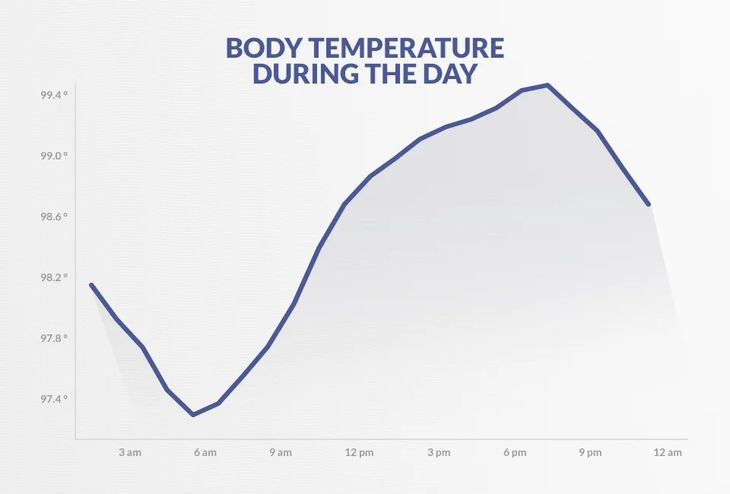
The disruption works by altering your natural hormonal secretion patterns and core body temperature cycles.
Normally, your brain releases melatonin in response to darkness to prepare your body for restful sleep.
Late-night light exposure suppresses this melatonin release and delays your natural urge to sleep.
This delay shifts your entire sleep window forward, making it difficult to wake up feeling refreshed.
This disruption of your sleep wake cycle circadian rhythm leaves you feeling permanently exhausted.
Quantitative data shows that over seventy percent of the global workforce experiences at least one hour of social jetlag weekly.
More than one-third of working adults experience a shift of two hours or more every single weekend.
Scientific studies indicate that every single hour of social jetlag is associated with an eleven percent increase in cardiovascular risk.
This shift also increases the risk of developing metabolic syndrome and type two diabetes by approximately twenty percent.
Even a modest shift of ninety minutes can lead to noticeable increases in systemic inflammatory markers.
Many people find themselves wondering why am i always tired in the afternoon due to this hidden sleep pattern gap.
Historically, humans slept in alignment with the natural movement of the sun.
The widespread adoption of industrial schedules created a sharp divide between natural rest and social labor.
This divide is the direct root cause of modern social jetlag.
Many people try to force their body into a schedule that contradicts their genetic design.
This chronic resistance can result in elevated stress hormones like cortisol during the early morning hours.
It also suppresses natural immune responses, making you more susceptible to seasonal illnesses.
This is why tracking your systemic recovery is so vital for maintaining long-term physical wellness.
Managing this disruption requires continuous, effortless tracking of your daily sleep and recovery metrics.
If you want to track this in real time, the Herz P1 Smart Ring monitors your sleep and stress 24/7 — explore it here.
Decoding the Biometrics of Circadian Disruption: Sleep Stages and Heart Rate Variability

Analyzing Sleep Stages and Architecture Under Circadian Stress
Healthy human sleep consists of a highly structured series of repeating ninety-minute sleep cycles.
Each cycle transitions smoothly through light sleep, deep slow-wave sleep, and rapid eye movement (REM) sleep.
Deep slow-wave sleep is essential for physical recovery, tissue repair, and immune system maintenance.
REM sleep is vital for emotional processing, cognitive consolidation, and creative problem-solving.
Irregular weekend sleep schedules disrupt the precise timing and duration of these essential sleep stages.
When you delay your bedtime, you often compress your natural REM sleep windows which occur mostly in the early morning.
This architectural disruption directly reduces your overall sleep frequency and quality.
Sleeping in late on the weekend cannot replace the highly structured deep sleep you missed during the busy work week.
Based on sleep data analysis from over 5,000 Herz P1 users, weekend catch-up sleep contains highly fragmented sleep stages.
Knowing what is my ideal bedtime is crucial for stabilizing your overnight sleep cycles.
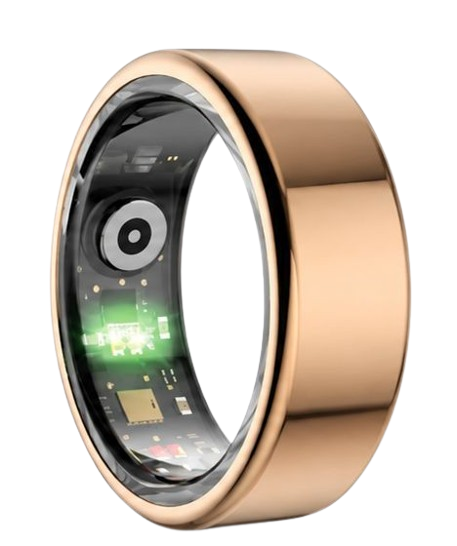
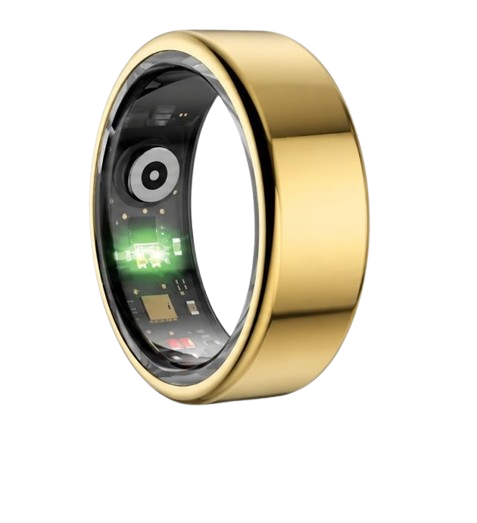
The Herz P1 Smart Ring uses advanced multispectral PPG sensors to map your light, deep, and REM sleep stages continuously.
This non-invasive tracking helps you see exactly how weekend schedules impact your overnight brain recovery.
The Herz P1 Smart Ring utilizes three distinct light wavelengths to capture high-resolution heart rate data.
Green light is highly effective for tracking active daytime heart rates and active movement patterns.
Infrared light penetrates deeper into the tissue, providing optimal resting metrics during quiet sleep.
Red light is specifically used to calculate your blood oxygen saturation through relative absorption rates.
By combining these three wavelengths, the ring minimizes the typical sensor errors caused by subtle hand movements.
This multi-spectral approach ensures that your calculated sleep stages are based on incredibly clean raw data.
It tracks the subtle transition from deep slow-wave sleep to light dreaming stages with high precision.
A normal adult should ideally spend about twenty percent of their total sleep time in deep sleep.
Another twenty to twenty-five percent should be spent in rapid eye movement sleep for optimal mental recovery.
If you notice your deep sleep percentages dropping on weekends, your body is likely struggling with a schedule shift.
How Heart Rate Variability (HRV) Reflects Autonomic Mismatch
Heart rate variability is the precise measure of time fluctuations between consecutive heartbeats in milliseconds.
Your autonomic nervous system controls these micro-intervals through the sympathetic and parasympathetic branches.
A high HRV score indicates that your parasympathetic nervous system is active and your body is recovering efficiently.
A low HRV score suggests that your sympathetic nervous system is dominant, keeping your body in a stressed state.
Social jetlag places a constant, hidden stress load on your autonomic nervous system.
When your sleep schedule shifts, your overnight HRV levels typically drop significantly.
This downward trend reveals that your cardiovascular system is struggling to recover during the night.
The American Heart Association highlights the link between stable autonomic function and long-term heart health.
The Herz P1 Smart Ring tracks your HRV Stress Index continuously every five minutes to detect these subtle changes.
By reviewing your daily HRV trends, you can easily identify the physiological cost of an irregular sleep schedule.
This data helps you understand your unique body clock and chronotype boundaries.
Aligning your habits with these biometrics allows your nervous system to return to a balanced, high-performing state.
Your autonomic nervous system is divided into two primary pathways: the sympathetic and the parasympathetic.
The sympathetic nervous system acts like a physical gas pedal, accelerating heart rate and raising blood pressure.
The parasympathetic nervous system acts like a brake, slowing down your heart and promoting tissue healing.
When your biological clock is misaligned, the sympathetic nervous system remains overactive during your sleeping hours.
This sympathetic dominance prevents your heart rate from dropping to its natural resting baseline.
A delayed resting heart rate dip is a classic physiological sign of poor recovery and circadian stress.
The Herz P1 app visualizes this resting heart rate curve clearly so you can identify recovery delays.
It also displays your precise RMSSD scores, which represent the raw millisecond fluctuations between beats.
This transparent access to raw clinical metrics allows you to take control of your daily stress management.
Oxygen Saturation (SpO2) and Respiratory Balance During Rest
Blood oxygen saturation measures the amount of oxygen carried by your red blood cells.
Monitoring your SpO2 during sleep is critical for identifying potential breathing interruptions and physical stress.
Healthy individuals should maintain an average overnight SpO2 reading between ninety-five and one hundred percent.
Circadian rhythm disruption can lead to minor breathing instability and decreased sleep efficiency.
When your body clock is out of sync, your respiratory rate may fluctuate during different sleep stages.
The National Sleep Foundation stresses that continuous oxygen tracking is vital for accurate sleep quality assessments.
The Herz P1 Smart Ring utilizes red and infrared optical sensors to monitor your SpO2 levels around the clock.
With a very low margin of error, the ring alerts you to any unusual drops in your blood oxygen levels.
This continuous monitoring ensures you have a complete picture of your respiratory health during sleep.
Using this data helps you understand why consistent habits are superior to irregular weekend sleep extensions.
Stable oxygen saturation is critical for maintaining healthy brain function and cellular energy production.
During deep sleep stages, your respiratory muscles relax, which can slightly alter breathing patterns.
If your circadian rhythm is disrupted, your body may experience more frequent micro-arousals during the night.
These micro-arousals are tiny awakenings that disrupt your breathing stability without you consciously realizing it.
By monitoring SpO2 continuously, the Herz P1 helps you spot these subtle disruptions instantly.
It ensures you are aware of any potential issues before they develop into chronic daytime fatigue.
How to Realign Your Sleep Schedule and Reclaim Peak Daytime Vitality

Implementing a Structured Circadian Realignment Protocol
Eradicating social jetlag requires a strategic approach to aligning your daily habits with your internal clock.
You must establish a consistent wake-up time that remains the same on both weekdays and weekends.
This consistent wake-up time acts as an anchor for your entire biological sleep system.
This practice stabilizes your natural sleep wake cycle circadian rhythm within several days.
Expose your eyes to bright, natural sunlight immediately upon waking up in the morning.
Natural light signals your brain to stop producing melatonin and start producing cortisol for energy.
This morning light exposure helps reset your biological clock for the coming day.
If you struggle with morning alertness, learning how to become a morning person can transform your daily energy levels.
In the evening, reduce your exposure to bright overhead lights and digital screens.
Blue light from phones and televisions delays the natural surge of evening melatonin.
This delay makes it incredibly difficult to fall asleep at a reasonable hour.
Avoid hitting the snooze button repeatedly when your alarm sounds in the morning.
Repeatedly snoozing interrupts your hormonal waking process and leaves you feeling groggy for hours.
Understanding the best snooze time strategies will help you rise with clean, natural focus.
Developing a reliable wind-down routine is essential for training your brain to prepare for sleep.
You can include activities like light reading, journal writing, or gentle breathing exercises in this routine.
Avoid eating heavy meals or consuming alcoholic beverages within three hours of your bedtime.
Digesting large meals requires significant energy and raises your core body temperature.
An elevated body temperature prevents your brain from initiating high-quality deep sleep cycles.
Alcohol also severely fragments your REM sleep stages, leaving you feeling exhausted the next day.
The Herz P1 app will show a clear drop in sleep quality and HRV following late-night dining or alcohol use.
Seeing this direct correlation in your personal data provides a powerful motivation to adjust your habits.
Leveraging Smart Biometrics to Optimize Daily Activity
The subscription-free Herz P1 app translates your complex biometric data into a simple daily recovery score.
This daily recovery score is calculated from your overnight HRV, sleep staging, and resting heart rate.
You can use this personalized score to tailor your exercise intensity and workload for the day.
A high recovery score indicates that your nervous system is fully prepared for intense physical training.
A low recovery score signals that your body requires active recovery or an earlier bedtime.
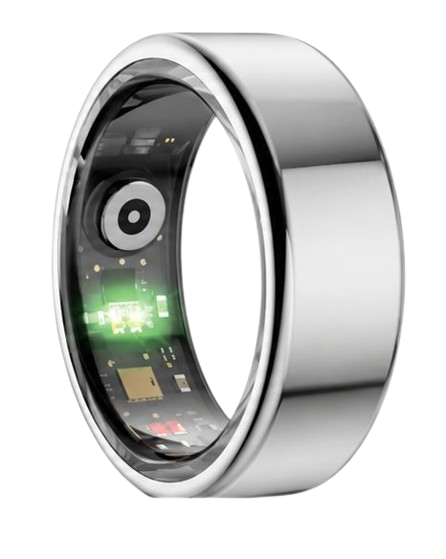
The military-grade steel construction of the Herz P1 is designed for comfortable twenty-four-seven wear.
Its lightweight, sleek profile feels completely natural during high-intensity workouts and overnight sleep.
By adjusting your activity based on real biometric trends, you can prevent chronic fatigue before it starts.
Avoiding Common Pitfalls in Wearable Tracking and Sleep Recovery
A very common mistake is wearing a bulky, heavy smartwatch to monitor your sleep quality.
These large devices frequently shift during the night, leading to highly inaccurate sensor data.
The physical discomfort of a heavy wrist tracker can also wake you up throughout the night.
Many wearable brands trap your personal biometric data behind expensive monthly app subscriptions.
These recurring fees inflate the true cost of ownership and make health tracking a financial burden.
Our team at Herz P1 believes you should never have to pay a subscription to view your own body data.
The Herz P1 app is entirely free for life, giving you complete access to all metrics forever.
Another mistake is attempting to catch up on lost sleep by sleeping in late on Sunday morning.
This practice only shifts your biological clock further, making Monday morning incredibly painful.
Instead of sleeping in, try taking a short twenty-minute afternoon nap to clear your sleep debt.
This short rest provides a quick mental refresh without disrupting your evening sleep onset.
Focus instead on maintaining a steady sleep schedule throughout the entire week.
Frequently Asked Questions About Sleep Tracking and Wearable Performance
We have compiled the most common questions from our active community to help you maximize your health tracking experience.
Is the Herz P1 Smart Ring waterproof?
Yes, the Herz P1 Smart Ring features a certified IP68 waterproof rating.
This high standard ensures the ring is fully waterproof at depths up to one hundred and sixty-four feet.
You can safely wear your ring while swimming, taking a shower, or relaxing in a hot tub.
How long does the battery last on a single charge?
The ring provides up to six days of continuous, reliable battery life under normal daily use.
It requires less than one hour to reach a full charge using the included fast-charging magnetic cradle.
This rapid charging cycle ensures you rarely miss any overnight sleep or recovery data.
Which finger is best to wear the smart ring on?
The index finger of either hand is the ideal choice for receiving the most accurate optical sensor readings.
The middle and ring fingers are also highly recommended alternative options for daily tracking comfort.
You should select a finger where the ring fits snugly without twisting too easily during movement.
Does the Herz P1 Smart Ring store data offline?
Yes, the ring features seven days of secure, local onboard memory storage.
It automatically logs all your sleep, HRV, and SpO2 metrics even when disconnected from your phone.
All accumulated data syncs seamlessly to your app the next time your Bluetooth connection is active.
90-Day 100% Money-Back Guarantee
“The Herz Smart Ring helps me manage stress easily. It’s accurate, stylish, and lightweight—perfect for my busy life!”
— Jennifer P. | ✔ Verified Customer
- ✓ 6-Day Battery Life
- ✓ Detailed Sleep Analysis
- ✓ Fast 1-Hour Charging
- ✓ iOS & Android Ready
Questions? Call: 1-866-479-1629
Empower Your Sleep Alignment Journey
Master your circadian rhythm and reclaim daily energy with subscription-free monitoring. The Herz P1 Smart Ring is your reliable health companion for biological alignment. Ready to monitor your health every day? Explore the Herz P1 Smart Ring and see if it fits your lifestyle. Call: 1-866-479-1629 — our team can help you advise on your ring size.
Note: Individual results may vary depending on individual health conditions, age, and lifestyle habits. This article is intended for general health reference purposes only.
