

6 Essential Pillow Sizes for Perfect Sleep Alignment and Recovery
Are you struggling with persistent neck stiffness, morning brain fog, or those frustrating 3 AM awakenings? While we often blame stress, the root cause could be physical misalignment. By choosing the right pillow sizes and tracking your recovery with screen-free tools like the Herz P1 Smart Ring, you can optimize your sleep stages and wake up genuinely refreshed.
Take Back Your Sleep.
Take Back Your Life.
- Fall asleep faster & sleep deeper
- Stop waking up in the middle of the night
- Wake up refreshed & full of energy
Key Article Highlights:
- Understand the standard dimensions of standard, queen, king, and specialty pillows.
- Learn how your physical sleep setup directly correlates with biometric data like Heart Rate Variability (HRV) and deep sleep stages.
- Discover why screen-free, subscription-free tracking with the Herz P1 Smart Ring is a game-changer for your sleep hygiene.
- Identify the perfect pillow matches for back, side, and stomach sleeping positions.
Finding Your Match: The Ultimate Guide to Pillow Sizes and Sleep Recovery
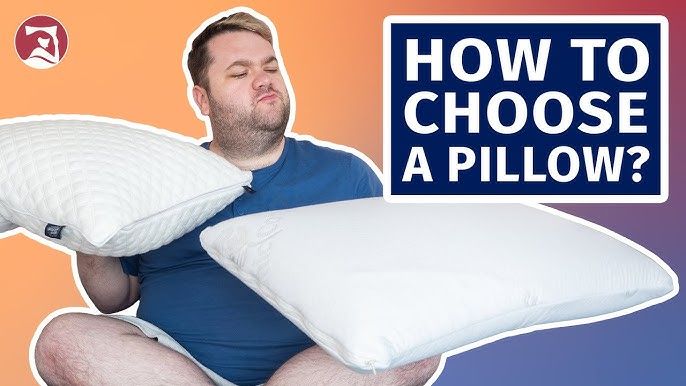
When we talk about sleep optimization, we often discuss mattresses, room temperatures, and blackout curtains. Yet, we rarely pay close attention to the structural foundation supporting our cervical spine: our pillow. Choosing the right pillow sizes is not merely about aesthetic appeal or making your bed look neat; it is a critical component of physical ergonomics that directly impacts your neurological and cardiovascular recovery.
At Team Mind Body Dan, we believe in marrying physical sleep hygiene with objective, data-informed metrics. When your neck is bent at an unnatural angle due to a mismatch in pillow sizes, your body remains in a state of low-grade physiological stress. This can keep your sympathetic nervous system active, leading to higher night-time heart rates and a drop in Heart Rate Variability (HRV). To help you navigate the physical landscape of sleep, we have established a rigorous selection process to evaluate sleep setups and biometric tracking technology.
Our Rigorous Evaluation Criteria
To ensure our recommendations help you overcome non-restorative sleep, we evaluate pillow configurations and tracking devices based on the following key metrics:
- Ergonomic Alignment: How well the dimensions support neutral spinal positioning across different sleep styles.
- Biometric Feedback Compatibility: The ease of measuring the physiological effects of your sleep setup using accurate, comfortable trackers.
- User Comfort and Material Durability: Ensuring the materials hold their loft throughout the night to prevent micro-arousals.
- Operational Simplicity: Prioritizing screen-free, distraction-free environments that encourage natural melatonin production.
| Pillow / Wearable Option | Dimensions / Key Feature | Best For | Biometric Benefit |
|---|---|---|---|
| Standard Pillow | 20″ x 26″ | Back and side sleepers, twin/full beds | Prevents head hyperextension, stabilizing heart rate |
| Super Standard Pillow | 20″ x 28″ | Active sleepers who toss and turn | Reduces physical waking disruptions |
| Queen Pillow | 20″ x 30″ | Queen-sized beds, restless sleepers | Maintains support during side-to-side transitions |
| King Pillow | 20″ x 36″ | King/Cal King beds, propping up | Excellent for body alignment and reading relaxation |
| Herz P1 Smart Ring | Subscription-Free Biometrics | Screen-free sleep and HRV tracking | Translates sleep stages and recovery scores |
Detailed Breakdown of Pillow Sizes and Optimization Companion
Let us explore the core characteristics of each physical dimension and see how a biometric companion helps confirm if your structural changes are actually working.
1. The Standard Pillow
The standard pillow size is the most widely available option on the market. Measuring exactly 20″ x 26″, this pillow is incredibly versatile. It is designed to fit comfortably on twin and full-sized mattresses, allowing two pillows to sit side-by-side perfectly on a standard full bed.
Strengths: Highly affordable, fits standard pillowcases easily, and provides a focused surface area that discourages excessive tossing and turning.
Weaknesses: Restless sleepers may slide off the edges, disrupting sleep alignment.
Ideal User: Back sleepers, stomach sleepers, or those with smaller bed frames trying to keep their sleep environment streamlined.
2. The Super Standard Pillow
Providing a middle ground between standard and queen options, the super standard pillow features dimensions of 20″ x 28″. Those extra two inches of width provide a safety margin for active sleepers.
Strengths: Fits inside a standard pillowcase but provides a noticeably wider sleeping surface.
Weaknesses: Can be difficult to find in specialty materials like solid latex or contoured memory foam.
Ideal User: Side sleepers who move slightly during the night but prefer standard bedding dimensions.
3. The Queen Pillow
With dimensions of 20″ x 30″, the queen pillow fits perfectly across a queen bed. The extra length accommodates individuals who roll from side to side throughout the night, ensuring their head remains supported without needing to manually readjust the pillow in the dark.
Strengths: Generous sleeping surface that works beautifully for almost all mattress sizes.
Weaknesses: Can feel slightly too long or heavy for young adults or smaller single beds.
Ideal User: Combination sleepers who require consistent support during sleep stage transitions.
4. The King Pillow
The king pillow boasts dimensions of 20″ x 36″. Designed specifically for king and California king beds, two of these pillows sit perfectly across the width of the mattress. It provides substantial surface area and can also double as an excellent backrest when sitting up in bed to read.
Strengths: Expansive length prevents your head from sliding off, even if you shift dramatically. Excellent for side sleepers needing a knee-support pillow.
Weaknesses: Standard pillowcases are too small; requires dedicated king-sized bedding. Some users find the sheer length cumbersome during quick position shifts.
Ideal User: Individuals with broad shoulders, king mattress owners, or side sleepers who like a pillow to hug.
5. The Sleep Optimization Solution: Herz P1 Smart Ring
While selecting the perfect pillow size fixes physical misalignment, how do you verify that your sleep setup actually works? The Herz P1 Smart Ring provides the objective answers you need without subscription fees or screen distractions.
Crafted from ultra-lightweight titanium, this ring rests comfortably on your finger, completely replacing bulky, sleep-disrupting smartwatches. Its medical-grade biometric sensors measure your sleep stages (REM, Deep, Light), Heart Rate Variability (HRV), and overnight resting heart rate to generate a clean, daily Recovery Score.
Why We Love It: It acts as the ultimate validation tool. If you switch to a more supportive pillow size, the Herz P1 will show your success in real-time through increased deep sleep duration and improved HRV trends—without annoying daily charging hassles.
Summary and Recommendations
If you are seeking a balance of versatility and affordability, start with a standard size pillow dimensions configuration. If your bed frame allows and you move frequently during the night, a Queen pillow is your safest option. However, to truly close the gap on restless nights, we highly recommend pairing your physical changes with the screen-free insights of the Herz P1 Smart Ring. It empowers you to track trends, improve sleep hygiene, and reclaim your daily energy.
How Pillow Sizes and Sleep Biometrics Directly Impact Your Recovery

Think about a night when you laid in bed, your mind racing, your neck feeling slightly strained, tossing and turning in search of a cool, comfortable spot on your pillow. Finally, at 3 AM, you woke up in a mild sweat, feeling a distinct sense of brain fog that lingered through the entire next day. This scenario represents more than just a bad night of rest; it is a physiological response that can be traced back to poor alignment and lack of sleep hygiene.
When we look at the correlation between sleep environment and sleep quality, the dimensions of your sleeping accessories play a major role. Choosing wrong pillow sizes can compress the airway and irritate the cervical spine. This causes the brain to initiate minor survival micro-arousals to correct your breathing or posture. While you might not fully remember these brief awakenings, they severely fragment your sleep architecture, cutting off your time in restorative deep sleep and REM cycles. This is why we need to focus heavily on establishing healthy sleep hygiene guidelines that include physical alignment and screen-free environments.
— Team Mind Body Dan Biometric Insights
To understand this relationship, we must look at how the autonomic nervous system responds to physical discomfort. When your neck is bent excessively forward or backward—often the result of a pillow loft that does not match its width and size—your physical discomfort triggers a subtle rise in cortisol. This stress hormone keeps your heart rate elevated and suppresses your Heart Rate Variability (HRV). HRV is a highly sensitive indicator of your body’s recovery capacity; higher HRV represents a balanced autonomic nervous system, while a chronically low HRV suggests under-recovery, stress, and physical fatigue.
By using comfortable tracking devices to monitor these physiological metrics, we can obtain immediate feedback on whether our sleeping positions are supportive. Many popular smartwatches on the market present a frustrating paradox: they are bulky, uncomfortable to sleep in, and feature bright touchscreens that wake you up with unintended flashes of blue light. Furthermore, they require frequent, daily charging. Reclaiming your rest requires a shift toward elegant, screen-free wearable technology that allows you to collect data naturally without introducing extra stressors into your sleeping sanctuary.
A subscription-free model, like that of the Herz P1, ensures that you can comfortably observe long-term trends in your REM and deep sleep stages over several weeks. When you transition from an incorrect pillow size to one that matches your body’s requirements, you will likely observe a noticeable reduction in nighttime heart rate spikes and a gradual rise in your daily Recovery Score.
Matching Pillow Sizes to Sleep Positions: Finding Your Biometric Sweet Spot

The ideal dimensions of your pillow are deeply personal, relying heavily on your primary sleeping position and shoulder width. Let us examine how your preferred sleep orientation dictates the ideal choice among standard pillow sizes to ensure your cervical spine remains completely neutral.
Pro Sleep Tip: Tailoring Alignment by Position
- Back Sleepers: Seek a medium loft standard or super standard pillow. It fills the gap between your neck and the mattress without pushing your chin toward your chest.
- Side Sleepers: Look for a thicker Queen or King pillow that matches your shoulder depth to prevent neck crimping.
- Stomach Sleepers: Choose a very thin standard pillow—or sometimes no pillow at all—to prevent hyperextension of the lumbar spine.
For back sleepers, maintaining a flat, neutral neck alignment is key to keeping airways open. When the head is pushed too far forward by a pillow that is too thick, it can trigger breathing disturbances that pull you out of deep sleep. Implementing a screen-free tracking habit, such as using screen-free sleep habits, allows you to observe how these adjustments influence your respiratory rate and sleep stages without adding the blue-light stimulation of checking a smartphone before bed.
Side sleepers, on the other hand, face a much wider gap between the ear and the shoulder tip. A standard pillow size might not provide enough surface area or height, causing the shoulder to collapse forward. This can result in localized nerve compression, poor circulation, and a subsequent rise in heart rate during the night. Upgrading to a Queen pillow with a higher loft fill ensures the neck is fully supported, keeping the spine parallel to the mattress. Many side sleepers also find it beneficial to place a second pillow between their knees to align the pelvis and hips, thereby reducing lower back strain.
Stomach sleepers face the greatest ergonomic challenge, as they must turn their head to one side to breathe. A thick pillow causes significant rotational strain on the upper spine. For these individuals, a flat standard pillow filled with adjustable down or soft memory foam is best to minimize neck torque. Because stomach sleeping is inherently demanding on the body, tracking your physical strain and observing how it influences your daily recovery is highly recommended. You can read more about how sleep patterns affect daily energy levels in our detailed breakdown of improving sleep quality naturally.
To determine whether your pillow configuration is successfully supporting your physiology, look at your sleep data as a complete picture. Persistent morning fatigue and muscle stiffness are often the first physical signs of a misalignment issue. To explore how bad rest impacts cognitive function, feel free to read our research on morning fatigue and its root causes. In conjunction, reviewing your sleep position habits alongside appropriate mattress sizing plays an incredibly important role. For a broader look at mattress dynamics, consult our guidance on ideal sleeping positions and explore our sister guide on choosing the right mattress.
Ultimately, your sleep setup is an ecosystem where physical comfort and internal biometrics exist in a continuous feedback loop. When you combine the physical science of pillow sizing with elegant, passive tracking tools, you gain complete visibility into your body’s recovery process. This holistic approach allows you to make deliberate adjustments, reduce sleep-disrupting micro-arousals, and unlock a level of deep sleep that fuels your physical and mental energy every single day.
Transform Your Rest with Team Mind Body Dan
Your recovery journey does not have to be a guessing game. By pairing ergonomic alignment with screen-free, subscription-free tracking, you can systematically identify sleep disruptors and optimize your energy from the comfort of your home.
Disclaimer: Results may vary depending on individual physical activity levels, unique health conditions, and daily tracking patterns. The content in this article is provided for informational and educational purposes only and should not be used as medical advice. For any concerns regarding sleep disorders or physical health, always consult with a qualified medical professional. Team Mind Body Dan shares recommendations based on independent research and structural alignment science.
