

Does Paxlovid Cause Insomnia and COVID Sleep Issues? An Evidence-Based Recovery Guide
Recovering from a viral infection is physically demanding, but battling a racing mind at 3 AM makes it worse. If you are asking, *does Paxlovid cause insomnia*, the connection is real. Tracking biometric recovery metrics with a screen-free tool like the Herz P1 Smart Ring offers clear insights to reclaim your deep sleep.
Take Back Your Sleep.
Take Back Your Life.
- Fall asleep faster & sleep deeper
- Stop waking up in the middle of the night
- Wake up refreshed & full of energy
Key Article Highlights
- The Antiviral Impact: Why ritonavir and physiological stress cause acute paxlovid insomnia during recovery.
- Viral Disruption: How COVID-19 systemically alters sleep architecture and suppresses deep sleep.
- Objective Biometrics: The role of Heart Rate Variability (HRV) and resting heart rate in tracking your recovery.
- Screen-Free Solutions: Why monitoring sleep stages without disruptive screens helps lower night-time anxiety.
- Practical Steps: Behavioral tips and nutritional support to ease the metallic taste and settle your nervous system.
The Connection Between Viral Recovery, Paxlovid, and Sleep Disruptions
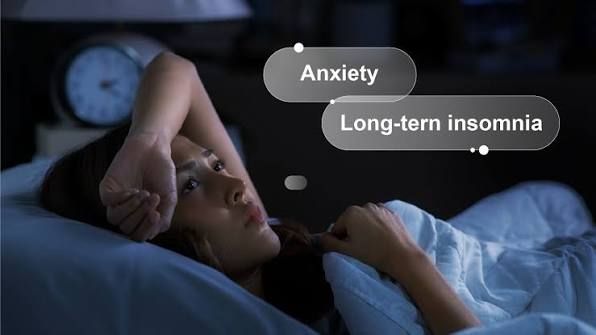
Quick Answer: Yes, it can. The short answer is that paxlovid insomnia is a documented, temporary side effect driven by a combination of liver metabolic pathways, the metallic taste of the drug, and viral systemic inflammation. However, to choose the right recovery plan, you must understand how these components interact to disrupt your circadian rhythm and Autonomic Nervous System (ANS).
When you are prescribed an antiviral medication to combat a acute viral infection, you expect your body to sink into a deep, healing slumber. Instead, many patients find themselves experiencing severe paxlovid insomnia. They lie awake at 3 AM with a racing mind, completely exhausted but utterly unable to drift off. This frustrating phenomenon is a combination of the medication’s chemical behavior and the underlying infection itself, which triggers complex covid sleep issues.
To understand why this happens, we must look at the formulation of Paxlovid. The medication is a packaging of two distinct antiviral drugs: nirmatrelvir and ritonavir. Ritonavir’s primary job is to slow down your liver’s metabolism (specifically the CYP3A4 enzyme pathway) so that nirmatrelvir can remain active in your bloodstream long enough to stop viral replication. However, this metabolic inhibition means that other hormones, caffeine, and metabolic waste products linger in your system much longer than normal. If you have a cup of tea or coffee in the afternoon, ritonavir can cause that caffeine to remain active well past midnight, amplifying your susceptibility to paxlovid insomnia.
Furthermore, ritonavir is notorious for causing dysgeusia—a persistent, bitter, metallic taste in the mouth that many patients refer to as “Paxlovid mouth.” Trying to fall asleep while feeling like you are sucking on copper coins naturally keeps your brain on high alert. This constant sensory irritation, paired with the immunological stress of fighting off a virus, creates a perfect storm for persistent paxlovid sleep problems.
At Team Mind Body Dan, we focus on helping you understand these physiological stressors through objective biometric tracking. Rather than guessing why you woke up feeling unrefreshed, tracking sleep metrics using a structured sleep hygiene guide allows you to pinpoint whether your sleep architecture is truly suffering or if your recovery is progressing despite the subjective discomfort.
When to Track Your Sleep Biometrics (And When to Rest Fact-First)
During an active viral infection, your body undergoes significant stress. It is crucial to identify when your sleeplessness is a normal, transient side effect of your medication, and when it indicates a deeper, prolonged disruption of your central nervous system. Tracking biometrics like Heart Rate Variability (HRV) and sleep stages can help you differentiate between the two.
Track closely if: Your sleep disruption continues for several days after completing your antiviral course, or if you experience severe daytime brain fog, extreme fatigue, or mood changes. Monitoring your sleep stages can show you if you are missing out on vital deep sleep, which is critical for physical repair and immune regulation.
Avoid obsessive tracking if: You are in the first 48 hours of your medication and simply experiencing mild restlessness. Over-analyzing every minute of awake time can create sleep anxiety, which further fuels paxlovid insomnia. Instead, rely on a passive, screen-free wearable that collects your data in the background without needing your constant attention.
Suggested Solutions: Transitioning to Passive Recovery Monitoring
To ease the burden of paxlovid sleep problems, we must address both the physical discomfort and the mental frustration of sleeplessness. Practical behavioral changes, such as keeping a glass of ice water by your bed to dull the metallic taste, practicing slow nasal breathing, and maintaining a cool room temperature can help quiet a hyperactive nervous system.
However, the most effective way to manage your recovery is to stop guessing. Standard smartwatches with glowing screens, buzzing notifications, and bulky designs often worsen sleep anxiety. When you wake up at 3 AM, looking at a bright watch face instantly spikes your cortisol levels, reinforcing the cycle of paxlovid insomnia.
We recommend using a screen-free tracking method like the Herz P1 Smart Ring. Made from ultra-lightweight titanium, it slips comfortably onto your finger and tracks your deep, light, and REM sleep stages entirely in the background. With no screen to distract you and no heavy, sweat-trapping bands, it translates complex biometric algorithms into a simple, daily Recovery Score. Best of all, it features a subscription-free model, ensuring you have lifetime access to your cardiovascular and sleep data without any hidden monthly fees.
Frequently Asked Questions About Paxlovid and Sleep
Q: Does Paxlovid cause insomnia directly, or is it just the COVID-19 virus?
A: It is a combination of both. While COVID-19 causes systemic inflammation that disrupts sleep-regulating cytokines in the brain, Paxlovid can exacerbate this through metabolic interactions in the liver and the sensory distraction of “Paxlovid mouth.”
Q: How long does paxlovid insomnia usually last?
A: For most individuals, the sleeplessness resolves within 24 to 48 hours after completing the 5-day course of the antiviral medication, as the drug cleared from your system and your liver enzymes return to normal activity levels.
Q: Can I take sleep aids while taking Paxlovid?
A: You must consult your pharmacist or physician first. Because ritonavir strongly inhibits the CYP3A4 enzyme, it can dangerously increase the levels of certain common sleep medications and sedatives in your bloodstream.
Analyzing the Biometric Fingerprint of COVID Sleep Issues

When you are dealing with covid sleep issues, the sleep deprivation you experience goes far deeper than just “feeling tired.” The virus itself acts as a systemic stressor, crossing the blood-brain barrier and causing neuro-inflammation. This chemical shift directly targets the hypothalamus—the brain’s master sleep regulator—disrupting your circadian rhythm and throwing off your normal sleep architecture.
By leveraging biometric science, we can look past subjective feelings of exhaustion and examine the hard data of your recovery. When your sleep is disrupted by viral activity or paxlovid insomnia, your sleep stages become fragmented. You might spend all night in bed, but your biometric trends will show a drastic reduction in deep sleep and REM sleep, leaving you primarily in light sleep. Deep sleep is the phase where your body releases growth hormones, repairs muscle tissues, and strengthens your immune response. Without it, you wake up with severe physical recovery deficits and brain fog.
Another critical indicator of how your body is handling both the infection and the treatment is Heart Rate Variability (HRV). Measured in milliseconds, HRV reflects the variation in time between consecutive heartbeats. A high HRV indicates a flexible, resilient autonomic nervous system that can easily switch between rest and action. However, when your system is fighting off an illness and processing strong medications, your autonomic balance shifts toward a sympathetic (fight-or-flight) state, causing your HRV to plummet. Understanding heart rate variability recovery is essential for mapping how quickly your body is clearing the cellular stress of the virus.
Smartwatch Sleep Disruption vs. Screen-Free Tracking
Many recovery seekers make the mistake of wearing heavy, screen-laden smartwatches to bed. These devices present major issues during illness:
- Blue Light Spikes: Accidental wrist movements light up the screen, immediately suppressing melatonin production.
- Physical Discomfort: Bulky watch bodies and thick straps cause sweating and skin irritation on sensitive, feverish skin.
- Battery Anxiety: The need to charge smartwatches daily means they often sit on a charger at night, missing your sleep data entirely.
By monitoring understanding sleep stages without these intrusive screen distractions, you can protect your sleep environment from artificial blue light. This allows your brain to transition naturally into deep sleep phases, giving your immune system the uninterrupted time it needs to heal from the viral assault.
Practical Protocols to Overcome Paxlovid Sleep Problems and Reclaim Your Energy
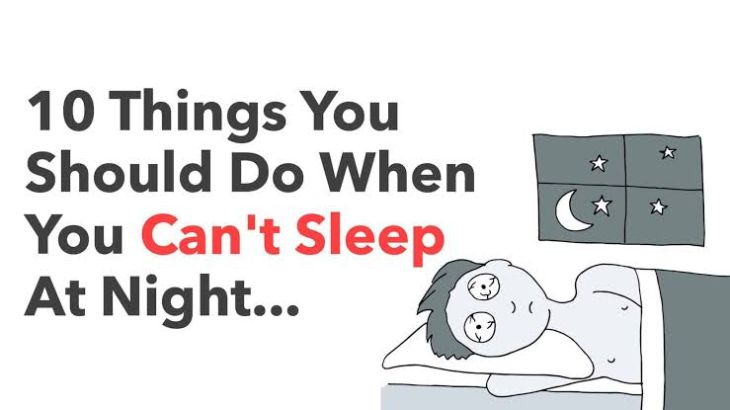
Addressing paxlovid sleep problems requires a multifaceted approach that combines cognitive behavioral techniques, environmental adjustments, and objective tracking. When your body is fighting both viral cytopathic effects and processing an intense pharmaceutical regimen, your nervous system is fragile. Here is a science-backed protocol to restore balance and calm your racing mind.
First, neutralize the taste trigger. Because dysgeusia is a primary contributor to paxlovid insomnia, you must actively manage it before laying down. A warm saline mouthwash or a gentle baking soda rinse before bed can neutralize the acidic, bitter taste. Keeping a thermos of cold, ice-infused water at your bedside allows you to take small, refreshing sips if you experience 3 AM awakenings, helping to clear the metallic sensation without fully waking your brain.
Second, implement strict circadian controls. During recovery, align your body’s clock by getting natural sunlight exposure early in the morning and eliminating screens entirely after dusk. The cognitive arousal and blue light from scrolling on your phone or watching television tell your brain that it is still daytime, blocking the natural production of melatonin. For further insights on how to establish a restorative evening routine, explore our comprehensive guide on screen-free sleep benefits.
Third, support your nervous system with calming, non-reactive minerals. While you should always consult a medical professional before starting any supplements during viral treatments, options like magnesium glycinate can support muscle relaxation and nervous system down-regulation. Pairing this with progressive muscle relaxation exercises can help lower your resting heart rate and prepare your body for deep, restorative sleep. For a complete strategy on lowering physical tension, read our resource on stress management tips.
Let Your Data Drive Your Recovery
Stop lying awake wondering if your body is healing. Instead of guessing, let the cold, hard numbers guide your path back to health. By monitoring your cardiovascular trends and sleep structure passively, you can make intelligent adjustments to your daily routine.
Discover how tracking your biometrics with the screen-free, subscription-free Herz P1 Smart Ring can help you safely navigate your post-viral recovery journey.
To truly track whether these protocols are helping you improve deep sleep, objective biometrics are essential. This is where wearable biometric trackers become invaluable tools. However, they must be comfortable and non-intrusive. The Herz P1 Smart Ring acts as a silent wellness companion on your finger. Weighing only a few grams and crafted from durable titanium, it is so comfortable you will forget you are wearing it.
It continuously measures your physical markers, helping you achieve circadian rhythm optimization without the bright screens or bulky designs of traditional smartwatches. By delivering key trends on your heart rate, sleep phases, and HRV directly to your phone—to be read only when you choose to open the app in the morning—the ring helps you reclaim control of your sleep, quiet your mind, and rebuild your energy reserves safely and effectively.
Disclaimer: Results may vary depending on individual physical activity levels, unique health conditions, and daily tracking patterns. The content provided in this article is for informational and educational purposes only and should not be construed as professional medical advice, diagnosis, or treatment. Always consult with your physician or a qualified healthcare provider regarding any questions you may have about a medical condition or treatment plan.
