

Why Is Insomnia in Women So Common, and How Can You Reclaim Your Rest Naturally?
Are you lying awake at 3 AM with a racing mind, exhausted yet unable to sleep? You are not alone; insomnia in women is a complex physiological reality. By tracking sleep stages and heart rate variability with a screen-free Herz P1 Smart Ring, you can decipher your body’s recovery patterns. Let’s explore science-backed solutions.
Take Back Your Sleep.
Take Back Your Life.
- Fall asleep faster & sleep deeper
- Stop waking up in the middle of the night
- Wake up refreshed & full of energy
Key Takeaways from This Article:
- Hormonal Fluctuations: Estrogen and progesterone cycles directly affect sleep architecture, leading to frequent night awakenings.
- HRV and Recovery: Heart Rate Variability (HRV) acts as a physical indicator of stress, helping you understand why you wake up feeling unrefreshed.
- Screen-Free Tracking: Traditional smartwatches often disrupt sleep due to bulky designs and bright screens.
- The Herz P1 Solution: A premium, subscription-free titanium smart ring that offers detailed sleep metrics without subscription fatigue or blue-light disruptions.
Understanding Insomnia in Women: What Causes the Midnight Awakening?

Yes, insomnia in women is a highly prevalent issue. The short answer is that biological fluctuations, chronic stress, and modern lifestyle imbalances conspire to disrupt female sleep patterns far more frequently than male patterns. However, to find the right long-term balance, you must first understand your body’s personal biometric trends.
For many, the struggle of insomnia in women begins long before their head hits the pillow. It is a familiar, frustrating loop: you spend your day balancing professional deadlines, family responsibilities, and household demands. By 10 PM, you are physically exhausted. Yet, the moment the lights go out, your mind begins to race. You replay conversations, worry about tomorrow’s to-do list, and watch the hours tick away. When you finally drift off, you wake up at 3 AM, unable to fall back asleep. This cycle of non-restorative sleep leads directly to brain fog, low energy, and a reliance on caffeine that further compromises your sleep quality.
Many ladies suffering from insomnia in women find themselves trapped in a frustrating search for answers, trying sleep hygiene tips that fail because they do not address their unique physiological data. To make meaningful adjustments, we must examine sleep architecture, which consists of three vital phases: Deep Sleep, REM Sleep, and Light Sleep.
Deep sleep is the physical restoration phase where the body repairs tissue, builds bone and muscle, and strengthens the immune system. REM (Rapid Eye Movement) sleep is the cognitive recovery phase, crucial for emotional processing, memory consolidation, and clear thinking. When biological stress or external disruptions interrupt these sleep stages, your brain does not spend enough time in restorative cycles. This explains why you might get eight hours of sleep but still wake up feeling physically depleted.
When to Monitor Biometrics vs. Seek Medical Advice
Understanding when to rely on daily tracking and when to seek professional medical guidance is crucial for long-term health:
- When to Track: If your sleep struggles are related to general stress, lifestyle habits, mild hormonal shifts (such as premenstrual tension), or curiosity about your recovery patterns, tracking your biometrics is highly effective. Analyzing daily trends helps you identify how food, alcohol, evening screen use, or late-night workouts affect your sleep.
- When Not to Track (and Consult a Specialist): If you experience severe, chronic sleep disruption lasting more than three months, or if you suspect conditions like sleep apnea (indicated by loud snoring, gasping for air, or morning headaches) or restless leg syndrome, tracking metrics is not enough. You should consult a physician for clinical evaluation.
A Smarter, Screen-Free Way to Monitor Sleep
Historically, people turned to traditional smartwatches to monitor their rest. However, many find these wrist-worn trackers to be bulky, uncomfortable to wear while sleeping, and a source of nighttime distraction. The constant buzz of notifications and glowing screen flashes can trigger the very racing mind you are trying to calm. Furthermore, having to charge a smartwatch daily means it often sits on its charging dock overnight, right when you need sleep data most.
The solution lies in moving toward an elegant, screen-free alternative. The Herz P1 Smart Ring provides a lightweight, titanium-designed option that sits comfortably on your finger, tracking sleep stages, Heart Rate Variability (HRV), and Daily Activity without screen distractions. Because it features a subscription-free model, you own your health data forever without hidden monthly paywalls. It simplifies complex algorithms into an intuitive daily Recovery Score, showing you exactly how well your body recovered overnight.
Frequently Asked Questions About Sleep Trackers and Sleep Quality
Q1: Why do women and insomnia have such a strong link?
Biological factors, including monthly hormonal cycles, pregnancy, and menopause, alter core body temperature and brain chemistry. Combined with high levels of daily psychological stress, these factors make women more susceptible to disrupted sleep patterns.
Q2: How does a smart ring track sleep stages without a screen?
Smart rings use advanced optical sensors (PPG) that emit gentle infrared light into the blood vessels of your finger. By measuring changes in blood volume, the ring tracks your heart rate, heart rate variability, and respiratory rate, combining this with motion data to map your Deep, REM, and Light sleep phases.
Q3: What is a Recovery Score, and why does it matter?
A Recovery Score is a daily metric that analyzes your sleep quality, resting heart rate, and overnight HRV. It indicates how well your autonomic nervous system has recovered from daily stressors, helping you decide whether to push yourself physically or prioritize rest.
Q4: Why is a subscription-free model important?
Many health trackers require monthly memberships to view premium sleep insights. A subscription-free wearable ensures that you have complete, unrestricted access to all your biometric trends without ongoing costs or financial fatigue.
The Biological Underpinnings of Sleeplessness in Women and Hormonal Shifts
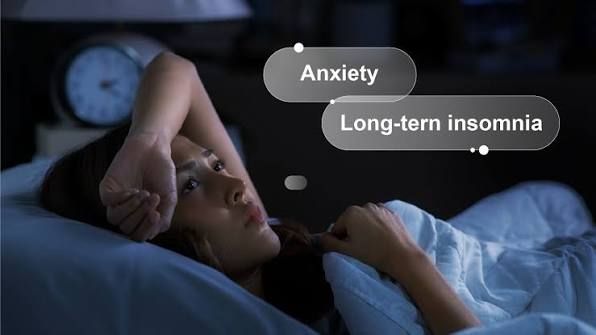
To understand why sleep can feel so elusive, we must look at how the endocrine system interacts with our circadian rhythms. Research into sleeplessness in women reveals that hormonal fluctuations are a primary driver of sleep disruption. Progesterone, known for its sleep-promoting, anxiety-reducing properties, drops sharply in the days leading up to menstruation. This rapid decrease can leave you feeling restless, anxious, and prone to light, easily fragmented sleep.
Similarly, during pregnancy, surging progesterone levels can cause daytime drowsiness while physical discomfort, frequent urination, and anxiety can make nighttime sleep difficult. The postpartum period presents its own set of challenges, as hormones shift abruptly while you manage the unpredictable schedule of caring for a newborn.
For those entering perimenopause and menopause, estrogen levels begin to drop, often resulting in vasomotor symptoms like hot flashes and night sweats. When these occur, core body temperature spikes, triggering sudden awakenings. You find yourself awake at 3 AM, sweating and with a elevated heart rate, making it difficult to fall back asleep. To effectively understand the cycle of women and insomnia, you must look at sleep metrics through a biological lens.
How Hormones Impact Sleep Architecture:
- The Luteal Phase Drop: Progesterone levels fall quickly before your period, reducing the time spent in deep, restorative sleep.
- Vasomotor Disruption: Low estrogen causes night sweats, leading to frequent micro-awakenings that disrupt REM cycles.
- Elevated Cortisol: Hormonal transitions can increase your sensitivity to stress, raising evening cortisol levels and delaying sleep onset.
Additionally, chronic stress plays a significant role. When you are constantly managing responsibilities, your sympathetic nervous system remains active, keeping your body in a “fight-or-flight” state. This elevates cortisol and suppresses melatonin, the hormone responsible for signaling sleep. We often see that the insomnia women face is exacerbated by this state of constant high alert, where your brain feels it is unsafe to drop into deep rest.
This is where monitoring your Heart Rate Variability (HRV) is highly valuable. HRV measures the variation in time between consecutive heartbeats, regulated by your autonomic nervous system. A higher HRV indicates your parasympathetic (“rest-and-digest”) system is active, showing your body is relaxed and recovering. A low HRV indicates your body is still processing stress, explaining why you might wake up feeling exhausted even after several hours in bed. Understanding your daily HRV trends allows you to adjust your routines, ensuring your body is prepared for restorative rest.
Practical Sleep Tips and Actionable Treatments for Women and Insomnia

Addressing sleep challenges requires a combination of behavioral shifts, stress management, and daily habits. A structured approach to managing insomnia in women naturally involves both evening wind-down routines and daytime adjustments:
- Establish a “Digital Sunset”: Blue light from smartphones, tablets, and televisions mimics daylight, suppressing melatonin production. Try to turn off all screens at least 60 to 90 minutes before bedtime. Instead, read a physical book, practice light stretching, or journal to prepare your mind for rest.
- Cool Your Sleeping Environment: Your body temperature naturally drops to initiate sleep. Keep your bedroom cool, ideally between 65°F and 68°F (18°C to 20°C). If you experience hot flashes or night sweats, opt for moisture-wicking linen bedding and breathable sleepwear.
- Align Your Caffeine and Food Windows: Caffeine has a half-life of around six hours, meaning it can remain in your system long after your last cup. Avoid caffeine after 12 PM, and try to finish your last meal of the day at least three hours before bed to ensure your body isn’t processing a heavy meal when it should be resting.
- Track and Interpret Your Recovery Score: By identifying your daily recovery trends, you can actively work toward overcoming sleeplessness in women. If your tracker shows low deep sleep or a low Recovery Score, it serves as a sign to scale back intense activities and prioritize relaxation.
Choosing the Right Tool for Sleep Optimization
While making these behavioral adjustments is a great first step, tracking your progress is key to knowing what works. However, traditional trackers can sometimes add to your stress. Many smartwatches are bulky and uncomfortable to wear all night, and their glowing screens can disturb your sleep. Additionally, having to pay monthly subscription fees just to access your own sleep and HRV data can feel frustrating.
The Herz P1 Smart Ring offers a more comfortable, screen-free alternative. Made from lightweight, medical-grade titanium, it sits comfortably on your finger all night. It features a subscription-free model, giving you full access to your Sleep Stages, HRV, and Activity metrics with no hidden monthly costs. With long battery life, you won’t have the hassle of daily charging, allowing you to focus on building better sleep patterns naturally.
Reclaim Your Nightly Peace
By tracking your sleep biometrics screen-free and subscription-free, you can better understand your body’s recovery trends. The lightweight titanium Herz P1 Smart Ring helps you monitor sleep stages and HRV without screen distractions or ongoing fees.
In conclusion, managing sleep difficulties requires a thoughtful approach that looks at both hormonal shifts and daily lifestyle habits. By prioritizing screen-free habits, optimizing your sleep environment, and monitoring your biometric trends with a comfortable smart ring, you can make informed choices to support your body’s natural sleep patterns and wake up feeling refreshed.
Disclaimer: Results may vary depending on individual physical activity levels, unique health conditions, and daily tracking patterns. This article is for informational purposes only and does not constitute medical advice. Please consult with a healthcare professional before making significant changes to your sleep habits or wellness routine.
