

How to Make a Firm Mattress Softer and More Comfortable for Restorative Sleep
Sleeping on a mattress too firm can cause high-stress, non-restorative sleep. While learning how to make mattress softer is key, tracking your physical recovery with a screen-free Herz P1 Smart Ring lets you objectively measure how mattress adjustments improve your deep sleep and heart rate variability (HRV).
Take Back Your Sleep.
Take Back Your Life.
- Fall asleep faster & sleep deeper
- Stop waking up in the middle of the night
- Wake up refreshed & full of energy
What You Will Learn In This Guide
- Practical Solutions: Clear, step-by-step techniques on how to make mattress softer without spending thousands on a brand-new bed.
- The Science of Pressure Points: Why a mattress too firm triggers micro-arousals, interrupts deep sleep, and suppresses heart rate variability (HRV).
- Physical Adjustments: Discover how room temperature, foundational bed bases, and strategic breaking-in techniques affect overall firmness.
- Biometric Feedback: How tracking physiological indicators like sleep stages can scientifically confirm if your sleep setup is successfully optimized.
The Step-by-Step Guide: How to Make a Firm Mattress Softer

Prerequisites: Assess Your Current Setup
Before implementing changes, it is essential to analyze the foundation of your sleep setup. Many people wake up with a stiff lower back or experience non-restorative sleep simply because they haven’t assessed if their mattress too firm for their body weight and sleep position. Side sleepers require significant pressure relief for shoulders and hips, whereas back or stomach sleepers require firmer support. If you suffer from frequent 3 AM awakenings or joint stiffness, understanding how to make mattress softer is a vital first step toward physical recovery.
Step-by-Step Execution Guide
If you are looking for practical ways on how to make a firm mattress softer, follow these scientifically backed steps to alter the mechanical feel of your bed:
- The Break-In Period (Kneading the Mattress): Brand-new beds require a breaking-in period of 30 to 90 nights. To accelerate this transition phase, gently walk or crawl over your mattress in clean socks for 5 to 10 minutes daily. This settles the internal steel coils and breaks down rigid polymer bonds in the foam.
- Warm Up the Bedroom: Visco-elastic memory foam is highly temperature-sensitive. If your bedroom is cold, your memory foam will feel like concrete. Adjusting your room temperature slightly upward to 68°F–70°F will naturally soften the foam, providing a much more contouring, pressure-relieving sleep surface.
- Invest in a Premium Mattress Topper: This is the quickest and most effective way to address how to make mattress softer. Adding a 2-to-3-inch mattress topper made of memory foam, latex, or plush wool provides instant cradling support without sacrificing the structural integrity of the underlying support core.
- Evaluate Your Bed Base: A solid wooden platform or rigid metal slats offer zero flex, amplifying mattress rigidity. Swapping a rigid foundation for a flexible sprung slat base or adding a breathable buffer layer can significantly help on how to make mattress softer.
- Rotate the Bed regularly: Rotating your bed 180 degrees every six months prevents localized compression. This ensures that the mattress wearing surface breaks in evenly, preventing hard spots from developing over time.
To verify that these physical adjustments are actually translating to deeper, more restorative rest, it helps to track your physiological markers. Utilizing a lightweight, biometric-grade Herz P1 Smart Ring allows you to monitor how changes in mattress comfort directly affect your sleep stages (Deep, REM, and Light), giving you precise data on how to make your mattress softer for optimized physical recovery.
Common Pitfalls & Mistakes
- Buying a Topper That is Too Thick: Choosing a 4-inch plush topper can swallow your body completely, misaligning your spine and causing secondary lower back pain. Stick to a 2-to-3-inch thickness.
- Attempting to Fix a Sagging Mattress: Adding a soft topper to a mattress that is sagging in the middle will only make the sag worse. Toppers adapt to the contour beneath them; they cannot reconstruct a broken core.
- Ignoring Room Temperature: Trying to soften a memory foam mattress in a freezing room is almost impossible. Keeping your bedroom at a stable, moderate temperature is essential.
Quick Checklist on How to Make Mattress Softer
| Action Step | Primary Benefit | Best Suited For |
|---|---|---|
| Daily Mattress Kneading | Accelerates break-in period of fibers & coils | Brand-new beds under 90 nights old |
| Adjust Room Temperature | Softens temperature-sensitive visco-elastic foam | Memory foam mattress owners |
| Install a 2-3″ Topper | Provides instant pressure point cradling | Sleepers struggling on how to make a hard bed softer |
| Switch to Sprung Slats | Adds flexible give beneath the mattress support core | Beds resting on stiff, solid platform frames |
| Track Your Sleep Trends | Biometric proof of deep sleep improvements | Anyone looking to optimize sleep health scientifically |
Ultimately, learning how to make mattress softer is an experimental process. By combining physical bed adjustments with precise, worry-free physiological tracking, you can transition from restless, fragmented nights to deep, restorative sleep. If your sleep quality remains low after adjusting your mattress, it is highly recommended to monitor your nightly biometric trends to identify other environmental or lifestyle variables.
The Physics of Pressure Points: Why a Mattress Too Firm Ruins Your Sleep Metrics
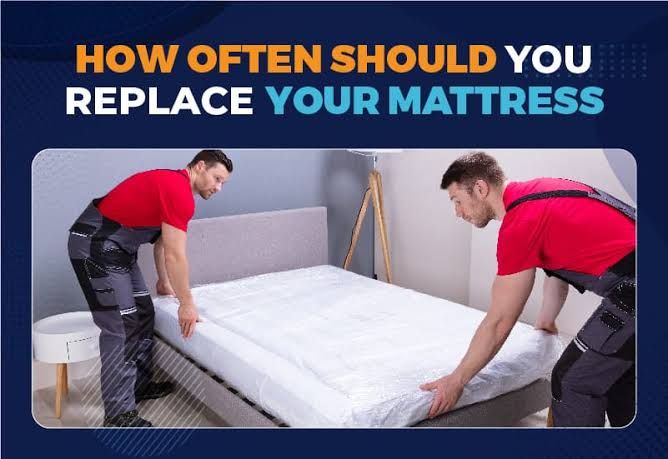
When you sleep on a mattress too firm, your body is subjected to intense upward gravitational force at specific contact zones—most notably, your shoulders, hips, and ankles. This mechanical compression reduces capillary blood flow in these areas. As cellular waste builds up and oxygen supply decreases, your pain receptors fire, signaling your brain to change positions. This constant tossing and turning results in what sleep scientists call “micro-arousals.”
While you might not remember waking up, these micro-arousals pull you out of deep, restorative slow-wave sleep and REM sleep, dumping you back into light sleep. You wake up feeling exhausted, plagued by brain fog, and wondering why your sleep feels so incredibly non-restorative. To make matters worse, this physical stress triggers your autonomic nervous system’s “fight-or-flight” sympathetic branch. Your heart rate remains elevated throughout the night, and your Heart Rate Variability (HRV)—a key marker of autonomic nervous system health and overall physical recovery—drops significantly. If you’ve been searching for how to make a firm mattress softer, it is not just about comfort; it is about protecting your cardiovascular health during sleep.
Expert Biometric Insight: Why HRV Matters
Heart Rate Variability (HRV) is the variation in time between consecutive heartbeats. A higher night-time HRV indicates that your body is in a relaxed, parasympathetic state, allowing you to recover deeply. A mattress too firm causes physical stress, forcing your nervous system into a sympathetic (fight-or-flight) state. This suppresses your HRV, leading to that distinct “tired but wired” feeling when you wake up.
Rather than guessing whether your DIY attempts to soften your bed are working, you should track your physiological recovery trends. While traditional wristwatches are often heavy, uncomfortable to wear to bed, and require daily charging, a lightweight, premium alternative like the Herz P1 Smart Ring fits elegantly on your finger. With medical-grade biometric sensors, it translates complex heart rate and movement algorithms into an intuitive Daily Recovery Score, helping you instantly see how a more comfortable bed supports your nervous system.
Optimizing Your Sleep Environment: Screen-Free Habits and Holistic Recovery
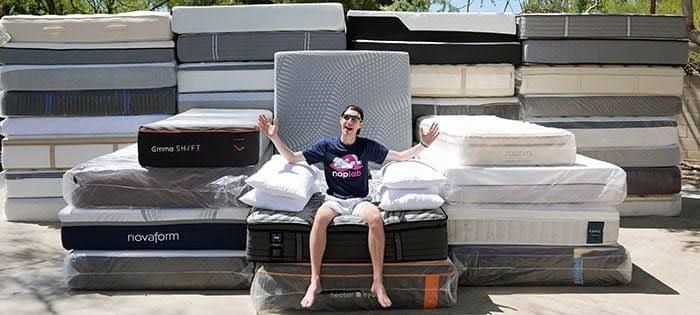
Solving physical mattress stiffness is only one half of the restorative sleep puzzle. Your body’s internal environment must also be optimized for sleep. Holistic wellness requires aligning your bedroom temperature, light levels, and bedtime routines to signal to your brain that it is safe to rest.
One of the greatest modern disruptions to sleep hygiene is blue light exposure from screens right before bed. Checking notifications, tracking your steps on a bright smartwatch, or scrolling through social media stimulates your photoreceptors, suppressing melatonin production and delaying your sleep cycle. If your goal is learning how to make a hard bed softer, you should pair these physical changes with screen-free lifestyle habits.
Embrace True Screen-Free Tracking
Traditional smartwatches keep you tethered to screens, vibrating notifications, and constant daily charging. True holistic recovery happens when you disconnect.
The Herz P1 Smart Ring is entirely screen-free, letting you focus on your wind-down routine while it quietly and continuously tracks your body’s recovery metrics in the background.
When you transition to an elegant, screen-free wearable, you eliminate the cognitive load of reading complex, overwhelming data charts in the middle of the night. Instead, you can focus on breathing exercises or gentle stretching, knowing that your device is tracking your vital signs. With its titanium construction, the Herz P1 Smart Ring is incredibly comfortable, resolving the common complaint of bulky watches pinching the skin or flashing bright green optical sensors during sleep.
Let’s also talk about the hidden cost of wellness tech: subscription fatigue. Many people purchase expensive fitness trackers only to find that all their valuable sleep phase and HRV data is locked behind a monthly paywall. This added stress can completely ruin the peaceful, screen-free sleep space you are creating. The Herz P1 Smart Ring provides a breath of fresh air with a completely subscription-free model. You buy the ring once and gain lifetime access to medical-grade biometric algorithms, tracking sleep, recovery, and daily activity.
By combining physical changes—like adding a mattress topper, adjusting bedroom temperature, and learning how to make mattress softer—with screen-free biometric tracking, you finally take control of your well-being. This dual approach removes the mystery of sleep deprivation, transforming your nights into a predictable cycle of deep, restorative, and peaceful rest.
Disclaimer: Results may vary depending on individual physical activity levels, unique health conditions, and daily tracking patterns. This article is for informational purposes only and does not constitute medical advice. Please consult with a medical professional before beginning any new sleep, exercise, or health monitoring regimen.
