

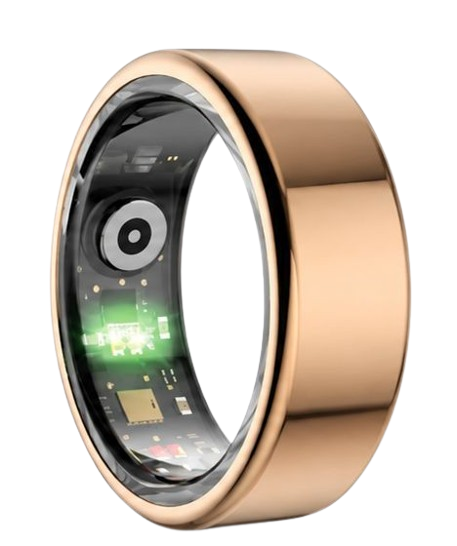
Understanding how caffeine adenosine receptors interact is the key to unlocking your body’s natural sleep drive and overcoming chronic daytime fatigue. Research shows that caffeine temporarily blocks these vital brain receptors to mask your natural sleep pressure, which can disrupt your overnight recovery. The sleek, subscription-free Herz P1 smart ring monitors these metabolic changes, tracking your heart rate variability (HRV) and deep sleep stages to help you reclaim your energy naturally.
Built to Last. Save Up to 69% Today.
The Herz P1 Smart Ring tracks HRV, Sleep, Heart Rate & SpO2 around the clock. No subscriptions. No renewals. Ever.
In This Guide
- How to Align Your Coffee Routine with your natural biological sleep pressure.
- The Molecular Biology Explained behind how caffeine blocks adenosine receptors.
- Autonomic Nervous System Recovery and tracking physical metrics like HRV.
- Practical Biometric Monitoring Tips to interpret and utilize your daily health trends.
How to Align Your Coffee Routine with Your Natural Sleep Pressure: A Step-by-Step Guide
Prerequisites and What You Will Need
To optimize your body’s physiological sleep drive and manage stimulant intake effectively, you will need a consistent waking schedule.
You will also need a reliable method to document your daily beverage consumption times and total milligram dosages.
Finally, a precision biometric tracking device like a smart ring is essential for measuring your resting heart rate and autonomic recovery.
-
Step 1: Calculate Your Personal Caffeine Half-Life
The average half-life of caffeine in a healthy adult ranges from five to seven hours, meaning half of the active stimulant remains in your bloodstream long after your final cup.
Some individuals possess genetic variations in liver enzymes that slow down or accelerate this metabolic rate significantly.
You can determine your sensitivity by noting when you experience an afternoon energy crash or evening alertness.
Avoid assuming your body processes stimulants at the same speed as others around you.
Use a conservative six-hour estimate as your baseline calculation to avoid sleep disruption.
Keeping a close eye on these timelines helps prevent late-day energy dips from ruining your night.
-
Step 2: Establish a Morning Caffeine Window
Delay your first cup of coffee by ninety minutes after waking up to allow your body to naturally clear cortisol.
This delay allows your body to naturally clear remaining adenosine and build a strong foundation for your circadian rhythm.
Drinking coffee too early can disrupt your natural cortisol awakening response, which is crucial for daytime alertness.
Setting this specific caffeine window protects your energy levels from crashing later in the afternoon.
Try drinking a glass of water first to hydrate your cellular systems before introducing daily stimulants.
This habit supports healthy liver function, which is responsible for filtering out metabolic waste products.
-
Step 3: Set a Hard Cut-Off Time
Stop consuming all stimulants at least ten hours before your planned bedtime to protect your nervous system.
This window gives your liver enzymes sufficient time to clear the chemical from your systemic circulation.
Consuming coffee late in the day directly hinders your ability to fall asleep naturally.
It also prevents your brain from entering the deeper, highly restorative slow-wave sleep cycles.
Switch to herbal teas or decaffeinated options in the afternoon to stay on track.
Be cautious of hidden stimulants in energy drinks, sodas, and even dark chocolate.
-
Step 4: Track Your Sleep Onset Latency
Sleep onset latency measures the exact duration it takes you to fall asleep after turning off the lights.
If you lie awake for more than twenty minutes, your afternoon stimulants may still be biochemically active.
Keep a daily log of your evening restlessness to identify hidden beverage consumption patterns.
Many people do not realize that even weak green teas or pre-workout formulas can keep them awake for hours.
Documenting these numbers helps you make precise, data-backed adjustments to your daily routine.
Reducing your latency window is a primary indicator of improved sleep hygiene.
-
Step 5: Monitor Your HRV and Resting Heart Rate Trends
Analyze your heart rate variability and resting heart rate metrics each morning to assess autonomic recovery.
High caffeine intake close to bedtime typically lowers your overnight HRV scores by keeping you in a sympathetic state.
It also raises your resting heart rate, forcing your heart to work harder while you try to rest.
Look for consecutive days of declining health metrics as a warning sign of systemic fatigue.
Lower your afternoon intake immediately if you notice these critical metrics moving in the wrong direction.
Tracking these trends prevents long-term overtraining and chronic physical burnout.
-
Step 6: Mitigate Accidental Late Stimulant Consumption
If you consume stimulants late in the afternoon, increase your physical activity levels to help metabolize the chemical.
Drink extra water to support renal clearance and help flush residual stimulants from your system.
Practice deep-breathing exercises in the evening to stimulate your parasympathetic nervous system manually.
Avoid the temptation to use alcohol or sleep aids to counteract the alertness, as this further damages sleep quality.
Accept that your sleep tracking metrics may be lower for the night and adjust your next-day schedule accordingly.
-
Step 7: Re-evaluate Your Baseline Tolerance Regularly
Your body naturally adapts to regular stimulant consumption over time, building up a biological tolerance.
Periodically reduce your daily consumption for three to five days to reset your adenosine receptors.
Use this reset period to observe how your natural sleep pressure feels without chemical interference.
You may discover that you require far less coffee than you previously thought to stay alert.
Log your symptoms during this reset to understand your baseline energy levels.
Leveraging Biometric Data for Lifestyle Control
Implementing this structured schedule is much easier when you have precise biometric data to guide you.
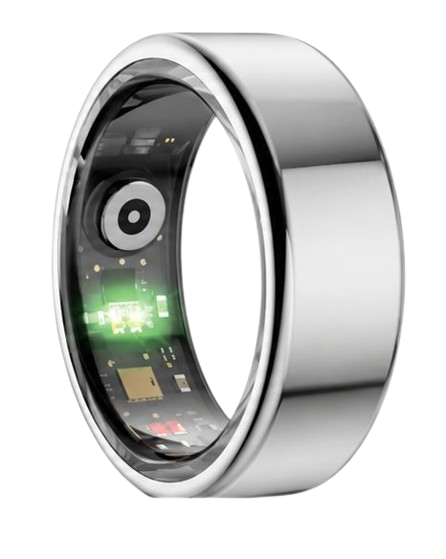
The Herz P1 Smart Ring continuously tracks your physiological reactions to daily lifestyle choices.
It provides high accuracy for resting metrics and autonomic recovery trends without requiring bulky wrist straps.
You can easily see how changing your daily habits improves your long-term cardiovascular health and sleep efficiency.
90-Day 100% Money-Back Guarantee
“The Herz Smart Ring helps me manage stress easily. It’s accurate, stylish, and lightweight—perfect for my busy life!”
— Jennifer P. | ✔ Verified Customer
- ✓ 6-Day Battery Life
- ✓ Detailed Sleep Analysis
- ✓ Fast 1-Hour Charging
- ✓ iOS & Android Ready
Questions? Call: 1-866-479-1629
The Biological Mechanism: How Caffeine Blocks Adenosine Receptors in Your Brain
Your brain naturally produces a chemical compound called adenosine throughout your waking hours as a byproduct of cellular energy consumption.
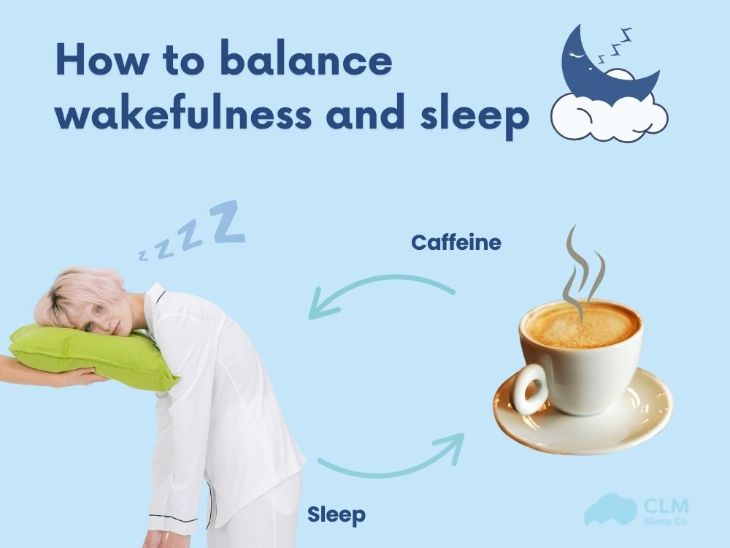
As adenosine accumulates in your neural pathways, it binds to specific cell receptors to create sleep pressure, signaling your body to rest.
This physiological sleep drive is a fundamental mechanism of the human sleep homeostat, operating independently of your circadian rhythm.
The National Sleep Foundation notes that sleep pressure must reach a critical threshold for your brain to initiate deep, restorative slow-wave sleep.
When you consume coffee, the chemical structure of caffeine mimics adenosine almost perfectly.
This structural similarity allows for caffeine blocking adenosine receptors without activating them, effectively locking out your natural sleep signals.
This molecular hijacking prevents your brain from detecting the actual level of sleep pressure accumulating in your body.
As a result, you feel temporarily alert and energetic even though your cells are physically exhausted.
This interaction between caffeine adenosine receptors explains why you can bypass severe daytime fatigue during a busy shift.
However, the underlying sleep pressure does not disappear; it continues to build up behind the biochemical blockade.
Once your liver finally metabolizes the stimulant, the accumulated adenosine floods your receptors all at once.
This sudden chemical flood causes the notorious afternoon crash that leaves you desperate for another cup of coffee.
This vicious cycle can severely damage your long-term caffeine and sleep relationship, leading to chronic exhaustion.
To break this cycle, you must understand how your body clears metabolic waste products over time.
The rate at which your liver processes stimulants is highly individual and depends on genetics, age, and lifestyle habits.
Understanding this chemical interplay is the first step toward reclaiming your natural energy.
Analyzing the Impact: Caffeine Disruption of Deep Sleep and HRV Metrics
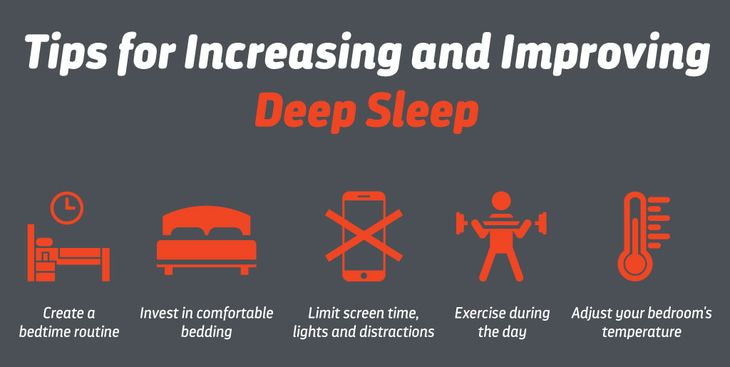
The American Heart Association emphasizes that high resting heart rates and low heart rate variability (HRV) are key indicators of physical stress.
When caffeine remains active in your system during the night, it continuously stimulates your sympathetic nervous system.
This artificial state of alertness prevents your body from transitioning into parasympathetic recovery.
Your heart rate remains elevated, and your HRV scores drop significantly, leaving you unrecovered.
Heart rate variability measures the variation in time between consecutive heartbeats, indicating your autonomic nervous system’s responsiveness.
A lower HRV score suggests your body is under physical strain and has not recovered adequately from daily demands.
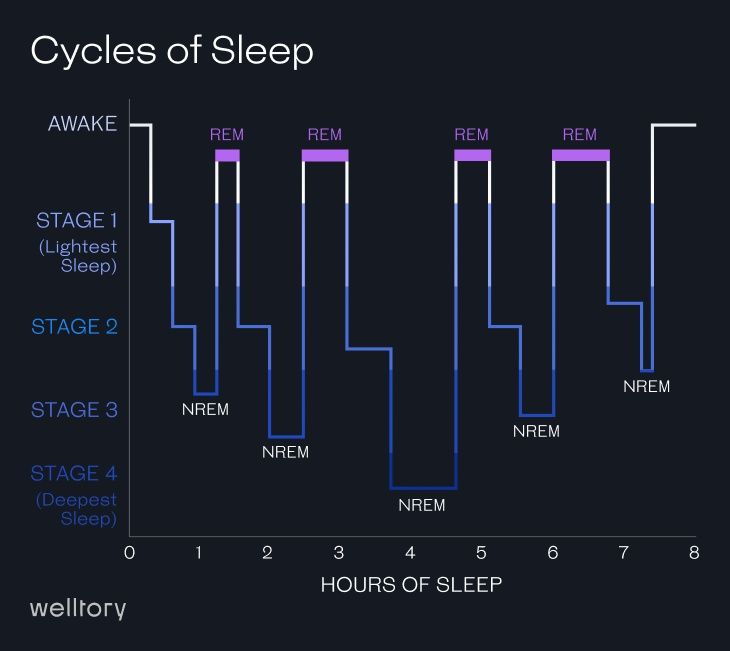
Additionally, the presence of coffee adenosine interference blocks your brain from entering slow-wave sleep.
Slow-wave sleep, or deep sleep, is the critical stage where physical tissue repair, muscle growth, and immune recovery occur.
Without sufficient deep sleep, you will likely wake up feeling physically sore, stiff, and unrefreshed.
The stimulant also disrupts REM sleep, which is essential for memory consolidation, learning, and emotional regulation.
REM sleep, or rapid eye movement sleep, is characterized by high brain activity and vivid dreaming.
Frequent nighttime awakenings caused by active stimulants prevent you from completing full ninety-minute sleep cycles.
This disruption explains why do i wake up tired even after spending eight full hours in bed.
Over time, chronic deep sleep deprivation can impair your cognitive function, memory, and concentration.
It can also elevate your systemic stress levels, causing a feedback loop of anxiety and poor sleep.
By tracking these metrics daily, you can identify how stimulants affect your cardiovascular and neurological health.
A health-tracking smart ring provides the continuous data stream needed to monitor these delicate physiological balances.
How to Track and Optimize Your Recovery with the Herz P1 App
The Herz P1 companion app provides a clear, comprehensive dashboard of your daily biometric data without complex jargon.
Each morning, you can view your overall Sleep Score, which combines deep sleep, REM sleep, and sleep efficiency.
A low score indicates that late-day stimulants likely disrupted your sleep architecture and physical recovery.
The app also tracks your Blood Oxygen Saturation (SpO2) levels during the night to ensure healthy oxygen delivery.
SpO2 measures the percentage of oxygen-carrying hemoglobin in your blood, reflecting respiratory efficiency.
Monitoring SpO2 trends helps ensure your breathing remains steady and unimpeded throughout your sleep cycles.
You can also review your HRV trends to see if your nervous system is recovering from daily workloads.
If your HRV is low and your resting heart rate is high, it is a sign to reduce your stimulant consumption.
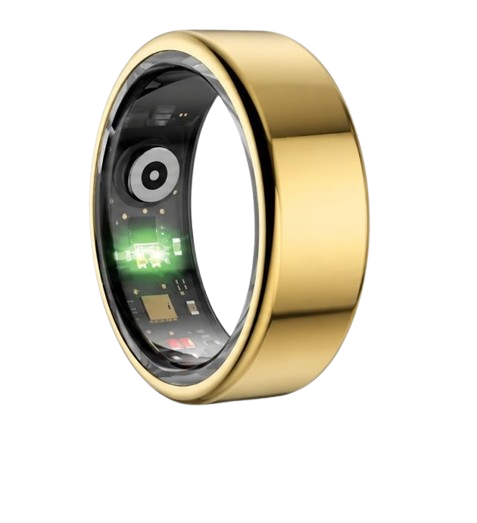
The Herz P1 Smart Ring is constructed from military-grade steel, ensuring maximum durability for continuous 24/7 wear.
Unlike bulky smartwatches, its lightweight, ultra-thin design makes it exceptionally comfortable to wear while sleeping.
It is also fully waterproof, allowing you to wear it during high-intensity workouts, swims, or in the shower.
By wearing the ring consistently, you build a highly accurate baseline of your unique physical health trends.
You can then use these insights to optimize your daily training intensity, stress management, and coffee schedules.
Breaking Free from Bulky Wearables and Hidden Subscription Fees
Many people make the mistake of wearing large, heavy smartwatches to bed to track their sleep.
These bulky devices often cause physical discomfort, leading to tossing and turning that actively ruins sleep quality.
Furthermore, smartwatches must be charged almost daily, which frequently leaves you with no battery during the night.
Waking up with a morning groggy feeling is a clear sign that caffeine has disrupted your deep sleep cycle.
Another major frustration in the wearable market is the hidden cost of ongoing monthly app subscriptions.
Some premium brands require you to pay a monthly fee just to access your own biometric data.
We believe your health data should belong to you without any recurring financial barriers.
The Herz P1 Smart Ring offers a lifetime of full app access with zero monthly subscription fees.
This provides a simple, transparent way to monitor your long-term health trends without recurring bills.
You can focus entirely on your wellness journey without worrying about unexpected monthly charges.
Additionally, the ring’s battery lasts up to six days on a single fast charge, eliminating charging anxiety.
This makes it a highly reliable and cost-effective alternative to traditional wrist-based health trackers.
You get premium tracking features, a robust two-year warranty, and complete peace of mind.
Biometric Clearance Insights
The table below highlights how post-consumption timelines correspond with physiological metrics tracked by the Herz P1.
| Hours Post-Consumption | Physiological Phase | Herz P1 Biometric Trend (HRV, HR, SpO2) |
|---|---|---|
| 0-2 Hours | Peak Blood Concentration | Sympathetic dominance; elevated resting heart rate and depressed HRV. |
| 3-6 Hours | Metabolic Half-Life | Gradual normalization; resting metrics highly sensitive to physical tolerance. |
| 7-10+ Hours | Clearance Window | Return of baseline sleep pressure; optimized HRV recovery and deep sleep cycles. |
Answers to Your Common Questions About Sleep Tracking and Wearables
Is the Herz P1 Smart Ring fully waterproof?
Yes, the Herz P1 is rated IP68 waterproof, allowing you to submerge it up to 164 feet.
This means you can confidently wear it while swimming, showering, or washing your hands.
Its durable military-grade steel construction protects the internal sensors from any water damage.
You never have to take the ring off during your daily routines.
How long does the battery last and how quickly does it charge?
The ring’s advanced lithium battery lasts up to six days on a single charge.
It requires less than one hour to charge from zero to one hundred percent.
This rapid charging capability ensures you never miss a night of sleep tracking.
We recommend charging it briefly during your morning shower for maximum convenience.
Which finger is the best choice to wear the smart ring on?
The index, middle, or ring fingers of either hand are the best options for accurate tracking.
These fingers contain larger blood vessels close to the skin surface, which optimizes the optical sensor readings.
Choose a finger that provides a snug but comfortable fit throughout the day.
Ensure the inner sensor bumps maintain direct, steady contact with the underside of your finger.
Does the Herz P1 store my health data offline?
Yes, the ring features seven days of local offline storage space.
It will safely record all your biometrics even if your phone is turned off or out of Bluetooth range.
Your accumulated data will automatically sync to the app as soon as the connection is re-established.
This feature is highly useful for camping trips, long flights, or digital detox weekends.
Conclusion: Your Subscription-Free Wellness Journey Starts Here
Optimizing your sleep pressure by managing your caffeine intake is a vital step toward long-term physical recovery.
Let the Herz P1 Smart Ring guide your daily wellness journey with precise, subscription-free health metrics.
Ready to monitor your health every day?
Explore the Herz P1 Smart Ring and see if it fits your lifestyle.
Call: 1-866-479-1629 — our team can help you advise on the correct ring size and set personalized health goals.
Note: Individual results may vary depending on individual health conditions, age, and lifestyle habits. This article is intended for general health reference purposes only.
