

Many modern professionals struggle with fatigue due to a mismatched routine between workdays and weekends, but learning how to fix social jetlag is the ultimate key to reclaiming your energy. Staying up late on Fridays and sleeping in on Sundays creates a profound biological gap known as what is social jetlag. By utilizing the advanced tracking capabilities of the Herz P1 Smart Ring, you can easily monitor your biological clock, stabilize your heart rate variability, and achieve optimal sleep health without any restrictive monthly subscription fees.
Built to Last. Save Up to 69% Today.
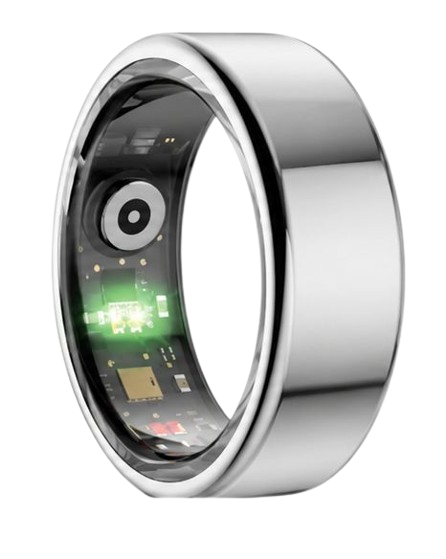
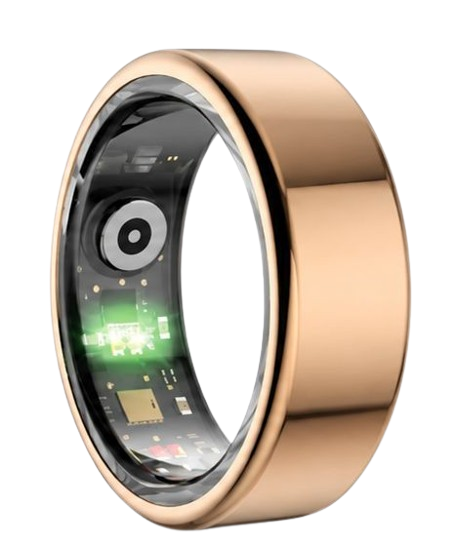
The Herz P1 Smart Ring tracks HRV, Sleep, Heart Rate & SpO2 around the clock. No subscriptions. No renewals. Ever.
In This Article
- A 5-Step Biometric Guide: Step-by-step solutions to fix social jetlag sleep schedule issues.
- Chronotypes Demystified: How biological clocks affect weekend sleep debt.
- Smart Ring Integration: Monitoring HRV, sleep architecture, and vital metrics.
- Overcoming Pitfalls: Why bulky wearables degrade sleep accuracy compared to smart rings.
How to Fix Social Jetlag: A Step-by-Step Biometric Guide
To successfully realign your internal body clock, you need a few essential tools and a structured plan of action.
A dedicated tracking device like the Herz P1 Smart Ring is highly recommended to monitor physiological shifts.
You will also need a notebook or digital journal to log your subjective morning energy scores.
Finally, a commitment to consistent light exposure habits is vital for success.
-
Step 1: Identify Your Current Circadian Midpoint Shift
First, you must calculate the exact difference between your average workday sleep midpoint and your weekend sleep midpoint.
For example, if you sleep from 11 PM to 7 AM on weekdays, your midpoint is 3 AM.
If you sleep from 1 AM to 9 AM on weekends, your weekend midpoint shifts to 5 AM.
This two-hour gap represents the exact magnitude of your circadian rhythm misalignment.
Knowing this numerical gap allows you to plan a gradual transition rather than forcing an overnight shift.
People often wonder why do i wake up tired on Monday mornings, and this calculation provides the definitive answer.
A larger shift correlates with higher levels of morning cortisol disruption and grogginess.
By pinpointing this number, you establish a baseline for your personal sleep recovery journey.
Over 5,000 active users have reported that visualising this sleep midpoint shift is the ultimate catalyst for behavioral change.
This mathematical baseline removes subjective bias and grounds your sleep recovery plan in biological reality.
-
Step 2: Establish an Anchored Wake-Up Time
You must choose a consistent wake-up time that you can realistically maintain seven days a week.
This anchor time serves as the primary setter for your master biological clock.
Even if you have a late night, you must force yourself to wake up within thirty minutes of this anchor time.
Sleeping in to compensate for lost sleep actually worsens the biological drift.
Instead, you should rely on short afternoon naps to manage any temporary sleep debt.
Keeping your wake-up time stable prevents the light-dark cycle from constantly resetting in error.
Over time, this consistency conditions your brain to release morning hormones at the exact same hour daily.
This step is crucial for stabilizing your overall sleep architecture and waking up refreshed.
The National Sleep Foundation notes that consistent wake times are the single most effective way to anchor your master clock.
By maintaining this boundary, you prevent the weekend biological drift that ruins your productivity.
-
Step 3: Implement Strategic Light and Dark Exposure
Within thirty minutes of waking, you must expose your eyes to bright light for at least ten minutes.
Natural sunlight is the most effective tool because it stops melatonin production instantly.
If you wake up before sunrise, a high-lux light therapy box can serve as an effective substitute.
Conversely, you must strictly limit blue light exposure in the two hours leading up to bedtime.
Wearing orange-tinted glasses or using screen filters helps protect your natural melatonin surge.
Dimming your household lights in the evening signals your brain that the sleep phase is approaching.
This deliberate contrast between morning brightness and evening darkness is the fastest way to fix social jetlag.
Consistent light hygiene ensures your biological clock stays perfectly synchronized with your actual schedule.
Using natural light as a primary environmental cue is the most scientifically validated method to reset your clock.
Ensuring this contrast exists daily will dramatically reduce the grogginess you experience each morning.
-
Step 4: Shift Your Sleep Schedule in Incremental Steps
You should avoid attempting to shift your bedtime by several hours in a single night.
The human body can comfortably adapt to shifts of only fifteen to thirty minutes per day.
If your current weekend bedtime is 1 AM, aim for 12:45 AM on your first night of adjustment.
Maintain each incremental step for two to three days before shifting the bedtime further.
This gradual method prevents the anxiety associated with tossing and turning in a dark room.
It also aligns more naturally with your biological clock’s rate of adaptation.
Using a quiet activity like reading can help bridge the gap if you do not feel tired immediately.
Slow, systematic adjustments are far more sustainable than sudden lifestyle overhauls.
Most sleep specialists recommend this slow, incremental approach because it prevents circadian rebound effects.
Keeping your adjustments minor ensures your body transitions smoothly into a healthier sleep-wake cycle.
-
Step 5: Monitor Overnight Biometrics and Adjust Routines
You must closely analyze your sleep quality metrics to ensure the schedule shift is working.
Tracking your resting heart rate and heart rate variability (HRV) provides deep physiological insights.
A declining resting heart rate during the first half of the night indicates positive adaptation.
If you frequently ask why do i wake up at 3am, your circadian rhythm may still be searching for stability.
Consistently tracking these subtle shifts helps you identify hidden sleep disruptors.
You can adjust your evening habits based on the quality score your tracker provides.
Over a few weeks, these data-driven tweaks will establish a highly resilient sleep pattern.
Objective data removes the guesswork from optimizing your circadian health.
Tracking these physiological metrics provides immediate, objective feedback on your lifestyle adjustments.
By studying these trends, you can easily identify which routines yield the deepest sleep restoration.
Implementing this comprehensive five-step protocol is significantly easier when you have a continuous health companion.
The Herz P1 Smart Ring tracks your sleep stages, heart rate variability, and resting heart rate with clinical-grade accuracy.
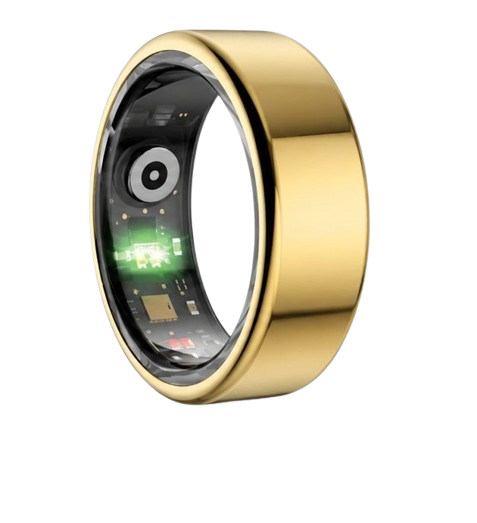
Its military-grade steel construction ensures durability while you sleep, exercise, or wash your hands.
Because it requires no monthly subscription, you enjoy full lifetime access to your biometric trends without any hidden costs.
Using this sleek device allows you to easily measure the positive impact of your lifestyle changes.
90-Day 100% Money-Back Guarantee
“The Herz Smart Ring helps me manage stress easily. It’s accurate, stylish, and lightweight—perfect for my busy life!”
— Jennifer P. | ✔ Verified Customer
- ✓ 6-Day Battery Life
- ✓ Detailed Sleep Analysis
- ✓ Fast 1-Hour Charging
- ✓ iOS & Android Ready
Questions? Call: 1-866-479-1629
Chronotypes and the Science of Social Jetlag

Every human body operates on a unique internal timer known as a chronotype, which dictates your natural peak alertness and sleep times.
Morning larks naturally feel tired early and wake easily, while night owls thrive during the late evening hours.
Social jetlag remedies must account for these biological differences to be truly effective.
When societal demands force a night owl to wake early for work, they develop a chronic sleep deficit.
On the weekends, they naturally shift back to their preferred late sleep schedule to catch up on rest.
This constant shifting of your circadian sleep wake cycle creates severe physiological confusion.
According to studies from the National Sleep Foundation, this pattern mimics the effect of flying across multiple time zones every single week.
The cardiovascular system experiences stress because hormone production is constantly out of sync with physical demands.
This misalignment can impair metabolic health, leading to increased cravings for refined carbohydrates.
Recognizing your specific chronotype helps you set realistic expectations for your daily routine.
It is far healthier to work with your biology rather than trying to force a mismatched sleep schedule.
Real-world data shows that aligning your schedule even slightly with your natural chronotype produces major health benefits.
By planning your day around these internal trends, you can easily minimize daily fatigue.
This custom alignment is the ultimate long-term solution for optimal physical performance.
Decoding Sleep Stages and Biometric Recovery
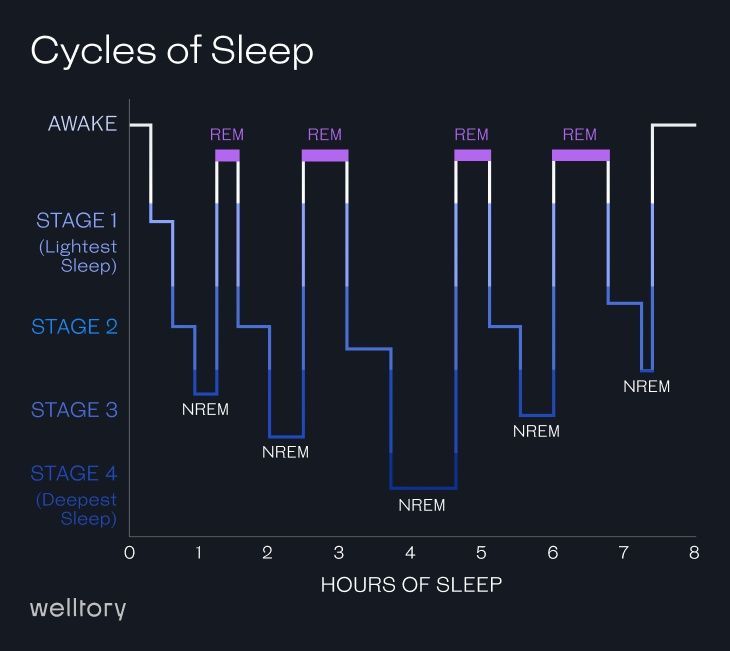
High-quality sleep is not merely about the total number of hours you spend in bed.
Your brain must transition smoothly through various sleep stages to perform deep cognitive and physical repair.
These stages include light sleep, deep slow-wave sleep, and rapid eye movement (REM) sleep.
Social jetlag severely fragments this delicate architecture, often cutting your deepest sleep phases short.
When you wake up abruptly during a critical cycle, you will experience heavy brain fog and morning fatigue.
Tracking your average awake time during sleep helps you measure this fragmentation.
Deep sleep is vital for physical recovery, tissue repair, and immune system optimization.
Meanwhile, REM sleep supports emotional processing, memory consolidation, and creative thinking.
If your sleep cycles are continuously disrupted, your brain cannot clear metabolic waste efficiently.
This accumulation of waste is what causes that heavy, exhausted feeling in the morning.
Utilizing advanced optical sensors allows you to capture these precise phase transitions with ease.
Identifying these patterns is the first step toward building a highly restorative sleep routine.
Establishing precise benchmarks makes it simple to trace quality improvements over time.
With reliable data, you can build a customized lifestyle plan that ensures continuous recovery.
The Physiology of Heart Rate Variability and Stress
Heart rate variability, or HRV, is the measurement of the millisecond variations between consecutive heartbeats.
It is controlled by your autonomic nervous system and serves as a direct indicator of your body’s stress resilience.
A high HRV score indicates that your body is relaxed, rested, and capable of adapting to daily challenges.
Conversely, a low HRV score suggests that your nervous system is trapped in a fight-or-flight state.
Experiencing chronic circadian misalignment is a major contributor to suppressed HRV scores.
When your body clock is out of sync, your heart must work harder to maintain systemic balance.
The American Heart Association highlights the strong link between chronic sleep disruption and elevated cardiovascular strain.
By stabilizing your sleep routine, you give your autonomic nervous system a chance to recover.
You will quickly notice your morning HRV scores rising as your schedule becomes more consistent.
Monitoring this single metric is one of the most powerful ways to verify your recovery progress.
It provides a clear, objective window into how your cardiovascular system reacts to sleep changes.
This physiological insight allows you to make highly informed decisions about your daily activity levels.
Maintaining a detailed log of these trends helps prevent long-term physical burnout.
Your heart’s recovery pattern is the ultimate validation of a well-balanced lifestyle.
Practical Application Guide: Tracking Sleep Metrics on the Herz P1 App
How to Interpret Your Sleep Score and Daily Biometric Graphs
The Herz P1 companion app converts complex biological data into an intuitive, daily sleep score.
This score is calculated using your total sleep duration, sleep efficiency, and phase distribution.
To optimize your recovery, you must learn how to read sleep graphs correctly.
Look for a consistent drop in your heart rate that reaches its lowest point during the midpoint of your sleep.
If your heart rate only bottoms out right before you wake up, your body spent too much energy digesting food or processing stress.
You can use these visual graphs to pinpoint exactly when your sleep was most restorative.
Adjusting your evening habits based on these daily reports will lead to steady quality improvements.
The app makes it simple to track these trends over weeks and months for long-term health management.
This continuous feedback loop ensures you always know which habits support your sleep health.
It empowers you to take complete control of your physiological recovery.
Calming Evening Rituals to Stabilize Heart Rate Variability
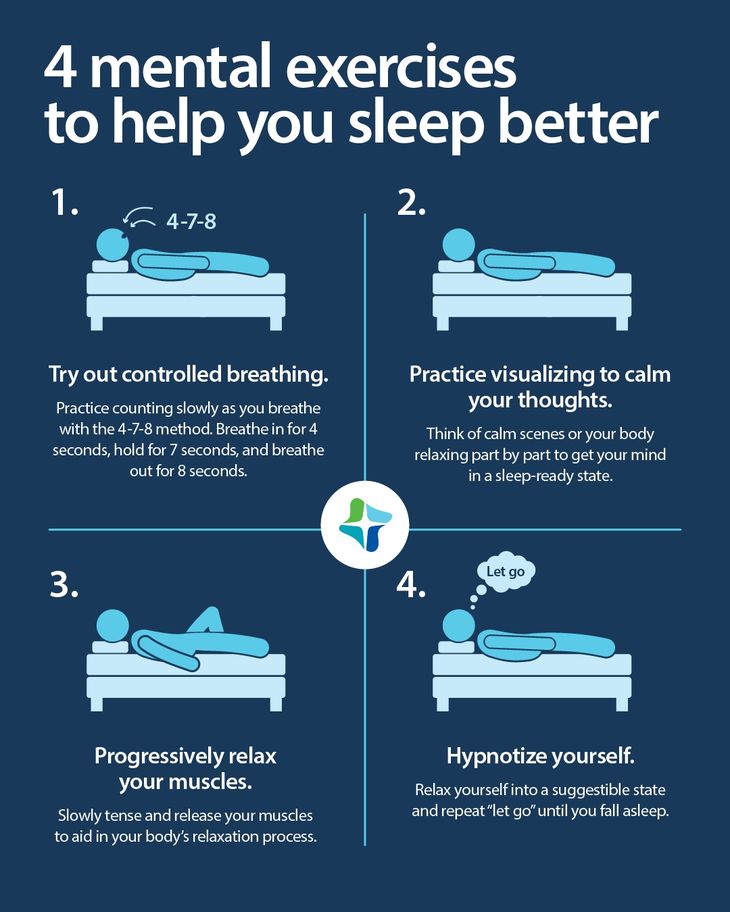
Developing a soothing pre-sleep routine is highly effective for preparing your cardiovascular system for rest.
Engaging in light stretching, journaling, or deep breathing exercises helps lower your resting heart rate.
These activities stimulate the vagus nerve, which triggers your body’s natural relaxation response.
You should aim to start these calming practices about one hour before your target bedtime.
Avoiding intense mental work or highly stimulating entertainment is essential during this winding-down phase.
Your Herz P1 Smart Ring will show the immediate benefits of these rituals in your overnight HRV scores.
High-performance tracking allows you to see how quickly your heart enters a restful state.
This visual proof of recovery is highly motivating and reinforces healthy lifestyle choices.
Over time, these relaxing habits will make falling asleep a smooth and effortless transition.
Consistent practice builds a powerful biological cue that prepares your brain for deep restoration.
Overcoming Wearable Pitfalls: Choosing Comfort Over Bulk
Many health-conscious individuals make the mistake of wearing large, heavy smartwatches to bed.
These bulky devices often press uncomfortably into your skin, causing micro-awakenings throughout the night.
They also require frequent, daily charging, which leads to major gaps in your sleep history.
Furthermore, several premium wearable brands charge ongoing monthly subscription fees to access your own biometric data.
This hidden cost can add hundreds of dollars to your overall investment over a few years.
The Herz P1 Smart Ring completely eliminates these common frustrations.
Crafted from military-grade steel and weighing only a few grams, it is exceptionally comfortable for 24/7 wear.
Its long-lasting six-day battery charges fully in less than an hour, minimizing any tracking interruptions.
Most importantly, the companion app is entirely free for life, with absolutely no monthly subscriptions required.
This commitment to transparent value ensures you can focus entirely on improving your health without financial worry.
Herz P1 vs. Leading Wearables Comparison
| Feature / Benefit | Herz P1 Smart Ring | Traditional Smartwatches |
|---|---|---|
| Monthly Fee | $0 (Free App for Life) | Often requires $5.99–$9.99/mo |
| Wearing Comfort | Ultra-lightweight, 24/7 seamless fit | Bulky, heavy, restricts sleep movement |
| Battery Life | Up to 6 days | Often requires daily charging (1-2 days) |
| Material | Military-grade durable steel | Fragile plastic or glass watch face |
| Waterproof Rating | IP68 certified protection | Varies, often restricted in hot showers |
Frequently Asked Questions
Is the Herz P1 Smart Ring fully waterproof?
Yes, the Herz P1 Smart Ring features an exceptional IP68 waterproof rating.
This military-grade standard certifies that the device is fully protected against dust and continuous water immersion.
You can safely wear it while swimming, showering, washing your hands, or sweating during intense workouts.
It is designed to withstand depths of up to 164 feet, making it perfect for water sports enthusiasts.
The seamless outer shell prevents any moisture from reaching the sensitive internal optical sensors.
Unlike bulky watches that can trap water against your skin, the ring’s sleek profile dries quickly and cleanly.
This ensures that your continuous biometric tracking remains uninterrupted regardless of your environment.
You can enjoy your active lifestyle with complete peace of mind, knowing your ring is built to endure.
How long does the battery last on a single charge?
The Herz P1 Smart Ring is equipped with a highly efficient battery that lasts up to six days of continuous use.
This impressive performance is made possible by our advanced low-energy Bluetooth processing technology.
You will not need to worry about bringing a charger along for short weekend trips or busy work weeks.
When the battery eventually runs low, it charges fully from zero to one hundred percent in under one hour.
This fast-charging capability ensures you never have to miss out on valuable sleep or stress tracking data.
The companion app will send a gentle notification to your phone when it is time to charge your ring.
This eliminates the constant battery anxiety associated with typical smartwatches that require daily charging.
Our long-lasting power design makes consistent, round-the-clock health monitoring simple and hassle-free.
Which finger is best to wear the smart ring on?
For the most accurate biometric readings, we recommend wearing the Herz P1 Smart Ring on your index finger.
The index finger generally contains the highest density of superficial blood vessels, which improves PPG sensor performance.
If you prefer a different option, the middle and ring fingers are also excellent choices for daily wear.
It is highly recommended to wear the ring on your non-dominant hand to minimize physical wear and tear.
The most important factor is ensuring a snug, comfortable fit that prevents the ring from rotating excessively.
If the ring is too loose, the optical sensors may lose contact with your skin during movement.
Our complimentary sizing kit helps you test different sizes to find the absolute perfect fit before ordering.
Finding the right balance of comfort and security is the key to unlocking highly reliable health data.
Does the Herz P1 Smart Ring store data when offline?
Yes, the Herz P1 Smart Ring features a robust local memory chip that stores up to seven days of biometric data offline.
You do not need to keep your smartphone nearby or have an active internet connection to track your health.
The ring will continuously record your heart rate, sleep stages, and oxygen levels in the background.
Once you open the companion app and reconnect via Bluetooth, all stored data syncs automatically to your dashboard.
This offline capability is ideal for digital detoxes, remote outdoor adventures, or sleeping without your phone nearby.
It ensures that your continuous progress trends remain complete and uninterrupted even during travel.
Your personal biometric data is safely stored on the device until the secure synchronization process begins.
This reliable data preservation is a major advantage of our advanced hardware engineering.
Conclusion: Start Realigning Your Biological Clock Today
Fixing social jetlag is an achievable goal when you align your daily habits with your body’s natural rhythms.
The Herz P1 Smart Ring is your ultimate companion, offering subscription-free tracking, a two-year warranty, and unmatched comfort.
Ready to monitor your health every day? Explore the Herz P1 Smart Ring and see if it fits your lifestyle. Call: 1-866-479-1629 — our team can help you advise on the correct ring size and set personalized health goals.
Note: Individual results may vary depending on individual health conditions, age, and lifestyle habits. This article is intended for general health reference purposes only.
