

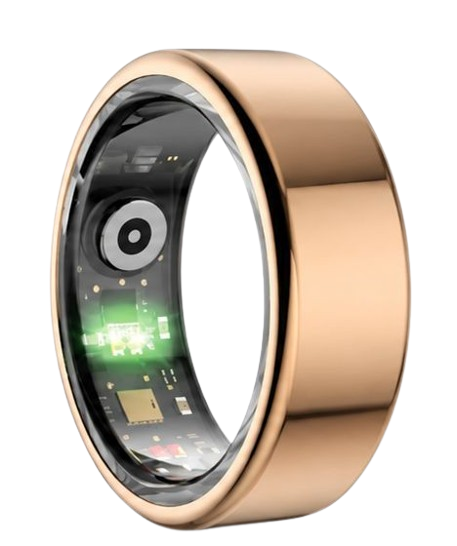
When facing acute daily stress, you may wonder: does adrenaline raise blood sugar? Clinical studies confirm that acute surge events can spike blood glucose levels by up to 40 mg/dL within minutes. Tracking these underlying stress signals requires precision. The Herz P1 Smart Ring offers a military-grade, subscription-free health companion to monitor these vital physiological responses in real time.
Built to Last. Save Up to 69% Today.
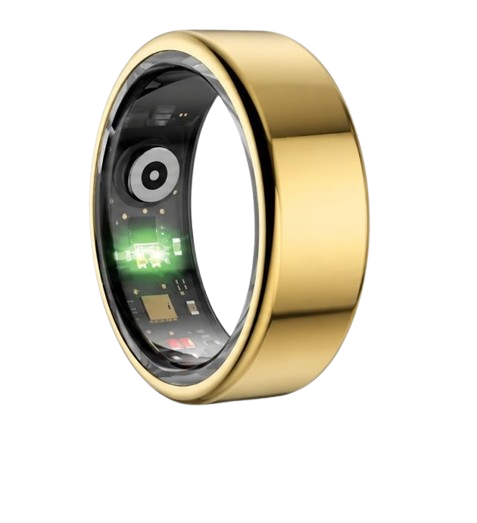
The Herz P1 Smart Ring tracks HRV, Sleep, Heart Rate & SpO2 around the clock. No subscriptions. No renewals. Ever.
In This Article
- Step-by-Step Stress Glucose Management: A clear, actionable guide to reducing daily blood sugar spikes naturally.
- The Deep Science of Adrenaline: Discover the biological mechanisms that turn acute stress into elevated bloodstream glucose.
- Hormonal Interplay: Learn how epinephrine and cortisol work together to disrupt your insulin response.
- Proactive Biometric Monitoring: How smart wearable technology can identify hidden stress spikes before they harm your metabolism.
How to Mitigate and Prevent Stress-Induced Glucose Spikes: A Step-by-Step Guide

Prerequisites / What You’ll Need
To successfully manage your glucose levels, you will benefit from a few essential tools.
First, obtain a reliable baseline tracking method, such as a continuous glucose monitor (CGM) or a standard finger-prick blood glucose kit.
Second, you will need a dedicated biometric wearable to capture real-time cardiovascular responses.
Finally, keep a simple physical journal or digital notebook to correlate life events with your recorded data spikes.
-
Step 1: Identify Your Personal Stress Triggers
Begin by keeping a diligent daily log of every situation that causes your body to tense up or feel anxious.
Notice your physiological reactions, such as a sudden racing pulse, cold hands, or shallow chest breathing.
Record the exact times of day when your workload, family responsibilities, or environmental noise levels peak.
You must compare these journal logs directly with any sudden shifts in your cardiovascular metrics or glucose levels.
Practical Tip: Focus heavily on recurring weekly patterns, such as high-stakes office meetings or your morning driving commute.
-
Step 2: Track Your Daily Heart Rate Variability (HRV)
Open your biometric companion application each morning to evaluate your autonomic nervous system status.
Watch for any significant drops in your daily Heart Rate Variability score over consecutive days.
You must also monitor your resting heart rate during quiet moments of the morning.
A sudden rise in resting heart rate combined with a plummeting HRV indicates that your body is in an active fight-or-flight state.
Practical Tip: If your resting heart rate is consistently elevated by ten beats per minute, your body is highly primed for a stress glucose spike.
-
Step 3: Implement Immediate Vagal Nerve Stimulation
The moment you detect a stressful situation, begin structured deep breathing exercises immediately.
Use the box-breathing technique by inhaling slowly for four seconds, holding for four seconds, and exhaling for four seconds.
This deliberate physical practice actively stimulates your vagus nerve to send calming signals to your heart.
By slowing your heart rate, you help block the continuous release of excess adrenaline from your adrenal glands.
Practical Tip: Just two minutes of deep, rhythmic abdominal breathing can significantly lower your circulating stress hormone levels.
-
Step 4: Engage in Low-Intensity Physical Activity
Commit to a brief ten-minute walk immediately following a highly stressful encounter or heated argument.
Gentle muscular movement allows your skeletal muscles to absorb excess circulating glucose directly from your bloodstream.
This metabolic uptake occurs naturally without requiring additional insulin secretion from your struggling pancreas.
Avoid highly intense workouts during times of severe emotional strain, as heavy exercise can actually worsen an epinephrine-driven glucose surge.
Practical Tip: A slow, rhythmic walk outdoors is far more effective for lowering acute glucose than a grueling session of heavy weightlifting.
-
Step 5: Prioritize Quality Sleep to Restore Insulin Sensitivity
Target a consistent schedule of seven to eight hours of high-quality, uninterrupted rest every single night.
Poor sleep quality directly elevates your morning cortisol levels and severely impairs your cellular insulin function.
Track your overnight deep sleep and REM sleep phases closely to ensure your brain undergoes complete restorative cycles.
Consistent, deep sleep acts as a powerful natural shield against exaggerated daytime glucose spikes caused by daily frustrations.
Practical Tip: Keep your sleeping environment completely dark, silent, and cool to maximize your total deep sleep duration.
The Herz P1 Smart Ring is your ultimate ally in executing this stress-management protocol.
It seamlessly monitors your overnight sleep architecture, baseline HRV trends, and daily stress indexes with clinical-grade accuracy.
You can easily view these highly detailed metrics on our free mobile app without ever worrying about monthly subscription costs.
90-Day 100% Money-Back Guarantee
“The Herz Smart Ring helps me manage stress easily. It’s accurate, stylish, and lightweight—perfect for my busy life!”
— Jennifer P. | ✔ Verified Customer
- ✓ 6-Day Battery Life
- ✓ Detailed Sleep Analysis
- ✓ Fast 1-Hour Charging
- ✓ iOS & Android Ready
Questions? Call: 1-866-479-1629
The Physiological Link: Does Adrenaline Raise Blood Sugar?

To answer the fundamental question clearly: yes, adrenaline absolutely raises blood sugar levels through a highly coordinated, rapid survival mechanism.
When your brain perceives any form of physical danger or severe psychological threat, it immediately fires signals down your sympathetic nervous system.
This rapid neural pathway commands the adrenal glands to flood your bloodstream with epinephrine, which is the scientific name for adrenaline.
Once released, does adrenaline increase blood sugar by binding directly to beta-2 adrenergic receptors located on the surface of your liver cells?
Yes, this cellular binding immediately activates glycogenolysis, which is the rapid biochemical breakdown of stored glycogen into glucose.
At the exact same time, does epinephrine increase blood glucose by initiating hepatic gluconeogenesis as well?
Indeed, this secondary process causes your liver to manufacture entirely new glucose molecules from lactate, glycerol, and specific amino acids.
The evolutionary purpose of this sudden surge is to provide immediate, easily accessible fuel to your muscles for self-defense or rapid flight.
However, modern psychological worries, such as a difficult work email or financial anxiety, do not require any physical running or fighting.
Because your body does not burn this newly mobilized glucose through physical exertion, the sugar pools directly within your vascular system.
This physiological mismatch leads directly to sharp, unburned adrenaline and blood sugar spikes that can linger in your system for hours.
Simultaneously, the sudden rush of epinephrine blood sugar elevation is worsened because adrenaline inhibits your pancreatic beta cells from releasing insulin.
With insulin release actively blocked, your peripheral muscle and fat tissues cannot absorb the circulating glucose from your bloodstream.
Furthermore, adrenaline stimulates pancreatic alpha cells to secrete glucagon, which further drives up hepatic glucose output.
This highly complex, multi-layered biochemical cascade explains why chronic psychological tension is so incredibly damaging to your overall what is metabolic health.
By utilizing advanced biometric tools, you can easily identify exactly when these silent hormonal storms are beginning to manifest inside your body.
Epinephrine vs. Cortisol: The Dual Hormones of a Stress Glucose Spike
Your body employs a highly sophisticated, two-phased hormonal response to navigate both immediate dangers and ongoing life difficulties.
Epinephrine, or adrenaline, acts as your primary, ultra-fast responder to generate an instantaneous fight-or-flight energy surge.
This rapid hormone operates within seconds of a perceived threat, causing an immediate, notable stress glucose spike.
In contrast, cortisol acts as your slower-moving, secondary responder to sustain your energy levels during prolonged periods of pressure.
Cortisol is a powerful glucocorticoid hormone that raises blood sugar slowly over several hours by altering your baseline metabolic rate.
It achieves this steady rise by making your peripheral tissues highly resistant to the normal clearing effects of insulin.
This means even if your pancreas produces plenty of insulin, your cells cannot easily open their doors to receive glucose.
Elevated cortisol also increases the breakdown of dietary proteins and structural fats to supply more raw building blocks for glucose creation.
If you do not actively learn how to lower cortisol naturally, your resting baseline blood sugar will remain chronically elevated.
This ongoing stress state essentially locks your delicate metabolism into a permanent cycle of low-grade insulin resistance.
Over time, this insulin resistance significantly increases your risk of developing metabolic dysfunction, weight gain, and cardiovascular strain.
Monitoring your internal autonomic balance is key to understanding whether you are suffering from brief adrenaline spikes or chronic cortisol elevation.
A smart health companion like the Herz P1 tracks these changes automatically by constantly analyzing your heart rate variability.
How to Monitor and Analyze Your Body’s Stress Signals

Successfully managing your metabolic health requires accurate, highly personalized data regarding your daily physical stress patterns.
You can learn to anticipate and prevent potential glucose surges by closely monitoring your body’s autonomic nervous system signals.
Utilizing a dedicated smart ring stress tracking system allows you to gather this invaluable bio-data completely around the clock.
The Herz P1 Smart Ring measures highly subtle biometric fluctuations directly from the dense blood vessel networks in your finger.
It uses advanced optical sensors to capture your real-time pulse wave velocity with clinical-grade accuracy.
By constantly analyzing these pulse waves, the companion application calculates your exact Heart Rate Variability (HRV) throughout the day.
You should focus on discovering how to improve hrv to enhance your body’s natural resilience to stress.
A high HRV score indicates a robust, highly active parasympathetic nervous system that can easily calm your heart down.
On the other hand, a plummeting HRV score suggests that adrenaline is beginning to dominate your autonomic nervous system.
When you see your real-time stress index rise on your app dashboard, take it as an immediate cue to rest.
This timely biological warning allows you to intervene and blunt an impending stress glucose spike before it physically occurs.
Consistently reviewing these daily trends helps you construct a highly effective, personalized strategy for long-term health optimization.
Common Mistakes in Managing Stress and Metabolic Health
Many health-conscious individuals make the critical mistake of wearing heavy, uncomfortable smartwatches to sleep every night.
These bulky wrist-worn devices can easily irritate your skin, shift during movement, and frequently disrupt your deep sleep cycles.
This sleep disruption then triggers a compensatory release of excess cortisol and adrenaline early the following morning.
Consequently, trying to track your health with an uncomfortable device can actually cause the very glucose spikes you want to avoid.
Another major pitfall is falling into expensive monthly app subscription traps designed by major wearable brands.
Many popular health trackers lock your vital biometric history and personalized stress insights behind premium paywalls.
At Herz P1, we believe that your personal health data should belong entirely to you without any ongoing costs.
Our companion application is completely free for life, providing full access to all sleep, heart, and stress metrics.
We also protect your wellness investment with an industry-leading, comprehensive two-year hardware warranty.
Additionally, we offer a worry-free 90-day money-back guarantee so you can test our ring completely risk-free.
Our military-grade steel ring is incredibly durable, lightweight, and boasts a certified IP68 waterproof rating.
You can wear it confidently while washing dishes, swimming laps, or relaxing in a hot sauna without any tracking interruptions.
Frequently Asked Questions About Adrenaline and Blood Sugar
Is the Herz P1 Smart Ring completely waterproof?
Yes, the Herz P1 features a certified IP68 waterproof rating for maximum environmental protection.
You can safely submerge the ring in fresh or saltwater up to a depth of 164 feet without damaging any internal components.
This robust engineering makes it perfect for lap swimming, hot showers, sweaty workouts, and daily hand washing.
Our military-grade steel outer shell ensures the internal optical sensors remain completely sealed and protected at all times.
How long does the battery last on a single charge?
The highly efficient micro-battery inside the Herz P1 provides up to six full days of continuous 24/7 biometric tracking.
When it is time to recharge, the ring reaches a full one hundred percent charge in under an hour using the included magnetic dock.
This exceptional battery life ensures you can track your sleep architecture every single night without annoying disruptions.
You no longer have to deal with the daily charging anxiety associated with typical high-end smartwatches.
Which finger is the best option for wearing the smart ring?
We highly recommend wearing the Herz P1 Smart Ring on your index, middle, or ring finger for the most accurate readings.
These three fingers contain the highest blood vessel density near the skin surface, which optimizes the optical sensor performance.
Ensure the ring fits snugly against the base of your finger without sliding around too easily during daily activities.
A comfortable, secure fit is essential for capturing clean, reliable Heart Rate Variability and oxygen saturation metrics.
Does the Herz P1 store my health data offline?
Yes, the Herz P1 is equipped with secure onboard memory that safely stores up to seven days of local biometric data.
The ring will automatically transfer and organize all your offline logs once it reconnects to your phone via Bluetooth.
This means you can easily leave your smartphone behind during outdoor runs, swimming sessions, or overnight sleep.
Your vital health trends are always preserved and protected from data loss, even during extended phone-free periods.
Conclusion
Managing daily stress is the key to protecting your metabolic health.
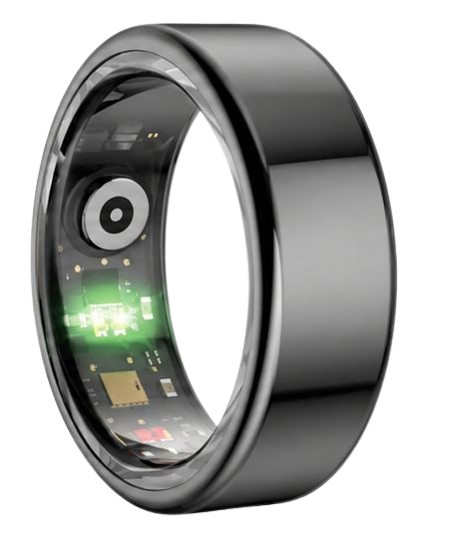
The Herz P1 Smart Ring delivers the subscription-free tracking you need to conquer adrenaline spikes.
Explore the Herz P1 Smart Ring today to start tracking.
Call: 1-866-479-1629 — our team is ready to help you choose the perfect size and set clear wellness goals.
Note: Individual results may vary depending on individual health conditions, age, and lifestyle habits. This article is intended for general health reference purposes only.
