

Clinical data confirms that psychological stress triggers immediate autonomic shifts, causing glucose levels to surge by up to 30% in healthy adults. Understanding how adrenaline and blood sugar spikes are linked is vital for anyone looking to manage their daily physical energy levels. The Herz P1 Smart Ring offers a subscription-free way to monitor these subtle physiological changes in real time. Let us explore the biological pathways that connect mental stress with metabolic spikes and discover how tracking these events can help you reclaim control over your body’s wellness trends.
Built to Last. Save Up to 69% Today.
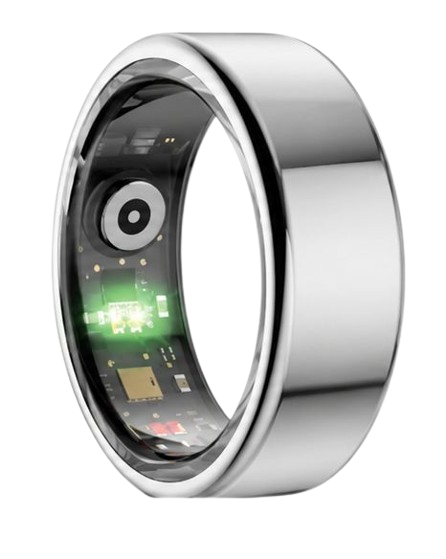
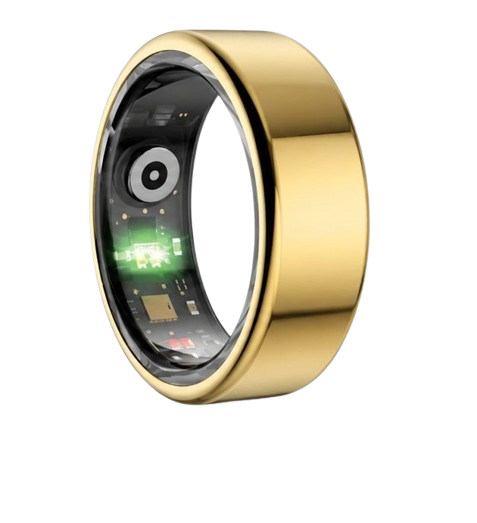
The Herz P1 Smart Ring tracks HRV, Sleep, Heart Rate & SpO2 around the clock. No subscriptions. No renewals. Ever.
In This Article
- Autonomic Management: Learn how to lower acute physical stress spikes using a structured biometric tracking routine.
- Physiological Pathways: Understand the biochemical link between fight-or-flight hormones, the liver, and systemic glucose regulation.
- Data Interpretation: Discover how heart rate variability (HRV) serves as a proxy marker for systemic autonomic balance.
- Mitigating Error: How to wear and use your smart ring properly to avoid compromised data trends.
How to Manage Stress-Induced Glucose Spikes: A Practical Step-by-Step Guide

Prerequisites and Preparatory Steps
Before attempting to regulate stress-induced metabolic spikes, you must establish a reliable biometric baseline.
Make sure you have access to a continuous tracking device capable of reading heart rate variability trends every few minutes.
Ensure that you have logged your typical resting metrics during at least three consecutive nights of restful sleep.
Keep a simple digital or physical notepad handy to record sudden changes in your mental state throughout the day.
Step 1: Monitor HRV and Autonomic Markers Continuously
Your nervous system communicates strain long before your mind registers emotional overwhelm.
Check your wearable device to see if your real-time heart rate variability values are dropping below your personal rolling average.
A lower HRV score indicates that your sympathetic nervous system is dominating your physiology.
Identify these biometric drops as potential windows where your liver might begin releasing excess glucose.
Do not wait for anxiety to set in before taking note of these underlying physiological trends.
Step 2: Identify the Exact Nature of the Stress Trigger
Determine whether your current physical reaction stems from cognitive strain or physical exhaustion.
Mental stressors, such as an intense work email or public speaking, trigger the same survival mechanisms as physical danger.
Acknowledge that your body is initiating a fight-or-flight response based on this perceived threat.
Label the trigger clearly in your mind to reduce its psychological impact.
This cognitive labeling helps put the brakes on runaway hormone secretion.
Step 3: Implement Vagal Nerve Stimulation Breathing Techniques
You can actively suppress acute hormonal surges by engaging your parasympathetic nervous system.
Begin a deliberate box-breathing cycle by inhaling through your nose for four slow seconds.
Hold your breath comfortably at the top for another four seconds.
Exhale completely through your mouth over a six-second period to maximize vagal tone.
Repeat this structured breathing sequence for at least three to five minutes.
Watch for your real-time pulse rate to stabilize as your nervous system recovers from the initial shock.
Step 4: Engage in Light, Non-Strenuous Physical Activity
Once adrenaline has caused a sugar surge, your muscles need to utilize that circulating glucose.
Avoid high-intensity workouts during an active stress event, as heavy lifting can worsen the hormonal spike.
Instead, embark on a gentle fifteen-minute walk around your office or neighborhood.
This low-impact movement allows skeletal muscles to absorb glucose without requiring a corresponding surge of insulin.
This pathway helps clear excess sugars from your bloodstream naturally and efficiently.
Step 5: Document the Recovery Phase and Refine Your Strategy
Observe how long it takes for your biometric markers to return to their normal resting baselines.
Log the specific breathing or somatic exercise you performed in your tracking software.
Compare different stress events to see which calming interventions yield the fastest metabolic recovery.
Share these trends with your health advisor to tailor your long-term wellness habits.
Consistency in tracking is the key to mastering your body’s stress responses over time.
The Herz P1 Integration Advantage
The Herz P1 Smart Ring makes executing this steps-based approach exceptionally straightforward.
By measuring your vital metrics continuously, it provides the precise feedback loop needed to master your autonomic trends.
You can quickly open the free mobile app to verify if your breathing drills are successfully raising your HRV.
Discover how the Herz P1 Smart Ring supports your daily stress management routines without any subscription barrier.
90-Day 100% Money-Back Guarantee
“The Herz Smart Ring helps me manage stress easily. It’s accurate, stylish, and lightweight—perfect for my busy life!”
— Jennifer P. | ✔ Verified Customer
- ✓ 6-Day Battery Life
- ✓ Detailed Sleep Analysis
- ✓ Fast 1-Hour Charging
- ✓ iOS & Android Ready
Questions? Call: 1-866-479-1629
The Biology of Fear: How Epinephrine and Stress Cause Blood Sugar Spikes

The Neuroendocrine Pathway of Sympathetic Activation
When you encounter a sudden stressor, your brain sends a rapid distress signal to your adrenal glands.
This process results in an immediate release of catecholamines, specifically epinephrine, into your bloodstream.
You may wonder, does adrenaline raise blood sugar during these brief high-pressure moments?
The answer lies in how epinephrine blood sugar dynamics work together to mobilize energy.
Epinephrine travels straight to your liver, where it acts as a chemical key to unlock stored energy reserves.
This action forces your liver to convert glycogen back into glucose through a process called glycogenolysis.
At the same time, the hormone promotes gluconeogenesis, which creates brand-new glucose from non-carbohydrate sources.
This rapid flooding of sugar into your vessels is what scientists refer to as a stress glucose spike.
It is an evolutionary survival mechanism designed to feed your muscles during physical combat.
However, when your stress is caused by a workplace meeting rather than physical danger, that glucose remains unused.
The Consequences of Chronic Epinephrine Release
Repeated stress events can lead to persistent elevations of adrenaline and blood glucose levels.
When epinephrine remains high, it actively prevents your pancreas from releasing adequate insulin.
This hormonal blockade ensures that sugar stays in your blood to support your fight-or-flight response.
Over time, your body’s cells can become less responsive to insulin due to this constant biological pressure.
If you regularly ask, does adrenaline increase blood sugar, you must look at how chronic strain wears down your pancreas.
Persistent elevations in circulating glucose can lead to vascular inflammation and metabolic fatigue.
This is why understanding what is metabolic health is so critical for modern professionals.
By protecting your body from these constant hormonal surges, you support long-term energy balance.
Tracking these hidden trends gives you the insights needed to protect your cellular sensitivity.
Decoding Your Biometric Feedback: HRV and Heart Rate Under Acute Stress
Understanding Autonomic Balance Through HRV Trends
Your heart does not beat in a perfectly rigid, metronomic pattern when you are in a healthy state.
Instead, the time interval between your heartbeats varies continuously based on your autonomic balance.
You can learn more about these cardiac variations by checking a comprehensive resting heart rate guide.
When you are relaxed, your parasympathetic branch creates high beat-to-beat variability.
Conversely, when adrenaline surges, your sympathetic branch dominates and reduces this vital variation.
This is why tracking your heart rate variability is the most reliable way to monitor daily stress levels.
If you notice your numbers dropping consistently, you need to learn how to improve hrv through lifestyle changes.
Consistently low variability suggests your body is stuck in a chronic state of emergency.
This state is highly likely to trigger regular glucose releases from your liver.
Monitoring these patterns allows you to step in before metabolic fatigue sets in.
The Science of Advanced Wearable Stress Tracking
Modern biometric sensors make it possible to observe these invisible nervous system patterns around the clock.
Unlike old-fashioned monitors, a modern smart ring stress tracking system fits seamlessly into your daily life.
These devices utilize highly sensitive optical sensors to measure blood volume changes at the base of your finger.
By capturing these pulses thousands of times per minute, they calculate your autonomic stress index.
This indices show you exactly when your body is experiencing a fight-or-flight response.
These real-time alerts let you know when to apply deep-breathing techniques to lower your adrenaline.
The clinical correlation between low HRV and elevated glucose is well-documented in sports science literature.
By keeping your nervous system in a balanced state, you protect your body from unnecessary blood sugar surges.
Understanding this data is the first step toward building a highly resilient metabolism.
Leveraging Biometric Wearables to Control Adrenaline Release

Navigating the Wearable Companion App Dashboard
To get the most out of your health tracker, you must check your baseline metrics every morning.
Open the mobile app and look for your overnight recovery score first thing in the morning.
Your sleeping heart rate and breathing trends will show you if your body recovered from yesterday’s stressors.
If your sleep was disrupted, your nervous system will be more sensitive to adrenaline spikes during the day.
Use the stress tracking tab to monitor your real-time autonomic balance during busy working hours.
If you see a sudden rise in your stress score, consider taking a brief break to calm your mind.
You can also check your weekly reports to discover if your overall nervous system health is improving.
Consistent tracking helps you find which stress management habits are most effective for your body.
Implementing Natural Stress-Reduction Protocols
When your tracker warns you of high stress levels, you must take active steps to calm your system.
You can learn how to lower cortisol naturally by incorporating restorative somatic habits into your day.
Spend five minutes practicing mindfulness or gentle stretching during stressful work afternoons.
Avoid drinking excess caffeine when your metrics already indicate a high state of alertness.
Instead, choose herbal teas and ensure you stay well-hydrated to help clear stress hormones.
Go to bed at the same time each night to support your natural circadian rhythms.
Getting deep, restorative sleep is one of the best ways to keep your hormone levels balanced.
Over time, these simple habits will help lower both your adrenaline levels and your blood sugar spikes.
Common Pitfalls in Stress and Glucose Management
The Discomfort and Clutter of Bulky Smartwatches
Many health-conscious individuals struggle to track their metrics consistently because their devices are too bulky.
Wearing a heavy smartwatch to bed can irritate your wrist and disrupt your natural sleep cycles.
If your sleep tracker is uncomfortable, you are much more likely to leave it on your nightstand.
This leads to gaps in your data, making it difficult to spot long-term health trends.
A lightweight smart ring offers a highly comfortable alternative that you can easily wear 24/7.
This allows you to collect accurate biometric data during both active days and restful nights.
The Hidden Strain of Expensive Monthly App Subscriptions
Another common issue in the wearable market is the ongoing cost of subscription paywalls.
Many popular wellness trackers require you to pay a monthly fee to view your own health data.
These recurring costs can make managing your metabolic well-being feel like an expensive chore.
We believe that you should have complete, lifetime access to your biometric information without any hidden fees.
The Herz P1 Smart Ring companion app is entirely free to use, with no subscription requirements ever.
This guarantees that you can monitor your recovery trends without worrying about unexpected monthly charges.
Frequently Asked Questions About Stress, Biometrics, and Smart Rings
Is the Herz P1 Smart Ring waterproof enough for daily wear and swimming?
Yes, the Herz P1 is fully certified with an IP68 waterproof rating.
This means it can withstand continuous submersion in water up to 164 feet deep.
You can safely wear the ring while washing your hands, showering, swimming, or enjoying a hot sauna.
The seamless outer design prevents moisture from entering and damaging the sensitive internal sensors.
How long does the battery last and how quickly does it charge?
The smart ring features an impressive battery life that lasts up to 6 days on a single charge.
This long-lasting battery life means you don’t have to worry about charging it every single night.
When the battery does run low, you can charge it back to 100% in less than an hour.
This quick charging time helps ensure you never miss out on tracking important overnight health data.
Which finger is best to wear the smart ring on for maximum accuracy?
For the most accurate biometric readings, we recommend wearing the ring on your index finger.
The index finger has a rich network of superficial blood vessels that are easy for the optical sensors to read.
You can also wear the ring on your middle or ring finger if that feels more comfortable for you.
Just ensure the ring fits snugly without rotating too easily to maintain consistent contact with your skin.
Does the Herz P1 store my health data offline when my phone is disconnected?
Yes, the ring has secure built-in storage that can hold up to 7 days of biometric data offline.
You do not need to keep your smartphone nearby or connected to Bluetooth at all times.
The ring will continuously track your heart rate, HRV, sleep, and stress levels on its own.
Once you open the app, your stored data will sync automatically to your personal health dashboard.
Conclusion: Your Subscription-Free Wellness Journey Starts Here
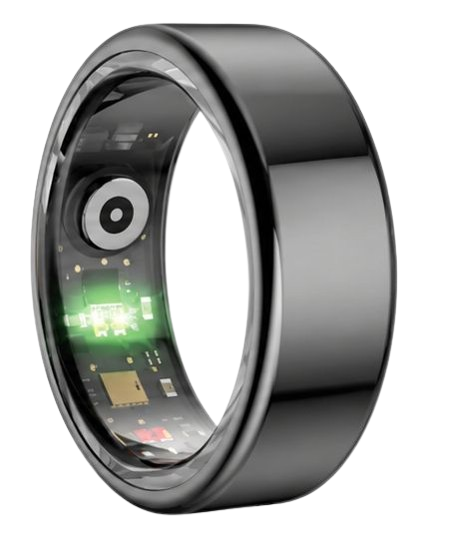
Tracking your autonomic metrics is the first step toward reclaiming your metabolic health and minimizing stress-induced surges. The Herz P1 Smart Ring provides the precise, subscription-free data you need to make informed wellness adjustments every day.
Ready to monitor your health every day? Explore the Herz P1 Smart Ring and see if it fits your lifestyle. Call: 1-866-479-1629 — our team can help you advise on the correct ring size and set personalized health goals.
