

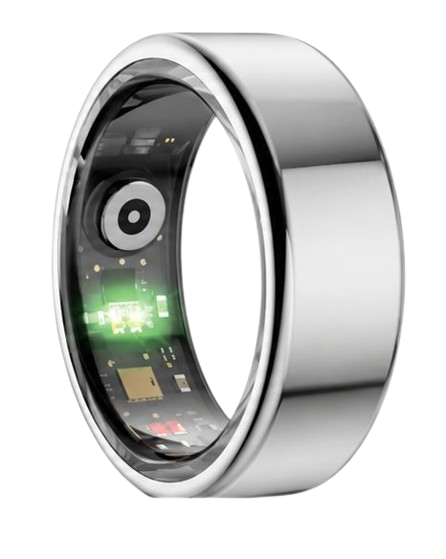
Paying close attention to your body changes is essential, especially when you notice your resting heart rate when sick rising above normal levels. At Team Herz P1, we believe that understanding these vital signals can empower you to take control of your recovery. Our premium Herz P1 Smart Ring continuously tracks your biometric data without any monthly subscription fees, ensuring you always know where your health stands as your body fights off infection.
Built to Last. Save Up to 69% Today.
The Herz P1 Smart Ring tracks HRV, Sleep, Heart Rate & SpO2 around the clock. No subscriptions. No renewals. Ever.
In This Article
- Why Your Heart Rate Climbs When Sick: A complete breakdown of how your immune response elevates your baseline pulse.
- Resting Heart Rate and Smart Ring Tracking: How wearable sensors capture early physiological shifts before you feel symptoms.
- Deep-Dive on Recovery Metrics: Understanding Heart Rate Variability (HRV) and blood oxygen saturation trends.
- Practical App Integration: How to monitor and leverage your recovery data using the Herz P1 Smart Ring.
Why Is Your Resting Heart Rate Higher When Sick? The Science Explained
Your body is a highly complex, interconnected network that constantly strives for biological balance.
When an illness or pathogen enters this system, your internal defenses must react immediately.
This defense mechanism explains why you experience a resting heart rate higher when sick.
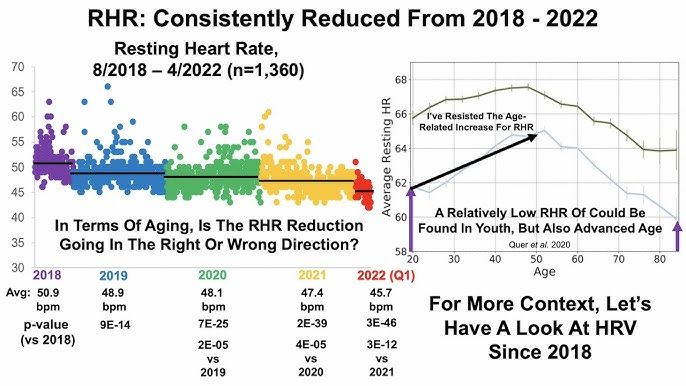
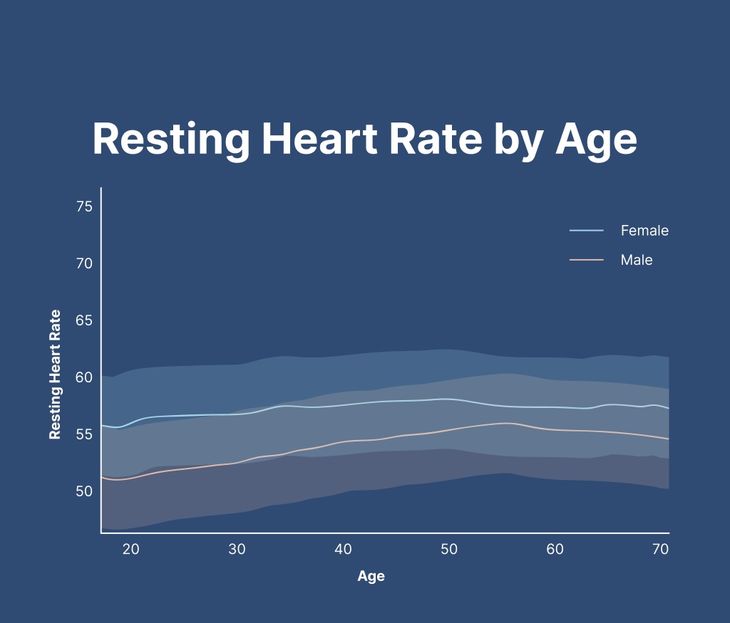
Essentially, resting heart rate represents the baseline speed at which your heart beats when you are completely relaxed.
According to the American Heart Association, a normal adult resting heart rate usually sits between 60 and 100 beats per minute.
However, when you are fighting off an infection, your body undergoes a profound metabolic shift.
This shift affects everyone, including busy office workers, fitness enthusiasts, and senior citizens alike.
The timing of this cardiac shift is incredibly precise.
You will often see an elevated sick resting heart rate up to 24 to 48 hours before you even begin coughing or sneezing.
This early warning occurs because your immune response works tirelessly behind the scenes long before physical symptoms manifest.
On a cellular level, your immune system releases specialized proteins called cytokines to coordinate the defense.
These cytokines signal your brain to raise your body temperature, resulting in a fever.
To generate and distribute this heat, your metabolic rate must increase dramatically.
The sympathetic branch of your autonomic nervous system steps in to accelerate your heart rate.
By pumping blood faster, your cardiovascular system delivers vital white blood cells and oxygen to the areas under attack.
This explains the physical mechanism of your resting heart rate while sick.
Quantitative data shows that for every 1 degree Fahrenheit increase in body temperature, your heart rate rises by about 8 to 10 beats per minute.
If you develop a mild fever of 101 degrees Fahrenheit, your baseline heart rate could easily jump by 15 to 20 beats per minute.
This is why keeping a close eye on your cardiovascular metrics is so crucial for recovery.
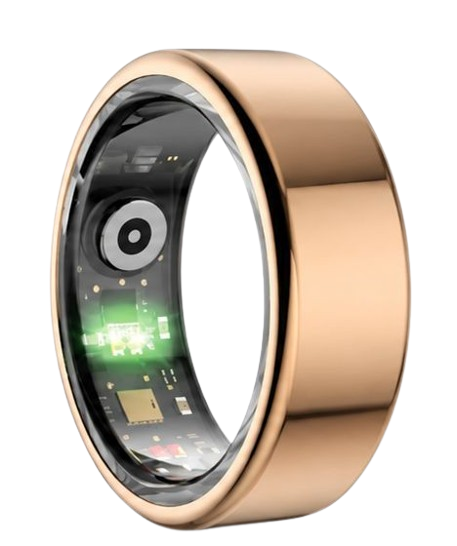
If you want to track this in real time, the Herz P1 Smart Ring monitors resting heart rate 24/7 — explore it here.
90-Day 100% Money-Back Guarantee
“The Herz Smart Ring helps me manage stress easily. It’s accurate, stylish, and lightweight—perfect for my busy life!”
— Jennifer P. | ✔ Verified Customer
- ✓ 6-Day Battery Life
- ✓ Detailed Sleep Analysis
- ✓ Fast 1-Hour Charging
- ✓ iOS & Android Ready
Questions? Call: 1-866-479-1629
Deciphering the Physiological Metrics: HRV, SpO2, and Your Sick Resting Heart Rate
When evaluating a sick resting heart rate, looking at beats per minute alone only tells part of the story.
Your body also expresses its state of stress through Heart Rate Variability, or HRV.
HRV measures the tiny, millisecond-level differences in time between each consecutive heartbeat.
A high HRV indicates a well-rested, highly adaptable autonomic nervous system.
Conversely, you may experience a low hrv while sleeping when your immune system is actively fighting an illness.
This sudden drop in variability happens because the sympathetic system dominates your body to drive the recovery process.
Understanding how to improve hrv through strategic rest can significantly speed up your return to baseline health.
Alongside HRV, blood oxygen saturation, or SpO2, serves as another critical metric of your physical state.
Respiratory infections can interfere with your lungs’ ability to transfer oxygen into your bloodstream efficiently.
A healthy person usually maintains an SpO2 level between 95% and 100%.
If you see your SpO2 drop while your heart rate climbs, your cardiovascular system is working overtime to compensate for lower oxygen levels.
This combination of high heart rate and low SpO2 is a classic physiological sign of mild physical distress.
Furthermore, illness severely alters your sleep architecture.
Your body relies heavily on deep sleep to release growth hormones that rebuild damaged cells and tissue.
We must also examine how sleep supports immune system function through the production of infection-fighting antibodies.
However, a high heart rate during sleep can prevent you from spending enough time in these restorative deep stages.
By tracking these multi-dimensional metrics, you get a complete, scientifically validated picture of your physical status.
The Smart Ring Advantage: Tracking Recovery Trends Over Time
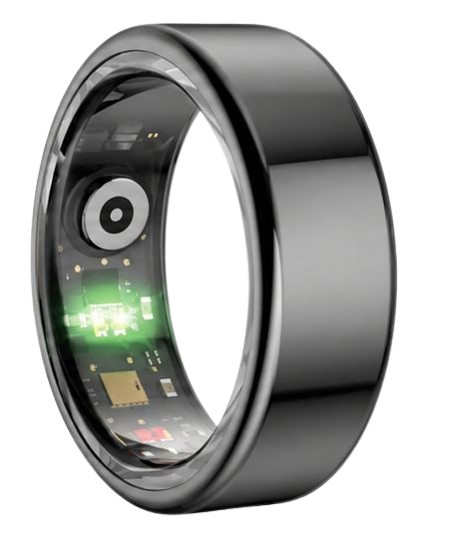
You might wonder why a smart ring is the ultimate tool for monitoring your resting heart rate when sick.
Smartwatches are often bulky, heavy, and uncomfortable to wear while sleeping, especially when you are already restless and feverish.
In contrast, a smart ring sits comfortably on your finger, where the digital blood vessels are highly accessible.
The blood vessels in your fingers are much closer to the skin’s surface than the blood vessels in your wrist.
This structural advantage allows optical PPG sensors to capture a much cleaner, more accurate pulse signal.
The Herz P1 Smart Ring utilizes advanced multi-wavelength optical sensors to scan your biometrics continuously.
This ensures that your daily readiness score is calculated using pristine, high-fidelity biological data.
A readiness score combines your resting heart rate, HRV, sleep quality, and skin temperature trends to tell you exactly how much physical strain your body can handle.
When you are falling ill, this score drops sharply, signaling you to rest before you consciously feel sick.
This proactive insight helps you avoid overexertion, which can prolong your illness or cause a relapse.
Additionally, tracking these patterns can help you understand your overall cardiovascular age and general cardiac resilience over the long term.
Unlike other premium wearables on the market, the Herz P1 provides this sophisticated level of analysis without charging any monthly app subscription fees.
Our ring is built with military-grade steel, making it incredibly durable and highly resistant to daily wear and tear.
It also carries an IP68 waterproof rating, allowing you to wash your hands or take hot showers without ever removing your tracker.
With a 2-year warranty and a 90-day money-back guarantee, you can monitor your health with complete peace of mind.
How to Read Illness Recovery Trends on the Herz P1 Companion App
Reading your biometric data on the free Herz P1 companion app is straightforward and intuitive.
First, open the application on your iOS or Android smartphone to view your daily dashboard.
The main screen displays your heart rate, HRV, and sleep score in clean, easy-to-read charts.
When you are recovering, look closely at your overnight resting heart rate trend line.
A healthy recovery curve shows your heart rate gradually sloping downward, returning to your typical baseline over several days.
If you see your heart rate remain elevated, your body is still actively dealing with residual inflammation.
You can also check the temperature deviation tab in the app.
A sustained positive deviation indicates that your immune system is still keeping your body temperature slightly elevated to clear the virus.
By matching these temperature trends with your heart rate, you can determine exactly when it is safe to return to the gym or resume intense work projects.
The app’s built-in sleep analysis also lets you monitor whether your deep sleep cycles are returning to normal.
As your heart rate decreases, you will notice a corresponding increase in restorative deep sleep phases.
This data-informed approach takes all the guesswork out of managing your physical recovery.
Common Biometric Tracking Mistakes to Avoid When You are Unwell
Many users make simple mistakes that compromise the accuracy of their health data during an illness.
The most common mistake is wearing a heavy, bulky smartwatch to sleep while you are feverish and sweating.
The constant movement of a heavy watch on a restless wrist can create sensor gaps, leading to incomplete sleep data.
A lightweight smart ring, weighing only a few grams, stays securely in place on your finger without causing sleep disruptions.
Another frequent pitfall is ignoring the hidden costs of ongoing monthly app subscriptions.
Many wearable brands lock your historical trends and advanced heart rate recovery data behind expensive monthly paywalls.
With the Herz P1, you have full lifetime access to all of your health metrics with absolutely zero hidden fees.
Additionally, some users panic when they see a sudden spike in their resting heart rate on a single morning.
It is important to remember that heart rate fluctuates naturally due to dehydration, stress, or a poor night’s sleep.
Always look at multi-day rolling averages on your Herz P1 app to identify true physiological trends.
Finally, make sure your ring fits snugly but comfortably around the base of your finger.
If the ring is too loose, external light can leak into the optical sensors, leading to inaccurate readings.
Herz P1 vs. Competitors: A Clear Feature Comparison
To help you make an informed decision, let us compare how the Herz P1 Smart Ring performs against other premium biometric trackers on the market today.
| Feature / Metric | Herz P1 Smart Ring | Standard Smartwatch | Typical Fitness Bands |
|---|---|---|---|
| Monthly Subscription Fee | $0 (Free App Forever) | Varies ($5 – $10/month) | Often required for premium data |
| Sensing Location | Finger Arteries (Superior Signal) | Wrist (Prone to motion errors) | Wrist (Prone to motion errors) |
| Battery Life | 6 Days (Charges in under 1 hour) | 1 – 2 Days (Requires daily charge) | 5 – 7 Days |
| Warranty Protection | 2-Year Warranty | 1-Year Standard | 1-Year Standard |
| Waterproof Rating | IP68 Waterproof | Varies (Often water-resistant only) | Varies |
| Money-Back Guarantee | 90-Day Money-Back Guarantee | 14 – 30 Days typically | 30 Days typically |
As shown in the table, the Herz P1 stands out by delivering top-tier biological tracking without adding any recurring monthly subscription costs to your budget.
This makes it the most cost-effective and reliable health companion for long-term physiological monitoring.
Frequently Asked Questions About Smart Rings and Illness Tracking
Is the Herz P1 Smart Ring waterproof enough for everyday use?
Yes, the Herz P1 Smart Ring features a robust IP68 waterproof rating.
This means you can confidently wash your hands, take hot showers, do the dishes, or swim in pools up to 164 feet without ever needing to remove the device.
It is built to handle moisture and sweat easily, making it the perfect companion for round-the-clock wear, even when you are restless and feverish.
How long does the Herz P1 battery last on a single charge?
Our smart ring is engineered with highly efficient battery technology that lasts up to 6 full days on a single charge.
When the battery runs low, you can charge it back to 100% in under 1 hour using our fast magnetic charging dock.
This long-lasting battery life eliminates the daily charging anxiety associated with traditional smartwatches.
Which finger is best to wear the smart ring on for maximum accuracy?
For the most accurate biometric readings, we recommend wearing the Herz P1 on your index, middle, or ring finger.
These fingers contain a highly concentrated, easily accessible network of blood vessels near the skin’s surface.
Ensure the sensor bumps on the inside of the ring sit comfortably against the palm side of your finger for optimal optical alignment.
Does the Herz P1 store my health data offline if my phone is disconnected?
Yes, the Herz P1 Smart Ring features up to 7 days of local, encrypted offline data storage.
If you sleep without your smartphone nearby or lose Bluetooth connection, the ring continues to track your heart rate, HRV, and sleep stages perfectly.
Once you open the app near your phone, all of your saved biometric data syncs automatically in seconds.
Conclusion: Your Comprehensive Health Companion
Monitoring your resting heart rate when sick provides invaluable insights into your recovery progress.
The Herz P1 Smart Ring offers a comfortable, highly accurate, and subscription-free way to track these essential body signals every day.
Ready to monitor your health every day? Explore the Herz P1 Smart Ring and see if it fits your lifestyle. Call: 1-866-479-1629 — our team can help you advise on the correct ring size and set personalized health goals.
Note: Individual results may vary depending on individual health conditions, age, and lifestyle habits. This article is intended for general health reference purposes only.
