

Understanding the croissant glycemic index is crucial if you want to prevent rapid blood sugar swings and protect your long-term metabolic health. At Team Herz P1, we help you decode these silent body signals with the Herz P1 Smart Ring, a subscription-free wearable designed to monitor your physiological response to everyday dietary choices. Let us explore how this classic French pastry affects your glucose levels and how real-time biometric tracking can transform your wellness journey.
Built to Last. Save Up to 69% Today.
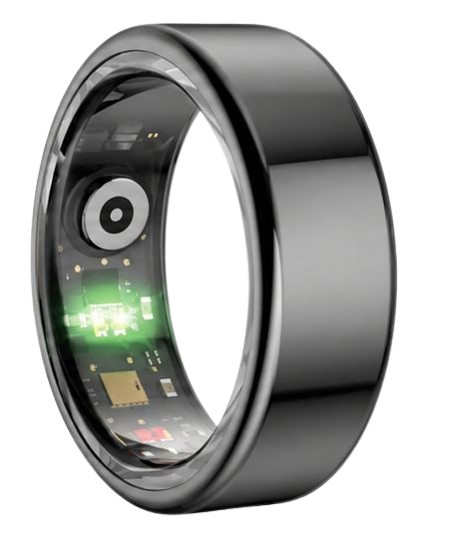
The Herz P1 Smart Ring tracks HRV, Sleep, Heart Rate & SpO2 around the clock. No subscriptions. No renewals. Ever.
In This Article
- Understanding Glycemic Index: Learn the exact GI and glycemic load of traditional croissants.
- Physiological Impact: Discover how refined flour and butter combine to create unique glucose profiles.
- Diabetic Guidelines: Find out if diabetics can eat croissants in moderation and explore healthier alternatives.
- Wearable Biomarker Tracking: Learn how to track your metabolic responses and sleep architecture with the Herz P1 Smart Ring.
Does Eating Croissants Cause Blood Sugar Spikes? What the Science Reveals
A buttery croissant is one of the most popular breakfast items in the world.
However, understanding the croissant glycemic index is vital if you care about your metabolic health.
The glycemic index measures how rapidly a carbohydrate-containing food elevates blood glucose levels.
For a standard plain croissant, the glycemic index typically ranges between 67 and 70.
This classification places the croissant in the medium-to-high glycemic category.
This score means it raises blood sugar almost as quickly as pure white bread.
The glycemic load of a single croissant is approximately 17 to 21.
A glycemic load over 20 is considered high, indicating a substantial impact on your insulin production.
Understanding this balance is a foundational part of what is metabolic health.
Highly refined white flour constitutes the primary structural ingredient of a croissant.
Refined wheat flour has had its fiber-rich bran and germ completely stripped away during processing.
This absence of fiber allows digestive enzymes to break down starches into glucose almost instantly.
Your small intestine absorbs this glucose rapidly into your bloodstream.
In response, your pancreas must secrete a massive surge of insulin to clear the glucose.
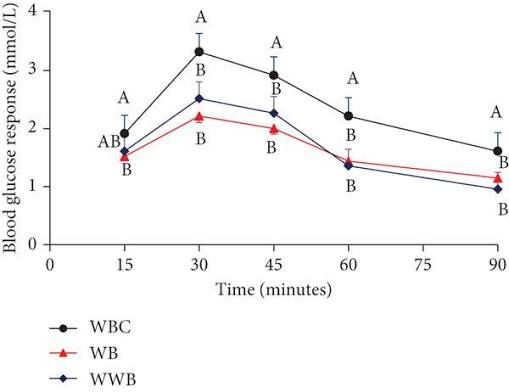
This biological reaction creates a classic croissant blood sugar spike followed by a steep energy crash.
This spike and crash cycle is why you may feel exhausted and hungry just two hours after eating a pastry.
If you want to track these physiological reactions in real time, the Herz P1 Smart Ring monitors your cardiac and autonomic responses 24/7 — explore it here.
Let us look closely at who is most affected by these glycemic variations.
People with prediabetes, type 2 diabetes, or insulin resistance face the greatest metabolic risk from high-GI foods.
Their bodies cannot produce enough insulin or use it effectively to manage sudden glucose loads.
However, even healthy individuals experience cognitive decline and afternoon fatigue from repeated glucose spikes.
This process of blood sugar instability is directly related to your overall metabolic fitness.
The timing of when you eat a croissant also matters significantly.
Consuming a high-carb pastry first thing in the morning on an empty stomach creates a much higher glucose spike.
This occurs because there are no other foods in the stomach to slow down digestion.
Eating a croissant in the afternoon as a snack can also ruin your focus during work hours.
The mechanism of digestion involves several key steps.
Salivary amylase begins breaking down the starches in your mouth.
The stomach liquefies the food and passes it to the duodenum.
Without fiber, the glucose enters the portal vein rapidly.
Your liver takes up some glucose, while the rest enters systemic circulation.
A standard croissant contains approximately 270 to 400 croissant calories.
It delivers about 30 to 40 grams of fast-acting carbohydrates.
It also contains 15 to 22 grams of fat, mostly coming from butter.
While fat slows down stomach emptying, it does not fully prevent the rapid glucose absorption of refined flour.
90-Day 100% Money-Back Guarantee
“The Herz Smart Ring helps me manage stress easily. It’s accurate, stylish, and lightweight—perfect for my busy life!”
— Jennifer P. | ✔ Verified Customer
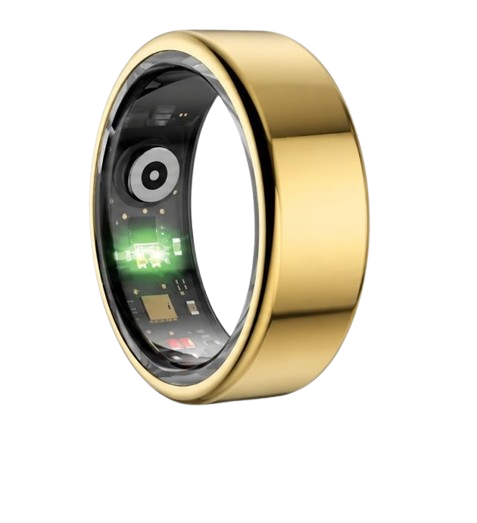
- ✓ 6-Day Battery Life
- ✓ Detailed Sleep Analysis
- ✓ Fast 1-Hour Charging
- ✓ iOS & Android Ready
Questions? Call: 1-866-479-1629
Understanding the Croissant GI: How Butter and Fats Delay the Glucose Spike
Many people assume that because croissants are rich in butter, they have a low glycemic impact.
This is a common misconception in dietary science.
Butter is indeed a fat, and fat slows down the rate of gastric emptying.
This means the food stays in your stomach longer before entering the small intestine.
Because of this delayed digestion, the croissant gi might not spike your blood sugar as quickly as a slice of white bread.
Instead, the high fat content causes a delayed but highly prolonged blood sugar elevation.
Your blood glucose levels may remain elevated for several hours after consumption.
This extended elevation is often harder for your body to manage than a short, sharp spike.
It keeps insulin levels high for a longer duration, which promotes fat storage and weight gain.
This prolonged metabolic strain directly affects your cardiovascular and nervous systems.
According to the American Heart Association, chronic glucose fluctuations place stress on blood vessels.
This stress manifests as a temporary reduction in heart rate variability (HRV).
HRV measures the variation in time between consecutive heartbeats.
A lower HRV indicates that your autonomic nervous system is under physical stress.
When your body works hard to clear glucose and manage high insulin, your HRV scores drop.
You can observe this drop in real-time on your health dashboard.
Unlike heavy smartwatches, the Herz P1 Smart Ring fits comfortably on your finger to track these subtle HRV changes throughout the day.

Can Diabetics Eat Croissants? Moderation Strategies and Pastry Alternatives
If you have diabetes, you might wonder: can diabetics eat croissants?
The direct answer is that traditional croissants should be consumed with extreme caution.
A single pastry can easily exceed the carbohydrate budget of an entire meal for a diabetic individual.
However, you can use specific dietary strategies to minimize the glycemic impact.
Always pair your pastry with high-quality protein and soluble fiber.
For example, eating soft-boiled eggs and avocado before a small piece of a croissant can significantly flatten your glucose curve.
The protein and fiber slow down the enzymatic breakdown of the wheat starch.
This pairing ensures a gradual release of glucose into the bloodstream.
You should also consider how other traditional carb-heavy meals compare.
Some people ask is lo mein healthy when planning their weekly meals.
Like croissants, lo mein noodles are made of refined wheat and can cause severe glucose spikes.
Similarly, the popular Indian pancake has a distinct glycemic profile that you can study in our guide on dosa carbohydrates.
These comparisons show that refined grains across all cultures carry similar metabolic risks.
If you love Italian food, you must also look at how pasta-glycemic-index-blood-sugar curves are affected by cooking methods.
Managing your portions is the most effective tool you have.
Try eating only half of a croissant and saving the rest for later.
Walk for fifteen minutes immediately after eating to help your muscles absorb the glucose without requiring excess insulin.
By monitoring your body’s recovery metrics, you can see how physical activity offsets dietary choices.
How to Track Your Metabolic Response and Prevent Overnight Glucose Spikes
Most people do not realize that what they eat during the day affects their sleep architecture.
Eating high-glycemic foods in the evening can lead to a phenomenon known as overnight-glucose-spikes.
When your blood sugar spikes while you sleep, your body releases cortisol and adrenaline to balance it.
These stress hormones cause micro-arousals that pull you out of deep and REM sleep.
You might wake up feeling exhausted, even if you slept for eight hours.
Your heart rate may also remain elevated during the first half of the night.
The Herz P1 Smart Ring provides the perfect tool to uncover these hidden sleep disruptions.
Our advanced sleep architecture analysis tracks your exact time spent in Deep, REM, and Light sleep stages.
If you notice your deep sleep percentages dropping below fifteen percent after a high-carb dinner, your diet is likely the cause.
The ring’s optical sensors measure blood oxygen saturation (SpO2) and heart rate variability with clinical-grade accuracy.
You can view all of this data in the free Herz P1 App without paying any monthly subscription fees.

Let us look at a simple protocol to test your personal tolerance to croissants.
First, wear your Herz P1 Smart Ring consistently for three days to establish your baseline HRV and sleep scores.
On the fourth day, eat a standard croissant for breakfast on an empty stomach.
Observe your daytime stress levels and heart rate trends on the App over the next three hours.
Note if your stress index spikes or if you experience a sudden mid-day energy crash.
On the fifth day, try eating a balanced breakfast with lower glycemic impact to see the difference in your daytime energy.
Compare your heart rate variability and daytime fatigue levels between the two days.
This simple experiment allows you to make data-backed decisions about your diet.
The military-grade steel chassis of the Herz P1 ensures you can wear it during workouts, cooking, and sleeping without worry.
It is completely waterproof with an IP68 rating, making it safe for handwashing and showering after your morning exercise.
Wearable Device Pitfalls: Bulky Smartwatches vs. Sleek Smart Rings
Many health-conscious individuals try to track their sleep and biometrics using bulky smartwatches.
However, wearing a large, heavy watch to bed is highly uncomfortable.
The bulkiness of a smartwatch often disrupts your natural sleep positions.
Furthermore, smartwatches require daily charging, which means you often miss tracking your sleep overnight.
A smart ring offers a lightweight, ergonomic alternative that you will barely feel on your finger.
The Herz P1 Smart Ring weighs only a few grams and has a battery life that lasts up to six days.
This long battery life ensures continuous, uninterrupted data collection.
Another common mistake is purchasing a wearable that locks your own data behind a paywall.
Many popular smart rings require an expensive monthly subscription to access detailed reports.
Over three years, these hidden fees can cost you hundreds of dollars.
We believe that you should own your health data completely.
The Herz P1 App is free for a lifetime, with absolutely zero monthly fees or hidden costs.
Our commitment to a two-year warranty and a ninety-day money-back guarantee highlights our confidence in our hardware.
Frequently Asked Questions About Metabolic Tracking and Herz P1
Is the Herz P1 Smart Ring waterproof?
Yes, the Herz P1 has a certified IP68 waterproof rating.
It can withstand continuous water immersion up to 164 feet deep.
You can wear it safely while swimming, showering, washing dishes, or sweating during intense workouts.
How long does the battery last on a single charge?
The battery lasts up to six days of continuous use.
It charges rapidly from zero to one hundred percent in under one hour.
This fast-charging capability means you never have to worry about missing critical biometric trends.
Which finger is best to wear the smart ring on?
We recommend wearing the Herz P1 on your index, middle, or ring finger.
These fingers have the most accessible blood vessels near the skin surface for the optical sensors.
Ensure the ring fits snugly but comfortably without rotating too easily.
Does the ring store data offline when my phone is not near?
Yes, the Herz P1 has seven days of local storage capacity.
It will collect your heart rate, sleep stages, and stress levels even if your phone is turned off.
Once you open the App, all stored data syncs automatically in seconds.
Conclusion
Managing your health starts with understanding how foods like croissants impact your body’s biometrics.
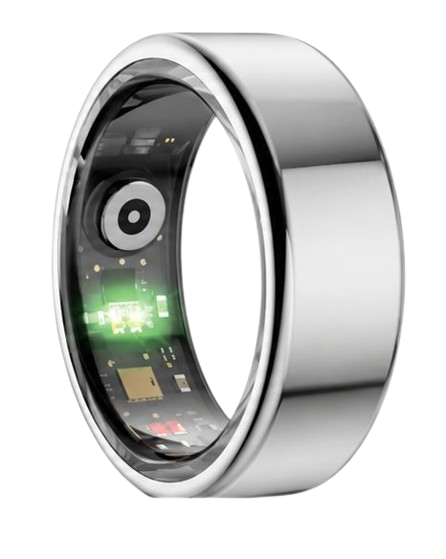
The Herz P1 Smart Ring makes tracking these patterns effortless and subscription-free.
Ready to monitor your health every day? Explore the Herz P1 Smart Ring and see if it fits your lifestyle. Call: 1-866-479-1629 — our team can help you advise on the correct ring size and set personalized health goals.
