

Managing your blood sugar requires constant attention, and understanding how daily treats like Herz P1 trackers read your body responses to foods is key to navigating watermelon juice and diabetes. Many people struggle to find refreshing beverages that do not cause sudden metabolic stress. This guide will clarify the science behind fruit sugar absorption and show you how to monitor your cardiovascular responses easily.
Built to Last. Save Up to 69% Today.
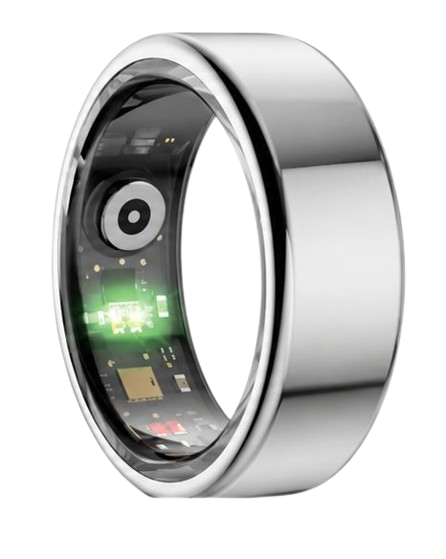
The Herz P1 Smart Ring tracks HRV, Sleep, Heart Rate & SpO2 around the clock. No subscriptions. No renewals. Ever.
In This Article
- The 5W2H Glycemic Breakdown: Understand why liquid watermelon sugar causes rapid physiological shifts.
- Glycemic Index vs. Glycemic Load: Discover the crucial metabolic differences between eating the whole fruit and drinking the juice.
- Tracking Metabolic Stress: Learn how advanced optical biometric sensors monitor postprandial heart rate and HRV.
- Practical Lifestyle Guide: Actionable steps to safely balance fruit juices without experiencing glucose crashes.
Does Watermelon Juice Spike Blood Sugar? Here is What the Science Says

The relationship between watermelon juice and diabetes is a major topic among health-conscious individuals.
This beverage represents a concentrated form of natural fruit sugars without any structural fiber.
When you juice a watermelon, you remove the physical matrix that slows down digestion.
This process creates a liquid that contains highly bioavailable fructose and glucose.
Individuals managing type 1 or type 2 diabetes must pay close attention to this drink.
People with prediabetes or insulin resistance also face metabolic challenges from liquid sugars.
Even healthy individuals can experience temporary energy crashes after drinking sweet juices.
Understanding your unique metabolic tolerance helps prevent long-term cardiovascular stress.
The timing of consumption plays a critical role in your blood sugar levels.
Drinking this juice on an empty stomach leads to the fastest rate of absorption.
Consuming sweet fruit beverages late at night can cause unwanted morning glucose issues.
Drinking it right after a high-intensity workout might help replenish glycogen but still requires caution.
The primary digestion of these fruit sugars happens in the small intestine.
From there, glucose quickly enters your portal vein and travels to your liver.
The liver processes fructose while glucose enters your general blood circulation.
This systemic rise in glucose is what triggers a rapid hormonal response.
The main reason for this rapid absorption is the complete lack of dietary fiber in filtered juices.
Fiber acts as a natural physical barrier in your digestive tract.
Without fiber, the digestive enzymes break down sucrose and fructose almost instantly.
Your bloodstream is then flooded with simple carbohydrates in a matter of minutes.
Your pancreas detects the sudden rise in blood glucose levels.
It immediately releases a large amount of insulin to clear glucose from the blood.
For someone with diabetes, this insulin response is either insufficient or ineffective.
This leads to a sustained high blood sugar level followed by a sharp energy drop.
A standard serving of eight ounces of watermelon juice contains about twenty-two grams of sugar.
This is equivalent to nearly five teaspoons of pure sugar hitting your system.
For most diabetics, limiting fruit juice intake to less than four ounces is highly recommended.
Measuring your physiological recovery from these small amounts is essential.
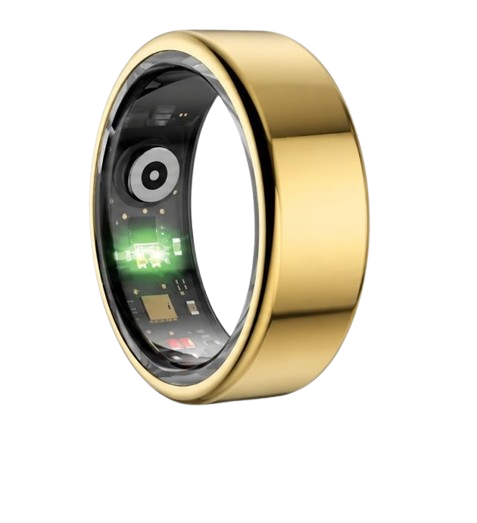
If you want to track how your cardiovascular system recovers from food in real time, the Herz P1 Smart Ring monitors heart rate and HRV trends 24/7 — explore it here.
90-Day 100% Money-Back Guarantee
“The Herz Smart Ring helps me manage stress easily. It’s accurate, stylish, and lightweight—perfect for my busy life!”
— Jennifer P. | ✔ Verified Customer
- ✓ 6-Day Battery Life
- ✓ Detailed Sleep Analysis
- ✓ Fast 1-Hour Charging
- ✓ iOS & Android Ready
Questions? Call: 1-866-479-1629
The Glycemic Index of Watermelon Juice vs. Whole Fruit

The watermelon glycemic index measures how quickly a food raises blood glucose levels.
Whole watermelon has a high glycemic index of approximately seventy-two.
However, the glycemic load of whole watermelon is actually quite low.
This is because whole watermelon consists of over ninety percent water by weight.
It also contains beneficial fiber that slows down the digestive process in your gut.
This explains why many experts agree that whole is-watermelon-good-for-diabetics when eaten in moderate portions.
For a deeper look, check out our comprehensive is-watermelon-good-for-diabetics-guide.
When you transform the fruit into juice, the glycemic dynamic changes completely.
Filtered watermelon juice has a glycemic index that can easily exceed eighty.
The glycemic load spikes because you consume far more sugar per volume of liquid.
Drinking a glass of juice is like eating half of a whole watermelon at once.
This rapid absorption causes a sharp watermelon juice glucose spike in your bloodstream.
Your cells must suddenly process a massive wave of simple sugars.
This demands a rapid and large release of watermelon juice insulin from the pancreas.
Over time, these frequent demands can exhaust your insulin-producing beta cells.
This direct strain on your pancreas is why liquid sugars are a major concern for what is metabolic health.
Maintaining stable blood sugar levels is a cornerstone of overall physical longevity.
We must look closely at how these dietary choices influence our daily physiological metrics.
Uncontrolled spikes can lead to systemic blood vessel irritation and general fatigue.
Monitoring your response is the first step toward reclaiming your energy.
Biometric Indicators: How Your Body Responds to Glycemic Spikes

Your cardiovascular system and nervous system react instantly to glycemic shifts.
When blood sugar spikes, your heart rate naturally increases to help distribute nutrients.
This postprandial heart rate elevation is a well-documented physiological response.
At the same time, your autonomic nervous system experiences measurable stress.
Your Heart Rate Variability, or HRV, typically drops during these periods of high stress.
A lower HRV score indicates that your body is working harder to restore internal balance.
According to the American Heart Association, keeping your autonomic nervous system balanced supports cardiovascular health.
Tracking these subtle changes is a powerful way to evaluate your personal metabolic fitness.
Many people do not realize that dietary choices also impact their overnight recovery.
Eating high-sugar foods or drinking fruit juice in the evening can cause major sleep disruptions.
This practice often leads to nocturnal glycemic instability and overnight-glucose-spikes.
When your blood sugar drops sharply overnight, your body releases stress hormones like cortisol.
These hormones trigger micro-arousals that pull you out of deep sleep cycles.
The National Sleep Foundation emphasizes that stable blood sugar is critical for maintaining deep and REM sleep stages.
Without quality deep sleep, your body cannot properly repair muscles or consolidate daily memories.
By monitoring sleep architecture, you can identify how specific foods disrupt your rest.
Advanced wearables use high-precision optical sensors to track these biometric trends continuously.
The Herz P1 Smart Ring utilizes green, red, and infrared light waves to measure these shifts with professional accuracy.
This provides you with a clear picture of your daily physiological stress levels without any guesswork.
The sensor array reads heart rate every few minutes to map your postprandial recovery.
This data empowers you to make informed dietary adjustments for better health.
Practical Application Guide & Lifestyle Tips
You do not have to completely give up the flavors of summer to stay healthy.
With the right strategies, you can enjoy small portions of watermelon safely.
Here are some expert tips to manage your glucose response effectively.
Tip 1: Always pair watermelon with healthy fats or proteins.
Eating a handful of almonds or walnuts alongside your fruit slows down stomach emptying.
This simple combination prevents a rapid surge of sugar into your bloodstream.
Tip 2: Never drink watermelon juice on an empty stomach.
Consuming juice after a fiber-rich meal significantly dampens the glycemic response.
Your body is already processing complex nutrients, which slows down fruit sugar absorption.
Tip 3: Keep your portion sizes strictly controlled.
Limit your whole fruit intake to one cup of diced cubes per serving.
If you choose to drink juice, dilute it with sparkling water to reduce the sugar density.
Tip 4: Track your body’s recovery trends using your wellness data.
Open your Herz P1 App to observe how your overnight resting heart rate behaves after sweet snacks.
Look at your sleep score to see if late-night sugars impacted your deep sleep duration.
Use these insights to adjust your eating window and optimize your daily energy levels.
The lightweight design of the smart ring makes it comfortable to wear all day and night.
This ensures you never miss crucial physiological data due to a bulky tracker.
Consistently wearing your tracker builds a highly accurate profile of your wellness habits.
Small lifestyle changes can yield major improvements in your metabolic resilience.
Overcoming Risks & Common Mistakes
Many people make the mistake of wearing heavy, bulky smartwatches to bed.
These large devices frequently cause skin irritation and disrupt natural sleep positions.
If you take your tracker off to sleep, you miss crucial overnight biometric data.
Another major mistake is choosing devices that lock your personal data behind a paywall.
Many popular wellness brands require a monthly subscription just to view your health trends.
With Herz P1, the companion app is entirely free for your entire lifetime.
This ensures you own your health data without any hidden recurring costs.
The ring is also built with military-grade steel to survive everyday wear and tear.
Below is a direct comparison of how the Herz P1 compares to typical bulky smartwatches.
| Feature | Herz P1 Smart Ring | Typical Bulky Smartwatch |
|---|---|---|
| Comfort Factor | Ultra-lightweight, seamless fit on finger, ideal for sleep tracking | Heavy, thick wristband, prone to snagging on sheets |
| Battery Life | 6 days of continuous tracking, charges in under 1 hour | Often requires daily charging, leading to frequent data gaps |
| App Subscription Fee | Zero monthly fees, full lifetime access to all metrics | Frequently hidden behind recurring paywalls ($5 to $10/month) |
Selecting a tracker that fits your lifestyle is essential for long-term health monitoring.
Consistency is key when building a dataset to share with your wellness coach.
Avoid the traps of expensive subscriptions and fragile screens.
The military-grade construction of the Herz P1 ensures durability for years to come.
Frequently Asked Questions About Smart Rings
Is the Herz P1 Smart Ring waterproof?
Yes, the Herz P1 features an advanced IP68 waterproof rating.
This certifies that the ring is safe for continuous submersion up to 164 feet.
You can wear it safely while swimming, showering, washing hands, or doing dishes.
The protective coating ensures that the sensitive internal electronics remain completely dry.
How long does the battery last?
The battery provides up to six days of continuous use on a single charge.
The device utilizes high-efficiency Bluetooth Low Energy to preserve power.
It charges fully from zero to one hundred percent in under one hour.
This rapid charging minimizes any gaps in your physical tracking timeline.
Which finger is best to wear it on?
We recommend wearing the ring on your index, middle, or ring finger.
The index finger typically offers the most stable arterial blood flow for optical sensors.
Ensure the inner sensor bumps sit flat against the palm side of your finger.
A snug fit is critical for getting accurate heart rate and blood oxygen readings.
Does the ring store data offline?
Yes, the ring has secure onboard storage for up to seven days of local data.
Your biometrics will sync automatically the next time you open the companion app.
This allows you to disconnect from your phone during sleep or long workouts.
Your data is protected and encrypted during the entire storage and transfer process.
A Reliable Companion for Your Wellness Journey
Managing blood sugar and understanding your daily biometric trends does not have to be difficult.
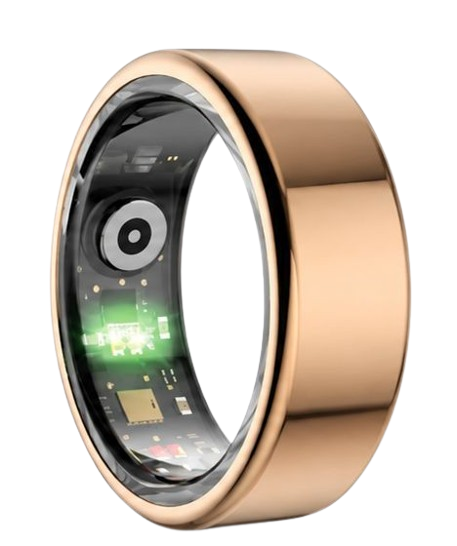
The Herz P1 Smart Ring offers a simple, powerful, and subscription-free way to monitor your body around the clock.
Ready to monitor your health every day? Explore the Herz P1 Smart Ring and see if it fits your lifestyle. Call: 1-866-479-1629 — our team can help you advise on the correct ring size and set personalized health goals.
Note: Individual results may vary depending on individual health conditions, age, and lifestyle habits. This article is intended for general health reference purposes only.
