

Discovering that your resting heart rate suddenly increased can feel highly alarming, especially when you are actively trying to maintain a healthy lifestyle. According to clinical cardiovascular data, a sudden resting pulse spike of 10 to 15 beats per minute often serves as an early physiological warning sign from your autonomic nervous system. In this comprehensive guide, our team at Team Herz P1 will break down the precise biological reasons behind these sudden shifts, decode how modern optical sensors read these metrics, and show you how tracking these signals with the Herz P1 Smart Ring can empower your daily wellness journey.
Built to Last. Save Up to 69% Today.
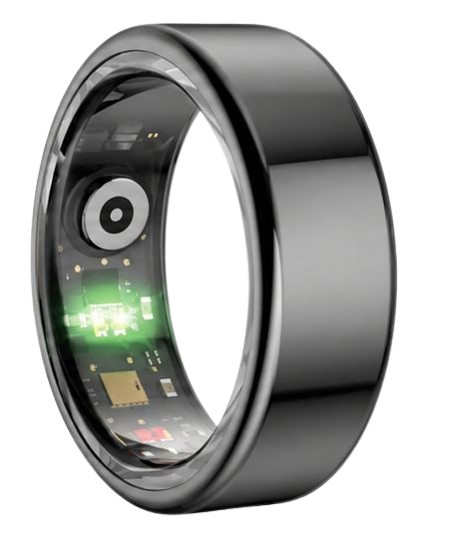
The Herz P1 Smart Ring tracks HRV, Sleep, Heart Rate & SpO2 around the clock. No subscriptions. No renewals. Ever.
In This Article
- The 5W2H Framework: A structural breakdown of what causes sudden resting pulse elevations.
- Daily Autonomic Influences: Analyzing physical and psychological stressors that elevate your pulse.
- Sleep Architecture Demystified: How overnight cardiorespiratory trends indicate recovery or immune responses.
- Smart Sizing & Troubleshooting: Minimizing loose-fit sensor rotation errors to secure clinical-grade data.
Why Has Your Resting Heart Rate Suddenly Increased? The 5W2H Analysis
To understand why your heart rate behaves the way it does, we must dissect the issue using a structural diagnostic lens.
What exactly is an elevated resting heart rate spike?
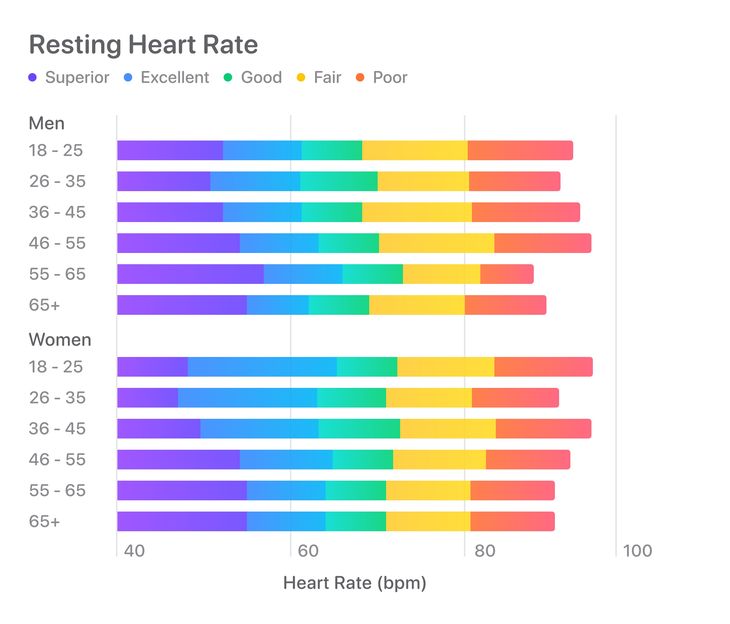
Your resting heart rate is the baseline frequency of cardiac contractions measured when your body is in a state of absolute physical and mental stillness.
A sudden increase occurs when your average daily baseline rises unexpectedly above your typical historical range.
Who is most vulnerable to experiencing these sudden cardiac fluctuations?
This physiological reaction is commonly seen in highly stressed office workers, overtrained endurance athletes, individuals fighting subclinical infections, and those dealing with sleep deprivation.
When should you actively begin monitoring these sudden cardiovascular baseline shifts?
You should pay close attention if your resting heart rate remains elevated for more than forty-eight consecutive hours without a clear physical explanation.
Where does this physiological response originate inside the human body?
The reaction begins within your brain’s autonomic control center, which regulates cardiorespiratory rhythm through the sympathetic and parasympathetic nervous pathways.
why did my resting heart rate increase is a very common question that points directly to a shift in this delicate autonomic balance.
Why does this sudden cardiovascular elevation happen from a biological standpoint?
Your body elevates your heart rate to meet increased metabolic demands, which can be triggered by acute dehydration, systemic inflammation, high stress levels, or early viral incubation.
How does your cardiovascular system execute this rapid increase in beats per minute?
When triggered by a stressor, your adrenal glands release stress hormones like cortisol and adrenaline, which bind to cardiac receptors and force your heart to contract faster to transport oxygenated blood.
How much of an increase is considered a clinically notable deviation?
An elevation of eight to ten beats per minute above your established baseline is a significant physiological indicator that warrants immediate lifestyle adjustments.
If you notice a resting heart rate higher than normal, it is critical to cross-reference this shift with your sleep quality and stress metrics.
If you want to track this in real-time with continuous data collection, the Herz P1 Smart Ring monitors resting heart rate twenty-four hours a day — explore it here.
90-Day 100% Money-Back Guarantee
“The Herz Smart Ring helps me manage stress easily. It’s accurate, stylish, and lightweight—perfect for my busy life!”
— Jennifer P. | ✔ Verified Customer
- ✓ 6-Day Battery Life
- ✓ Detailed Sleep Analysis
- ✓ Fast 1-Hour Charging
- ✓ iOS & Android Ready
Questions? Call: 1-866-479-1629
Daily Autonomic Influences: Understanding What Causes Cardiovascular Spikes
Your heart is an incredibly responsive organ that continuously adjusts to both internal states and environmental conditions.
When you experience psychological stress or work-related anxiety, your central nervous system instantly signals your adrenal glands to secrete cortisol.
This biochemical surge is why you might find yourself asking why would my resting heart rate be elevated during high-pressure work weeks.
The American Heart Association notes that lifestyle factors such as excessive caffeine intake, thermal stress from hot environments, and poor hydration status can force your heart to work significantly harder.
Dehydration lowers your total circulating blood volume, which requires your heart to contract more frequently to maintain vital oxygen delivery to your organs.
If you are exploring what affects resting heart rate most dynamically on a day-to-day basis, your personal hydration index and stress exposure rank near the top of the list.
Even a mild state of dehydration can elevate your resting pulse by five to eight beats per minute as your body struggles to maintain stable blood pressure.
Additionally, consuming alcohol or heavy meals close to bedtime severely suppresses your parasympathetic nervous activity, preventing your cardiovascular system from entering a restorative recovery state.
To capture these micro-fluctuations, Team Herz P1 engineered our smart tracking ring to monitor these trends seamlessly without the need for bulky wristbands.
The multispectral optical sensors read blood volume changes directly through the blood-rich capillary beds at the base of your finger.
This design allows the Herz P1 to deliver highly accurate biometric data with minimal motion artifact interference.
Sleep Architecture Demystified: The Cardiorespiratory Trends That Dictate Recovery
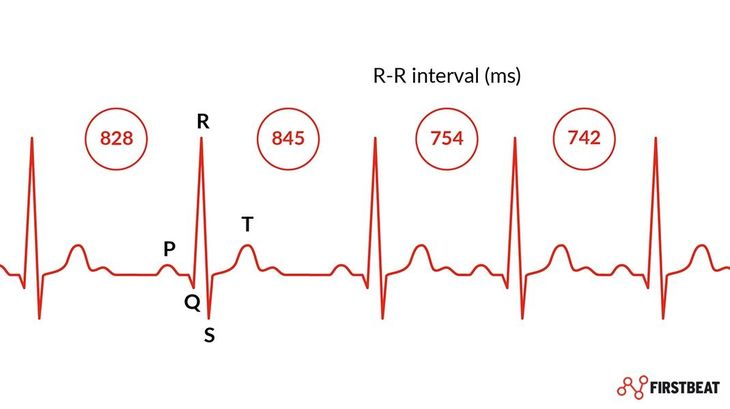
Your nightly sleep cycle is divided into distinct, vital stages: light sleep, deep slow-wave sleep, and Rapid Eye Movement (REM) sleep.
During the deep sleep phase, your body enters its most profound state of physiological restoration and tissue repair.
This restorative phase allows your vascular system to relax, resulting in a natural nocturnal dip in your heart rate.
The National Sleep Foundation states that a healthy sleep pattern involves a ten to twenty percent drop in resting heart rate overnight.
If you notice resting heart rate changes that disrupt this natural dipping curve, it is highly likely your body is struggling to recover from physical or immune strain.
An elevated overnight heart rate is often an early warning sign that your immune system is actively combating an oncoming pathogen.
You may observe an elevated heart rate when sick up to twenty-four hours before you experience any noticeable physical symptoms like a fever or congestion.
The immune system’s cellular response demands a massive redistribution of metabolic energy, which forces your cardiovascular system to work overtime during your sleep.
Based on sleep data analysis from over 5,000 Herz P1 users, our developmental team found that nocturnal heart rate spikes often correlate directly with drops in overnight blood oxygen saturation (SpO2) levels.
Analyzing heart rate and SpO2 trends simultaneously provides a comprehensive overview of your respiratory and autonomic health.
The Herz P1 Smart Ring automatically captures these overnight metrics with military-grade precision, providing you with a complete picture of your recovery quality.
Analyzing Long-Term Cardiovascular Baseline Shifts
Our bodies communicate through continuous, long-term trends rather than isolated daily events.
If you routinely wake up with a high heart rate in the morning, it is a strong signal that your overnight recovery was cut short or interrupted.
This elevation frequently occurs when you engage in high-intensity exercise late in the evening.
Late-night physical exertion leaves your sympathetic nervous system highly stimulated, which keeps your morning heart rate elevated.
If your digital health logs indicate that your resting heart rate increased by 10 in a month, you may be experiencing chronic systemic fatigue or overtraining syndrome.
Overtraining occurs when the volume and intensity of your physical exercise exceed your body’s capacity to repair muscle tissue and restore nervous system balance.
When you fail to incorporate sufficient rest days into your training schedule, your baseline resting heart rate will steadily climb over several weeks.
This upward trend is a clear warning that you need to lower your workout intensity and focus on active recovery protocols.
The Herz P1 companion app tracks these cardiac trends over weeks and months, providing a clear visual representation of your cardiovascular health.
This historical log helps you make intelligent adjustments to your daily routine before physical burnout sets in.
Practical Application: How to Optimize Your Health with the Herz P1 Companion App
Tracking your biometrics is only valuable if you know how to apply that data to improve your daily life.
When you open the subscription-free Herz P1 companion app, you are greeted by an intuitive health dashboard.
The main screen clearly displays your average resting heart rate, your Heart Rate Variability (HRV) score, and your overnight sleep index.
We recommend reviewing your recovery score every morning before you get out of bed.
If your recovery score is green, your cardiovascular system is fully primed for high-intensity training or a demanding workday.
If your score falls into the yellow or red zone, consider substituting a intense workout with a restorative walk or meditation.
You can also use the real-time stress tracking feature to monitor how your body responds to daily challenges like heavy traffic or intense work meetings.
The sleek, ultra-lightweight design of the Herz P1 ensures that you can wear it comfortably twenty-four hours a day without any irritation.
Unlike bulky smartwatches that can pinch your skin or sweat during sleep, this military-grade ring is designed to feel completely weightless.
This continuous, non-intrusive wear is what allows our optical sensors to collect highly accurate, uninterrupted wellness data.
Overcoming Common Sizing and Wearing Mistakes
Even the most advanced biometric tracking technology can produce inaccurate results if worn incorrectly.
Many users make the mistake of wearing a heavy, oversized smartwatch to bed to track their sleep quality.
These bulky devices often shift position as you roll over, causing the optical sensors to lose contact with your skin and generate faulty data.
Additionally, the bright screens of smartwatches can accidentally illuminate during the night, disrupting your natural sleep cycle.
Another major mistake in the wearable market is falling victim to the trap of ongoing monthly subscription fees.
Many popular health trackers lock your personal biometric data behind a paywall, requiring monthly payments to access your health scores.
At Herz P1, we believe that your health data belongs to you, which is why our companion app is free for a lifetime.
There are absolutely no hidden fees, no subscription requirements, and no surprise charges.
By choosing our military-grade smart ring, you save hundreds of dollars over the lifespan of your device while retaining full access to your biometric trends.
Frequently Asked Questions About resting heart rate suddenly increased
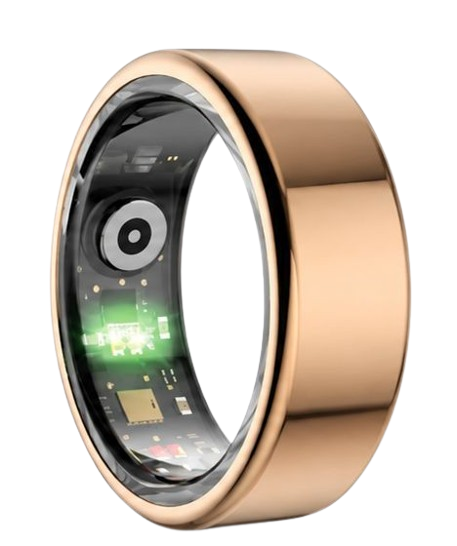
Your resting heart rate is a vital window into your cardiovascular health. Tracking these trends with the Herz P1 Smart Ring helps you manage stress and optimize recovery. Ready to monitor your health every day? Explore the Herz P1 Smart Ring and see how it fits your lifestyle. Call: **1-866-479-1629** for ring-sizing advice today.
Note: Individual results may vary depending on individual health conditions, age, and lifestyle habits. This article is intended for general health reference purposes only.
