

Discovering that your resting heart rate suddenly increased can spark immediate concern, yet this subtle physiological shift is actually your body’s built-in alert system communicating vital updates about your systemic recovery. By tracking these subtle cardiac fluctuations using the premium, subscription-free Herz P1 Smart Ring, you can decode the precise trigger behind your elevated pulse and immediately optimize your sleep, training, and stress levels for peak physical performance.
Built to Last. Save Up to 69% Today.
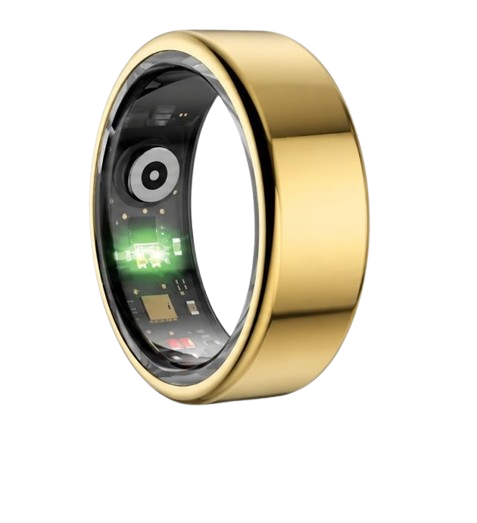
The Herz P1 Smart Ring tracks HRV, Sleep, Heart Rate & SpO2 around the clock. No subscriptions. No renewals. Ever.
In This Article
- Identify physical, environmental, and mental triggers behind resting pulse spikes.
- Discover how optical PPG sensors monitor autonomic nervous system fluctuations.
- Analyze the relationship between sleep debt, recovery, and daily cardiovascular strain.
- Find actionable strategies to lower your resting pulse and manage daily stress levels.
Why Did My Resting Heart Rate Increase? Here is What the Data Tells You
Your resting heart rate is the number of times your heart beats per minute when you are completely at rest.
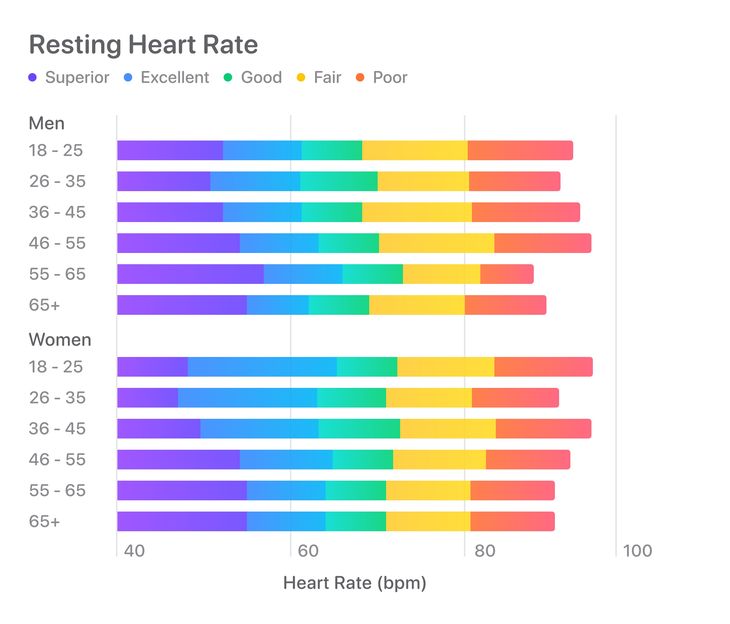
Typically, a normal resting pulse ranges between 60 and 100 beats per minute according to the American Heart Association.
When you realize your resting heart rate higher than normal, it implies your heart must pump harder to deliver oxygenated blood throughout your tissues.
This shift affects everyone from high-performance athletes to busy corporate office workers.
Understanding why would my resting heart rate be elevated involves analyzing both short-term lifestyle factors and long-term recovery metrics.
A rise in resting pulse can happen at any time, but it is often most noticeable right after waking up in the morning.
This physiological reaction is regulated directly by your autonomic nervous system, which coordinates your involuntary body functions.
The primary reason your pulse climbs is that your body is responding to an internal or external stressor.
These stressors include acute dehydration, lack of deep sleep, nutritional deficits, elevated mental anxiety, or an oncoming physical illness.
When these triggers occur, your adrenal glands release stress hormones like cortisol and adrenaline into your bloodstream.
These hormones cause your blood vessels to constrict and your heart to contract more rapidly.
If you have recently noticed your resting heart rate suddenly increased, you may be experiencing the early stages of a viral infection.
The cardiovascular system works overtime to transport immune cells, which naturally raises your core heart rate.
In terms of volume, a sudden spike of 5 to 10 beats per minute over your baseline is a significant deviation.
If your baseline resting pulse is 65 beats per minute and it rises to 75, your heart beats an extra 14,400 times every single day.
This extra mechanical workload can leave you feeling fatigued even before your workday begins.
Furthermore, chronic stress keeps your sympathetic nervous system active, preventing your body from resting properly.
Nutritional habits also play a vital role, as heavy meals close to bedtime redirect blood flow to your digestive tract.
This redirection forces your cardiovascular system to work harder, keeping your resting heart rate elevated through the night.
Environmental factors like hot weather or high altitude also place increased stress on your circulatory system.
To monitor these shifts accurately, a continuous tracking tool is highly recommended.
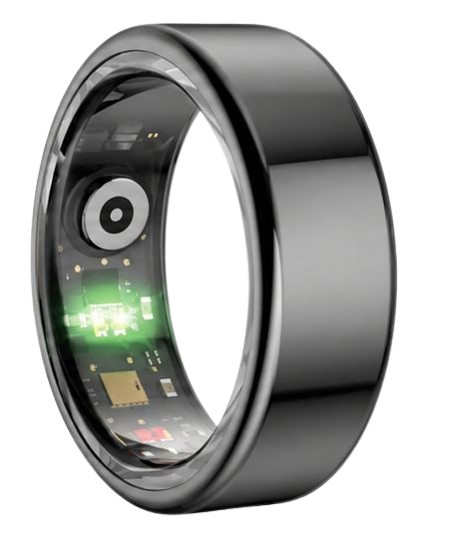
If you want to track this in real time, the Herz P1 Smart Ring monitors resting pulse and autonomic trends 24/7 — explore it here.
90-Day 100% Money-Back Guarantee
“The Herz Smart Ring helps me manage stress easily. It’s accurate, stylish, and lightweight—perfect for my busy life!”
— Jennifer P. | ✔ Verified Customer
- ✓ 6-Day Battery Life
- ✓ Detailed Sleep Analysis
- ✓ Fast 1-Hour Charging
- ✓ iOS & Android Ready
Questions? Call: 1-866-479-1629
The Physiology of Pulse Spikes — Understanding Autonomic Nervous System Strain
To understand why your heart rate fluctuates, you must examine the delicate balance of your autonomic nervous system.
This system consists of two opposing branches: the sympathetic nervous system and the parasympathetic nervous system.
The sympathetic nervous system acts as your body’s gas pedal, driving your fight-or-flight reactions.
In contrast, the parasympathetic nervous system acts as the brake pedal, promoting rest, digestion, and recovery.
Under normal resting conditions, parasympathetic activity dominates, keeping your resting pulse low and steady.
However, when your body is under physical or emotional strain, the sympathetic nervous system takes control.
This shifts your cardiac output, increasing both stroke volume and the frequency of contractions.
Many daily variables play a direct role in what affects resting heart rate on a continuous basis.
For example, drinking alcohol before bed severely suppresses parasympathetic activity, leading to dramatic overnight resting heart rate changes.
Your heart must work much harder to metabolize toxic compounds while you sleep, preventing complete cardiovascular recovery.
Similarly, intense athletic workouts deplete glycogen stores and damage muscle fibers, requiring a long recovery window.
Until your muscles are fully repaired, your heart rate remains elevated to deliver essential amino acids and oxygen.
Daily psychological stress from work or family obligations also keeps your nervous system in a constant state of hyperarousal.
This ongoing mental strain prevents your heart rate from dropping to its natural resting baseline during quiet moments.
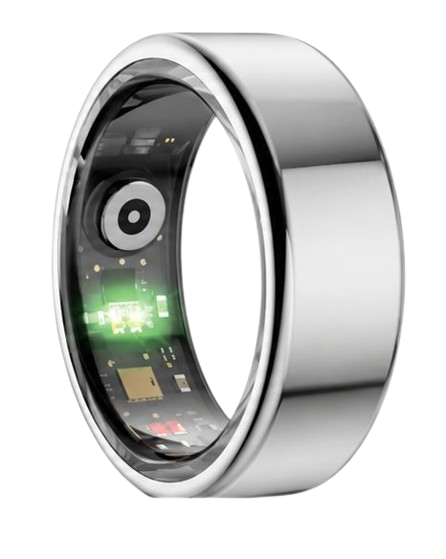
Modern biometric rings capture these fluctuations using a built-in PPG optical sensor.
This photoplethysmography sensor emits harmless light waves through the blood vessels of your finger.
By measuring the amount of light absorbed and reflected, the sensor accurately tracks volumetric changes in blood flow with every heartbeat.
Because the skin on your fingers is much thinner than on your wrist, rings can capture far cleaner signals than bulky smartwatches.
The digital sensor processes these signals to calculate your exact heart rate and autonomic balance within milliseconds.
This provides an incredibly precise, real-time look into your cardiac health without the need for uncomfortable chest straps.
Sleep Architecture & Heart Rate Variability — The Sleep Staging Connection
There is an incredibly strong connection between your sleep stages and your resting heart rate.
During deep slow-wave sleep, your body enters its most profound state of physical recovery.
During this stage, your blood pressure drops, your muscles relax, and your resting pulse reaches its lowest point of the night.
This low point is known as your overnight cardiac dip, and it is a key marker of great cardiovascular health.
If your heart rate dips by ten to twenty percent during sleep, your cardiovascular system is recovering beautifully.
In contrast, rapid eye movement, or REM sleep, is highly active and involves vivid dreaming.
During REM sleep, your heart rate and blood pressure can fluctuate wildly as your brain processes memories.
If your sleep is fragmented or cut short, you will miss out on crucial deep recovery cycles.
This structural sleep debt causes you to experience a high heart rate in the morning.
Chronic sleep deprivation also leads to an accumulation of systemic cortisol, which keeps your resting pulse elevated during the day.
Another critical biometric metric to monitor alongside your resting pulse is heart rate variability.
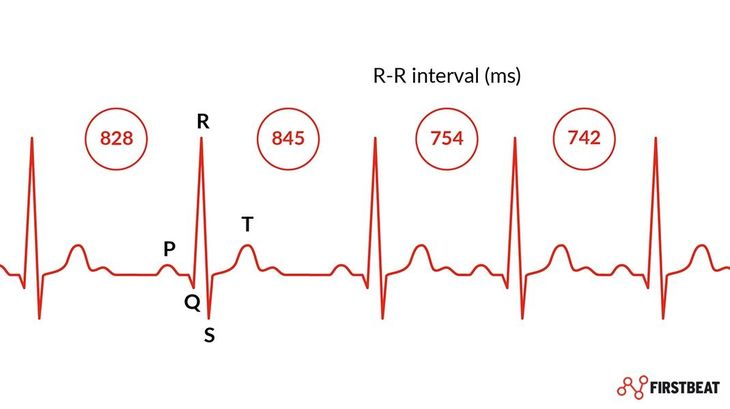
Heart rate variability, or HRV, measures the tiny, millisecond variations in time between consecutive heartbeats.
A high HRV score indicates a highly resilient nervous system that can easily adapt to stress.
Conversely, a low HRV score indicates that your body is locked in a sympathetic state and struggling to recover.
A low HRV score coupled with a high resting pulse is a classic sign of physical exhaustion or impending illness.
Indeed, you will almost always observe an elevated heart rate when sick as your immune system mounts a defense.
This elevation occurs because your body requires extra blood flow to transport white blood cells and fight off pathogens.
Smart wearable devices like the Herz P1 can detect these tiny cardiovascular shifts up to forty-eight hours before you feel sick.
Tracking these overnight trends allows you to detect subtle health issues days before you experience physical symptoms.
Actionable Lifestyle Tips to Lower Your Resting Pulse
If you have noticed your resting heart rate increased by 10 in a month, it is time to take action.
Fortunately, you can learn how to lower resting heart rate naturally through consistent daily lifestyle modifications.
First, prioritize your hydration levels by drinking at least eight to ten glasses of clean water daily.
Dehydration decreases your total blood volume, which forces your heart to beat faster to maintain blood pressure.
Second, establish a consistent sleep schedule to optimize your circadian rhythm and overnight recovery scores.
Going to bed and waking up at the exact same time every day stabilizes your cardiovascular system.
Third, incorporate low-intensity cardiovascular exercise into your weekly routine to build cardiorespiratory fitness.
Activities like fast walking, swimming, or cycling for thirty minutes a day help strengthen your heart muscle.
A stronger cardiac muscle pumps more blood with every single contraction, which naturally lowers your daily pulse.
Over time, consistent physical conditioning increases your stroke volume, making your entire circulatory system more efficient.
It is helpful to look up a normal resting heart rate by age chart to understand your specific demographic benchmarks.
Generally, older adults may require more time to recover from physical stress than younger individuals.
Highly trained athletes often have resting heart rates in the forties or fifties due to their superior cardiovascular efficiency.
Fourth, pay close attention to your daily caffeine intake, as excessive stimulants can keep your pulse artificially elevated.
Try to avoid drinking coffee or energy drinks after two in the afternoon to protect your overnight sleep quality.
Finally, practice deep-breathing exercises or mindfulness meditation to actively lower your stress levels.
Just five minutes of slow, controlled box breathing can instantly stimulate your parasympathetic nervous system.
This simple breathing exercise slows down your heart rate and dilates your blood vessels, promoting instant calm.
By tracking your progress with the Herz P1 App, you can see these positive lifestyle changes reflected in your weekly trends.
Mitigating Common Sizing and Sleep Tracking Pitfalls
Many health-conscious individuals make the critical mistake of wearing a heavy, bulky smartwatch to bed.
These large wrist devices frequently shift and move during the night, leading to inaccurate sleep data.
Furthermore, the physical discomfort of a bulky band can disrupt your sleep stages and raise your resting pulse.
In contrast, a sleek smart ring remains perfectly positioned against the digital arteries of your finger all night.
This form factor ensures uninterrupted, medical-grade biometric tracking while you sleep peacefully.
Another major frustration in the wearable market is the hidden cost of ongoing monthly app subscriptions.
Many popular smart rings require you to pay a high fee every month just to access your own biometric data.
If you stop paying the monthly fee, your expensive health-tracking ring becomes practically useless.
Team Herz P1 believes that you should never have to pay a subscription fee to understand your own body.
The Herz P1 App is completely free for a lifetime, with no locked features, paywalls, or hidden charges.
You purchase the ring once and enjoy unlimited access to all your sleep, HRV, and heart rate data forever.
To ensure perfect sensor accuracy, you must also avoid wearing a ring that is too loose or too tight.
A loose ring will slide around your finger, causing light leakage from the optical PPG sensor and producing errors.
Conversely, a ring that is too tight can restrict blood flow, leading to uncomfortable swelling and inaccurate readings.
We provide a complimentary sizing kit with every order to help you find the absolute perfect fit for 24/7 wear.
Wearing your smart ring consistently allows the companion app to establish a highly personalized biometric baseline for you.
Premium Wearables Compared: Herz P1 vs. Competitors in 2025
When choosing a health tracker, you deserve a clear look at how different premium brands compare.
The table below highlights the key differences in warranty, subscription fees, and structural materials.
| Feature | Herz P1 Smart Ring | Traditional Smartwatch | Other Smart Rings |
|---|---|---|---|
| Monthly Fee | $0 (Free App Forever) | $0 (Varies) | $5.99 – $10.00 / month |
| Warranty | 2-Year Manufacturer Warranty | 1-Year Limited Warranty | 1-Year Limited Warranty |
| Material Build | Military-Grade Steel | Aluminum or Plastic | Titanium or Resin |
| Waterproof Rating | IP68 (Up to 164 Feet) | IP67 or 5ATM | IP68 or 10ATM |
| Battery Life | 6 Days (Under 1-Hour Charge) | 1 – 2 Days (Daily Charging) | 4 – 7 Days |
Frequently Asked Questions About Herz P1
Is the Herz P1 Smart Ring waterproof?
Yes, the Herz P1 is fully IP68 waterproof and can withstand water depths of up to 164 feet.
You can safely wear it while swimming in pools, taking hot showers, washing dishes, or sitting in saunas.
The premium military-grade steel casing protects the delicate sensors from any moisture damage.
This robust build means you never have to remove the ring during your daily hand-washing routines.
Your continuous physiological monitoring remains entirely uninterrupted, regardless of your environmental conditions.
How long does the Herz P1 battery last on a single charge?
The battery is engineered to last up to six full days of continuous tracking.
Furthermore, it features ultra-fast charging capabilities and reaches one hundred percent power in under one hour.
This convenience eliminates the constant charging anxiety associated with traditional smartwatches.
You can simply place the ring on its compact magnetic charger while you take a quick morning shower.
This minimal maintenance ensures you almost never miss a single minute of valuable biometric data collection.
Which finger is best to wear the Herz P1 on?
The index finger of your non-dominant hand is the absolute best choice for tracking accuracy.
This finger typically has the strongest capillary blood flow, which helps the PPG optical sensor get clear readings.
However, you can also wear the ring comfortably on your middle or ring finger with excellent results.
We recommend avoiding the thumb or pinky finger due to their unique anatomical shapes and reduced blood flow.
The most important factor is a snug, comfortable fit that prevents the ring from rotating excessively during movement.
Does the Herz P1 store health data offline?
Yes, the ring has an onboard local storage memory that can securely save up to seven days of biometric data offline.
This means you do not need to keep your smartphone nearby or connected to Bluetooth twenty-four hours a day.
This offline storage feature is perfect for outdoor adventures, long flights, or peaceful nights with your phone turned off.
Once you open the companion app, all your saved data will instantly and automatically sync to your dashboard.
Your historical trends remain completely accurate and continuous, even during extended periods without internet access.
Conclusion
Monitoring your resting pulse trends is a powerful step toward a healthier lifestyle. The Herz P1 Smart Ring provides the precise, subscription-free health data you need to make informed wellness decisions every day.
Ready to monitor your health every day? Explore the Herz P1 Smart Ring and see if it fits your lifestyle. Call: 1-866-479-1629 — our team can help you advise on the correct ring size and set personalized health goals.
Note: Individual results may vary depending on individual health conditions, age, and lifestyle habits. This article is intended for general health reference purposes only.
