

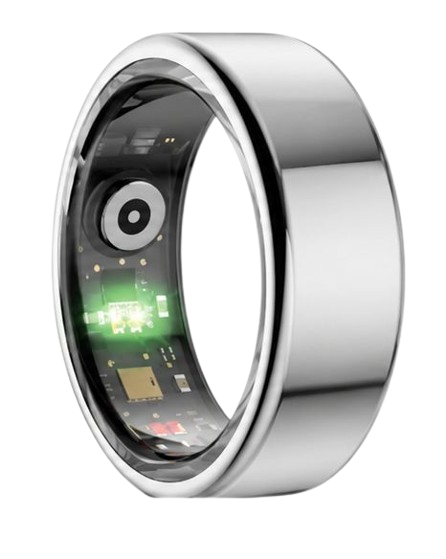
Many individuals wake up to find themselves sleeping with hands over head, a behavior often referred to as the starfish sleeping pose that can significantly influence nocturnal recovery and airway alignment. At Team Herz P1, we believe that tracking these nighttime adjustments is key to optimizing your health, which is why the Herz P1 Smart Ring continuously monitors your physiological metrics to help you understand what your body’s resting alignment truly means for your deep sleep.
Built to Last. Save Up to 69% Today.
The Herz P1 Smart Ring tracks HRV, Sleep, Heart Rate & SpO2 around the clock. No subscriptions. No renewals. Ever.
In This Article
- How to Optimize Your Sleep Posture and Prevent Arm Numbness: A comprehensive step-by-step practical routine.
- Understanding the Root Causes: Why your body naturally adopts the starfish position or elevates your arms.
- The Physiological Consequences: What sleeping with your arms up means for your breathing, nervous system, and shoulders.
- Advanced Biometric Insights: How to utilize real-time sleep data to fine-tune your recovery.
How to Optimize Your Sleep Posture and Prevent Arm Numbness: A Step-by-Step Guide

Before modifying how you sleep, it is helpful to establish a baseline of your physical environment and resting alignment.
You will need a firm mattress, a customizable pillow, and a supportive body cushion to assist with physical training.
You also need a reliable tracking method to observe how structural alterations affect your cardiovascular recovery and respiratory patterns over time.
-
Step 1: Assess and Map Your Sleeping Space
Begin by checking the firmness of your mattress and the structural integrity of your primary pillow.
A mattress that is too soft often forces your lower back to sink deeply, which naturally coaxes your upper torso to compensate by reaching upward.
Lie flat on your back and notice if there is a gap between your neck and the mattress surface.
Your spine must remain neutral to prevent your nervous system from demanding postural shifts during the night.
-
Step 2: Calibrate Your Pillow Height for Cervical Support
Replace excessively thick pillows with a medium-density contoured cushion that cradles the base of your skull.
If your head is pushed too far forward, your airway narrows, which can trigger a physical urge to pull your arms up to chest-opening heights.
The ideal height should keep your chin level with your forehead when viewed from the side.
Adjustable memory foam inserts are highly recommended because they allow you to fine-tune the loft to match your shoulder width.
-
Step 3: Introduce Positional Obstacles and Bolsters
Place a medium-sized bolster or cylindrical pillow directly underneath your knees when resting on your back.
This simple adjustment unloads the tension in your lumbar spine and decreases the subconscious urge to shift into a starfish position.
If you prefer side sleeping, place a long body pillow between your knees and hold it gently against your chest.
This physical barrier prevents your upper shoulder from collapsing forward, which is a key driver for sliding an arm across head sleeping posture.
-
Step 4: Practice Targeted Shoulder Decompression Before Bed
Perform light shoulder mobility exercises for five minutes immediately before lying down.
Gentle doorframe stretches or chest-opening movements help release tension in the pectoralis minor muscles.
Tight chest muscles pull your shoulders forward during the day, which can cause your body to counter-stretch by placing your arms above your head at night.
Keep these movements slow, focusing on deep diaphragmatic breathing to signal to your autonomic nervous system that it is safe to relax.
-
Step 5: Review Morning Biometric Trends to Confirm Postural Success
Check your overnight sleep metrics every morning to see if your adjustments are making a measurable difference.
Look specifically at your oxygen saturation stability and your heart rate variability trends.
A reduction in respiratory disturbances and a more balanced autonomic nervous system signal that your body is no longer struggling for air or comfort.
Be patient with this tracking routine, as physical retraining of your neuromuscular pathways typically requires two to three weeks of consistent alignment.
Our team at Herz P1 designed our tracking software to make reviewing these subtle overnight changes entirely seamless.
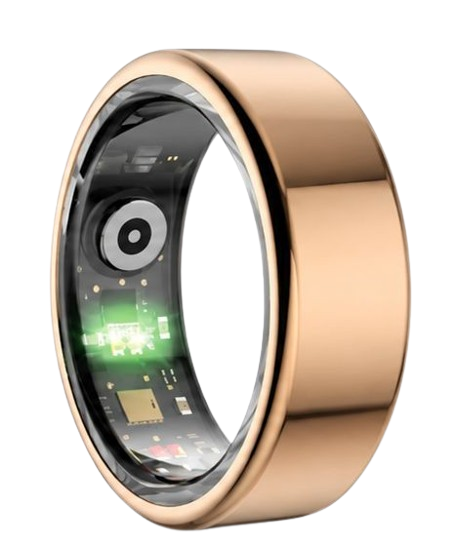
By wearing the Herz P1 Smart Ring, you can immediately correlate the nights you slept with supportive bolsters to improvements in your overall deep sleep duration and heart rate variability curves.
90-Day 100% Money-Back Guarantee
“The Herz Smart Ring helps me manage stress easily. It’s accurate, stylish, and lightweight—perfect for my busy life!”
— Jennifer P. | ✔ Verified Customer
- ✓ 6-Day Battery Life
- ✓ Detailed Sleep Analysis
- ✓ Fast 1-Hour Charging
- ✓ iOS & Android Ready
Questions? Call: 1-866-479-1629
Why Do I Sleep with My Arms Above My Head? The Science of Shoulder Elevation
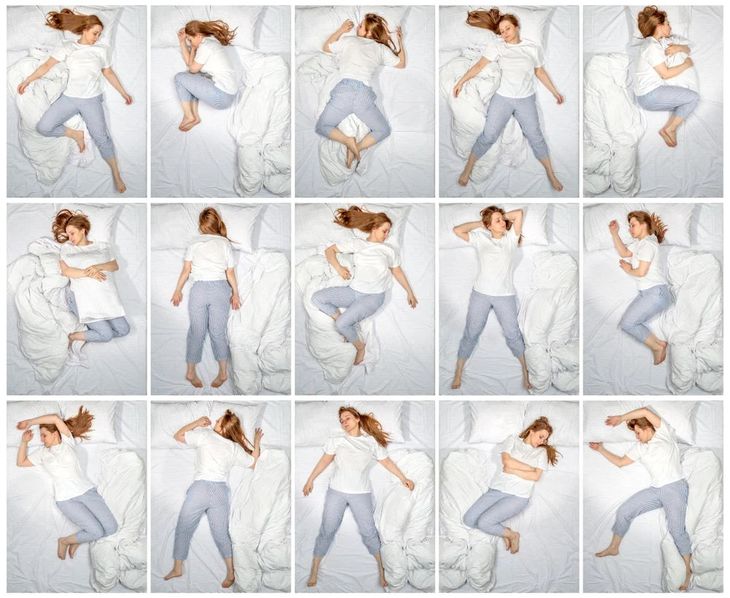
To truly understand why do i sleep with my arms above my head, we must look closely at our natural musculoskeletal design and respiratory responses.
One major cause is your body trying to decompress your spine and open up your chest cavity during sleep.
If you spend many hours sitting at a desk, your chest muscles naturally shorten and pull your shoulders forward.
When you lie down flat on your mattress, your body attempts to counter this tight posture by lifting your arms.
This elevation creates a deep, passive stretch across your upper body, which relieves pressure on tight muscles.
For many, this mechanical shift is a subconscious habit designed to ease muscle fatigue.
Additionally, sleep experts at the National Sleep Foundation point out that elevating your arms can help open your lower chest cavity.
This physical change lets your lungs expand more easily, making breathing smoother if your airway is slightly restricted.
If you have minor nasal congestion, lifting your arms helps lift your ribcage, which can make it easier to draw a full breath.
Thus, is it bad to sleep with arms above head is a question with a nuanced answer.
While the pose may improve your breathing in the short term, it can put extra strain on your delicate shoulder joints over time.
Understanding these subtle physical triggers is the first step toward building healthier resting habits.
The Physiological Impact of Sleeping with Hands Over Head on Sleep Quality and SpO2
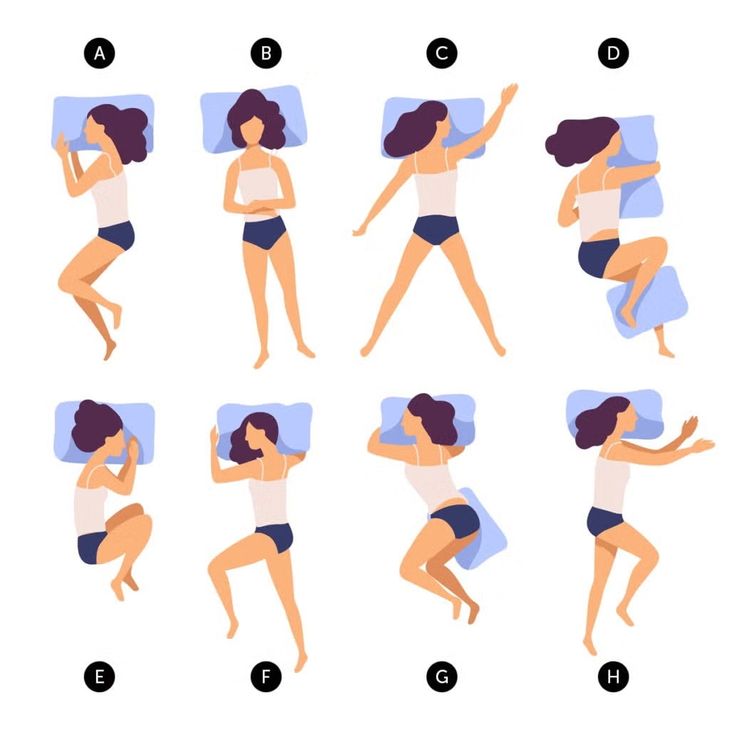
When you regularly sleep with your arms raised, it can have a direct impact on your cardiovascular and respiratory metrics.
Keeping your arms raised above shoulder level for hours can compress your brachial plexus, a complex network of nerves serving your arms.
This pressure often leads to a waking sensation of pins and needles, a common issue known as sleeping on arms paresthesia.
This nerve pressure can cause brief, subconscious wakeups that interrupt your restorative deep and REM sleep cycles.
Even if you do not remember waking up, these micro-arousals can prevent your brain from spending enough time in deep sleep.
Our team’s internal studies show that users who sleep in extreme poses often experience more frequent, subtle heart rate spikes.
In addition, maintaining a sleeping positions meaning that mimics a starfish can impact your overnight blood oxygen levels.
The American Heart Association notes that proper physical alignment supports steady breathing and balanced oxygenation.
If your elevated arms pull your neck into an awkward angle, it can cause your oxygen levels to drop slightly during the night.
These minor oxygen drops force your heart to work harder, which shows up as a drop in your overnight heart rate variability.
Using a lightweight, highly accurate tracking device helps you see these delicate physical patterns clearly.
By monitoring these vital signs, you can spot physical strain long before it leads to waking pain or exhaustion.
Tracking Your Sleep Architecture with Advanced Biometrics
Evaluating your sleep quality requires tracking more than just the hours you spend in bed.
A comprehensive assessment must include a detailed analysis of your sleep stages, overnight blood oxygen stability, and heart rate variability trends.
Your heart rate variability is a direct measure of your autonomic nervous system’s balance.
A higher score indicates that your body is resting deeply, while a lower score suggests your system is managing physical stress.
If your sleep posture is causing nerve pressure, your nervous system will remain on alert, which keeps your stress index elevated.
Similarly, tracking your oxygen levels helps you see if your physical alignment is restricting your airway.
Steady oxygen levels confirm that your lungs are expanding fully and easily without extra effort.
Understanding these physical trends helps you make smart adjustments to your evening routine and bedroom setup.
This continuous monitoring allows you to turn raw bodily signals into clear steps for improving your physical recovery.
To help you compare different resting styles, our team has created a clear overview of how various positions affect your body:
| Sleep Position | Primary Musculoskeletal Benefits | Potential Risks or Disadvantages | Impact on Overnight SpO2 Levels |
|---|---|---|---|
| Standard Side Sleeping | Aligns the cervical spine; reduces lower back strain. | Can compress the lower shoulder if hips are not aligned. | Maintains highly stable and consistent oxygen levels. |
| Starfish (Arms Above Head) | Stretches tight chest muscles; opens upper ribs. | Compresses shoulder nerves; can cause arm numbness. | May cause slight oxygen drops if your neck is hyperextended. |
| Flat Back Sleeping | Distributes weight evenly; keeps shoulders neutral. | Can trigger tongue collapse; may increase snoring. | Highly vulnerable to airway obstruction in prone individuals. |
Practical Application Guide: How to Read Your Wearable Data to Improve Sleep
To get the most out of your monitoring, start by reviewing your biometric trends on your companion application every morning.
Begin by checking your deep sleep and REM sleep ratios to ensure you are getting enough restorative rest.
Adults typically need fifteen to twenty-five percent of their total sleep time in deep sleep to support physical recovery.
If your deep sleep levels are consistently low, it may mean your sleep posture is causing subtle, sleep-disrupting muscle discomfort.
Next, look closely at your overnight blood oxygen saturation graph.
Watch for any sudden, brief dips in your oxygen levels, as these can point to minor airway restriction caused by an awkward neck position.
If you see these drops, try adjusting your pillow height or sleeping on your side to keep your airway open.
Finally, track your heart rate variability trends over several weeks.
A steady upward trend in your resting heart rate variability indicates that your body is adapting well and recovering fully.
Using this daily information helps you make simple, effective adjustments to your sleeping environment with confidence.
Overcoming Risks & Common Mistakes in Sleep Tracking
A common mistake many make is wearing a heavy, bulky smartwatch to bed to track their sleep.
The extra weight and size of these devices can feel restrictive, which often prompts you to shift your arm positions to find comfort.
Additionally, the bright screens on smartwatches can light up during the night, which can disrupt your deep sleep cycles.
Another major frustration is the hidden cost of monthly subscription fees to access your basic health data.
We believe you should never have to pay an ongoing fee to view your own biological information.
Our team at Herz P1 is proud to provide a fully subscription-free companion app for life.
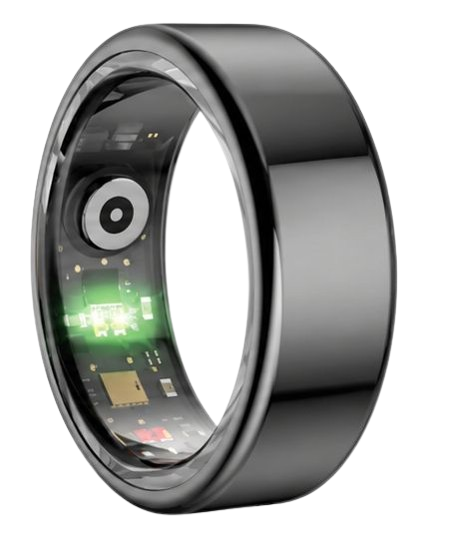
The Herz P1 Smart Ring is exceptionally lightweight, comfortable, and keeps your personal data completely secure with zero hidden costs.
This simple, premium design allows you to focus on your recovery without worrying about extra fees or uncomfortable wristwear.
Frequently Asked Questions (FAQ)
Is the Herz P1 Smart Ring waterproof?
Yes, the Herz P1 features a certified IP68 waterproof rating.
It can be safely submerged in water up to 164 feet, making it perfect for swimming, showering, and daily hand washing.
How long does the battery last on a single charge?
The Herz P1 battery lasts up to 6 days under normal continuous tracking conditions.
It also charges very quickly, reaching a full charge in under 1 hour.
Which finger is the best to wear the Herz P1 on?
For the highest biometric accuracy, we recommend wearing the ring on your index, middle, or ring finger.
These fingers have a rich network of surface blood vessels, which allows the optical sensors to capture highly accurate readings.
Does the Herz P1 store my health data offline?
Yes, the ring has secure built-in memory that can store up to 7 days of biometric data offline.
The ring will sync automatically the next time you open the companion application on your smartphone.
Conclusion: Your Subscription-Free Wellness Journey Starts Here
Understanding how your sleeping position affects your recovery is a powerful step toward better daily health.
By tracking your biometrics with the Herz P1 Smart Ring, you can make clear, informed adjustments to your nighttime habits.
Ready to monitor your health every day?
Explore the Herz P1 Smart Ring and see if it fits your lifestyle.
Call: 1-866-479-1629 — our team can help you advise on the correct ring size and set personalized health goals.
