

Tracking your Herz P1 smart ring monitors ovulation cycle temperature variations with precision to help women map their fertile windows and confirm ovulation. Scientific data shows that tracking basal temperature metrics allows you to understand natural hormone rhythms without the hassle of invasive daily tests. Read on to master your personal cycle architecture.
Built to Last. Save Up to 69% Today.
The Herz P1 Smart Ring tracks HRV, Sleep, Heart Rate & SpO2 around the clock. No subscriptions. No renewals. Ever.

In This Article
- The Step-by-Step Tutorial: How to properly configure smart sensors for clinical-grade ovulation cycle temperature mapping.
- The Biological Core: Deep chemical and physiological analysis of basal body temperature swings throughout your cycles.
- Real-World Optimization: Practical lifestyle integration methods to help you make data-driven wellness choices.
- Error Prevention: Identifying and resolving the most common tracking slip-ups that disrupt data metrics.
How to Track Your Ovulation Cycle Temperature: A Step-by-Step Smart Ring Guide

Prerequisites & Setup Needs
To successfully map your ovulation cycle temperature, you need a high-precision medical-grade tracker and a commitment to daily data discipline.
Modern skin-sensing micro-optics have replaced fragile, invasive mercury oral thermometers.
A smart wearable that logs continuous biometric updates during deep sleep removes the stress of manual morning tracking.
Ensure you have configured your companion application settings to receive baseline readings before you begin your tracking journey.
Step-by-Step Instructions
-
Step 1: Understand the Basics of Temperature Cycle Tracking
Initiating a reliable tracking routine requires an understanding of temperature cycle tracking models.
Your body temperature stays naturally cooler during the first phase of your cycle when estrogen levels are dominant.
This early segment of your cycle is known scientifically as the follicular phase.
You must wear your biometric tracker every single night to accurately establish this cooler phase baseline.
Our research shows that taking erratic, occasional readings will disrupt the software’s ability to find your true averages.
-
Step 2: Look Out for the Pre-Ovulation Temperature Dip
Many women ask, does temperature drop after ovulation or immediately before it occurs?
Physiological research shows a tiny, transient dip in skin temperature often happens right before the luteinizing hormone surge.
This fleeting thermal dip indicates that estrogen levels have reached their absolute peak in the bloodstream.
Observing this subtle dip helps you map the start of your highly fertile window.
Because this change is incredibly small, only highly sensitive skin sensors can reliably pick up this drop.
-
Step 3: Track the Post-Ovulation Thermal Shift
Successful ovulation is confirmed when you detect a clear upward shift in your temperature ovulation cycle metrics.
This sustained shift occurs because the corpus luteum releases high levels of progesterone after egg release.
Progesterone acts directly on your body’s internal thermostat to raise your resting temperature.
This shift typically elevates your temperature by 0.3 to 0.6 degrees Fahrenheit.
You must observe this elevated reading for at least three consecutive days to officially confirm ovulation has taken place.
-
Step 4: Maintain Consistent Wear on the Same Finger
To avoid reading errors, always wear your tracking ring on the exact same finger every day.
Changing fingers mid-cycle changes the blood flow path and skin thickness your sensors are reading.
These minor physical shifts can create false temperature spikes on your data dashboard.
We recommend choosing your index or middle finger for the tightest sensor-to-skin contact.
Keep the ring’s interior flat sensors aligned on the palm side of your hand for steady readings.
-
Step 5: Leverage Automated Charting for Hassle-Free Data Analysis
Rather than writing down daily numbers on paper, let an advanced bbt charting ring handle the calculations.
The companion app automatically logs your average resting skin temperature while you sleep.
This eliminates reading errors caused by walking, drinking water, or waking up at different times.
The app then generates a clean, readable visual line chart that automatically identifies your ovulation day.
Reviewing these weekly charts reveals your body’s personal fertile patterns month over month.
How Herz P1 Elevates Your Cycle Tracking
The Herz P1 Smart Ring makes tracking your ovulation with temperature shifts entirely effortless.
By using medical-grade multi-wavelength optical sensors, the ring tracks microscopic skin temperature changes all night long.
It pairs this thermal tracking with continuous heart rate variability and sleep architecture metrics.
This ensures you get a complete, multi-layered view of your overall hormonal wellness.
Best of all, you get access to these advanced biological insights with absolutely no monthly subscription fees.
Explore our premium, subscription-free tracking ring at the Herz P1 Checkout Page to start tracking your health today.
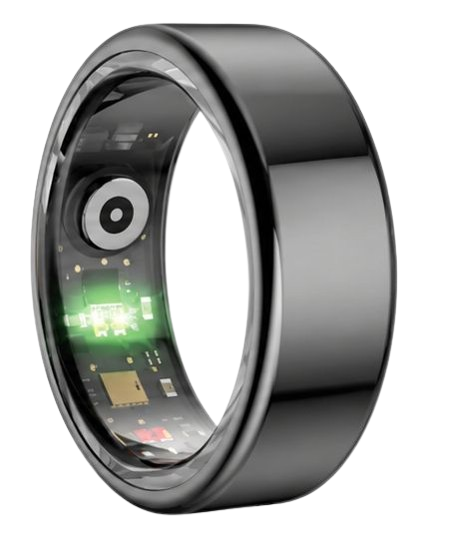
90-Day 100% Money-Back Guarantee
“The Herz Smart Ring helps me manage stress easily. It’s accurate, stylish, and lightweight—perfect for my busy life!”
— Jennifer P. | ✔ Verified Customer
- ✓ 6-Day Battery Life
- ✓ Detailed Sleep Analysis
- ✓ Fast 1-Hour Charging
- ✓ iOS & Android Ready
Questions? Call: 1-866-479-1629
The Biological Core: Understanding Your Ovulation Cycle Temperature Variations

To fully understand your body’s signals, you must explore the hormone shifts that control your bbt throughout cycle phases.
The menstrual cycle is a beautifully timed biological process driven by estrogen and progesterone.
During the follicular phase, low progesterone levels keep your resting temperature at its baseline cool state.
When a mature follicle releases an egg, the remaining cells transform into the corpus luteum.
This endocrine structure immediately starts producing progesterone to prepare the body for potential pregnancy.
Progesterone is thermogenic, meaning it naturally raises your resting metabolic rate and body temperature.
Our smart ring’s multispectral PPG sensors track this warming effect to confirm your ovulation window.
This physiological reaction is a reliable way to verify your ovulation without using expensive test strips.
In fact, clinical guidelines from the American College of Obstetricians and Gynecologists highlight this thermal shift as a key sign of ovulation.
By charting these daily fluctuations, you get an inside look at your reproductive system’s health.
Basal Body Temperature Before Period: Tracking the Luteal Phase
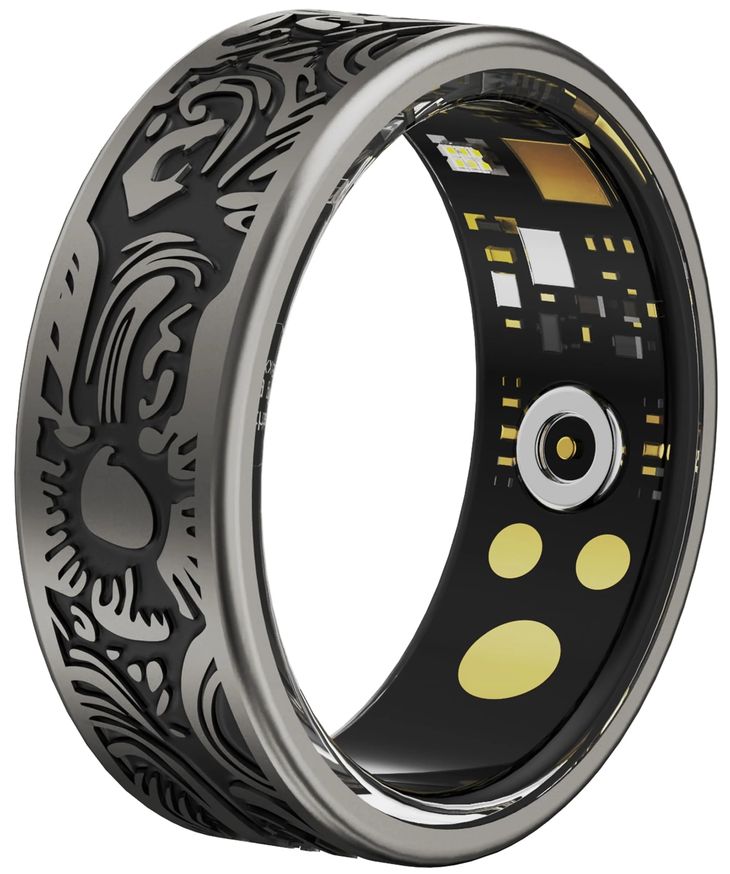
Monitoring your basal body temperature before period phases offers critical insights into the strength of your luteal phase.
This second half of your cycle should ideally stay elevated for 11 to 14 days.
A short luteal phase with rapidly dropping temperatures can indicate lower progesterone levels.
If fertilisation does not happen, the corpus luteum naturally breaks down at the end of this phase.
As progesterone levels decline, your basal body temperature drops back to its cooler baseline.
This thermal drop is a highly reliable sign that your period will begin within the next 24 to 48 hours.
If your temperature stays elevated past 18 days, it is often a very early sign of pregnancy.
The Herz P1 App tracks these patterns over time, helping you predict cycle start dates with high accuracy.
These automated insights help you coordinate your schedule, workouts, and self-care routines around your cycle.
Our database shows that tracking these natural patterns helps busy women take control of their reproductive health.
Maximizing Cycle Insights with Smart Ring Technology
Using a smart ring lets you track your cycle with complete, worry-free ease.
Unlike bulky watches that can feel uncomfortable to wear to bed, our lightweight smart ring is comfortable to wear 24/7.
Your body’s temperature readings are taken during your deepest sleep stages when environmental variables are lowest.
This provides a much cleaner, more accurate reading than trying to take your temperature manually first thing in the morning.
You can also check your basal temp during period phases to monitor how well your body recovers from monthly inflammation.
Analyzing this data alongside your heart rate variability (HRV) metrics gives you a clear picture of your nervous system’s health.
If you notice a lower HRV score alongside elevated temperatures, it is a sign to prioritize rest and active recovery.
The Herz P1 helps you easily balance workout intensity with your body’s natural cycle rhythms.
This data-informed approach helps you prevent overtraining and make the most of your body’s high-energy phases.
Avoiding Key Pitfalls in Ovulation Temperature Tracking
Many women run into tracking issues by not accounting for environmental and lifestyle variables.
Drinking alcohol the night before, travel, or shifting sleep schedules can cause temporary temperature changes.
These factors can lead to a misleadingly high body temp during follicular phase readings, which can confuse ovulation charts.
Our companion application helps you resolve this issue by highlighting anomalous readings that do not match your baseline.
Another common mistake is wearing a tracking device that is too loose on your finger.
If the sensors lose contact with your skin, the device will register incorrect ambient air temperatures instead.
Always ensure your ring fits securely without causing discomfort or restricting circulation.
Additionally, remember that resting skin temperature is not the same as core body temperature.
Skin temperature trends are highly accurate for cycle tracking, but they should not be used to check for a clinical fever.
Understanding these simple differences ensures you get clean, reliable data all month long.
Why Women are Choosing the Herz P1 Smart Ring
Choosing the right wearable for your wellness goals is an important decision.
We believe in providing full transparency so you can make an informed choice with confidence.
The table below shows how the Herz P1 compares directly against other popular tracking options on the market.
| Biometric Parameter | Herz P1 Smart Ring | Standard Smartwatches | Traditional Oral BBT |
|---|---|---|---|
| Monthly Subscription Fee | $0 (Free App Forever) | Varies ($6 – $10/month) | None |
| Data Collection Method | Continuous Nightly Skin Sensing | Periodic Wrist Skin Sensing | Manual Wakeup Oral Testing |
| Device Comfort Profile | Ultra-lightweight (Military Steel) | Bulky & heavy to wear during sleep | No overnight wear required |
| Ovulation Prediction Model | Automated BBT & HRV Algorithms | Basic Calendar Predictions | Manual Charting on Paper |
| Battery Performance | Up to 6 Days on a Single Charge | 1 – 2 Days average charging | Battery replacements needed |
Frequently Asked Questions About Cycle Temperature Tracking
Is the Herz P1 Smart Ring waterproof?
Yes, the Herz P1 features an industry-leading IP68 waterproof rating.
This military-grade construction means you can safely wear it while washing your hands, showering, swimming, or relaxing in a hot bath.
It is fully tested to withstand continuous water submersion up to 164 feet deep.
You never have to worry about taking it off during your daily routines or water activities.
How long does the ring’s battery last on a single charge?
The Herz P1 battery is engineered to last up to 6 full days of continuous 24/7 tracking.
This means you only need to charge your ring about once a week.
When it is time to charge, the ring goes from empty to a full 100% charge in less than an hour.
This quick-charging design ensures you rarely miss out on any valuable sleep or recovery data.
Which finger is best to wear the smart ring on?
We recommend wearing the Herz P1 on your index, middle, or ring finger for the most accurate readings.
These fingers have optimal blood vessel density close to the surface of the skin, which helps the sensors capture high-quality data.
Ensure the flat sensor window on the inside of the ring sits snugly against the palm side of your finger.
A secure fit is key to getting clean, uninterrupted biometric readings all night long.
Does the Herz P1 store my health data offline?
Yes, the ring has secure onboard memory that can store up to 7 days of biological data offline.
This means you do not need to keep your phone connected via Bluetooth all night long.
The ring will securely record your sleep, temperature, HRV, and SpO2 metrics independently.
Once you open the companion app, your offline data will sync automatically and update your personal health dashboard.
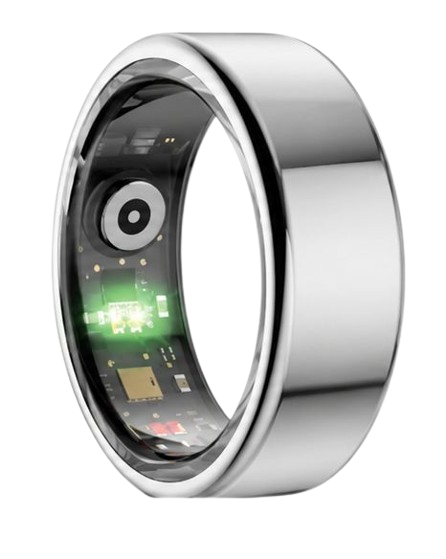
Conclusion
Mapping your reproductive patterns is the first step to unlocking deep physical self-awareness.
The Herz P1 Smart Ring offers a comfortable, subscription-free way to monitor your biological trends with clinical-grade accuracy.
Ready to monitor your health every day?
Explore the Herz P1 Smart Ring and see if it fits your lifestyle.
Call: 1-866-479-1629 — our team can help you advise on the correct ring size and set personalized health goals.
Note: Individual results may vary depending on individual health conditions, age, and lifestyle habits. This article is intended for general health reference purposes only.
