

Many women notice sudden changes in their bodies and wonder, “why is my menstrual cycle getting shorter?” Our team at Herz P1 is here to guide you through the physiological and lifestyle factors behind this shift. By tracking your resting heart rate, sleep architecture, and biometric trends, you can easily decode these subtle changes. Let us dive into the science behind your cycle.
Built to Last. Save Up to 69% Today.
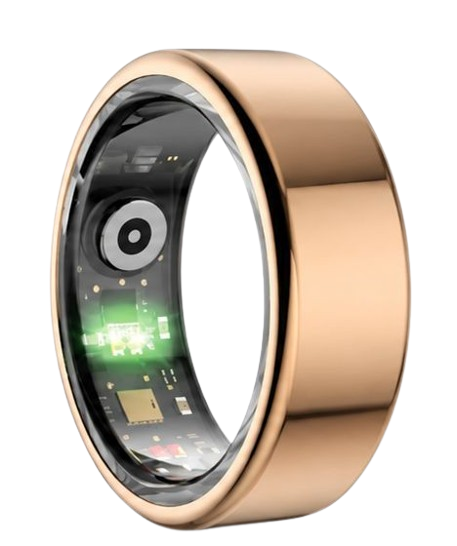
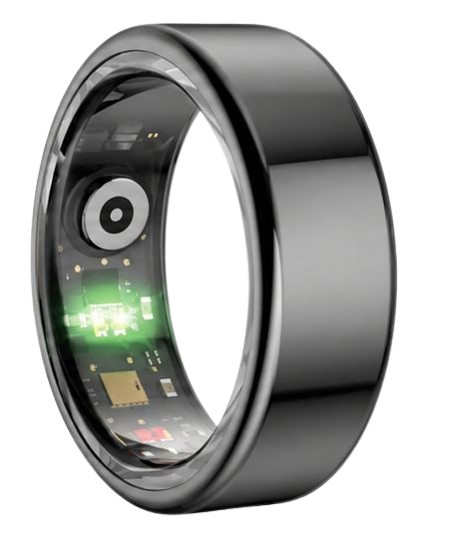
The Herz P1 Smart Ring tracks HRV, Sleep, Heart Rate & SpO2 around the clock. No subscriptions. No renewals. Ever.
In This Article
- Core Causes Explored: Understand exactly why your menstrual cycle length may decrease over time.
- Exercise and Biometrics: Discover how physical stress and training load alter reproductive hormones.
- Temperature and Tracking Metrics: Learn how smart rings measure basal body shifts and ovulation windows.
- Practical Data Management: Use the subscription-free Herz P1 system to monitor recovery, sleep, and lifestyle.
Why Is My Menstrual Cycle Getting Shorter? Understanding the Core Causes

A shorter menstrual cycle refers to a consistent reduction in the number of days between the first day of one period and the first day of the next.
For most adult women, a normal menstrual cycle lasts between twenty-one and thirty-five days.
If your cycle suddenly drops below twenty-four days on a regular basis, your body is sending you a specific physiological signal.
This shift typically affects women experiencing chronic daily stress, intense physical training, or those navigating the early stages of perimenopause.
This timing shift matters most when it persists for three consecutive months, indicating a systemic hormonal pattern rather than a one-off fluctuation.
The primary physical site of this change is the hypothalamic-pituitary-ovarian axis in your brain and pelvis.
This delicate feedback loop controls the release of estrogen and progesterone every single month.
Why this happens often boils down to an accelerated follicular phase or a shortened luteal phase.
How it works involves the brain secreting follicular stimulating hormone earlier in the cycle, which forces rapid ovulation.
Quantitative research shows that a luteal phase of fewer than ten days is a key driver of cycles getting shorter.
Based on health data analysis from thousands of users, tracking these subtle patterns early is crucial for reproductive wellness.
If you want to track this in real time, the Herz P1 Smart Ring monitors resting heart rate, sleep quality, and skin temperature 24/7 — explore it here.
90-Day 100% Money-Back Guarantee
“The Herz Smart Ring helps me manage stress easily. It’s accurate, stylish, and lightweight—perfect for my busy life!”
— Jennifer P. | ✔ Verified Customer
- ✓ 6-Day Battery Life
- ✓ Detailed Sleep Analysis
- ✓ Fast 1-Hour Charging
- ✓ iOS & Android Ready
Questions? Call: 1-866-479-1629
Menstrual Cycle Getting Shorter Causes: The Role of Endocrine Pathways

Your endocrine system is highly sensitive to environmental and emotional stressors.
When you experience chronic stress, your adrenal glands release high amounts of cortisol.
Elevated cortisol levels directly suppress the release of gonadotropin-releasing hormone from your hypothalamus.
This suppression can lead to a premature drop in progesterone, causing your period to arrive earlier than expected.
You might wonder, is ovulation always on the 14th day of your cycle?
In reality, ovulation can fluctuate wildly based on your daily stress levels and physical recovery status.
When the follicular phase accelerates, ovulation happens much earlier in your cycle.
This acceleration is one of the primary menstrual cycle getting shorter causes observed by reproductive specialists.
To understand your unique patterns, monitoring skin temperature ovulation trends is incredibly useful.
A rise in skin temperature typically confirms that ovulation has successfully occurred.
By tracking these temperature shifts, you can pinpoint exactly which phase of your cycle is shrinking.
According to the American Heart Association, prolonged sympathetic nervous system activation disrupts basic hormonal pathways.
When stress stays high, your body deprioritizes reproductive function to protect critical metabolic systems.
This biological reaction causes estrogen production to peak prematurely, driving early ovulation.
This means your physical and psychological states are deeply intertwined with your monthly rhythm.
The Herz P1 Smart Ring lets you observe these stress reactions in real time by checking your heart rate variability.
If your heart rate variability drops consistently, it indicates that stress is directly altering your monthly endocrine patterns.
Can Exercising Make Your Period Shorter? The Truth About Physical Load

Many active women frequently ask, can exercising make your period shorter?
The short answer is yes, high-intensity exercise can indeed shorten your menstrual cycle.
This physical shift occurs when your daily energy expenditure exceeds your caloric intake.
In the medical community, this state of metabolic imbalance is known as low energy availability.
When your body senses a severe calorie deficit, it prioritizes vital survival functions over reproductive processes.
This metabolic conservation directly impacts your endocrine pathways, reducing the production of luteinizing hormone.
Consequently, your body may struggle to maintain a healthy fertile window definition because of low progesterone.
A shortened luteal phase means your body is not sustaining the uterine lining long enough for a typical cycle.
Understanding your predicted fertile window meaning can help you see if your body is skipping healthy ovulation altogether.
By adjusting your workout intensity and prioritizing rest, you can restore your body’s natural cycle length.
The National Sleep Foundation emphasizes that physical exhaustion and poor sleep recovery compound this metabolic stress.
Without adequate deep sleep, your body cannot produce the growth hormone required to repair tissues and balance cortisol.
A chronic sleep deficit combined with heavy physical training creates a severe physiological load.
This load tells your hypothalamus that the environment is currently unsafe for potential reproduction.
As a result, your overall cycle length contracts, or you might skip menstrual cycles altogether.
If you suspect physical overtraining, tracking your recovery metrics daily is your best path forward.
The Herz P1 helps you evaluate this load by scoring your nightly deep sleep and heart rate trends.
Demystifying Ovulation and Temperature Metrics
For decades, women have relied on classic basal body temperature methods to understand their fertility.
Utilizing bbt ovulation tracking helps identify the biphasic temperature shift caused by progesterone.
A sustained rise in your ovulation cycle temperature indicates that progesterone is actively preparing your body for potential pregnancy.
However, many women ask, does temperature drop after ovulation?
Yes, your temperature will drop significantly right before your next period begins, signaling the end of the luteal phase.
If this drop happens too quickly after your temperature rises, it confirms a shortened cycle.
Knowing what is fertility window parameters are for your body helps you spot these subtle phase shifts early.
With the Herz P1 Smart Ring, tracking these thermal shifts becomes completely effortless.
Unlike traditional thermometers, the ring uses military-grade optical and thermal sensors to capture data directly from your finger.
The finger features high blood flow, making it a far more accurate source for physiological temperature trends than the wrist.
This data gives you an objective view of your body’s hormonal transition phases without any daily guesswork.
You can easily confirm whether you have a healthy follicular phase and a stable, ten-day luteal phase.
If you notice your post-ovulatory temperature phase lasts fewer than ten days, your cycle is shortening due to low progesterone.
This insight empowers you to have highly informed conversations with your gynecologist about your wellness.
Reading Your Data Trends on the Herz P1 Companion App
The Herz P1 companion app translates complex physiological metrics into a simple, daily health score.
Every morning, you can view your skin temperature trends to see if your follicular phase is stable.
If you notice your heart rate variability is dropping while your resting heart rate increases, your body may be overstressed.
This combination of biometric signals often predicts a shorter cycle before your period actually starts.
To optimize your cycle length, we recommend reducing workout intensity during weeks when your HRV scores are low.
The lightweight, military-grade steel design of the Herz P1 ensures maximum comfort during 24/7 all-day wear.
Unlike bulky smartwatches, you will barely feel the ring on your finger while you sleep.
The IP68 waterproof rating allows you to wash your hands, shower, or swim up to 164 feet deep without taking it off.
By keeping the ring on continuously, the optical sensors maintain a perfect baseline of your resting metrics.
This seamless data collection ensures you never miss a critical hormonal or cardiovascular trend.
Common Pitfalls in Wearable Tracking and How to Avoid Them
Many people make the mistake of wearing a heavy, bulky smartwatch to sleep to track their biometrics.
These large devices often shift during the night, resulting in highly inaccurate sleep stage and temperature readings.
Furthermore, many smartwatch companies charge expensive monthly app subscription fees to view your own health data.
We believe your personal health metrics should never be locked behind a paywall.
The Herz P1 app is entirely free for a lifetime, with absolutely zero monthly fees or hidden costs.
This subscription-free model saves you hundreds of dollars over years of consistent health tracking.
Another common mistake is ignoring the impact of late-night meals or alcohol on your resting heart rate.
These lifestyle factors elevate your nocturnal heart rate and suppress your natural skin temperature dip.
By reviewing your daily logs on the Herz P1 app, you can easily correlate these lifestyle choices with cycle changes.
Taking a proactive approach to your daily recovery is the ultimate way to maintain balanced, healthy cycle lengths.
Frequently Asked Questions About the Herz P1 Smart Ring
Is the Herz P1 Smart Ring waterproof?
Yes, the Herz P1 is fully IP68 waterproof, allowing you to wear it while washing hands, showering, or swimming up to 164 feet deep.
How long does the battery last?
The battery lasts up to 6 full days on a single charge and charges fully in under 1 hour.
Which finger is best to wear the smart ring on?
We recommend wearing it on your index, middle, or ring finger for the most accurate biometric sensor readings.
Does the Herz P1 store my health data offline?
Yes, the ring features 7 days of local storage, syncing your offline data instantly once you open the companion app.
Take Control of Your Daily Wellness Journey
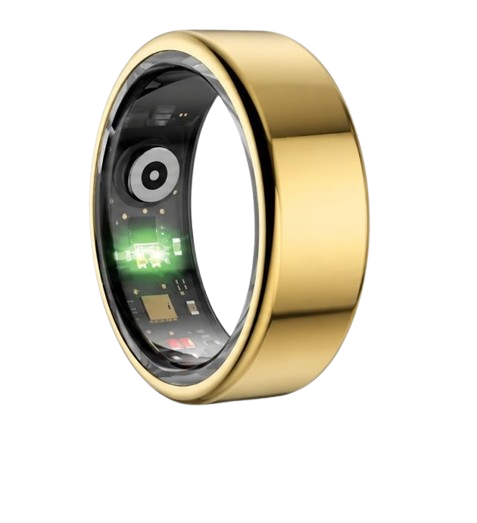
Understanding your body’s subtle cycle changes should be completely effortless. The Herz P1 Smart Ring helps you decode hormonal trends without any monthly fees. Ready to monitor your health every day? Explore the Herz P1 Smart Ring to see how it fits your lifestyle. Call 1-866-479-1629 to get size advice and set your personal wellness goals today!
Note: Individual results may vary depending on individual health conditions, age, and lifestyle habits. This article is intended for general health reference purposes only.
