

Why Do Naps Make Me Feel Sick? The Science Behind Post-Nap Nausea and Fatigue
Ever wake up from a quick rest feeling worse than before? If you are constantly asking yourself, “why do naps make me feel sick,” you are not alone. This post-nap nausea and grogginess stem from physiological shifts in your heart rate variability (HRV) and sleep stages. Discover how tracking your recovery with the subscription-free Herz P1 Smart Ring can help you reclaim restful sleep.
Take Back Your Sleep.
Take Back Your Life.
- Fall asleep faster & sleep deeper
- Stop waking up in the middle of the night
- Wake up refreshed & full of energy
Key Highlights:
- The Culprit is Sleep Inertia: Waking up in the middle of deep slow-wave sleep leaves the brain and body in a transitional, groggy state.
- Autonomic Imbalance: Sudden transitions from highly active parasympathetic (rest and digest) states to sympathetic (fight or flight) states can induce physical nausea.
- Body Temperature & Blood Pressure Drops: Naturally occurring cardiovascular dips during sleep can make you feel cold, shaky, and physically ill upon waking.
- Subscription-Free Biometrics: Learn how to track your sleep stages and recovery using the screen-free, elegant Herz P1 Smart Ring.
Table of Contents
Why Do Naps Make Me Feel Sick? The Quick Answer
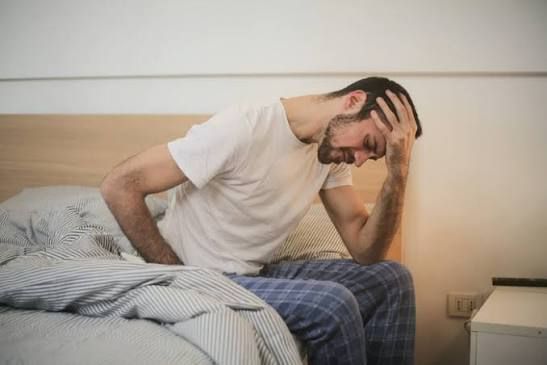
Yes, feeling physically ill after a nap is a very real, scientifically documented phenomenon. The short answer is that waking up at the wrong point in your sleep cycle triggers a physiological mismatch called “sleep inertia,” which disrupts your cardiovascular system, digestive tract, and vestibular balance. However, to choose the right strategy for preventing this discomfort, you must understand your body’s unique circadian rhythms and daily recovery capacity.
When we sleep, our bodies don’t just switch off; they transition through a highly coordinated series of biochemical and electrical stages. If you close your eyes for a mid-afternoon rest and wake up feeling shaky, nauseous, or experiencing severe brain fog, your nervous system has likely been caught mid-transition. This physical discomfort can make you feel even more exhausted, turning what should have been a restorative break into a frustrating source of stress.
If you frequently struggle with morning grogginess or find yourself wondering why does my body ache when I wake up, the underlying mechanisms are often identical to what causes that uncomfortable sensation of nausea after nap. Your sleep architecture—specifically how smoothly you transition between light, deep, and REM sleep—dictates exactly how your body responds to waking up.
When to Nap (and When to Skip It)
Napping is a double-edged sword. It can be incredibly restorative if your daily recovery metrics are low, but it can actively sabotage your sleep architecture if executed poorly. To understand why do naps make me feel sick, we have to look at when your body is actually receptive to daytime rest:
- The Safe Zone (15 to 20 Minutes): A brief, light power nap keeps you in Stage 1 and Stage 2 sleep. It provides a cognitive boost without dropping your core body temperature or heart rate into deep slow-wave territory. This minimizes the risk of feeling nauseous after nap sessions.
- The Full Cycle (90 Minutes): If you are suffering from severe sleep deprivation, a full 90-minute sleep cycle allows your body to enter deep sleep and naturally transition back out into light sleep before you wake up.
- The Danger Zone (30 to 75 Minutes): This is the prime trigger for post-nap illness. Waking up during this window jerks your brain directly out of deep slow-wave sleep. Your heart rate, blood pressure, and mental clarity are at their lowest, resulting in a severe physical and mental hangover.
For many individuals, trying to guess which sleep phase they are in is an impossible task. This is where modern biometric tracking becomes invaluable. Rather than relying on clumsy, distracting smartwatches that flash screens in your eyes and require constant charging, a screen-free, lightweight titanium wearable like the Herz P1 Smart Ring tracks these transitions silently from your finger. By monitoring your exact sleep phases and cardiovascular recovery, it helps you identify whether your body actually needs a nap or if you simply need to focus on how to sleep longer during your primary nighttime rest.
The Biometric and Neurological Science Behind Post-Nap Nausea

To understand the biological mechanisms behind why do naps make me feel sick, we have to look closely at what occurs in our cardiovascular and nervous systems during a daytime slumber. Feeling nauseous after nap times is rarely random; it is typically a physiological consequence of how your autonomic nervous system (ANS) behaves when interrupted.
When you lie down to rest, your body transitions control from your sympathetic nervous system (which governs executive action and alertness) to your parasympathetic nervous system (which manages rest, recovery, and digestion). This parasympathetic dominance results in several drastic biometric changes:
- Vasodilation and Blood Pressure Drop: Your blood vessels relax, and your blood pressure naturally decreases to support cellular healing.
- Decreased Heart Rate: Your resting heart rate drops, and your heart rate variability guide highlights that a healthy body should display higher, more variable heart rhythms during peaceful rest.
- Metabolic and Digestive Slowdown: Your gastrointestinal tract slows its muscular contractions, and core body temperature drops to conserve energy.
Now, imagine an alarm abruptly waking you up from a deep Stage 3 or Stage 4 slow-wave sleep cycle. Within seconds, your brain perceives this sudden awakening as an emergency. It floods your bloodstream with cortisol and adrenaline, forcing your heart rate to jump and attempting to constrict your dilated blood vessels instantly.
This sudden surge of stress hormones combined with a sluggish circulatory system is a primary trigger for nausea after nap. Your digestive tract, which was essentially put on pause, is suddenly jolted, causing a temporary backup of stomach acids (acid reflux) or mild gastric distress. Furthermore, the rapid shift in blood pressure can leave you feeling dizzy and disoriented, replicating the sensation of motion sickness.
If you suffer from regular nighttime struggles, such as waking up at 3 AM with a racing mind or dealing with overall non-restorative sleep, your body is likely entering its daytime naps in an already compromised state. Persistent sleep deprivation alters your brain’s sleep architecture, forcing you to plunge into deep, slow-wave sleep much faster than normal during a nap. This makes you significantly more vulnerable to sleep inertia and the subsequent physical illness that follows a sudden awakening.
The Inner Ear & Vestibular Disruption
Another highly common but overlooked cause of post-nap nausea is vestibular confusion. As you sleep, the fluid in your inner ear (which regulates balance and spatial orientation) settles. Jerking upright too quickly after a nap forces your brain to process sudden visual data before your vestibular fluid has stabilized. This sensory conflict mimics the exact biological pathway of car sickness, leaving you feeling profoundly dizzy, unstable, and nauseated.
Actionable Protocols: How to Nap Without Feeling Ill

You do not have to banish naps from your life completely. By implementing deliberate, scientifically-backed recovery protocols, you can bypass the physiological triggers that cause you to feel nauseous after nap rests. Here is how to redesign your daytime recovery:
1. Master the “Appetizer Nap” (15-20 Minutes)
To completely avoid the dreaded deep-sleep trap, set your alarm for no longer than 20 minutes. This window allows you to enter Stage 2 light sleep, which clears adenosine (the chemical building block of sleep pressure) from your brain without dropping your heart rate or core temperature into deep sleep. When your alarm rings, you will experience a smooth shift back to alertness with zero sleep inertia or nausea.
2. Align with Your Circadian Rhythms
Timing your naps to match your biological clock is crucial. Napping too late in the afternoon (such as after 4:00 PM) conflicts with your body’s natural preparation for nighttime sleep. The optimal window for a mid-day nap is between 1:00 PM and 3:00 PM, a period when most humans experience a natural circadian dip in alertness. Aligning your rest with this window helps maintain a healthy circadian rhythm balance and lowers the biological shock of waking up.
3. Transition Slowly and Rehydrate
When your alarm sounds, do not jump out of bed immediately. Allow your vestibular system and cardiovascular reflexes to adjust. Spend two minutes lying flat, then sit up slowly on the edge of your bed for another minute before standing. Immediately drink a glass of cool water; dehydration during sleep can restrict blood flow to your brain, exacerbating feelings of shakiness and physical nausea.
Reclaim Your Recovery with the Herz P1 Smart Ring
Tired of bulky, uncomfortable smartwatches that flash blinding screens in the middle of the night? The Herz P1 Smart Ring offers a premium, screen-free, subscription-free alternative designed for ultimate sleeping comfort.
- No Subscription Fees: Pay once, own your health data forever with absolutely no hidden costs.
- Lightweight Titanium Comfort: So light and elegant you’ll forget you are wearing it, ensuring zero sleep disruptions.
- Comprehensive Sleep Stage Analysis: Accurately tracks REM, Deep, and Light sleep stages to identify why your body is struggling.
- Simple Recovery Score: Translates complex biometric algorithms into a clean, actionable score so you know exactly when to nap or push through.
4. Track Your Autonomic Stress Load
If you consistently find yourself wondering why do naps make me feel sick, your autonomic nervous system may simply be overtaxed. Using tools like a sleep inertia solutions guide or monitoring your heart rate variability (HRV) can help you assess your nervous system’s current capacity. A lower-than-normal HRV suggests your sympathetic nervous system is highly active, indicating that your body is under stress. During these periods, attempting a deep nap is highly likely to trigger sleep inertia and physical illness.
By evaluating your biometrics in a simple, consolidated format, you can make intelligent decisions about your physical health. If your overnight recovery is exceptionally low, focusing on improving your evening wind-down routine—such as removing screens and avoiding heavy meals before bed—will yield far better results than trying to offset your exhaustion with daytime naps. If your metrics show a healthy baseline, you can feel confident that a quick, well-timed light nap will leave you feeling refreshed rather than physically sick.
Frequently Asked Questions
Why do I feel sick after a nap but not after nighttime sleep?
This discrepancy is entirely due to sleep cycle completion. During a full night of rest, your body naturally transitions through multiple complete 90-to-110-minute sleep cycles, eventually leading you back to light, near-wakeful sleep stages before you open your eyes. In contrast, daytime naps are frequently cut short by loud alarms or external noises while your brain is still in the middle of a deep, slow-wave cycle. This abrupt interruption triggers a severe form of sleep inertia, which is a major cause of post-nap physical nausea and grogginess.
Can a drop in blood sugar cause post-nap shakiness and nausea?
Yes, blood sugar shifts can play a major role, especially if you ate a carbohydrate-heavy meal or sugary snack shortly before falling asleep. Sleep naturally slows down your body’s insulin production and digestion. If you nap during a sharp blood sugar spike, your body struggles to process the glucose efficiently, leading to a sudden drop in blood sugar levels (reactive hypoglycemia) upon waking. This biological crash can leave you feeling incredibly shaky, anxious, cold, and physically nauseous.
How do I know if my grogginess is just normal tiredness or something else?
Normal post-sleep fatigue (mild sleep inertia) should resolve within 15 to 30 minutes as you move around, drink water, and expose yourself to bright light. If your grogginess persists for hours, or if you regularly experience physical pain, disorientation, or a rapid heart rate upon waking, you may be dealing with chronic circadian rhythm disruptions, sleep apnea, or severe underlying fatigue. Tracking these trends can help identify if your daytime exhaustion is linked to poor sleep quality. For a deeper look into persistent morning fatigue, refer to our comprehensive guide on morning fatigue causes.
Should I drink caffeine immediately after waking up to clear post-nap sickness?
While it is tempting to reach for a strong cup of coffee to shake off post-nap grogginess, doing so immediately can actually worsen physical nausea. Your digestive system is already in a sensitive, transitional state; introducing highly acidic caffeine can irritate your stomach lining and trigger acid reflux. Instead, prioritize drinking 12 to 16 ounces of cool water first to rehydrate your tissues and naturally elevate your blood pressure. Wait at least 20 to 30 minutes for your autonomic nervous system to stabilize before consuming caffeine.
Disclaimer: Results may vary depending on individual physical activity levels, unique health conditions, and daily tracking patterns. The biometric data provided by wellness wearables is intended for informational and lifestyle optimization purposes only. This content is not a substitute for professional medical advice, diagnosis, or treatment. Always consult with a qualified healthcare provider regarding any chronic physical symptoms or sleep disturbances.
