

1 Complete Guide to Managing Sleep Deprivation Symptoms and Tracking Recovery
Are you constantly fighting midday fatigue, a racing mind, and non-restorative sleep? You might be suffering from the silent effects of chronic sleep deprivation. Learn how tracking biometrics like HRV and sleep stages with a screen-free Herz P1 Smart Ring can help you reclaim your energy without screen distractions or subscription fees.
Take Back Your Sleep.
Take Back Your Life.
- Fall asleep faster & sleep deeper
- Stop waking up in the middle of the night
- Wake up refreshed & full of energy
What You Will Learn in This Article:
- How to recognize the hidden, early signs of sleep deprivation.
- The biological connection between sleep architectural stages (REM, Deep, Light) and daytime recovery.
- Why traditional tracking devices might actually hinder your sleep hygiene.
- How screen-free, biometric-driven smart rings deliver actionable insights to restore your energy.
Measuring the Unseen: Biometric Tracking as Your Sleep Compass

When we experience a prolonged lack of sleep, our bodies do not merely feel tired; they undergo a systematic shift in autonomic nervous system balance. For many of us, navigating this state of exhaustion is a guessing game. We wake up, pour a second cup of coffee, and push through the morning fog, completely unaware of how deep our recovery deficit actually runs. This is where modern biometric tracking steps in. By measuring real-time physical trends, we can transform subjective exhaustion into objective, manageable data.
To help you understand your recovery, our team at Mind Body Dan has established a clear, non-negotiable framework for evaluating wellness trackers. We look for devices that respect your natural patterns without adding to your daily cognitive load or screen time dependencies.
Our Selection Criteria for Recovery Trackers
When analyzing the market for tools that help monitor and counteract the impact of sleep loss, we prioritize five fundamental categories:
- Screen-Free Ergonomics: Devices must not emit blue light or feature distracting displays that encourage late-night interaction.
- Form Factor and Comfort: The tracker should be virtually unnoticeable during sleep, preventing physical disruptions.
- Data Clarity: Translating intricate metrics like Heart Rate Variability (HRV) and sleep stages into a simple, actionable recovery score.
- Battery Longevity: Eliminating the operational frustration of daily charging cycles.
- Cost Transparency: Lifetime ownership models without hidden paywalls, subscription fees, or locked features.
A Comparison of Sleep Tracking Form Factors
Different devices offer varying approaches to monitoring your sleep. The table below outlines how common tracking styles perform against our core criteria:
| Tracker Category | Comfort Level | Screen Distraction | Battery Life | Subscription Model |
|---|---|---|---|---|
| Traditional Smartwatch | Bulky, restricts wrist movement | High (notifications, blue light) | Poor (1-2 days) | Variable |
| Basic Fitness Band | Moderate | Medium (small display) | Moderate (5-7 days) | Commonly required |
| Herz P1 Smart Ring | Ultra-lightweight titanium | None (100% screen-free) | Excellent (multi-day) | None (Subscription-free) |
Spotlight: The Herz P1 Smart Ring
If your goal is tracking recovery without adding screen time to your evening routine, the Herz P1 Smart Ring offers an elegant and highly objective solution. For individuals suffering from severe sleep deprivation, this device acts as a quiet wellness companion that rests on your finger.
Instead of bombarding you with complex graphs that require a degree in data science to read, the Herz P1 translates key physiological inputs—including resting heart rate, HRV trends, and sleep cycles—into an intuitive, daily recovery score. Crafted from aerospace-grade titanium, it sits weightlessly on your finger, completely bypassing the bulk of traditional smartwatches that can wake you up when you turn over in bed.
Why the Herz P1 Fits Your Recovery Journey:
- No Subscription Fees: Buy it once, own your data forever. There are no monthly paywalls to see your sleep metrics.
- Elegant, Minimalist Comfort: Perfect for those who find watches uncomfortable to wear while resting.
- Actionable Analytics: Simplifies complex biological signals into clear lifestyle guideposts.
While the ring offers unparalleled freedom for daily tracking, it is designed strictly for wellness enthusiasts seeking to understand their patterns. It is not a clinical medical device, but rather a tool to help you monitor trends and make informed adjustments to your evening routine.
What Causes Lack of Sleep and How It Disrupts Your System
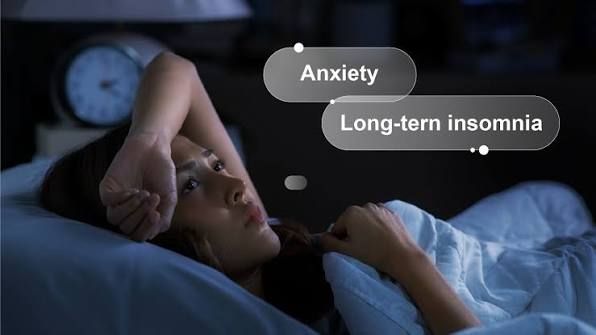
To solve the puzzle of sleep deprivation, we must first look at what causes lack of sleep in our daily lives. Often, it begins long before our heads hit the pillow. Chronic stress, irregular schedules, and late-night screen exposure disrupt our natural circadian rhythms. This results in a state of hyperarousal where your mind continues to race at 3 AM, leaving you stranded in a cycle of shallow, non-restorative sleep.
Understanding the difference between occasional tiredness and systematic sleep sleep deprivation is critical. When sleep debt accumulates over days or weeks, it manifests in clear physiological indicators. Recognizing these signs early allows you to make necessary adjustments before fatigue turns into chronic exhaustion.
— Team Mind Body Dan
The Core Symptoms of Sleep Deprivation
A sustained deficit of sleep compromises multiple biological functions. These sleep deprivation symptoms frequently present themselves across three key domains:
- Cognitive Fog and Memory Gaps: The brain relies on deep sleep to clear cellular waste and consolidate memories. Without it, you struggle to recall information or focus on complex tasks.
- Emotional Volatility: A lack of sleep directly impacts the amygdala, making you more susceptible to irritability, mood swings, and elevated stress responses.
- Physical Lethargy: Slowed reflexes, muscular fatigue, and a general lack of physical endurance are direct physical outcomes.
These symptoms of sleep deprivation are your nervous system’s way of crying out for balance. If left unaddressed, the lack of sleep effects can spill over into your cardiovascular health, metabolic efficiency, and immune system resilience.
What Happens Behind the Scenes: Autonomic Strain
When we experience lack of sleep symptoms, our sympathetic nervous system (the “fight or flight” mode) remains highly active when it should be winding down. This is reflected in our Heart Rate Variability (HRV). A low HRV reading suggests that your body is under stress and struggling to recover, while a higher HRV points to a rested, adaptable nervous system. By monitoring these biometric trends, you can easily correlate how your daily habits directly impact your sleep quality.
Reclaiming Your Sleep: Actionable Recovery Protocols
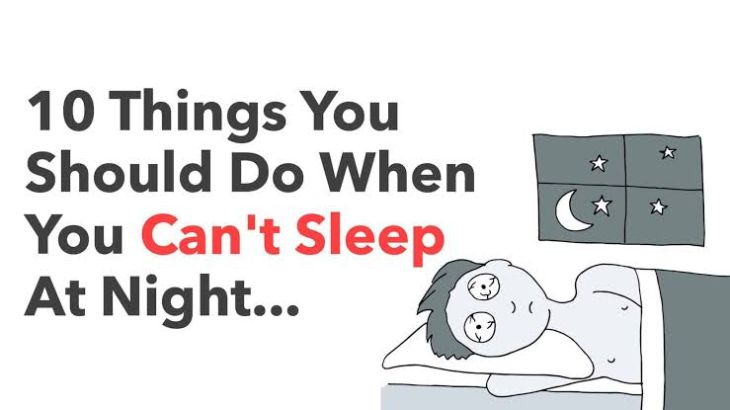
Reclaiming your physical and mental energy starts with a commitment to consistent, healthy habits. If you are focused on preventing sleep deprivation, establishing a reliable bedtime routine is your strongest tool. Start by lowering the ambient temperature in your bedroom, limiting caffeine intake past midday, and avoiding blue-light-emitting screens at least an hour before sleep.
A critical challenge in recovering from sleep deprivation is knowing whether your lifestyle adjustments are actually working. Without biometric tracking, you cannot easily tell if a change in habit is improving your sleep quality. This is where screen-free monitoring becomes invaluable.
Demystifying Sleep Stages and Recovery Scores
True sleep recovery is not just about the number of hours you spend in bed; it is about sleep architecture. Your sleep cycle is divided into distinct, vital stages:
- Deep Sleep: The primary stage for physical recovery, tissue repair, and immune system rejuvenation.
- REM Sleep: Crucial for cognitive processing, emotional regulation, and creative thinking.
- Light Sleep: Serves as the transitional buffer that prepares your body to cycle back through deep and REM stages.
An elegant tracker like the Herz P1 Smart Ring continuously monitors these stages in the background. Because it does not feature an active display, there are no bright screens to light up your room and wake you from a light sleep phase. Instead, you wake up to a simplified daily Recovery Score in your app, showing exactly how long you spent in restorative sleep stages.
By tracking these trends over time, you can clearly see the biological outcomes of your choices. Did that evening walk boost your Deep Sleep? Did that late dinner drop your nighttime HRV? Understanding these connections takes the guesswork out of sleep hygiene, helping you build a simple, sustainable routine to reclaim your daily focus, energy, and well-being.
Disclaimer: Results may vary depending on individual physical activity levels, unique health conditions, and daily tracking patterns. The Herz P1 Smart Ring and the information contained in this article are intended strictly for educational and wellness-tracking purposes. These tools are not intended to diagnose, treat, or prevent any medical condition or sleep disorder.
