

Why Do I Wake Up at 3am Every Night? Science-Backed Explanations and How to Break the Cycle
Do you find yourself staring at the ceiling, wondering why do i wake up at 3am night after night with a racing mind? Our team at Mind Body Dan explores the biological triggers—from blood sugar drops to cortisol spikes—and how tracking biometrics with tools like the Herz P1 Smart Ring helps you reclaim deep sleep.
Take Back Your Sleep.
Take Back Your Life.
- Fall asleep faster & sleep deeper
- Stop waking up in the middle of the night
- Wake up refreshed & full of energy
- Hormonal Fluctuations: Cortisol surges and blood sugar dips are the leading metabolic causes of a middle-of-the-night awakening.
- Sleep Architecture Transitions: Around 3 AM, your brain shifts from deep restorative sleep to lighter REM cycles, lowering your sensory arousal threshold.
- Screen-Free Recovery Monitoring: Traditional smartwatches often worsen sleep anxiety with glowing screens. We recommend continuous, non-invasive metrics to track these patterns.
- Actionable Solutions: Implementing smart dietary choices, managing stress, and using a lightweight biometric wearable can help you break the cycle.
Understanding the Physiology: Why Do I Wake Up at 3am?
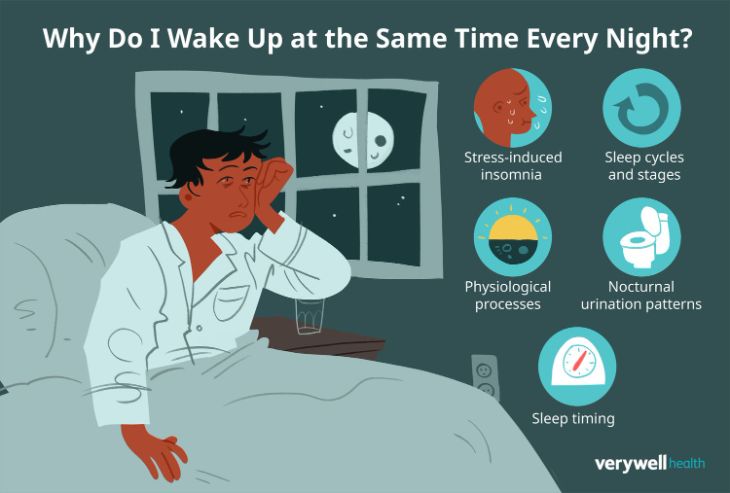
Quick Answer: Yes, waking up at 3am is a common biological phenomenon. The short answer is that it is typically caused by a combination of natural sleep cycle transitions, hormonal shifts, and blood sugar fluctuations. However, to choose the right lifestyle adjustments or monitoring devices, you need to understand how your specific autonomic nervous system reacts during these early morning hours.
Few things are as frustrating as the dreaded 3am wake up. You fall asleep easily, only to find yourself wide awake, staring at the clock exactly as it hits 3:00 or 3:15 AM. Your heart might be racing slightly, your mind starts spinning with tomorrow’s to-do list, and you are left wondering, “why do i keep waking up at 3am?”
From a biological perspective, this pattern is not a coincidence. Sleep is structured in repeating 90-to-120-minute cycles. During the first half of the night, your body prioritizes deep, slow-wave sleep. This is when physical tissue repair, immune system strengthening, and metabolic regulation take place. However, as you cross into the second half of the night—typically around 3:00 AM—your sleep architecture changes. You begin spending more time in REM (Rapid Eye Movement) and lighter Stage 2 sleep.
In these lighter phases, your arousal threshold is dramatically lower. Any minor disruption—be it a slight drop in room temperature, a noise outside, or an internal biochemical spike—can easily pull you out of sleep. When you ask yourself why you are waking up at 3am every night, you are often looking at the moment your body naturally enters this highly sensitive, vulnerable sleep state.
— Team Mind Body Dan
The Biological Mechanism Behind the Wake-Up
There are two primary biochemical drivers that trigger awakenings during this transition window:
- Nocturnal Hypoglycemia (Blood Sugar Crashes): If you eat a high-carb dinner or a sugary bedtime snack, your body releases a surge of insulin to manage the glucose. This can lead to a rapid drop in blood sugar a few hours later. To save your brain from glucose starvation, your adrenal glands release stress hormones like cortisol and adrenaline. This emergency response wakes you up, leaving you alert and anxious.
- Premature Cortisol Surges: Cortisol, your main stress hormone, is supposed to remain low during the first half of the night and gradually rise around 4:00 AM to 6:00 AM to help you wake up naturally. If you are chronically stressed, this cortisol curve can shift, causing a premature spike that jolts you awake early.
When is a 3am Awakening Cause for Concern?
To help you self-identify what your body is experiencing, let us break down the differences between normal, transient sleep shifts and chronic issues that warrant closer monitoring:
| Indicator | Transient / Normal Adjustment | Chronically Disrupted (Monitor Closely) |
|---|---|---|
| Frequency | Occasional (1-2 times per week) | Consistent (Almost every night) |
| Sleep Recovery | Back to sleep within 10–15 minutes | Stuck awake for 45+ minutes with a racing mind |
| Daytime Energy | Slightly tired but functional | Persistent brain fog, heavy fatigue, high anxiety |
If you fall into the “Chronically Disrupted” category, it is time to look at data-informed insights to see what is happening beneath the surface. Using a subscription-free smart ring allows you to observe these physiological transitions quietly. Rather than relying on guesswork, you can track trends in your resting heart rate, sleep stages, and recovery levels to optimize your days and reclaim your nights.
Physiological & Behavioral FAQs
Q: Why do I wake up at 3am sweating?
A: Sweating during an awakening is often a sign of a rapid drop in blood sugar or a sudden spike in adrenaline. Your autonomic nervous system goes into a mild fight-or-flight mode to mobilize stored glucose, raising your body temperature and heart rate simultaneously.
Q: Does waking up at 3am mean I have insomnia?
A: Not necessarily. Waking up once or twice briefly is a normal part of human sleep biology. True sleep onset or sleep maintenance issues are characterized by an inability to fall back asleep for hours, accompanied by noticeable daytime impairment.
Q: How does late-night screen use affect middle-of-the-night awakenings?
A: Blue light from smartphones and TVs suppresses melatonin production, delaying your sleep phase and throwing off your circadian rhythm. This makes your lighter sleep phases in the second half of the night even more fragile and prone to disruptions.
The Role of Stress, Cortisol, and Heart Rate Variability (HRV)
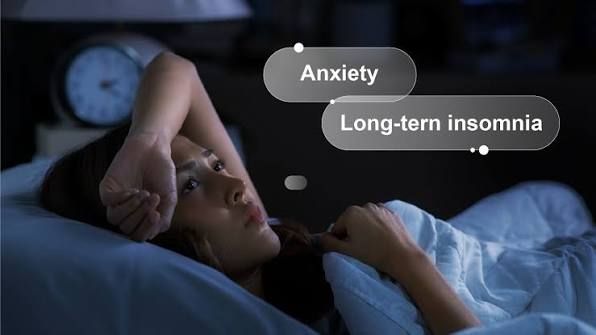
When you suffer from non-restorative sleep, daytime anxiety and nightly awakenings feed into each other. If your body remains in a sympathetic-dominant state (the fight-or-flight response) throughout the day, it does not magically turn off when you lay your head on the pillow. Instead, your autonomic nervous system remains highly active, disrupting your sleep architecture and leading to a sudden, stressful awake state in the middle of the night.
One of the most accurate biological proxies we have for tracking this stress response is Heart Rate Variability (HRV). HRV measures the variation in time between consecutive heartbeats, controlled directly by your autonomic nervous system.
High HRV indicates a resilient, well-recovered nervous system dominated by parasympathetic (“rest and digest”) activity. This state promotes deeper sleep and makes you less prone to micro-arousals.
Low HRV suggests your body is struggling to adapt to stress, stuck in a sympathetic-dominant state. When your HRV trend drops over several days, you are far more likely to experience early morning awakenings, night sweats, and morning brain fog.
Understanding these subtle shifts in HRV can change the way you manage your wellness. However, wearing a clunky, bright smartwatch to sleep can actually exacerbate the problem. It is hard to wind down when your wrist is constantly vibrating with notifications, flashing green sensor lights, or demanding a daily charge.
To capture accurate, nightly heart health trends without screen distractions, many individuals are turning to a screen-free sleep tracker. By wearing a comfortable, ultra-lightweight ring, you can silently monitor your nocturnal HRV, resting heart rate, and sleep stages. This allows you to identify if your waking up at 3am is directly tied to a dip in your body’s overall recovery capacity.
By connecting daytime habits to nighttime recovery metrics, you can begin to see patterns: did that intense late-afternoon workout trigger your low HRV and subsequent middle-of-the-night awake state? Did an extra cup of coffee at 3:00 PM push your resting heart rate up all night? Real biometric data provides the clarity you need to break the cycle of exhaustion.
Actionable Protocols to Prevent Waking Up at 3am

Overcoming the midnight awakening cycle does not require sleep aids or complex overhauls. Instead, focusing on highly effective, drug-free habits that stabilize your blood sugar and calm your nervous system can yield dramatic improvements. Here is our recommended protocol:
1. Implement Metabolic Stability
To prevent nocturnal hypoglycemia (and the resulting adrenaline surge), avoid high-glycemic carbohydrates and alcohol close to bedtime. If you are prone to a drop in blood sugar, try a small snack about 30 minutes before sleep that contains healthy fats and protein, such as a spoonful of almond butter or a handful of walnuts. This provides a slow, steady release of energy throughout the night, keeping your stress hormones quiet.
2. Adopt the 10-3-2-1-0 Wind-Down Routine
To reduce your autonomic stress load, follow this simple structured timeline before bed:
- 10 Hours Before Bed: No more caffeine (giving your liver plenty of time to clear stimulants).
- 3 Hours Before Bed: No heavy meals or alcohol, minimizing digestive strain during deep sleep.
- 2 Hours Before Bed: No more active work to allow your mind to transition away from stress.
- 1 Hour Before Bed: No screen time. Keep devices out of the bedroom to protect melatonin production.
- 0: The number of times you should hit snooze in the morning.
3. Transition to Screen-Free Biometric Monitoring
The final and most crucial step is replacing subjective guesswork with objective data. This is where the Herz P1 Smart Ring excels. Crafted as a premium, lightweight titanium smart ring, it solves the operational issues that plague traditional wearables. It contains no bright screen to disrupt your bedroom environment, weighs mere grams, and fits comfortably on your finger, ensuring it won’t interrupt your rest.
Why Choose a Screen-Free Smart Ring Solution?
Traditional smartwatches require daily charging, display distracting notifications, and are uncomfortable to sleep in. Transitioning to a discreet, screen-free wearable allows you to gather sleep stage data effortlessly.
- Subscription-Free Model: Buy once, own your health data forever with no monthly hidden fees.
- Simple Daily Metrics: Translates complex heart and movement algorithms into an intuitive, actionable Recovery Score.
- Medical-Grade Biometrics: Highly accurate monitoring of Sleep Stages (Deep, REM, Light) and HRV.
By utilizing this recovery-oriented wearable, you gain an objective look at how your lifestyle affects your sleep. It acts as an advanced biometric tracker that helps you pinpoint exactly which stressors trigger a decline in your nighttime recovery.
Rather than waking up at 3 AM wondering if your room was too warm or if your blood sugar dropped, you can consult your morning dashboard. You’ll see precise trends in your lowest resting heart rate, your body temperature deviations, and your HRV levels. This discreet wearable tracking system delivers clear, simple insights to help you fine-tune your evening habits.
Optimizing your health shouldn’t be stressful or overwhelming. By choosing a non-invasive biometric monitoring system that respects your screen-free bedroom environment, you can step away from tech fatigue and move closer to deep, restorative sleep.
Disclaimer: Results may vary depending on individual physical activity levels, unique health conditions, and daily tracking patterns. The biometric data collected by wellness wearables is designed for health-conscious lifestyle tracking and trend monitoring. It is not intended to diagnose, treat, prevent, or cure any sleep disorders, metabolic imbalances, or clinical conditions. Always consult a qualified medical professional for personalized health advice.
