

What is a Normal Respiratory Rate While Sleeping? Your Ultimate Breath Guide
Waking up with a racing mind and brain fog? Tracking your respiratory rate while sleeping reveals how your nervous system recovers. We recommend tracking this metric with a comfortable, screen-free tool like the Herz P1 Smart Ring to easily monitor sleep stages and biometrics without distracting displays.
Key Takeaways:
- Normal Range: A typical adult’s respiratory rate while sleeping spans 12 to 20 breaths per minute.
- Nervous System Indicator: Fluctuations in breathing frequency during sleep reflect changes in stress, illness, and autonomic nervous system balance.
- Track Seamlessly: Traditional watches can be bulky and disruptive. Elegant, screen-free wearables offer a comfortable way to log sleep metrics.
- Subscription-Free: Many modern trackers require monthly fees, but advanced biometric rings like the Herz P1 offer lifetime monitoring with zero hidden costs.
Understanding Your Respiratory Rate While Sleeping

Quick Answer: Yes, a normal respiratory rate while sleeping typically falls between 12 and 20 breaths per minute for healthy adults. The short answer is that while small nightly fluctuations are completely normal, sudden spikes or consistent deviations can signal underlying recovery deficits, high stress, or potential respiratory issues. However, to choose the right lifestyle adjustments and tools, you need to understand how your body regulates autonomic breathing cycles during deep and REM sleep stages.
At Team Mind Body Dan, we focus on simplifying the physiological feedback your body provides overnight. When you lie down after a demanding day, your body shifts from the sympathetic “fight-or-flight” nervous system into the parasympathetic “rest-and-digest” branch. Ideally, this transition causes your heart rate to drop, your heart rate variability (HRV) to rise, and your respiratory rate while sleeping to stabilize into a steady, rhythmic pattern.
However, for many of us, this transition is far from smooth. You might find yourself tossing and turning, suffering from a racing mind, or waking up at 3 AM with a dry mouth and a sense of dread. When your sleep is non-restorative, your breathing rate while sleeping often fluctuates wildly. These changes in your sleeping respiratory rate are not random; they are clear indicators of how your body is handling stress, fatigue, and recovery.
During a normal night, your breathing frequency during sleep changes depending on your sleep stage:
- Light Sleep (N1 & N2): Your breathing gradually slows down and becomes more uniform as you drift away from wakefulness.
- Deep Sleep (N3): This is the most restorative physical recovery stage. Your breathing rate during sleep becomes highly regular, slow, and deep, allowing your muscles to repair and your brain to flush out metabolic waste.
- REM Sleep (Rapid Eye Movement): During this active dreaming stage, your brain activity spikes. Consequently, your breathing frequency during sleep becomes irregular, shallow, and fast, mimicking daytime patterns.
When to Track Your Sleep Breathing (And When Not To)
Understanding when to analyze your respiratory rate during sleep—and when to step back—is crucial for maintaining peace of mind and making productive adjustments.
Track this metric if you want to:
- Monitor your body’s recovery after intense physical workouts.
- Identify early physiological signs of an oncoming cold, flu, or fever.
- Observe how lifestyle habits, like late-night meals or alcohol consumption, impact your sleep quality.
- Understand how emotional stress or anxiety affects your autonomic nervous system overnight.
Do not rely solely on consumer tracking if:
- You suspect you have a severe clinical condition, such as moderate-to-severe obstructive sleep apnea (OSA). While tracking trends is incredibly helpful, consumer wellness devices are not designed to diagnose clinical conditions or replace medical-grade polysomnography (PSG) sleep studies.
- Tracking metrics causes you “orthosomnia”—an unhealthy obsession with achieving perfect sleep numbers that actually increases your anxiety and worsens your sleep.
Suggested Recovery Solutions
To optimize your breathing rate while sleeping, focus on simple, practical sleep hygiene habits. Ensure your bedroom is cool, dark, and quiet. Avoid eating heavy meals, drinking alcohol, or consuming caffeine within four hours of bedtime, as these substances relax airway muscles and cause your respiratory rate while sleeping to spike.
Additionally, transition away from screens at least an hour before bed. Instead of using bulky, screen-heavy smartwatches that flash notifications and require daily charging, we recommend using a dedicated, elegant tool like the Herz P1 Smart Ring. Made of medical-grade titanium, this lightweight ring tracks your sleep stages, HRV, and respiratory trends seamlessly. It provides actionable wellness insights via an intuitive app, completely free of any monthly subscription fees.
Frequently Asked Questions
1. Why does my respiratory rate while sleeping spike after I drink alcohol?
Alcohol is a central nervous system depressant that relaxes the muscles in your upper airway. As these muscles relax, your airway narrows, forcing your body to take shallower, more frequent breaths to maintain adequate oxygen levels. This increases your overall breathing frequency during sleep and disrupts deep sleep stages.
2. Can a high respiratory rate during sleep indicate that I am getting sick?
Yes. Because your respiratory rate is typically very stable, a sudden elevation of even 1 to 2 breaths per minute above your baseline can be an early indicator of an immune response. Your body naturally breathes faster to meet the increased metabolic demand and oxygen requirements of fighting off a virus or fever.
3. How does mouth breathing affect my breathing rate while sleeping?
Mouth breathing bypasses the natural filtering, warming, and humidifying properties of your nasal passages. This often leads to a drier throat, increased airway resistance, shallower breaths, and a higher sleeping respiratory rate, leaving you feeling tired and unrefreshed in the morning.
Why Does Your Breathing Frequency During Sleep Fluctuate?
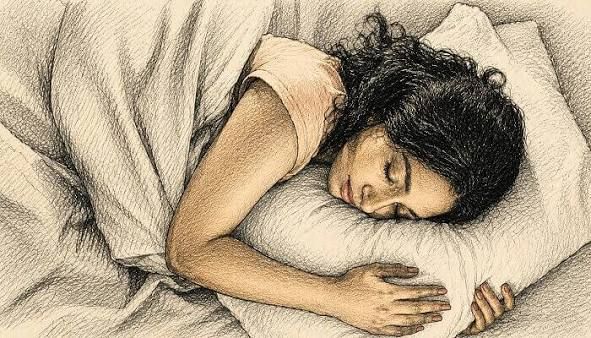
Your breathing frequency during sleep is a dynamic metric that adapts instantly to internal physiological demands and external environmental changes. When your body is functioning in harmony, your respiratory rate while sleeping remains stable night after night. However, when life becomes overwhelming or physical recovery is compromised, your breathing frequency during sleep will reflect that strain.
Let’s look at the primary factors that cause your respiratory rate during sleep to deviate from its normal baseline:
1. Autonomic Nervous System Strain & Mental Fatigue
If you climb into bed with a racing mind, rehashing stressful conversations or worrying about tomorrow’s to-do list, your sympathetic nervous system remains highly active. This state of “high alert” releases stress hormones like cortisol and adrenaline, which elevate your heart rate and your respiratory rate while sleeping. Instead of falling into deep, diaphragmatic breathing, you stay in a state of shallow, rapid chest breathing. This sympathetic overdrive can leave you waking up feeling exhausted, as though you didn’t sleep at all.
2. Alcohol, Sedatives, and Heavy Late-Night Meals
Consuming alcohol or sleep medications relaxes the skeletal muscles, including those surrounding your airway. When these muscles relax, the airway partially collapses, restricting the flow of oxygen. To compensate for this reduced airflow, your brain signals your lungs to breathe faster. Consequently, alcohol consumption typically leads to an elevated respiratory rate during sleep, lower blood oxygen levels, and a significant reduction in restorative deep sleep.
3. Physical Recovery and Athletic Strain
If you’ve completed an intense workout, your muscles require extra oxygen and nutrients to repair micro-tears and replenish glycogen stores. During this recovery phase, your metabolic rate remains slightly elevated overnight, which can cause a minor, temporary increase in your breathing rate while sleeping. Monitoring this recovery process using a premium, subscription-free smart ring allows you to see if your body is successfully adapting to your training load or if you are on the verge of overtraining.
How Biometric Tracking Identifies Stress:
A normal baseline sleeping respiratory rate acts as your body’s physiological anchor. When your body is under stress, this anchor shifts. By tracking these subtle changes alongside your Heart Rate Variability (HRV), you can easily pinpoint which lifestyle habits are supporting your recovery and which are draining your energy.
4. Airway Resistance and Sleeping Position
Sleeping flat on your back can cause your tongue and soft palate to collapse backward, narrowing your airway. This structural restriction increases airway resistance, forcing your respiratory muscles to work harder. In response, your breathing rate while sleeping may speed up to maintain oxygen saturation. Side-sleeping, on the other hand, helps keep your airway clear and promotes more relaxed, deeper abdominal breathing.
To gain a clear, accurate picture of these trends, tracking your metrics over several weeks is essential. Rather than relying on a bulky smartwatch that flashes bright lights and disrupts your sleep, using a lightweight, screen-free wearable allows you to gather high-quality biometric data comfortably and consistently. This approach helps you make informed adjustments to your evening routine without the stress of constant notifications.
How to Improve and Track Your Sleeping Respiratory Rate for Better Recovery

Optimizing your sleeping respiratory rate is not about trying to control your breathing while you are asleep. Instead, it is about creating the right physiological conditions during the day and evening so your autonomic nervous system can transition smoothly into deep, restorative rest.
Here are several practical, science-backed steps you can take to support a healthy respiratory rate while sleeping:
1. Practice Nasal Breathing
Breathing through your nose is one of the most effective ways to lower your breathing rate while sleeping. Your nasal passages filter, warm, and humidify incoming air while releasing nitric oxide, a vasodilator that improves oxygen transport throughout your body. This allows you to take slower, deeper, and more efficient breaths. If you struggle with mouth breathing, consider using gentle mouth tape at night to encourage consistent nasal breathing.
2. Adopt a Screen-Free Winddown Routine
The blue light emitted by smartphones, tablets, and TVs suppresses melatonin production, signaling your brain to stay awake. This delayed melatonin release keeps your body in a state of alertness, leading to shallower, faster breathing when you do fall asleep. Replacing screen time with relaxing activities, such as reading a book, journaling, or practicing gentle stretching, helps lower your nervous system’s activity before bed.
3. Utilize Pre-Sleep Breathwork
Practicing short, structured breathing exercises before bed is an excellent way to calm a racing mind. Techniques like the 4-7-8 method (inhaling for 4 seconds, holding for 7, and exhaling slowly for 8) or box breathing help stimulate the vagus nerve. This triggers your parasympathetic nervous system, lowering your heart rate and preparing your body for a slower, more stable respiratory rate while sleeping.
Choosing the Right Tool to Monitor Your Recovery
When it comes to tracking your overnight biometrics, comfort and consistency are key. While traditional smartwatches are widely available, they often come with significant drawbacks for sleep tracking:
- Bulky Designs: Large, heavy watches can be uncomfortable to wear in bed, often disrupting your natural sleep positions.
- Bright Displays: Screen wakeups in the middle of the night can startle you, fragmenting your sleep cycles.
- Frequent Charging: The hassle of charging a device daily means you often miss critical overnight data when the battery runs out.
- Subscription Fatigue: Many popular health trackers require a monthly subscription fee to access your own health data.
At Team Mind Body Dan, we believe that tracking your health should be an empowering, stress-free experience. That’s why we recommend the Herz P1. This premium, subscription-free smart ring is crafted from ultra-lightweight titanium and sits comfortably on your finger, allowing you to track your respiratory rate while sleeping completely undisturbed.
Rather than overwhelming you with complicated, hard-to-read charts, the companion app translates medical-grade biometric algorithms into a single, intuitive Daily Recovery Score. This score combines your Sleep Stages (REM, Deep, Light), Heart Rate Variability (HRV), and overnight resting heart rate into a clear, actionable picture of your physical and mental readiness for the day ahead.
By monitoring these subtle trends over time, you can easily see how small lifestyle changes—like practicing pre-sleep breathwork or avoiding late-night meals—directly support your body’s recovery. Take a closer look at our detailed review of the Herz P1 Smart Ring to discover how this elegant, screen-free tool can help you reclaim your sleep and wake up feeling truly refreshed.
Disclaimer: Results may vary depending on individual physical activity levels, unique health conditions, and daily tracking patterns. The information provided in this breath guide is for educational purposes only and should not be used as a substitute for professional medical advice, diagnosis, or treatment. Always consult with a qualified healthcare professional before making significant changes to your sleep hygiene, wellness routine, or if you suspect you have an underlying respiratory or medical condition.
