

What Is Off Gassing and How to Speed Up Mattress Freshness?
Unboxing a new mattress should be a gateway to deeper rest, but that intense chemical odor can quickly turn excitement into frustration. If your new bed has a strong chemical smell, you are likely experiencing volatile organic compounds escaping into your air. Fortunately, we can help you understand what is off gassing and show you how to monitor your sleep recovery using the screen-free Herz P1 Smart Ring.
Take Back Your Sleep.
Take Back Your Life.
- Fall asleep faster & sleep deeper
- Stop waking up in the middle of the night
- Wake up refreshed & full of energy
Key Article Highlights
- The Science of Off-Gassing: Understand volatile organic compounds (VOCs) and how they release from household manufacturing materials into your bedroom.
- Biometric Impact: Learn how respiratory irritation from a off-gassing mattress can disrupt Sleep Stages (REM, Deep) and lower your Heart Rate Variability (HRV).
- Actionable Solutions: Discover 7 highly effective, practical methods to speed up the clearing of new mattress odors.
- Screen-Free Recovery Tracking: Discover how monitoring your physiological recovery score helps you build a healthier bedroom environment.
Table of Contents
What Is Off Gassing? The Science Behind the Smell
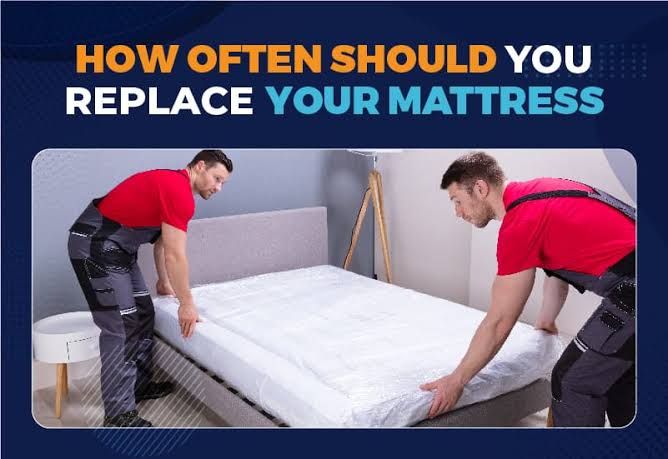
The Quick Answer: Yes, off-gassing is a real and measurable physical phenomenon. Simply put, it is the release of manufactured chemicals—specifically Volatile Organic Compounds (VOCs)—into the air from newly produced consumer goods. To choose the right sleeping setup and protect your nocturnal recovery, you must understand how these compounds escape, how long they linger, and how they interact with your body during the night.
At its core, understanding what is off gassing requires looking closely at modern manufacturing. When materials like polyurethane foam, memory foam, industrial adhesives, and flame retardants are manufactured, they trap unstable chemicals within their physical structures. These chemical bonds are designed to be stable at cold temperatures, but once exposed to ambient room temperatures and human body heat, they begin to break down and vaporize. This vaporization process is what we call off-gassing, and it is the direct culprit when a brand-new mattress or piece of furniture gives off a sharp, petroleum-like odor.
The compounds responsible for this odor typically include chemicals such as toluene, formaldehyde, benzene, and chlorofluorocarbons (CFCs). These compounds have very low boiling points, meaning they easily transform from a solid or liquid state inside the foam into an airborne gas at standard room temperatures. This is why a brand new mattress stinks when you first pull it out of its compressed, vacuum-sealed plastic packaging.
How Do Different Mattress Materials Behave?
- Synthetic Memory Foams: High-density memory foams and poly-foams typically release the highest concentrations of VOCs. Because they are highly dense and petroleum-based, the escape of these gases can take anywhere from 3 to 7 days of active ventilation to dissipate.
- Natural Latex: Pure, organic latex rubber does not contain synthetic VOCs. While it may have a mild, sweet, or rubber-like natural smell initially, it does not release the same synthetic chemical vapors that cause respiratory irritation.
- Hybrid & Innerspring: These structures generally off-gas much faster than solid foam slabs because their open coil systems allow for superior air circulation, preventing trapped gases from pooling inside the core.
When to Take Action vs. When to Let It Be
It is important to evaluate your household’s unique sensitivities before bringing a new bed into your bedroom. If you or your family members struggle with chronic respiratory conditions, moderate to severe asthma, or chemical sensitivities, you should avoid sleeping directly on any synthetic foam mattress that has not been ventilated for at least 72 hours. Side sleepers are especially prone to breathing in concentrated fumes, as their nose and mouth rest closer to the surface of the bed.
On the other hand, if you do not have pre-existing sensitivities and have set up your new bed in a large, open space with active cross-ventilation, a mild scent may not pose a major obstacle. However, you should still actively monitor your body’s physical reaction to ensure your sleep quality is not being quietly compromised.
How to Confirm Your Recovery Is on Track
When you introduce a new mattress to your bedroom, your body’s internal systems will tell you if the air quality is impacting your health. While you sleep, your autonomic nervous system actively responds to your surrounding environment. To understand if your sleep is suffering, you need a way to track your recovery without adding extra stress or screens to your evening routine.
This is where the Herz P1 Smart Ring provides elegant, screen-free insight. Made from ultra-lightweight titanium, this sleek wearable sits comfortably on your finger, tracking key metrics like Sleep Stages (REM, Deep, Light), Heart Rate Variability (HRV), and resting heart rate. By translating these complex biometric inputs into an intuitive, daily Recovery Score, it helps you identify if airborne compounds are causing micro-arousals and disrupting your rest. Best of all, it features a subscription-free model, so you can track your health trends over time with no hidden monthly costs.
Frequently Asked Questions About Off-Gassing
Q: How long does mattress off-gassing typically last?
A: For most high-quality synthetic memory foam beds, the most intense release of odors occurs within the first 24 to 72 hours. However, in poorly ventilated spaces, a mild scent can linger for several weeks.
Q: Are these chemical fumes dangerous to my long-term health?
A: For the average adult, the VOCs released from a modern CertiPUR-US certified mattress are not highly toxic, though they can cause temporary physical irritation like headaches, mild nausea, scratchy throats, or dry eyes.
Q: Can I sleep on a new mattress on the very first night?
A: Yes, you can sleep on it if the scent is mild and does not bother you. However, to prioritize your respiratory comfort and ensure deep sleep, we highly recommend letting the mattress air out in an unoccupied, well-ventilated room for at least 24 to 48 hours.
The Silent Disruptor: How VOCs Impact HRV and Sleep Architecture

Many of us have experienced that frustrating sleep struggle: you finally crawl into bed after a long day, only to spend the night tossing and turning. You might wake up at 3 AM with a racing mind, dry throat, and mild headache, unable to fall back asleep. In the morning, you are greeted by heavy brain fog, feeling exhausted despite spending eight hours in bed. If your new mattress stinks, these issues may not just be a result of mental stress—they could be a physical reaction to inhaling volatile compounds.
When you breathe in synthetic VOCs throughout the night, it triggers a mild inflammatory response in your nasal passages and upper respiratory tract. Your immune system interprets these inhaled chemicals as low-grade physical stressors. This minor physical distress shifts your autonomic nervous system away from a restful, parasympathetic state and toward a sympathetic “fight-or-flight” response.
The physiological consequences of this chemical stress show up clearly in your biometrics, especially your Heart Rate Variability (HRV). HRV measures the variation in time between consecutive heartbeats, reflecting how well your autonomic nervous system is managing stress. When your body is fighting off mild respiratory irritation from off-gassing, your HRV drops. A lower HRV indicates that your nervous system is working harder than usual, leaving you with non-restorative sleep.
“When your bedroom’s air quality is compromised by synthetic VOCs, your body reacts with subtle immune activation. This physiological stressor prevents your heart rate from dropping to its natural resting baseline, leading to fewer minutes of deep slow-wave sleep and frequent, unremembered micro-arousals.”
— Team Mind Body Dan Biometric Insights
This physical irritation also directly disrupts your sleep stages. Your brain needs stable, uninterrupted blocks of deep sleep and REM sleep to repair muscle tissue, clear metabolic waste, and consolidate memories. Respiratory irritation from a off gassing mattress can cause brief micro-arousals that kick you out of deep slow-wave sleep and back into light sleep. Although you might not remember waking up, you will feel the consequences the next day—waking up tired, mentally slow, and dependent on caffeine to get going.
While standard step-counters do not track these subtle shifts in sleep quality, the screen-free design of the Herz P1 Smart Ring allows you to monitor them easily. By measuring your HRV and sleep stages through medical-grade biometric sensors, it provides clear, actionable feedback on how your sleep environment is affecting your health. Because the titanium ring is completely screen-free, it keeps your sleeping environment calm and free from blue light, helping you fall asleep naturally.
How to Speed Up Mattress Off-Gassing: 7 Practical Steps
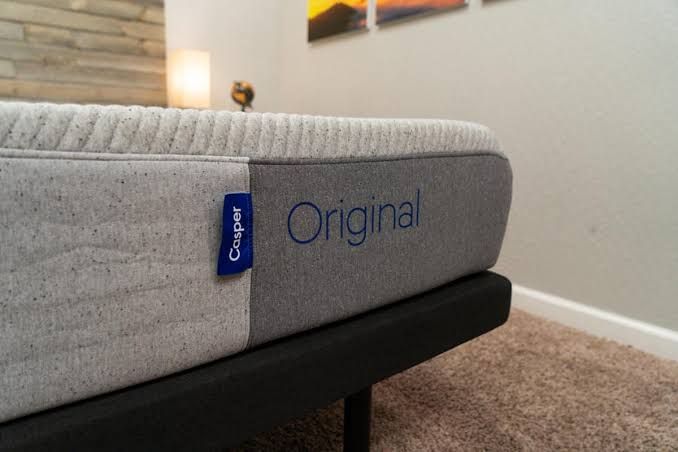
If your new mattress has a strong chemical scent, you do not have to wait weeks for it to clear. By using these seven practical, science-backed steps, you can significantly reduce the concentration of VOCs in your home and speed up the fresh air process.
1. The “Initial Quarantine” Method
Do not move a freshly unboxed mattress directly into your main bedroom. Instead, unbox it in a separate, closed-off space like a guest bedroom, garage, or sunroom. Keep the door closed to prevent chemical odors from spreading to the rest of your home, and let it air out for at least 48 to 72 hours before bringing it into your sleeping area.
2. Use Strategic Cross-Ventilation
Passive air circulation is often not enough to clear trapped chemicals. You need to create active cross-ventilation in your home. Open windows on opposite sides of the room and place a box fan in one window blowing outward, drawing fresh air in through the opposite window. This constant, high-volume airflow quickly sweeps away airborne VOCs.
3. Apply the “Baking” Method
Chemicals evaporate much faster when temperatures rise. If possible, place your mattress in an unoccupied room, close the windows, and turn your home’s thermostat up to 80°F (26°C) for several hours during the day. This heat speeds up the evaporation of VOCs. After baking the room, open all windows and use fans to blow the warm, chemical-filled air outside before the temperature cools down.
4. Use Baking Soda for Odor Absorption
Once the mattress has aired out for a few days, sprinkle a generous layer of baking soda directly onto the bare surface of the bed. Baking soda is a natural moisture and odor absorber that helps pull lingering organic compounds out of the top layers of foam. Let it sit for 4 to 6 hours, then vacuum it up thoroughly using an upholstery brush attachment.
5. Run an Activated Carbon Air Purifier
Standard HEPA filters are great for capturing physical particles like dust and pollen, but they cannot stop gaseous chemical molecules. To neutralize VOCs, you need an air purifier with a heavy, dedicated activated carbon filter. Activated carbon bonds chemically with airborne toxins, permanently trapping VOCs inside the filter and cleaning your indoor air.
6. Use an Organic Mattress Protector
If you need to sleep on your new mattress before the scent has fully dissipated, use a high-quality, GOTS-certified organic cotton or bamboo mattress encasement. This breathable but thick physical barrier helps block escaping gases from reaching your face, giving your lungs a cleaner environment during the night.
7. Walk on Your Mattress to Express Air
New memory foam acts like a dense sponge, trapping tiny pockets of manufactured gas inside its core. To help release these trapped pockets, gently walk or crawl across the surface of the bare mattress for a few minutes daily. This physical pressure compresses the foam cells, squeezing out stagnant air and speeding up the overall how to speed up mattress off-gassing process.
Optimize Your Rest Environment
Understanding what is off gassing and how it impacts your recovery is the first step toward building a healthier lifestyle. Rather than guessing how your sleep space is affecting you, let the screen-free Herz P1 Smart Ring track your deep sleep, light sleep, and heart rate trends. By pairing smart environmental habits with clean, reliable biometric tracking, you can optimize your recovery and enjoy deeper, more restful sleep.
By using these practical techniques to improve your indoor air quality and tracking your body’s recovery with a screen-free device, you can successfully navigate this transition. Focus on simple, effective habits, and use the how to speed up mattress off-gassing methods outlined above to create a fresh, restorative space that truly supports your well-being.
Disclaimer: Results may vary depending on individual physical activity levels, unique health conditions, and daily tracking patterns. This article is for informational purposes only and does not substitute for professional medical advice, diagnosis, or treatment. The Herz P1 Smart Ring is a wellness tracking device designed for personal insight, and is not an FDA-approved medical device.
