

Are You Just a Night Owl, or Is It Delayed Sleep Phase Syndrome?
If your nights consist of staring at the ceiling until 3 AM with a racing mind, you might be experiencing delayed sleep phase syndrome. At Mind Body Dan, we explore how screen-free biometric tracking like the subscription-free Herz P1 Smart Ring helps map your circadian trends and reclaim your physical energy.
Take Back Your Sleep.
Take Back Your Life.
- Fall asleep faster & sleep deeper
- Stop waking up in the middle of the night
- Wake up refreshed & full of energy
- The Biological Mechanism: How delayed sleep onset disorder shifts your hormones and impacts daily energy levels.
- Symptom Identification: Differentiating simple late-night habits from clinical delayed sleep phase syndrome symptoms.
- Biometric Insights: How tracking sleep stages and nocturnal Heart Rate Variability (HRV) reveals circadian rhythm misalignment.
- Actionable Tools: How screen-free, lightweight tracking helps build consistent sleep architecture without mental overload.
Understanding Delayed Sleep Phase Syndrome and DSPD

The Quick Answer:
It depends. The short answer is that delayed sleep phase syndrome (commonly referred to as dspd) is a genuine biological misalignment of your internal circadian biological clock compared to the external environment, rather than a simple case of poor discipline. However, to choose the right wellness adjustments and daily tracking methods, you need to understand how your body’s physiological indicators differ from typical nighttime restlessness.
The Biology Behind the Shift
At the heart of delayed sleep phase syndrome lies the master biological clock: the suprachiasmatic nucleus (SCN), located in the brain’s hypothalamus. In most people, the SCN responds to fading evening light by signaling the pineal gland to secrete melatonin, the hormone responsible for inducing sleepiness. This typically occurs between 9 PM and 11 PM.
For those experiencing delayed sleep phase syndrome, this biological signal is pushed back by two or more hours. Your body does not begin to release melatonin until much later—often past midnight or even into the early morning hours. Consequently, your natural core temperature drop and cortisol reduction are delayed. This creates the classic experience of delayed sleep onset disorder: you are wide awake at midnight, your mind racing, despite feeling physically fatigued.
When forced to wake up at a conventional time for work or school, individuals with delayed sleep phase syndrome must interrupt their natural sleep cycle during its deepest phases. This leads to profound morning grogginess, brain fog, and a sense of physical exhaustion that persists throughout the day. It is not merely a preference for the night; it is a genetically driven circadian mismatch.
When to Track Your Circadian Rhythm (And When Not To)
Understanding whether to monitor your sleep patterns with consumer wearables requires analyzing your personal situation:
- Who should track: Individuals who consistently struggle to fall asleep before 2 AM, experience persistent morning fatigue but feel highly alert in the late evening, and want to establish baseline trends in their circadian sleep patterns.
- Who should exercise caution: Anyone experiencing sudden-onset sleep difficulties due to major lifestyle disruptions, or those diagnosed with severe clinical sleep disorders like central sleep apnea, which require medical polysomnography rather than wellness tracking.
A Screen-Free Solution for Circadian Insight
Many people attempt to track their sleep using smartwatches, only to find that the heavy, glowing screen on their wrist actually worsens their delayed sleep phase syndrome. Bright notifications at 2 AM can stimulate the eyes, further delaying melatonin production.
To address this operational challenge, our team recommends a screen-free tracking approach. The Herz P1 Smart Ring offers an elegant, distraction-free way to collect high-fidelity sleep data. Made of ultra-lightweight titanium, it monitors your sleep stages (REM, Deep, and Light), tracks Heart Rate Variability (HRV), and provides an intuitive Daily Recovery Score—all without a screen to tempt your eyes in the middle of the night. Plus, with its subscription-free model, you get detailed health trends without the fatigue of recurring monthly costs.
- Screen-Free Design: Avoids sleep-disrupting blue light and middle-of-the-night notification alerts.
- No Hidden Fees: Own your data forever with zero subscription costs.
- Ultra-Lightweight Titanium: So comfortable you will forget you are wearing it during sleep.
- Nocturnal Biometrics: Automatically maps your sleep phases and heart rate dip trends.
Frequently Asked Questions About Delayed Sleep Phase Syndrome
Q: Is delayed sleep phase syndrome the same as insomnia?
A: No. Insomnia involves a general difficulty falling or staying asleep, regardless of the time. Those with delayed sleep phase syndrome can sleep very well and feel fully rested, provided they are allowed to sleep on their delayed schedule (e.g., from 3 AM to 11 AM).
Q: Can delayed sleep phase syndrome be resolved permanently?
A: While the underlying genetic predisposition toward a delayed clock remains, you can manage the daily effects. Consistently tracking and adjusting light exposure can shift your circadian rhythms to match typical schedules.
Q: Does blue light from screens cause dspd?
A: Blue light does not cause the genetic condition, but it heavily exacerbates dspd. Evening exposure to screens suppresses melatonin secretion, shifting an already delayed sleep window even further into the night.
Q: How long does it take to shift a delayed sleep phase?
A: Circadian adjustments are gradual. By using consistent morning light exposure and evening screen-free protocols, you can comfortably shift your natural bedtime by 15 to 30 minutes every few days.
Identifying Symptoms and Core Biomarkers of DSPD
Recognizing Delayed Sleep Phase Syndrome Symptoms
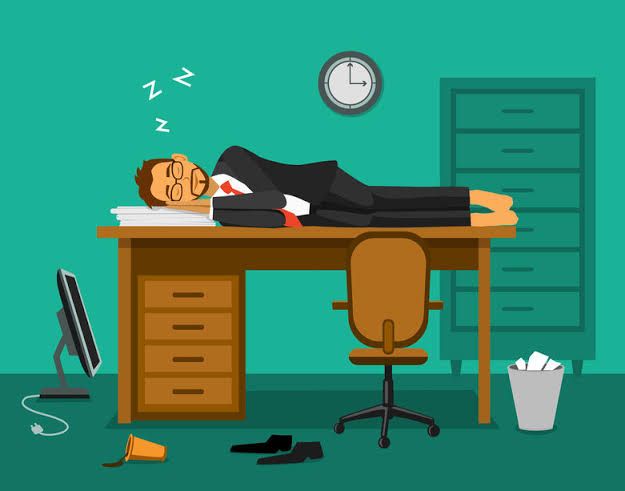
Living with delayed sleep phase syndrome involves more than just liking late-night television. Many individuals experience a profound psychological weight—feeling constant frustration that they cannot fall asleep earlier, even when they are physically exhausted. The primary delayed sleep phase syndrome symptoms include:
- Inability to fall asleep at standard bedtimes: Spending hours awake, experiencing a “second wind” of energy and mental clarity late in the evening.
- Extreme morning sleepiness: Struggling to wake up at conventional times, which can lead to chronic fatigue and a heavy reliance on caffeine.
- Normal sleep quality when unrestricted: When permitted to sleep on your natural schedule, you experience long, restful, and undisturbed sleep.
- Late-night mental clarity: Feeling most productive, creative, and alert during the hours when others are sleeping.
Differentiating DSPD from Shift Work Sleep Disorder
It is important to distinguish delayed sleep phase syndrome from other circadian rhythm issues, such as shift work sleep disorder. Shift work sleep disorder occurs when external work requirements force you to sleep during daylight hours, conflicting with a standard internal clock.
In contrast, those with dspd naturally have a delayed clock, regardless of their work requirements. Even when there are no early morning commitments, their body’s biological timing mechanisms remain set to a later schedule. This persistent internal delay is what defines the syndrome, rather than temporary, externally imposed shifts.
Tracking Key Biometrics: Sleep Stages and Heart Rate Variability (HRV)
To understand how your body reacts to a delayed schedule, it is helpful to look at objective biological markers. Your autonomic nervous system and cardiovascular patterns offer clear insights into your circadian alignment.
Sleep Stage Architecture: Healthy sleep consists of cycling through Light, Deep, and REM sleep stages. Deep sleep typically dominates the first half of the night, aiding in physical recovery, while REM sleep occurs more during the early morning hours, supporting mental processing. If you have delayed sleep phase syndrome and are forced to wake up early, you often cut off your longest REM sleep cycles. This disruption can leave you feeling mentally fatigued and unfocused.
Heart Rate Variability (HRV): HRV measures the variation in time between consecutive heartbeats, reflecting the balance of your autonomic nervous system. When you sleep, a healthy circadian cycle shows a drop in heart rate and an increase in HRV, indicating deep recovery.
If your sleep schedule is misaligned with your internal clock, your heart rate may remain elevated and your HRV may stay low during the first few hours of sleep. This indicates that your body is experiencing biological stress rather than deep recovery, which can be tracked and visualized through physiological metrics.
Practical Steps to Align Your Circadian Rhythm
Re-Anchoring Your Body Clock
Adjusting your internal biological rhythms requires a consistent, gradual approach. By utilizing key environmental cues, you can help support re-aligning your body clock naturally:
- Strategic Light Exposure: Bright light is the strongest cue for your circadian clock. Seek 10 to 15 minutes of outdoor sunlight immediately upon waking to signal your brain that the day has begun. Conversely, dim your indoor lights and avoid bright overhead bulbs in the evening.
- Gradual Schedule Shifts: Avoid trying to shift your bedtime by several hours overnight. Instead, move your sleep and wake times back by 15 minutes every few days, allowing your body to adapt incrementally.
- Evening Temperature Regulation: Your core body temperature must drop to initiate sleep. Keep your bedroom cool (ideally between 60°F and 67°F) and consider a warm bath or shower 90 minutes before bed to encourage natural cooling.
- Consistent Wake Times: Maintain a consistent wake-up time, even on weekends. Sleeping in on Saturdays and Sundays can undo the progress you made during the week, sliding your clock back to its delayed state.
Building a Screen-Free Sleep Sanctuary
Many people find that traditional smartwatches with glowing screens, buzzing alerts, and daily charging needs disrupt their winding-down process. When dealing with delayed sleep onset disorder, a quiet, distraction-free bedroom environment is essential.
This is why our team values screen-free wellness tools. By tracking your body’s metrics in the background without digital screens, you can gather useful insights while keeping your bedroom a peaceful sanctuary.
Transition to Simple, Screen-Free Tracking
Discover how monitoring your sleep stages and heart rate variability metrics can help you understand your recovery trends—without the distraction of screens or recurring monthly subscription fees.
Monitoring Recovery Over Time
As you implement these adjustments, monitoring your physiological trends can help show how your body is adapting. Focus on long-term biometric progress rather than single-night fluctuations:
- Tracking the Sleep Cycle: Watch for a gradual shift in your deep sleep timing. As your circadian rhythm aligns, deep sleep should begin appearing earlier in your sleep window.
- Nocturnal Heart Rate Deceleration: Note how quickly your heart rate dips after falling asleep. A faster dip indicates that your body is transitioning smoothly into a restful, parasympathetic state.
- The Value of a Daily Recovery Score: Rather than analyzing complex, hard-to-read graphs, look at a simplified metric like the Daily Recovery Score. This score combines heart rate variability metrics, sleep duration, and activity levels to help you understand your daily energy and readiness.
Managing delayed sleep phase syndrome is a gradual process of aligning your behavior with your biological needs. By prioritizing consistency, optimizing light and temperature, and utilizing screen-free tracking, you can support your circadian health and work toward more restorative rest.
Disclaimer: Results may vary depending on individual physical activity levels, unique health conditions, and daily tracking patterns. Wearable devices are intended to provide wellness insights and support lifestyle tracking, and should not be used as a substitute for professional clinical evaluation or sleep medicine advice.
