

12 Types of Pillows for Achieving Perfect Neck Alignment and Deep Sleep
Do you wake up at 3 AM with a stiff neck and a racing mind? Finding the right types of pillows can transform your alignment, but optimizing rest requires objective insights. Pair your ideal pillow with the screen-free Herz P1 Smart Ring to track Sleep Stages and HRV, turning restless nights into restorative recovery.
Take Back Your Sleep.
Take Back Your Life.
- Fall asleep faster & sleep deeper
- Stop waking up in the middle of the night
- Wake up refreshed & full of energy
What You Will Learn in This Guide
- How different types of pillows affect your spinal alignment and autonomic nervous system.
- A detailed analysis of each primary pillow material, from memory foam to organic latex.
- How matching your sleeping position with the correct types of bed pillows can dramatically improve sleep quality.
- Why tracking your biometric response to a new pillow with a screen-free wearable is the ultimate way to eliminate morning brain fog.
The Science of Sleep Support: Choosing the Right Pillow and Tracking the Results

When you struggle with non-restorative sleep, it is incredibly easy to fall into a cycle of frustration. You might blame stress, late-night snacking, or your evening screen habits, but often, the silent culprit is physical discomfort. Your head and neck require a very specific angle to keep your airway open and your cervical spine neutral. If your neck is bent too far upward or downward, your autonomic nervous system reacts to this mechanical stress, keeping you in a light, easily disrupted sleep state.
To fix this, we need to look closely at the various types of pillows available today. However, simply buying a new pillow is only half the equation. How do you actually know if a specific pillow material is reducing your sleep disruptions, or if a particular loft is improving your restorative deep sleep? This is where objective biometric tracking comes in. By observing real-time physical responses, you can turn subjective sleep quality into measurable data.
At Mind Body Dan, our team believes in evaluating sleep products through rigorous, real-world metrics. When assessing any of the different types of pillows, we focus on four primary criteria:
- Spinal Alignment: Does the pillow maintain a neutral cervical curvature for your primary sleeping position?
- Temperature Regulation: Does the material allow heat to dissipate, preventing the micro-awakenings caused by overheating?
- Pressure Relief: Does it cushion the ears, jaw, and shoulders without bottoming out?
- Biometric Validation: How can you objectively verify that your physical structure is relaxed?
Let’s look at how the primary pillow choices stack up against one another, alongside our top-recommended tool for tracking how these physical changes impact your biological recovery.
Top Pillow & Biometric Support Options Reviewed
1. Memory Foam Pillows (Solid and Shredded)
Memory foam is one of the most widely recognized categories among the different types of pillows. Made from polyurethane treated with chemicals to increase its viscosity and density, it responds to heat and pressure to mold precisely to your shape.
- Strengths: Exceptional contouring. It cradles the head and neck, preventing pressure hotspots on the ears.
- Weaknesses: Heat retention. Traditional solid memory foam can act like a thermal sponge, radiating heat back into your face and neck.
- Ideal User: Side sleepers who need reliable cervical support to prevent their shoulders from collapsing under their neck weight.
2. Natural Latex Pillows
Derived from the sap of rubber trees, natural latex offers a highly responsive, springy alternative to memory foam. Rather than sinking slowly, latex immediately pushes back to support your weight.
- Strengths: Highly breathable, durable, and naturally hypoallergenic. It does not contour as deeply as memory foam, making it easier to shift positions during the night without feeling “stuck.”
- Weaknesses: Typically carries a higher price point and has a distinctive, slight rubber smell when brand new.
- Ideal User: Combination sleepers who toss and turn and need a supportive pillow material that moves with them.
3. The Ultimate Sleep Optimizer: Herz P1 Smart Ring
To truly understand how any change in your bedding affects your health, you need objective data. The Herz P1 Smart Ring is a premium, titanium, screen-free wearable that tracks your body’s physiological response to your sleep environment. By utilizing medical-grade biometric sensors, it measures Sleep Stages (REM, Deep, Light), heart rate variability (HRV) trends, and Daily Activity to generate a clear, intuitive Recovery Score.
Why the Herz P1 Smart Ring is Different:
- Subscription-Free Model: Buy the ring once, and you own all of your data forever. No annoying paywalls or hidden monthly fees.
- Screen-Free & Ultra-Lightweight: Made from durable titanium, this ring is completely distraction-free. You won’t have to deal with a bright smartwatch screen waking you up or bulky bands irritating your wrist.
- Simplicity Over Clutter: It translates complex biometric algorithms into a clean daily Recovery Score, so you know exactly how rested you are without analyzing raw charts.
- Exceptional Battery Life: Unlike traditional smartwatches that require daily charging, the Herz P1 runs for days on a single charge.
- Strengths: Incredibly comfortable, no recurring fees, accurate metrics, and screen-free peace of mind.
- Weaknesses: It does not have a screen (which is actually a major benefit for maintaining healthy sleep hygiene practices).
- Ideal User: Busy professionals, health-conscious fitness enthusiasts, and anyone struggling with non-restorative sleep who wants an elegant, comfortable tracker to identify what actually improves their recovery.
Your Sleep Optimization Roadmap
If your goal is to eliminate muscle tension and morning fatigue, we recommend a simple, data-driven approach:
- Establish a Baseline: Wear the Herz P1 Smart Ring for one week with your current pillow to track your baseline HRV and deep sleep phases.
- Upgrade Your Support: Choose a new pillow from our deep-dive list below based on your sleeping position.
- Measure the Difference: Observe your daily Recovery Score over the next seven days. If your HRV increases and your middle-of-the-night waking times decrease, you have found the perfect pillow match!
Deep Dive into 12 Types of Pillows and Material Innovations
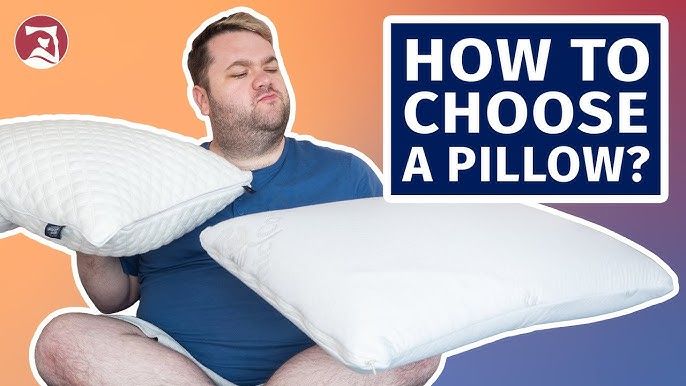
Every bedroom setup is unique, and understanding the specific kinds of pillow available can help you design a better sleeping environment. The market is filled with various types of bed pillows, each utilizing a different pillow material designed to solve a specific physiological problem.
Let’s look at the 12 most common types of pillows, focusing on how their materials behave and who they serve best:
1. Solid Memory Foam
As mentioned earlier, solid memory foam is molded into a single, dense block. This types of pillow option is famous for its slow-rebound characteristic, cradling the head and neck. It is highly effective at minimizing pressure-induced tossing and turning, but it can run warm if not treated with cooling gel infusions.
2. Shredded Memory Foam
Unlike solid blocks, shredded memory foam consists of hundreds of tiny, individual foam pieces. This design allows you to add or remove filling to adjust the pillow’s loft (height). It breathes much better than solid foam, making it one of the most versatile types of bed pillows on the market today.
3. Solid Latex
Solid latex is incredibly durable and holds its shape for years without sagging. Because of its open-cell structure, it stays much cooler than memory foam. This responsive pillow material instantly supports your neck as you shift positions, preventing the “sinking” feeling that can sometimes restrict movement.
4. Shredded Latex
For sleepers who want the resilient bounce of latex but prefer a pillow they can shape and fluff, shredded latex is an exceptional choice. It offers the cooling advantages of natural latex with the soft, adjustable feel of a traditional down pillow.
5. Down Pillows
Down refers to the soft, fluffy undercoating found beneath the feathers of ducks or geese. It is extremely light, plush, and luxurious. However, down pillows flatten quickly during the night and require frequent fluffing, making them less ideal for side sleepers who need consistent neck support.
6. Feather Pillows
While down is the soft undercoating, feather pillows use the sturdier outer feathers of waterfowl. This makes them firmer and more affordable than pure down, but the quill tips can occasionally poke through the pillowcase, causing minor discomfort.
7. Down Alternative
Typically filled with synthetic polyester fibers, down alternative pillows mimic the plush feel of natural down at a fraction of the cost. They are highly hypoallergenic and easy to wash, though they tend to clump over time and do not breathe as well as natural materials.
8. Buckwheat Hulls
An ancient favorite in Asian cultures, buckwheat pillows are filled with thousands of tiny, hard hulls. They feel like a firm beanbag and can be shifted to conform perfectly to your anatomy. They offer unparalleled support and exceptional airflow, keeping your neck perfectly cool.
— Team Mind Body Dan Contributor
9. Kapok Fiber
Kapok is a natural, silk-like fiber harvested from the seed pods of the Ceiba tree. It is a fantastic plant-based, eco-friendly alternative to down. It is incredibly soft and fluffy, making it a wonderful luxurious option for those seeking sustainable types of bed pillows.
10. Organic Wool
Wool is a highly breathable and naturally fire-resistant material. It regulates temperature exceptionally well, keeping you warm in winter and cool in summer. Because wool fibers are naturally crimped, they provide a springy, supportive feel that doesn’t collapse easily.
11. Water Pillows
Water pillows feature a customizable water chamber wrapped in a soft outer layer of polyester or down alternative. By adding or removing water, you can adjust the firmness and height to your exact liking. The fluid support adjusts instantly as you move, ensuring your neck remains aligned.
12. Contour or Ergonomic Pillows
These pillows feature a curved design with a hollowed-out center for your head and raised rolls to support your neck. Often made of solid memory foam or latex, they are specifically engineered to keep your spine aligned. This can be highly beneficial for individuals dealing with morning muscle stiffness.
When searching for the right types of pillow, we often face a knowledge gap. With so many choices, how do you decide which one is right for you? Below is a quick checklist to help you choose based on your preferred sleeping position:
- Side Sleepers: Look for a medium-to-firm pillow with a high loft (4 to 6 inches) to bridge the gap between your ear and your shoulder. Materials like contour memory foam, shredded latex, or buckwheat hulls work exceptionally well.
- Back Sleepers: Seek a medium loft (3 to 4 inches) that keeps your chin from pointing down toward your chest or tilting too far backward. Shredded memory foam, organic wool, or water pillows are ideal here.
- Stomach Sleepers: You need a very flat pillow (1 to 2 inches) to prevent your lower back from arching uncomfortably. Soft feather, down, down alternative, or kapok fiber pillows are the safest options.
No matter which kinds of pillow you choose, it is important to track how your body responds to the change. Physical comfort directly impacts your nervous system. By monitoring your sleep with a reliable tool like the Herz P1 Smart Ring, you can see if your new pillow is actually helping you sleep more soundly.
Unlocking Restorative Sleep: Bridging Comfort and Science

Have you ever spent hours tossing and turning at night, your mind racing, only to wake up the next morning feeling completely exhausted? This kind of non-restorative sleep is incredibly frustrating, especially when you are trying your best to build healthy habits. When your body is physically stressed—whether from a poor pillow, late-night screen time, or sleeping in an uncomfortable position—your autonomic nervous system shifts into a fight-or-flight state. This stress causes your heart rate to rise and your heart rate variability (HRV) to drop, making it difficult to get the deep, restful sleep you need.
While choosing the right types of pillows and materials is a great first step, physical comfort is only part of the equation. To truly optimize your rest, you need a way to track how your body is recovering. This is where screen-free biometric monitoring can make a world of difference.
For those who experience nocturnal restlessness or unexplained morning fatigue, wearing a bulky, glowing smartwatch to bed can often do more harm than good. The bright screens, frequent notifications, and heavy designs can disrupt your rest, and having to charge them daily can be a hassle. This is why screen-free, lightweight tracking options have become so popular for people looking to improve their sleep naturally.
The Screen-Free Tracking Advantage
To get a true picture of your recovery, you need a tracker that fits seamlessly into your life without adding extra stress. Traditional fitness bands can be uncomfortable to wear all night, but a lightweight titanium ring sits quietly on your finger, tracking your heart rate, Sleep Stages, and biometric recovery metrics while you rest.
By combining a comfortable bedding setup with a reliable, screen-free sleep tracking devices, you can easily see which changes actually help you wake up feeling refreshed and energized.
When you start tracking your rest, pay close attention to your daily Recovery Score. This simple metric can help you understand how your sleep habits, pillow choice, and daily activity all work together to affect your body. Instead of getting overwhelmed by complicated charts and graphs, look for trends over time. If your HRV is improving and you are getting more deep sleep, you are on the right track!
Ultimately, waking up refreshed is about finding the right balance of physical support and healthy habits. By choosing the right pillow and using a comfortable, screen-free tracker, you can take the guesswork out of your sleep and start waking up with the energy you deserve.
Disclaimer: Results may vary depending on individual physical activity levels, unique health conditions, and daily tracking patterns. The content in this article is for informational purposes only and is not intended to substitute for professional medical advice, diagnosis, or treatment. Always consult with a qualified healthcare provider regarding any health-related questions.
