

Recent clinical data from environmental health studies shows that ambient temperatures above ninety degrees Fahrenheit elevate cardiovascular strain by up to thirty percent, which is why learning how to track heat risks wearable models offer is critical for summer safety. The Herz P1 smart ring monitors physiological stress signals continuously, alerting you to sudden spikes in temperature or cardiovascular strain before dehydration sets in.
Built to Last. Save Up to 69% Today.
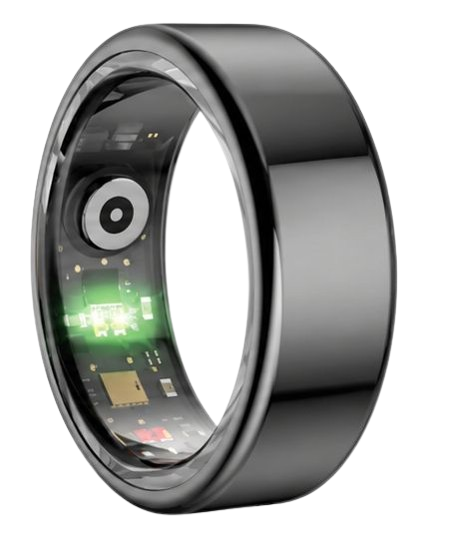
The Herz P1 Smart Ring tracks HRV, Sleep, Heart Rate & SpO2 around the clock. No subscriptions. No renewals. Ever.
In This Article
- How to set up and track active heat strain using wearable indicators.
- Scientific analysis of core body temperature changes and skin surface metrics.
- How to read hydration markers, HRV drops, and blood oxygen changes.
- Practical integration guidelines for summer activities with your smart ring.
- Common tracking errors and how to overcome them for reliable health metrics.
How to Track Heat Strain and Hydration Loss on Your Wearable: A Step-by-Step Guide
Monitoring your physical state in extreme environments is essential for avoiding heat injury.
You can execute this monitoring easily by leveraging specific biometric features found in modern wearable electronics.
Prerequisites & What You Will Need
To follow this guide, you will need a fully charged health monitor ring or advanced tracker.
Your device must feature continuous heart rate sensing, an integrated temperature sensor, and blood oxygen tracking capabilities.
Access to a smartphone companion application is also necessary to analyze the accumulated trends over time.
-
Step 1: Set Up and Record Your Resting Skin Temperature Baseline
Your body has a unique thermal blueprint that fluctuates naturally throughout the day.
To spot thermal abnormalities, you must first establish your resting skin temperature baseline by wearing your device for three consecutive nights.
Make sure you wear your smart ring on a finger with a snug but comfortable fit to guarantee high-quality thermal readings.
Once established, the companion app will show your nightly deviations from this personal baseline.
This baseline serves as the starting reference point to track how well your system handles high outdoor temperatures.
-
Step 2: Track Resting Heart Rate (RHR) Elevation During Exposure
When you enter hot environments, your cardiovascular system must work harder to cool itself down.
Check your real-time heart rate or check your hourly logs while spending time outdoors.
An unexpected increase in your resting heart rate by ten or fifteen beats per minute is a clear warning sign.
This elevation shows that your heart is pumping faster to push blood toward your skin for cooling.
If this elevated state persists during rest, your body is struggling to manage its thermal workload.
-
Step 3: Monitor Sudden Drops in Your Heart Rate Variability (HRV)
Dehydration and heat strain place significant physical stress on your autonomic nervous system.
Use your wearable to check your autonomic balance via heart rate variability trends.
A sudden, sharp decline in your HRV indicates that your sympathetic nervous system is highly active.
This response occurs because your heart is working with reduced blood volume caused by heavy sweating.
Keep a close eye on these autonomic drops to catch thermal exhaustion before physical symptoms become severe.
-
Step 4: Analyze Fluctuations in Blood Oxygen Saturation (SpO2)
High temperatures combined with fluid loss can alter your normal blood circulation patterns.
Check your oxygen levels regularly during hot-weather activities to ensure stable oxygen delivery.
A dip in your blood oxygen levels below ninety-five percent under extreme heat warrants immediate attention.
This decline suggests that your cardiorespiratory system is under high systemic strain from dehydration.
Always rest in a shaded area if your blood oxygen levels show a downward trend during exertion.
-
Step 5: Review Sleep Quality and Recovery Metrics Post-Exposure
Your physical recovery from heat exposure continues long after you return to an air-conditioned room.
Check your sleep logs the following morning to see how your sleep architecture was affected.
Take note of any unusual reductions in deep sleep or REM sleep duration.
An elevated sleeping heart rate combined with low HRV indicates that your body is still processing physical stress.
Use this tracking data to adjust your activity intensity and hydration levels for the next day.
Enhancing Your Tracking Experience with the Herz P1 Smart Ring
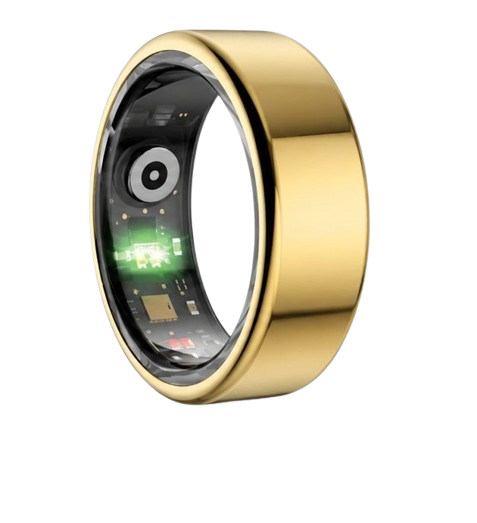
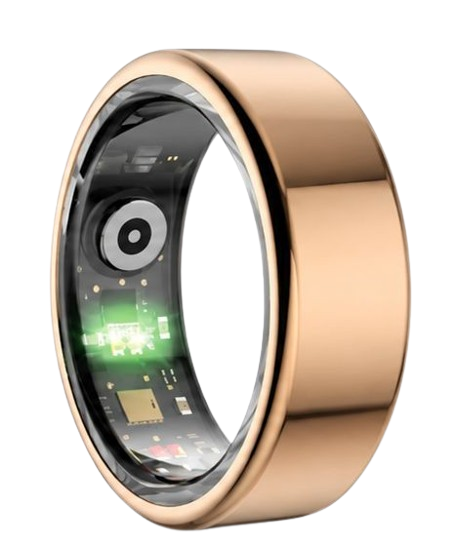
The process of monitoring physiological responses is made effortless with the Herz P1 Smart Ring.
With its high-precision PPG sensors and continuous biometric tracking, the ring gathers all necessary data points quietly in the background.
You can view your real-time metrics on the free mobile application, helping you build healthy daily habits without any subscription fees.
Experience the benefits of subscription-free health monitoring by exploring the Herz P1 Smart Ring today.
The Science of Core and Skin Temperature: How Wearables Map Heat Load
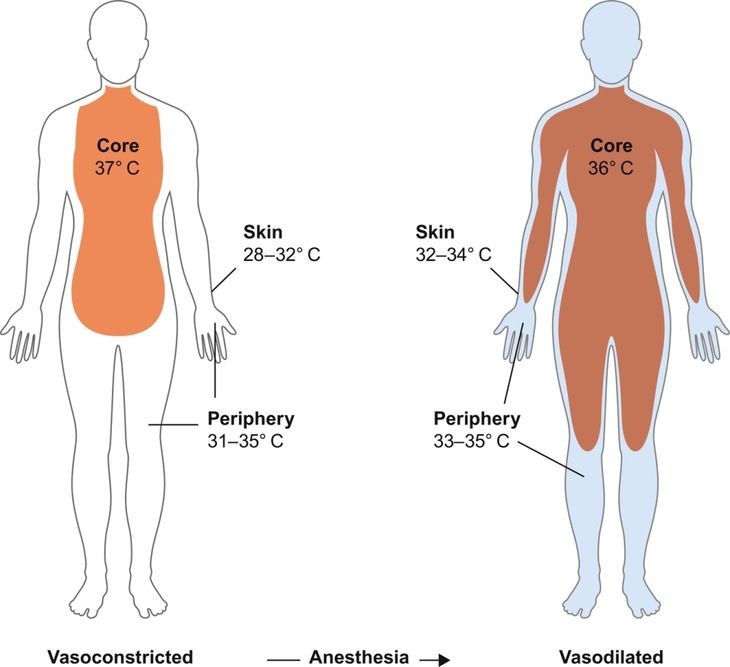
Understanding the difference between skin surface temperature and deep internal thermal states is crucial for effective tracking.
Your skin acts as a primary heat-exchange radiator for your vascular system.
When environmental heat rises, blood is diverted away from your vital organs and sent to your limbs to cool down.
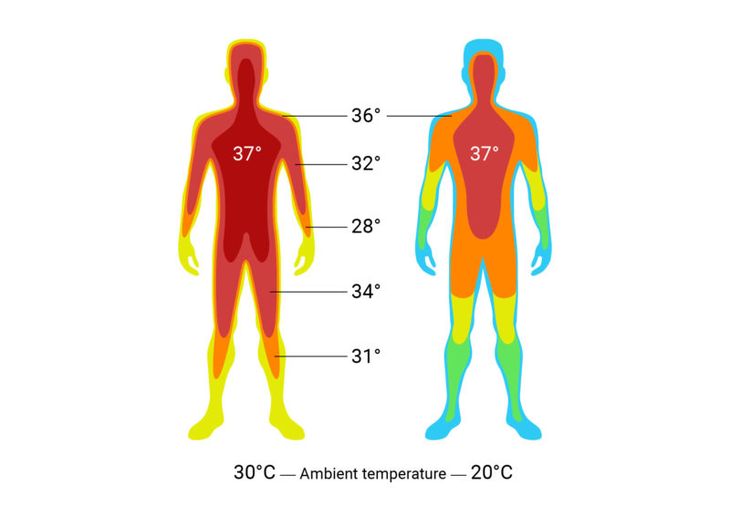
Advanced rings monitor these rapid skin temperature variations through sensitive thermal sensors situated directly against your finger base.
While consumer wearables track skin surface trends, mapping these to your core body temperature is vital for identifying genuine thermal risks.
A sustained elevation in skin temperature during periods of rest indicates that your body is holding onto excess heat.
According to clinical studies, even minor rises in internal temperature can cause physical performance to drop rapidly.
Research published by environmental health institutions highlights that prolonged thermal strain increases the workload on your cardiovascular system.
By monitoring these subtle temperature patterns, smart wearables act as a personal early-warning radar for potential heat exhaustion.
This continuous monitoring allows you to take a break and cool down well before you start feeling dizzy or fatigued.
Decoding Dehydration: How HRV, SpO2, and Pulse Volume Change Under Heat Stress

Dehydration is more than just feeling thirsty; it is a systematic decline in your overall blood volume.
As you lose water through perspiration, your blood plasma levels drop, causing your blood to thicken slightly.
This plasma reduction forces your heart to pump much faster to maintain normal arterial pressure.
Using a high-quality smart ring detect dehydration capabilities allow you to observe these blood volume drops in real time.
These vascular changes are reflected directly in the shape and strength of your pulse waves.
At the same time, your autonomic nervous system responds by increasing sympathetic branch activity.
These sudden changes in autonomic balance are tracked accurately by physiological stress wearables.
Your heart rate variability values will drop significantly as your body shifts into a protective survival mode.
Clinical guidelines from the American Heart Association emphasize that monitoring autonomic indicators helps prevent severe physical overexertion.
Medical studies highlight the growing clinical utility smart rings have in preventive wellness and personal safety.
By combining HRV trends with SpO2 and pulse volume data, your wearable can detect early signs of dehydration before major symptoms arise.
This allows you to rehydrate proactively, keeping your cardiovascular system running smoothly in the heat.
Practical Application Guide: Managing Heat Stress with the Herz P1 App
Using your wearable data effectively requires translating raw biometric numbers into clear, actionable daily decisions.
The companion app for the Herz P1 organizes your physiological data into easy-to-read trend charts.
You can check your personalized dashboards in the morning to see how your body recovered from the previous day’s outdoor activities.
If your resting HRV remains unusually low, it is wise to reduce your physical exercise intensity for the day.
While some trackers focus mostly on active calorie counting, tracking your overall thermal load provides a much safer picture of physical stress.
You can easily export these physical metrics into detailed smart ring reports to share with your personal trainer or health provider.
The ultra-lightweight design of the Herz P1 allows for comfortable, continuous twenty-four-seven monitoring.
This constant wear ensures that you never miss key physical signals during rest, workouts, or sleep.
By paying attention to these daily trends, you can adjust your hydration habits to match your body’s actual needs.
This proactive approach helps keep your energy levels high and protects you from the sudden onset of heat-related fatigue.
Overcoming Heat Tracking Obstacles and Common Device Mistakes
Many active individuals run into tracking errors simply by wearing their health monitors incorrectly.
A loose-fitting device can allow external light to disrupt the sensitive optical sensors, causing inaccurate heart rate readings.
To avoid this, make sure your ring fits snugly and does not slip during physical activities.
Choosing a bulky smartwatch for twenty-four-seven tracking often leads to discomfort, especially when sleeping in warm weather.
A compact, lightweight smart ring provides a far more comfortable and uninterrupted tracking experience.
Another major frustration for users is the surprise cost of monthly app subscription fees required by many wearable brands.
These ongoing fees can make staying healthy feel like an expensive chore over time.
The Herz P1 Smart Ring resolves this issue by providing complete, lifetime access to its companion app with zero subscription fees.
This means you get full health tracking, long-term trends, and detailed insights without any hidden monthly costs.
Investing in a reliable, subscription-free device ensures you can focus entirely on your health and hydration goals.
Frequently Asked Questions (FAQ)
Is the Herz P1 Smart Ring waterproof enough for summer activities?
Yes, the Herz P1 features an IP68 waterproof rating, making it fully safe for swimming, showering, and water sports.
The ring can be safely submerged in water up to one hundred and sixty-four feet deep without any risk of damaging the internal sensors.
This allows you to track your heart rate and physical exertion seamlessly during hot-weather swimming sessions.
How long does the battery last on a single charge?
The Herz P1 Smart Ring offers an impressive six days of battery life on a single charge under normal usage conditions.
When the battery runs low, the device charges fully in under one hour using its dedicated magnetic charging cradle.
This fast charging capability ensures you never have to worry about missing important biometric data during your day.
Which finger is best to wear the smart ring on for accurate tracking?
For the most accurate biometric readings, we recommend wearing the Herz P1 on your index, middle, or ring finger.
These fingers have optimal blood vessel distribution, which helps the optical PPG sensors read your pulse waves clearly.
Make sure the ring fits snugly against the skin at the base of your finger to prevent any measurement errors.
Does the smart ring store your biometric data offline?
Yes, the Herz P1 has built-in offline storage that can save up to seven days of local biometric data.
This means your physical metrics are recorded safely even if your ring is disconnected from your phone’s Bluetooth.
All stored data will sync automatically with the mobile app the next time your device connects.
90-Day 100% Money-Back Guarantee
“The Herz Smart Ring helps me manage stress easily. It’s accurate, stylish, and lightweight—perfect for my busy life!”
— Jennifer P. | ✔ Verified Customer
- ✓ 6-Day Battery Life
- ✓ Detailed Sleep Analysis
- ✓ Fast 1-Hour Charging
- ✓ iOS & Android Ready
Questions? Call: 1-866-479-1629
Conclusion: Stay Safe in the Heat with Continuous Physiological Insights
Monitoring your physical response to environmental heat is key to staying safe and productive during the hot summer months.
The subscription-free Herz P1 Smart Ring makes tracking these biometric shifts simple, continuous, and reliable.
Ready to monitor your health every day? Explore the Herz P1 Smart Ring and see if it fits your lifestyle.
Call: 1-866-479-1629 — our team can help you advise on the correct ring size and set personalized health goals.
Note: Individual results may vary depending on individual health conditions, age, and lifestyle habits. This article is intended for general health reference purposes only.
