

Why Does Your Mind Race at 3 AM? The Surprising Connection Between Stress and Insomnia
Are you exhausted but unable to sleep? When the cycle of stress and insomnia disrupts your life, high-quality biometric tracking helps make sense of the chaos. By monitoring sleep stages and heart rate variability (HRV), you can easily target lifestyle changes and reclaim your recovery without screens.
Take Back Your Sleep.
Take Back Your Life.
- Fall asleep faster & sleep deeper
- Stop waking up in the middle of the night
- Wake up refreshed & full of energy
- The Hyperarousal Connection: How psychological stress triggers physiological wakefulness, keeping your brain on high alert.
- Decoding Biometrics: Understanding Heart Rate Variability (HRV) and sleep stages without getting lost in data clutter.
- Screen-Free Solutions: How to monitor recovery and address stress and insomnia using minimal, comfortable, and elegant hardware.
- Practical Sleep Habits: Simple changes you can start tonight to restore your daily energy reserves.
Table of Contents
1. Understanding the Biometric Blueprint of Stress and Insomnia
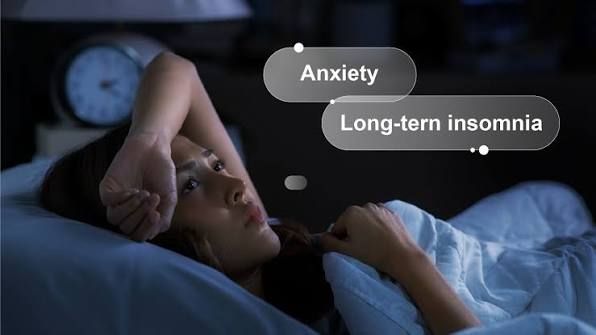
Quick Answer: Yes, stress and insomnia are deeply intertwined, acting as both cause and consequence of an overstimulated nervous system. To choose the right lifestyle changes, you need to understand your body’s personal biometric trends, such as Heart Rate Variability (HRV) and autonomic balance, rather than relying on guesswork.
At our team at Mind Body Dan, we often speak with individuals who feel completely exhausted yet find themselves staring at the ceiling when their head hits the pillow. This agonizing cycle of 3 AM awakenings, a racing mind, and the subsequent daytime brain fog is not just “in your head.” It is a measurable physiological state where emotional stress and insomnia reinforce each other.
When you experience daily stress, your body activates the sympathetic nervous system, often referred to as the “flight-or-fight” response. This release of adrenaline and cortisol raises your heart rate, increases muscle tension, and alters your breathing. If this activation persists into the evening, it creates a state of hyperarousal. This is exactly how we see the onset of nighttime anxiety loops, where you begin to feel anxious about the very act of trying to fall asleep.
The relationship between stress and insomnia is bidirectional. While daytime stress makes falling asleep difficult, the lack of restful sleep acts as a biological stressor the next day. This increases your vulnerability to mood fluctuations, lowers your resilience, and leaves you feeling trapped in a state of chronic fatigue. Breaking this cycle requires a clear look at your body’s sleep metrics, moving past subjective feelings to understand what is actually happening underneath.
When to Track Your Metrics (and When to Step Back)
Biometric tracking is an incredibly powerful tool for identifying trends, but it is important to know when it serves you best:
- When to track: If you are making lifestyle adjustments (such as changing your evening wind-down routine, altering your caffeine intake, or practicing relaxation techniques) and want to see how these habits affect your physiological recovery.
- When NOT to track: If reviewing your sleep data causes you additional anxiety or if you suffer from severe, clinical sleep conditions that require direct guidance from a licensed medical professional. Biometric trackers are educational, not diagnostic.
A Streamlined Approach to Sleep Insights
To break the cycle of stress and insomnia, many people turn to wearable devices. However, standard smartwatches often introduce new problems: bulky designs that are uncomfortable to sleep in, bright screens that flash in the dark, and notifications that keep your brain engaged. Furthermore, the constant demand for daily charging can make them more of a hassle than a help.
This is where the Herz P1 Smart Ring offers a refreshing alternative. Crafted from ultra-lightweight, durable titanium, it fits seamlessly onto your finger, providing medical-grade biometric monitoring without the distraction of a screen or a heavy wrist strap. It tracks your heart rate variability in sleep tracking, sleep stages (REM, Deep, and Light), and daily activity, condensing these complex biometric algorithms into a single, easy-to-read Recovery Score. Best of all, it features a subscription-free model, meaning you own your data forever with no hidden monthly costs.
Section 1 Frequently Asked Questions
Q: Can stress cause insomnia even if I feel physically tired?
A: Absolutely. This is known as “tired but wired.” While your muscles and body may crave rest, the hormonal impact of stress keeps your brain hyper-aroused, preventing the transition into deeper sleep stages.
Q: What does a low HRV during sleep indicate?
A: A low Heart Rate Variability (HRV) typically shows that your autonomic nervous system is dominated by the sympathetic (stress) branch, indicating that your body is struggling to recover fully during the night.
Q: How does a smart ring track sleep without a screen?
A: It uses compact, medical-grade optical and temperature sensors resting against the skin of your finger. The data is saved locally and synced to your smartphone app when you wake up, keeping your sleeping environment completely screen-free.
2. How Stress Insomnia Alters Your Sleep Architecture and HRV
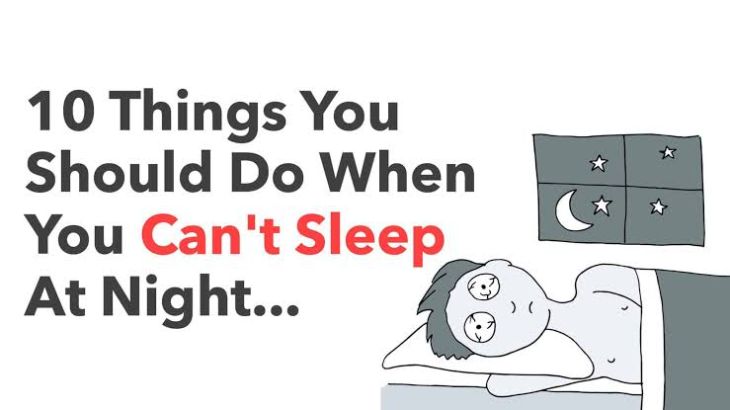
To understand why stress insomnia leaves you feeling so depleted, we must look at what happens to your sleep architecture. Sleep is not a uniform state of unconsciousness. Instead, it is a highly active, structured series of cycles that your brain must navigate to repair cells, process memories, and balance hormones.
When you sleep under the shadow of stress, your autonomic nervous system struggles to shift from sympathetic dominance (fight-or-flight) to parasympathetic dominance (rest-and-digest). This transition is crucial for maintaining a healthy circadian rhythm balance. When this balance is disrupted, your sleep architecture becomes fragmented, altering the time you spend in each sleep phase.
Here is how stress insomnia changes your sleep stages:
- Reduction of Deep Sleep: Deep sleep is the physically restorative phase where your tissues repair, growth hormones are released, and the immune system strengthens. Elevated stress hormones block your transition into deep sleep, leaving you in a lighter, easily interrupted state of rest.
- Disrupted REM Sleep: Rapid Eye Movement (REM) sleep is where emotional processing, learning, and dreaming occur. When you struggle with stress and insomnia, essential REM sleep stages are often shortened or highly fragmented, which directly contributes to brain fog, low mood, and irritability the next day.
- Increased Micro-Arousals: You might not remember waking up, but stress triggers dozens of “micro-arousals” throughout the night. These brief awakenings pull you out of restorative sleep, leaving you feeling exhausted in the morning even if you think you slept for eight hours.
The Screen Trap: Why Your Watch Might Keep You Awake
Many of us wear smartwatches to track our health, yet the very device meant to help can disrupt our rest. The bright glare of a wrist screen when you turn over in bed, coupled with sudden vibrating notifications, signals your brain to wake up. This blue light exposure suppresses melatonin production, making it even harder to fall back asleep. Transitioning to a screen-free, lightweight tracking method lets you collect vital recovery metrics without adding unnecessary light and distraction to your sleeping environment.
Measuring your physiological response to stress doesn’t have to be complicated. Instead of trying to interpret complex heart rate graphs and raw numbers, looking at a unified daily score gives you an immediate picture of your recovery. By combining sleep latency, deep sleep duration, and overnight HRV trends, you can easily see if your body is successfully winding down or remaining on high alert. This simple, data-informed approach takes the guesswork out of your daily wellness routine.
When dealing with stress insomnia, tracking these patterns over time shows you exactly how your daytime habits—such as evening screen use or late-night meals—impact your autonomic recovery. By understanding these connections, you can make gentle, effective adjustments to your lifestyle.
3. Practical Steps: Overcoming Stress Induced Insomnia Without Bulky Tech

Reclaiming your sleep when dealing with stress induced insomnia does not require complex medical routines or lifestyle overhauls. Instead, focusing on small, high-impact habits can help ease your nervous system back into balance.
Here is a simple, screen-free evening protocol designed to support your natural recovery patterns:
- Implement a Digital Sunset: Turn off television screens, computers, and smartphones at least 60 minutes before bed. This encourages natural melatonin production and prevents stressful news or work messages from triggering nighttime arousal.
- Try a Brain Dump: If your mind races when your head hits the pillow, spend five minutes writing down your thoughts, tasks, and worries on a physical piece of paper before getting into bed. This helps clear mental clutter and signals to your brain that it is safe to rest.
- Incorporate Gentle Breathwork: Before sleeping, practice simple mindfulness techniques like the “4-7-8” breathing method. Inhale for four seconds, hold for seven, and exhale slowly for eight. This helps shift your nervous system from sympathetic dominance to a calm, parasympathetic state.
- Optimize Your Sleep Environment: Keep your bedroom cool, dark, and quiet. Use blackout curtains and consider white noise if you live in a noisy area.
- Monitor Your Daily Recovery: Pay attention to your daily recovery metrics. Checking your sleep scores each morning helps you see which habits actively support your rest and which ones might be holding you back.
While establishing healthy sleep habits is key, tracking your progress shouldn’t add to your daily stress. Bulky smartwatches that require daily charging or demand attention with screen-based notifications often disrupt the very rest you are trying to cultivate. The ideal sleep companion is one that works quietly in the background.
The Herz P1 Smart Ring is designed for exactly this kind of seamless, distraction-free monitoring. Its subscription-free app presents your sleep stages, HRV, and daily recovery in clear, straightforward scores. Free from blinking lights, screen glare, and vibrating alerts, this ultra-lightweight titanium ring helps you monitor the impact of your new evening habits without ever getting in the way of a restful night.
By shifting your focus to screen-free tracking and consistent, gentle evening routines, you can gradually ease the impact of stress and insomnia, allowing your body to enjoy the deep, restorative sleep it deserves.
- Ditch bulky, screen-heavy wrist trackers that disrupt sleep.
- Track sleep stages, HRV, and recovery with a comfortable, lightweight titanium ring.
- Avoid subscription fees with a lifetime-access companion app.
- Focus on simple, actionable recovery scores rather than overwhelming data charts.
Taking back your nights starts with understanding your body’s natural rhythms. By combining mindful evening habits with elegant, distraction-free tracking, you can finally put a stop to the restless cycle of stress and insomnia and wake up feeling genuinely refreshed every day.
Disclaimer: Results may vary depending on individual physical activity levels, unique health conditions, and daily tracking patterns. The content provided in this article is for educational and informational purposes only and should not be considered medical advice. Always consult with a licensed healthcare professional before starting any new wellness routine or making significant changes to your health practices.
