

Why Do You Wake Up Drenched? Understanding Night Sweats in Men and Recovery Tips
Waking up drenched in sweat is exhausting and can leave you facing non-restorative sleep and midday brain fog. At Team Mind Body Dan, we explore the primary triggers of night sweats in men. By monitoring biometric trends like HRV with the screen-free Herz P1 Smart Ring, you can reclaim your nightly recovery.
Take Back Your Sleep.
Take Back Your Life.
- Fall asleep faster & sleep deeper
- Stop waking up in the middle of the night
- Wake up refreshed & full of energy
What You Will Learn in This Article:
- The core hormonal, autonomic, and environmental triggers behind nocturnal sweating.
- How waking up hot directly derails deep sleep stages and drops your Heart Rate Variability (HRV).
- Actionable, data-informed ways to optimize your bedroom and evening routine.
- The benefits of screen-free, subscription-free health tracking to monitor your nightly trends without sleep-disrupting technology.
What Triggers Night Sweats in Men?
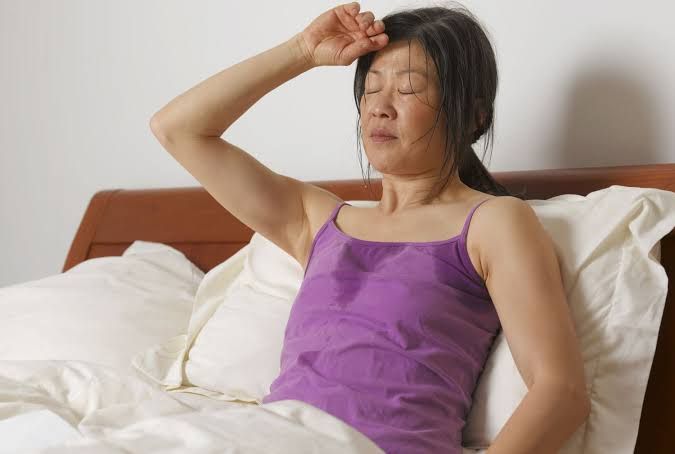
Quick Answer: Yes, waking up drenched is a common but highly disruptive experience. The short answer is that it is typically caused by a temporary spike in body temperature triggered by hormonal fluctuations, elevated stress hormones, or environmental conditions. However, to choose the right strategy to manage it, you need to understand how these factors affect your nervous system and sleep quality.
For many, the experience of night sweats in men is more than a simple inconvenience. It often begins with a sudden, racing mind in the dead of night. You wake up at 3 AM, your chest and neck covered in moisture, your sheets clinging to your skin. This non-restorative sleep leaves you waking up with brain fog, reaching for extra coffee, and feeling physically exhausted before your workday even begins. When this becomes a frequent pattern, it points to a disruption in your body’s delicate internal thermostat.
The Underlying Physiology
To understand the roots of male night sweats, we must look at how the hypothalamus regulates body temperature. The hypothalamus acts as your body’s thermostat. During normal sleep, your core temperature naturally drops by a degree or two to facilitate deep, restorative recovery. However, several internal factors can disrupt this process:
- Hormonal Shifts: While often associated with women, men also undergo age-related hormonal changes. Gradual declines in testosterone—sometimes referred to as male andropause—can cause the hypothalamus to receive false signals that the body is overheating. This triggers an immediate cooling response, resulting in sudden, intense sweating.
- Autonomic Nervous System Overdrive: Chronic daily stress and high evening anxiety prevent your nervous system from transitioning from the sympathetic (“fight or flight”) state to the parasympathetic (“rest and digest”) state. High nighttime cortisol and adrenaline levels keep your heart rate elevated and spike your metabolic rate, causing you to run hot all night.
- Sleep Apnea and Respiratory Stress: When breathing is repeatedly interrupted during sleep, the body undergoes oxygen deprivation. This triggers a massive stress response, raising blood pressure and heart rate, which often leads to frequent occurrences of sweating at night in males.
- Dietary and Lifestyle Triggers: Consuming alcohol, heavy meals, or caffeine close to bedtime forces your digestive system to work overtime. Alcohol, in particular, dilates blood vessels and disrupts thermoregulation, making it a primary culprit when a man sweating at night notices a sudden drop in sleep quality.
— Team Mind Body Dan Biometric Insights
When to Take Action
It is helpful to identify when your night sweats are purely environmental and when they reflect deeper lifestyle imbalances. If your bedroom is kept cool (around 65–68°F), you avoid heavy blankets, and you still wake up hot, your body is sending you a signal. Identifying the main night sweat causes male systems endure is the first step toward reclaiming your energy.
If you experience these episodes alongside unexplained weight loss, persistent fever, or chronic fatigue, it is always wise to consult a healthcare professional. For everyday lifestyle wellness, however, keeping an eye on your nightly biometrics can provide invaluable, data-informed insights into how your lifestyle choices are affecting your body’s recovery process.
Introducing a Screen-Free Path to Sleep Awareness
Many individuals try to track their sleep using heavy, screen-laden smartwatches. However, these devices often cause operational friction. They are bulky to wear in bed, require daily charging, and their bright screens can wake you up in the middle of the night, further stimulating a racing mind.
A more comfortable, distraction-free option is a lightweight smart ring. The Herz P1 Smart Ring is designed specifically for screen-free comfort. Made from durable titanium, it slips onto your finger and monitors your sleep stages (REM, Deep, Light), heart rate variability (HRV), and temperature trends without any glowing screens or annoying vibration alerts. Best of all, it features a subscription-free model, meaning you get comprehensive health insights without any monthly fees.
Quick FAQ on Male Night Sweats:
Q: Can stress alone cause me to wake up sweating?
Yes. Chronic stress elevates cortisol and adrenaline, which raises your resting heart rate and keeps your body temperature elevated, leading to night sweating.
Q: How does alcohol consumption affect nighttime temperature?
Alcohol dilates your blood vessels and accelerates your heart rate, which alters your hypothalamus’s ability to regulate temperature, often triggering hot flashes during the night.
Q: What is the ideal bedroom temperature to prevent night sweats?
Most sleep scientists recommend keeping your bedroom between 65°F and 68°F (18°C to 20°C) to assist your body’s natural cooling cycle.
How Nocturnal Sweating Disrupts Your Sleep Cycles and Recovery

When you are working to track night sweats in men, it’s vital to recognize that the cost goes far beyond wet pajamas. The real damage occurs deep within your sleep architecture. Every time your body temperature spikes and triggers a sweat response, your brain is jolted out of its deeper sleep states, even if you don’t fully remember waking up. This leads to fragmented, low-quality rest that fails to restore your mind and body.
The Impact on Sleep Stages (Deep, REM, Light)
A healthy night’s sleep is divided into continuous cycles of light, deep, and Rapid Eye Movement (REM) sleep. Each stage plays a critical role in daily recovery:
- Deep Sleep (Physical Restoration): This stage is when your body repairs tissues, builds muscle, and strengthens the immune system. Deep sleep requires a cool, stable core body temperature. When you experience nocturnal temperature spikes, your body struggle to stay in this crucial physical recovery stage, leading to morning aches and sluggishness.
- REM Sleep (Mental Processing): REM sleep is when your brain processes emotions, consolidates memories, and clears out metabolic waste. Interestingly, during REM sleep, your body’s ability to thermoregulate is temporarily reduced. If you begin to overheat during this stage, your brain will wake you up to prevent overheating, cutting off your cognitive recovery and contributing to chronic brain fog.
- The Cycle of Fragmentation: Frequent awakenings prevent you from completing the 4 to 6 full sleep cycles required for optimal wellness. Instead of waking up refreshed, you spend the day feeling mentally exhausted, irritable, and physically drained.
Heart Rate Variability (HRV) as Your Recovery Mirror
As a key biometric indicator, Heart Rate Variability (HRV) measures the variation in time between consecutive heartbeats. HRV is controlled by your autonomic nervous system and serves as an excellent mirror of your overall physical recovery and stress resilience:
- High HRV: Indicates that your parasympathetic nervous system is active, meaning your body is relaxed, resilient, and recovering well from daily stressors.
- Low HRV: Suggests that your body is locked in a sympathetic (“fight or flight”) state, struggling to recover. Night sweats and low HRV go hand-in-hand because the physiological stress of overheating keeps your heart rate elevated and your nervous system on high alert.
Why Smart Ring Tracking Beats Traditional Smartwatches
If you are already dealing with restless nights, the last thing you need is a heavy, glowing screen strapped to your wrist. Traditional smartwatches often require daily charging, run out of battery during the night, and emit bright notifications that disrupt your sleep hygiene.
The Herz P1 Smart Ring offers a ultra-lightweight titanium design, medical-grade biometric sensors, a long-lasting battery, and zero screens—giving you pure, actionable recovery data completely distraction-free.
Practical Steps to Manage Male Night Sweats and Optimize Sleep
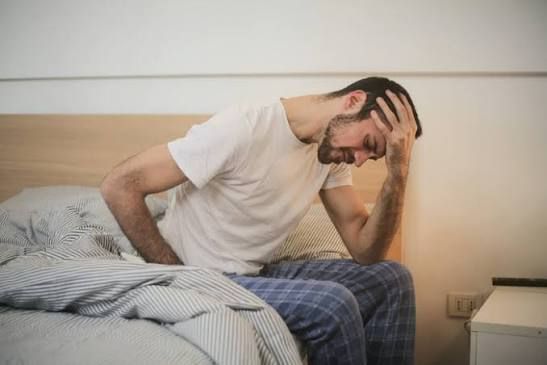
Mitigating the discomfort of male night sweats requires a combination of smart sleep hygiene, stress management, and daily tracking. By adjusting your habits and monitoring how your body responds, you can systematically reduce the frequency of these episodes and improve your overall sleep quality.
1. Optimize Your Sleep Environment
The foundation of cool sleep begins with your bedroom setup. Standard polyester or synthetic sheets trap body heat and moisture, compounding the problem. Switch to breathable, moisture-wicking materials like bamboo, eucalyptus, or high-quality percale cotton. Additionally, keep your bedroom well-ventilated with a fan or air conditioning unit to help maintain a stable ambient temperature throughout the night.
2. Mindful Evening Nutrition and Autonomic Management
What you consume in the hours leading up to bedtime directly impacts the overall pattern of sweating at night in males. Try to finish your last meal at least three hours before sleeping, focusing on lighter, easily digestible foods. Avoid spicy dishes, refined sugars, and alcohol in the evening, as these are known to spike metabolic activity and disrupt your hypothalamus.
To help quiet a racing mind and ease your nervous system into a parasympathetic state, practice a simple evening wind-down routine. This can include activities like deep breathing exercises, light stretching, or reading a physical book under warm, dim lighting. Removing electronic screens from your bedroom is one of the most effective ways to lower evening cortisol levels and prepare your brain for restful deep sleep.
3. Monitor Your Biometrics Screen-Free
To make lasting progress, you need a reliable way to see how your body is recovering over time. This is where tracking your trends becomes invaluable. Rather than relying on guesswork, using a screen-free wearable allows you to gather objective sleep and recovery metrics without introducing any unwanted screen light or notifications to your bedroom.
The Herz P1 Smart Ring tracks your daily sleep stages, heart rate, and HRV, compiling these complex algorithms into an intuitive, easy-to-read daily Recovery Score. This simple number helps you understand exactly how recovered your body is each morning. Because the ring is completely screen-free and subscription-free, you can focus on building healthy sleep habits without any distracting technology or hidden monthly fees.
The Herz P1 Smart Ring Advantage:
- Ultra-Lightweight Titanium: Elegant, comfortable, and barely noticeable on your finger while you sleep.
- Comprehensive Sleep Analysis: Tracks REM, Deep, and Light sleep stages to show exactly how temperature spikes affect your rest.
- Subscription-Free Model: Buy once, own forever, with no hidden monthly fees or paywalled metrics.
- Long Battery Life: Spend less time charging and more time gathering continuous, reliable recovery data.
By making conscious adjustments to your sleep environment, managing evening stress, and keeping a close eye on your biometric trends, you can take control of your nightly recovery and wake up feeling refreshed, re-energized, and ready to take on the day.
