

Are You Tired of Waking Up Exhausted? Discover How the STOP-BANG Score Evaluates Your Sleep Apnea Risk
If you are struggling with non-restorative sleep, brain fog, or sudden 3 AM awakenings, obstructive sleep apnea might be the hidden cause. At Team Mind Body Dan, we explore how the clinical stop-bang score evaluates your risk. Pair this validated tool with the screen-free, subscription-free tracking of the Herz P1 Smart Ring to monitor your sleep stages and reclaim your vitality today.
Take Back Your Sleep.
Take Back Your Life.
- Fall asleep faster & sleep deeper
- Stop waking up in the middle of the night
- Wake up refreshed & full of energy
Key Article Highlights:
- Discover the clinical design of the stop-bang score and why sleep medicine specialists rely on it.
- Step-by-step breakdown of the eight essential indicators of the stop-bang questionnaire.
- How to interpret a low, intermediate, or high stopbang score and know when to consult a specialist.
- The critical impact of micro-arousals on Heart Rate Variability (HRV) and Deep vs. REM sleep stages.
- How lightweight, screen-free wearables help track sleep recovery trends without distracting blue-light screens.
What is the STOP-BANG Score and How Does It Evaluate Sleep Apnea Risk?

Quick Answer: Yes, the clinical stop-bang score is a highly validated screening tool used by healthcare providers to assess the statistical probability of obstructive sleep apnea (OSA). However, to choose the right lifestyle adjustments and monitoring approach, you must understand that screening scores point to clinical likelihoods, while continuous biometric tracking provides the personalized night-to-night context of your actual physiological recovery.
Many of us know the feeling of dragging ourselves out of bed after what seemed like a full eight hours, only to be met with immediate brain fog, cognitive fatigue, and a deep reliance on bad habits like a third cup of coffee before noon. You might experience a racing mind when you wake up abruptly at 3 AM, or feel a generalized, heavy sense of physical exhaustion that no amount of early nights seems to resolve. Often, we chalk this up to everyday stress or aging. Yet, the underlying culprit could be a physical breathing disruption occurring dozens of times every single hour while you sleep.
Obstructive Sleep Apnea (OSA) is characterized by the repeated, temporary collapse of the upper airway during sleep. This structural collapse cuts off oxygen flow, forcing your body out of deep, restorative sleep and into a state of survival-driven micro-arousal. Because these micro-arousals are brief—lasting only a few seconds—you rarely remember them. Instead, you are simply left with the aftermath: high daytime sleepiness, metabolic sluggishness, and a consistently low daily recovery status.
To help identify those at risk without immediately resorting to expensive and complex laboratory sleep studies, sleep medicine researchers developed the evaluating your stop-bang score framework. This highly practical, eight-item questionnaire focuses on a combination of self-reported symptoms and basic physical measurements. By answering yes-or-no questions, individuals and clinicians can rapidly categorize obstructive sleep apnea risk into low, intermediate, or high tiers.
Understanding your personal stop-bang questionnaire results is an essential step in self-advocacy. If you find yourself checking off multiple boxes, it provides concrete data to present to your physician. At the same time, recognizing these risk factors empowers you to start tracking structural lifestyle trends, physical recovery metrics, and nocturnal cardiovascular changes.
When to Use and When Not to Use the STOP-BANG Score
The stop-bang score is highly effective when used as an initial risk assessment tool. If you snore loudly, wake up gasping, suffer from hypertension, or struggle with unexplained morning headaches, taking two minutes to answer the questionnaire can provide immediate clarity. It is also standard practice for pre-operative clinical assessments to ensure anesthesia safety.
However, it is vital to know when *not* to rely solely on this screening tool. The stop-bang questionnaire cannot diagnose sleep apnea; only a professional polysomnography (sleep study) can do that. Furthermore, it may occasionally yield false negatives for young, physically active individuals who do not fit the traditional anatomical profile (such as having a high body mass index or a wide neck circumference) but still experience airway collapse due to narrow craniofacial structures or nasal congestion.
— Team Mind Body Dan Biometric Insights
Suggested Solutions & Screen-Free Biometric Tracking
If your results indicate a moderate or high risk, the primary step is consulting a medical professional. Alongside clinical pathways, optimizing your sleep environment and daily tracking can support your path to better rest. Simple changes like sleeping on your side, using nasal dilator strips, and establishing a strict screen-free wind-down routine can significantly ease mild breathing resistance.
Tracking your daily recovery is crucial to understanding how these changes affect your physiology. While bulky, glowing smartwatches often disrupt sleep and require daily charging, a lightweight, screen-free wearable offers an elegant alternative. The Herz P1 Smart Ring tracks your Sleep Stages (REM, Deep, Light) and monitors your overnight Heart Rate Variability (HRV) with clinical-grade biometric precision. Featuring a premium titanium build and a subscription-free model, it converts complex night-to-night biometric algorithms into a single, intuitive Recovery Score—helping you track your trends without distraction.
Frequently Asked Questions About Sleep Apnea Screening
1. Can a person have a high stop-bang score but not have sleep apnea?
Yes. The questionnaire measures clinical risk and probability. A high score indicates a high statistical likelihood of moderate-to-severe sleep apnea, but a formal overnight sleep study is still required to confirm the presence of airway blockages.
2. How do structural airway issues affect REM and Deep sleep stages?
Deep sleep is crucial for physical tissue repair, while REM sleep supports memory and emotional processing. Airway obstruction triggers micro-arousals that constantly pull you out of these deep stages, leaving you trapped in light sleep and causing you to wake up feeling unrefreshed.
3. Can losing weight or changing sleep positions change my risk score?
Absolutely. Reducing body fat can decrease neck tissue volume, directly lowering airway collapse risk. Positional therapy (such as side sleeping) keeps the tongue and soft palate from falling backward, which can dramatically improve overnight airflow.
Understanding the Eight Questions of the STOP-BANG Questionnaire

The design of the stop-bang questionnaire is elegant because of its accessibility. It relies on four subjective screening symptoms (STOP) and four physical or demographic markers (BANG). To help you calculate your own score, let’s go through each of these metrics step-by-step.
The “STOP” Symptoms (Subjective Indicators)
The first half of the assessment focuses on symptoms that you or your partner observe on a nightly or daily basis.
- S – Snoring: Do you snore loudly? Is your snoring louder than talking, or can it be heard through closed doors? Snoring indicates turbulent airflow through a partially blocked airway.
- T – Tiredness: Do you often feel tired, fatigued, or sleepy during the daytime? If you regularly experience brain fog or find yourself drifting off while driving or in meetings, this is a major warning sign of fragmented sleep.
- O – Observed Apnea: Has anyone observed you stop breathing, choking, or gasping during your sleep? These choking episodes are physical reactions to oxygen deprivation, prompting a micro-arousal so your body can resume breathing.
- P – Pressure: Do you have or are you being monitored for high blood pressure? When your airway collapses, oxygen levels drop, prompting your brain to release stress hormones that constrict blood vessels and raise your heart rate. Over time, this constant overnight strain leads to chronic hypertension.
The “BANG” Markers (Physical & Demographic Indicators)
The second half of the stop bang risk assessment incorporates easily measurable physical traits.
- B – Body Mass Index (BMI): Is your BMI greater than 35 kg/m²? Excess soft tissue around the neck and upper chest increases physical pressure on the trachea, making it much more likely to collapse when your throat muscles relax during sleep.
- A – Age: Are you older than 50? As we age, muscle tone in the upper airway naturally decreases, increasing the risk of collapse.
- N – Neck Circumference: Is your neck circumference greater than 16 inches (40 cm) for females, or 17 inches (43 cm) for males? A wider neck usually indicates localized tissue volume around your airway.
- G – Gender: Are you male? Anatomical differences in fat distribution and upper airway structure make males statistically more susceptible to sleep apnea.
How to Score Your Assessment:
Count the number of “Yes” answers to calculate your overall risk level:
- Low Risk (0 – 2 Yes): Low probability of moderate-to-severe sleep apnea. Focus on optimizing baseline sleep hygiene.
- Intermediate Risk (3 – 4 Yes): Moderate probability. Consider discussing your results with a healthcare provider and monitoring your biometric trends.
- High Risk (5 – 8 Yes): High probability of moderate-to-severe obstructive sleep apnea. A professional sleep study is highly recommended.
Calculating your personal stopbang score provides an excellent starting point. Understanding how physical factors like neck tissue, age, and blood pressure affect sleep architecture allows you to take control of your wellness. For a comprehensive look at your health, combining this questionnaire with objective physiological data helps you see exactly how overnight disruptions affect your heart and overall energy levels.
When you dive into the details of understanding the stop-bang questionnaire, you quickly realize that sleep quality isn’t just about total hours in bed. It’s about maintaining deep, restorative sleep. Next, let’s explore how you can transition from simple risk screening to practical, daily recovery habits that support long-term energy and physical performance.
From Risk Screening to Daily Recovery: Actionable Next Steps
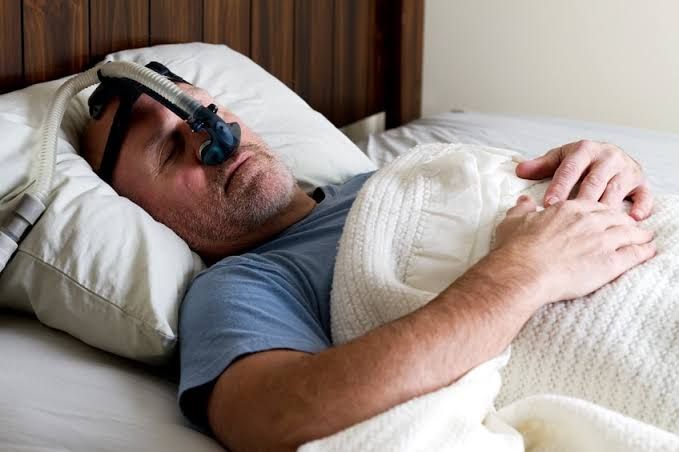
Once you know your clinical risk category, it is time to focus on active, daily recovery. If your physician confirms a sleep apnea case, they may recommend solutions like a CPAP or BiPAP machine, an oral appliance, or specific lifestyle changes. Alongside these treatments, monitoring your body’s responses to these interventions offers invaluable feedback on your progress.
This is where tracking key biometric trends—such as Heart Rate Variability (HRV), Sleep Stages (REM, Deep, Light), and physical recovery metrics—comes in. If your airway is collapsing overnight, your body remains in a sympathetic-dominant “fight-or-flight” state. This sympathetic dominance dramatically lowers your overnight HRV. When your treatments or lifestyle changes are effective, your autonomic nervous system balances, your parasympathetic activity increases, and your overnight HRV rises.
Optimize Your Recovery With Screen-Free Tracking
Traditional smartwatches can be heavy, uncomfortable to wear to bed, and feature bright screens that disrupt your sleep. The Herz P1 Smart Ring provides a sleek, lightweight, and screen-free way to monitor your physical recovery.
- Premium titanium build that is ultra-lightweight and comfortable for side sleeping.
- Clinical-grade biometric sensors that track Deep, REM, and Light sleep stages.
- Overnight Heart Rate Variability (HRV) and Daily Activity tracking.
- A simple, intuitive Recovery Score with absolutely no ongoing subscription fees.
To start improving your sleep quality today, we recommend implementing these simple, drug-free habits:
- Maintain a Strict Screen-Free Buffer: Try turning off all glowing screens (phones, tablets, TVs) at least 60 minutes before bed. Blue light suppresses your natural melatonin production, making it harder to fall asleep and reducing your deep sleep quality.
- Adopt a Side-Sleeping Position: Sleeping flat on your back allows gravity to pull your tongue and soft palate down, which can block your airway. Side sleeping keeps your airway open, helping to reduce snoring and oxygen drops.
- Avoid Alcohol and Heavy Meals Near Bedtime: Alcohol relaxes the muscles in your throat, making airway collapse much more likely. Try to finish eating and drinking at least three hours before you plan to sleep.
- Build a Consistent Sleep Schedule: Going to bed and waking up at the same time every day—even on weekends—strengthens your natural circadian rhythm, making your sleep cycles deeper and more consistent.
- Monitor Your Biometric Trends: Regularly checking your resting heart rate and overnight HRV trends helps you see exactly how your body responds to changes. You can easily use the stop-bang score to evaluate your sleep apnea risk, and then rely on continuous physiological data to fine-tune your recovery.
Taking proactive steps is key to reclaiming your energy and health. By using the assessing your stop bang risk methodology alongside screen-free, continuous tracking, you can finally understand your sleep patterns. This simple, data-informed approach allows you to make positive lifestyle adjustments and wake up feeling truly refreshed and energized.
Disclaimer: Results may vary depending on individual physical activity levels, unique health conditions, physiological baseline variations, and daily tracking patterns. The STOP-BANG score is a clinical screening questionnaire designed to evaluate statistical risk and probability; it does not replace professional medical evaluations, diagnoses, or sleep studies. This content is for educational and tracking purposes only. If you suspect you have obstructive sleep apnea or are experiencing chronic health issues, please consult with a qualified healthcare professional.
