

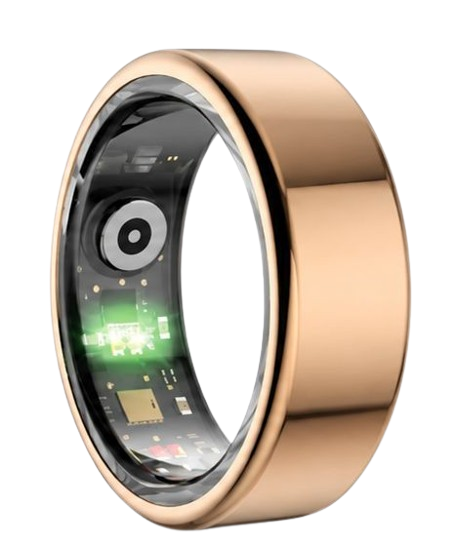
Finding a high-performance smart watch with body temperature sensor capability is crucial for anyone wanting to monitor baseline health. While many wearables claim precision, tracking subtle skin temperature changes accurately remains an engineering challenge. The premium Herz P1 smart ring provides a sleek, highly accurate alternative to bulky wrist monitors. Understanding sensor accuracy helps you select the ultimate companion to track recovery trends and optimize sleep.
Built to Last. Save Up to 69% Today.
The Herz P1 Smart Ring tracks HRV, Sleep, Heart Rate & SpO2 around the clock. No subscriptions. No renewals. Ever.
In This Article
- A realistic evaluation of the top three commercial smartwatches featuring integrated temperature tracking.
- How to identify the critical physical differences between wrist-based and finger-based temperature tracking.
- The biological science behind skin temperature fluctuations during deep recovery and sleep cycles.
- Practical methods for utilizing baseline wellness data to identify physical stressors before they affect you.
The 3 Best Smartwatches with Temperature Sensors: Ranked & Reviewed

Selecting a reliable smart watch with body temperature sensor features requires careful comparison of accuracy and wearability.
Most modern fitness watches measure skin surface temperature rather than core temperature to offer general wellness insights.
Here are three of the most widely recognized smartwatches on the market that feature built-in temperature monitoring components.
1. Apple Watch Series 10
The Apple Watch Series 10 utilizes a dual-sensor design to track overnight skin temperature variations with high consistency.
One sensor sits directly against your skin on the back crystal, while another sits just under the display to isolate ambient outdoor temperatures.
This dual-sensor configuration is ideal for individuals looking to monitor cycle tracking and general nightly deviations from their baseline.
However, the device requires daily charging due to its limited 18-hour battery life, making consistent overnight tracking a logistical chore.
2. Samsung Galaxy Watch 7
The Samsung Galaxy Watch 7 features an infrared temperature sensor that minimizes environmental interference during nocturnal readings.
This model is highly suitable for Android users seeking an integrated health suite that tracks sleep architecture and metabolic recovery.
The optical interface provides fast readings and works in tandem with Samsung’s sleep coaching software to outline monthly habits.
The primary drawback of this watch is its bulky circular profile, which many users find uncomfortable to wear throughout the night.
3. Fitbit Sense 2
The Fitbit Sense 2 excels at continuous multi-variable tracking, integrating skin temperature data directly into its daily stress management score.
It is best suited for budget-conscious fitness enthusiasts who prioritize long-term metric graphing and guided mindfulness exercises.
The skin temperature sensor reads thermal variations throughout the evening and compares them directly to your personal 30-day baseline.
Unfortunately, many of Fitbit’s detailed analytical graphs and historical trends are locked behind a paid monthly Premium subscription.
The Strategic Upgrade: Why Herz P1 Is the Ultimate Temperature Tracker
While smartwatches offer robust features, they often fail to deliver a comfortable experience for seamless, 24/7 temperature monitoring.
The bulky chassis of a smartwatch can slip during sleep, causing optical sensors to lose contact with the skin and produce inaccurate data.
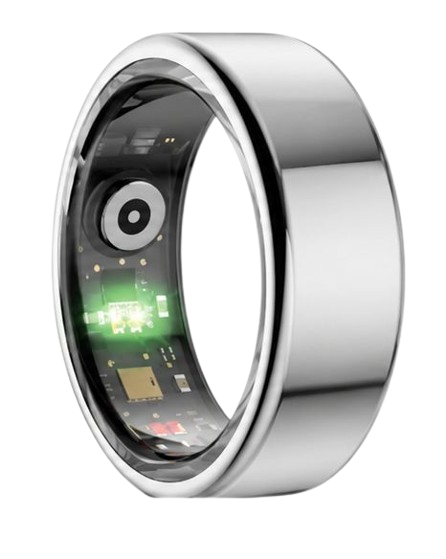
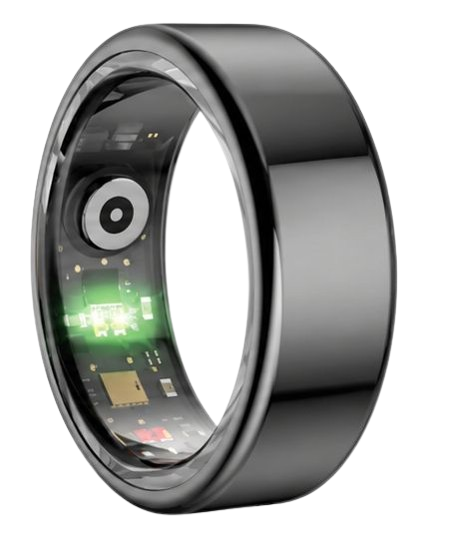
The Herz P1 Smart Ring provides a lightweight, highly accurate alternative by moving the sensor array directly to the finger.
At the base of the finger, digital sensors sit flush against highly vascular digital arteries, providing an incredibly stable thermal reading.
Furthermore, the Herz P1 operates with zero monthly subscription fees, saving you from recurring costs while protecting your personal data.
With an IP68 waterproof rating, military-grade steel construction, and a 6-day battery, it provides premium durability without daily charging anxiety.
| Feature & Specs | Herz P1 Smart Ring | Apple Watch Series 10 | Fitbit Sense 2 |
|---|---|---|---|
| Monthly Subscription | $0 (Free Lifetime App) | $0 | $9.99/month (Premium Required) |
| Battery Life | Up to 6 Days | Up to 18 Hours | Up to 6 Days |
| Waterproof Rating | IP68 (Up to 164 Feet) | 50 Meters WR | 50 Meters WR |
| Warranty Coverage | 2-Year Warranty | 1-Year Warranty | 1-Year Warranty |
| Wearing Comfort | Excellent (Lightweight Ring) | Bulky on Wrist | Moderate on Wrist |
If you are ready to transition away from bulky, short-lived wrist monitors, you can explore the subscription-free Herz P1 Smart Ring today.
90-Day 100% Money-Back Guarantee
“The Herz Smart Ring helps me manage stress easily. It’s accurate, stylish, and lightweight—perfect for my busy life!”
— Jennifer P. | ✔ Verified Customer
- ✓ 6-Day Battery Life
- ✓ Detailed Sleep Analysis
- ✓ Fast 1-Hour Charging
- ✓ iOS & Android Ready
Questions? Call: 1-866-479-1629
The Science of Skin Temperature Tracking in Wearable Tech
Wearable temperature sensors do not read your internal core temperature directly like a medical oral thermometer.
Instead, they capture distal skin temperature, which reflects the heat radiating from small blood vessels near the surface.
This metric fluctuates throughout the day based on physical movement, environmental exposure, and internal vascular shifts.
By monitoring these subtle changes relative to your personal baseline, advanced algorithms calculate highly accurate recovery trends.
How Optical Sensors Estimate Baseline Trends
Modern wearables use negative temperature coefficient (NTC) thermistors to measure electrical resistance variations caused by body heat.
As your skin warms, the resistance within the sensor changes, allowing the microprocessor to compute a precise temperature value.
These thermistor modules are highly sensitive and can detect variations as tiny as 0.1 degrees Celsius.
To deliver reliable tracking, the sensor must maintain constant, firm contact with the skin without any gaps.
This is why ensuring a snug, movement-free fit is critical for eliminating erroneous ambient room temperature readings.
The Critical Role of Skin Temperature in Overnight Sleep Architecture
According to research from the National Sleep Foundation, your body must drop its temperature to initiate deep sleep stages.
This cooling process is controlled by dilating blood vessels in your hands and feet, which allows heat to escape.
A smart sensor tracks this nocturnal heat dissipation to identify when your body transitions from light sleep to deep recovery phases.
If your skin temperature remains elevated overnight, it may indicate a disrupted circadian rhythm or a high physical stress load.
Continuous monitoring allows you to visualize these subtle thermal trends and make data-informed adjustments to your bedtime routine.
The Physiological Battle: Wrist vs. Finger Biometric Accuracy
When choosing a wearable, the location of the sensor plays a dramatic role in overall data consistency.
While wrists are traditional places for watches, fingers actually offer superior vascular access for optical health sensors.
Comparing these two locations reveals clear differences in signal clarity and overall tracking reliability.
Why Microvascular Sourcing at the Finger Beats Wrist Sensors
The finger features a dense network of capillaries and digital arteries located very close to the surface of the skin.
In contrast, the wrist is covered by thick muscle tissue, tendons, and larger bones that can shield blood vessels from optical sensors.
This anatomical difference makes the finger an ideal location for obtaining high-quality photoplethysmography (PPG) signals.
By measuring the blood flow close to the skin, a finger-based sensor can capture precise heart rate variability (HRV) and oxygen saturation.
Furthermore, because rings stay securely in place, they suffer from fewer motion artifacts than loose-fitting watch bands.
Utilizing Basal Body Temperature for Menstrual and Ovulation Cycles

Basal body temperature (BBT) monitoring is a scientifically validated method used to track menstrual cycles and predict ovulation windows.
Immediately following ovulation, a woman’s resting temperature rises slightly due to increased progesterone levels.
Many women look for the best temperature tracking rings to monitor these delicate shifts without manual morning testing.
Using smart rings with temperature sensors allows for automatic, continuous baseline calculations during sleep.
Selecting reliable best-basal-body-temperature-rings helps automate this data collection process, removing human error from the equation.
For more details, consult the comprehensive best-basal-body-temp-rings-guide to understand how overnight thermal readings can assist with natural family planning.

Practical Application: Reading Your Herz P1 Biometric Metrics
Once your device collects the data, the real benefit comes from translating those numbers into actionable daily habits.
The free Herz P1 application organizes your biological signals into a straightforward daily recovery dashboard.
By reviewing these trends, you can make intelligent decisions about your physical workload and recovery needs.
Navigating the App Interface for Daily Peak Recovery
The daily dashboard displays three key metrics: sleep score, heart rate variability, and average skin temperature.
A sudden decrease in your overnight resting heart rate coupled with normal skin temperature indicates optimal recovery.
If you observe a elevated temperature trend alongside low HRV, your body is likely working hard to recover from physical stress.
You can use these direct insights to adjust your exercise intensity or prioritize an earlier bedtime.
The lightweight design of the Herz P1 ensures you can comfortably wear it all day and night to maintain a clean stream of data.
Common Mistakes to Avoid When Tracking Body Temperature with Wearables
Many users make simple mistakes that degrade the accuracy of their biometric tracking devices.
The most common error is wearing a bulky, heavy smartwatch tightly to bed, which can pinch blood vessels and distort readings.
Another frequent oversight is ignoring the hidden costs of tracking apps that require ongoing premium subscriptions.
With the Herz P1, you avoid both issues thanks to its ultra-light, ring-based profile and lifetime free mobile application.
Additionally, make sure to clean the optical sensors weekly to prevent dust or oils from blocking the infrared light paths.
Frequently Asked Questions About Body Temperature Wearables
Conclusion
Tracking baseline temperature trends is highly effective for optimizing sleep hygiene, cardiovascular performance, and daily recovery.
The subscription-free Herz P1 Smart Ring delivers clinical-grade precision in an ultra-light, highly durable steel ring format.
Ready to monitor your health every day? Explore the Herz P1 Smart Ring and see if it fits your lifestyle. Call: 1-866-479-1629 — our team can help you advise on the correct ring size and set personalized health goals.
