

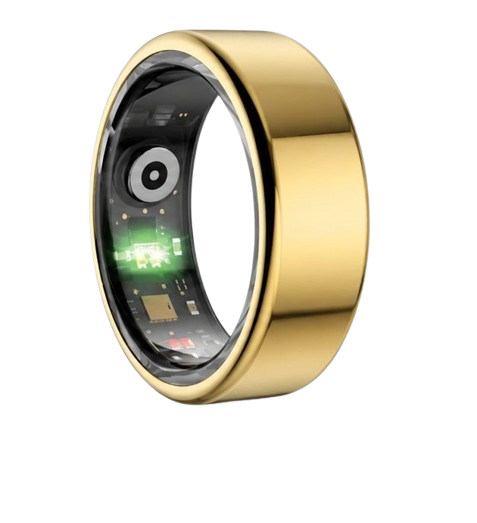
Finding the best smart ring for autonomic nervous system tracking is essential for anyone looking to optimize recovery and master daily stress. The groundbreaking Herz P1 Smart Ring offers premium, subscription-free biological monitoring to help you translate complex heart rate variability metrics into clear, actionable lifestyle habits. By tracking the delicate balance between your sympathetic and parasympathetic states, this military-grade steel ring empowers you to take control of your well-being without any ongoing monthly fees.
Built to Last. Save Up to 69% Today.
The Herz P1 Smart Ring tracks HRV, Sleep, Heart Rate & SpO2 around the clock. No subscriptions. No renewals. Ever.
In This Article
- Unveiling the Top ANS Trackers: We analyze the 3 best smart rings currently dominating the market for recovery analysis.
- The Science of the Nervous System: Discover how optical PPG sensors decode your sympathetic and parasympathetic nervous pathways.
- Mastering Heart Rate Variability: Learn how to interpret your nightly recovery signals to boost physical and mental longevity.
- Actionable Lifestyle Strategies: Turn raw biometric data into practical steps for stress mitigation and sleep optimization.
The Best Smart Rings for Autonomic Nervous System Tracking: Ranked & Reviewed
Tracking your nervous system requires highly sophisticated optical engineering and rapid data sampling rates.
In this section, we analyze the leading consumer smart rings designed to measure your autonomic recovery metrics.
Each review highlights the device’s technical strengths, ideal target audience, and primary functional limitations.
1. Oura Ring Gen 3
The Oura Ring Gen 3 is widely recognized for its polished app interface and deep sleep staging algorithms.
It utilizes red, green, and infrared PPG sensors to record blood flow trends during resting periods.
This ring is best suited for tech-conscious users who want structured, highly simplified sleep scoring metrics.
However, the device requires a strict monthly subscription of $5.99 to access any historical health data.
Without this continuous fee, users are locked out of their deep physiological trends and autonomic analysis.
2. Ultrahuman Ring Air
The Ultrahuman Ring Air focuses heavily on metabolic tracking and real-time movement coaching prompts.
It integrates a solid suite of temperature and optical sensors within a lightweight, subscription-free chassis.
This ring is best for fitness enthusiasts who want to cross-reference recovery metrics with dynamic movement habits.
On the downside, its outer shell is highly prone to scratching during high-intensity weightlifting workouts.
Many active users report that the exterior finish degrades rapidly when exposed to gym equipment.
3. Samsung Galaxy Ring
The Samsung Galaxy Ring serves as a sleek addition to the modern Samsung health ecosystem.
It tracks sleep staging, skin temperature, and daily energy scores using localized AI processing algorithms.
This model is ideal for dedicated Android users who already own a Galaxy smartphone and smartwatch.
Unfortunately, iOS users are completely excluded from using this device as it lacks iPhone app support.
Additionally, the recovery data is tightly sandboxed within the proprietary Samsung Health app ecosystem.
Why the Herz P1 Smart Ring Outperforms the Competition
If you are frustrated by fragile materials and expensive subscription paywalls, the Herz P1 Smart Ring stands out as the ultimate upgrade.
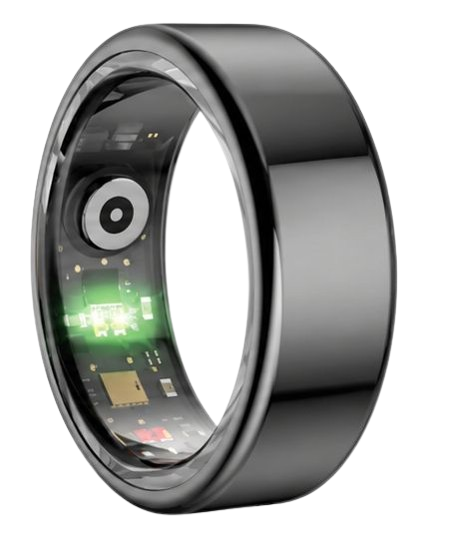
It is constructed from military-grade steel that easily survives rugged gym workouts and daily physical stress.
Unlike competitors, the Herz P1 provides a free lifetime companion app with absolutely zero monthly fees.
It also offers an industry-leading 2-year warranty and a generous 90-day money-back guarantee for peace of mind.
You can seamlessly track your autonomic trends, sleep quality, and cardiac metrics with clinical-grade accuracy.
Below is a direct comparison of how the top autonomic nervous system smart rings match up in 2025:
| Feature Metric | Herz P1 Smart Ring | Oura Ring Gen 3 | Ultrahuman Ring Air |
|---|---|---|---|
| Monthly Subscription Fee | $0 (Free App Forever) | $5.99 per month | $0 (Free App) |
| Chassis Material | Military-Grade Steel | Titanium | Titanium |
| Warranty Protection | 2 Years (Full Coverage) | 1 Year Limited | 1 Year Limited |
| Waterproof Rating | IP68 (Up to 164 Feet) | IPX8 | IPX8 |
| Money-Back Guarantee | 90 Days | 30 Days | 30 Days |
For individuals seeking absolute transparency and uncompromised structural durability, the Herz P1 is the clear choice.
You can discover your custom fit and explore current pricing options by visiting our official product page.
We invite you to experience subscription-free physiological insights by checking out the Herz P1 Smart Ring today.
90-Day 100% Money-Back Guarantee
“The Herz Smart Ring helps me manage stress easily. It’s accurate, stylish, and lightweight—perfect for my busy life!”
— Jennifer P. | ✔ Verified Customer
- ✓ 6-Day Battery Life
- ✓ Detailed Sleep Analysis
- ✓ Fast 1-Hour Charging
- ✓ iOS & Android Ready
Questions? Call: 1-866-479-1629
How Smart Rings Decode the Autonomic Nervous System: The Science Behind the Data
Your autonomic nervous system, or ANS, regulates the involuntary biological functions that keep your body alive.
It operates continuously in the background, managing your respiration, digestion, pupil response, and cardiac patterns.
The system is split into two primary pathways: the sympathetic branch and the parasympathetic branch.
The sympathetic pathway acts as your body’s accelerator, driving the classic “fight-or-flight” response to perceived challenges.
When you face high-stress scenarios, this branch increases cardiac output and limits metabolic recovery systems.
Conversely, the parasympathetic pathway acts as your brake pedal, facilitating “rest-and-digest” biological states.
This branch lowers cardiac output, encourages cellular tissue repair, and supports deep physical rest.
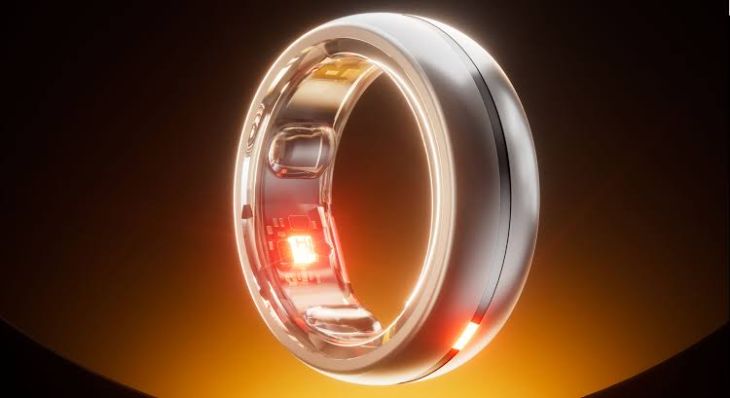
To evaluate these shifts, an autonomic nervous system smart ring utilizes photoplethysmography, or PPG.
This technology projects specialized light wavelengths directly through the translucent capillary beds in your finger.
As blood pulses through the vessels, it absorbs and reflects varying amounts of light back into the ring’s optical sensors.
The device analyzes these subtle shifts to map the tiny, millisecond-level intervals between consecutive heartbeats.
By measuring these intervals, the device calculates your real-time autonomic balance with exceptional precision.
Learning how to improve hrv begins with understanding how these sympathetic and parasympathetic states interact.
A resilient system transitions smoothly between action and rest depending on your immediate physical demands.
Conversely, experiencing a chronic low hrv while sleeping indicates that your body is struggling to disengage from sympathetic activation.
The Herz P1 sensor array is designed to catch these imbalances long before they manifest as physical exhaustion.
This continuous insight allows you to make mindful adjustments to your work schedule and sleep hygiene before burnout occurs.
What Your Heart Rate Variability Score Actually Tells You — And How to Improve It
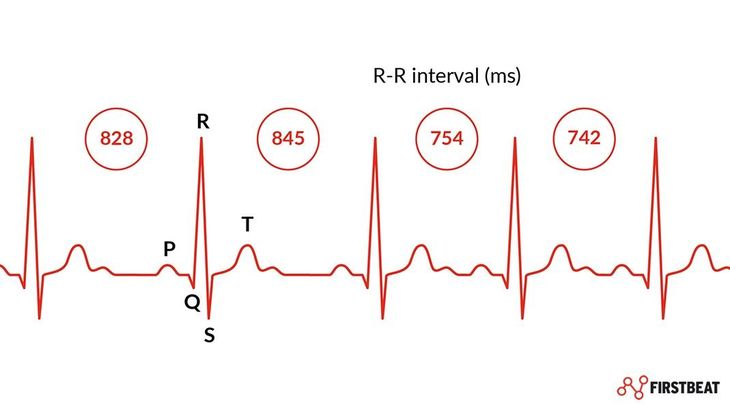
Heart Rate Variability, or HRV, is the metric used to evaluate your real-time autonomic balance.
Healthy hearts do not beat with the mechanical precision of a metronome.
Instead, the time gap between consecutive pulses varies by several milliseconds from beat to beat.
These fluctuations are driven by the competing chemical signals sent from your sympathetic and parasympathetic pathways.
A higher HRV score indicates a highly responsive, flexible autonomic nervous system that is ready for physical demands.
It shows that your parasympathetic brake is working efficiently to keep stress in check.
Conversely, a lower HRV score indicates that sympathetic “fight-or-flight” hormones are dominating your cardiac rhythm.
This suggests your system is experiencing physical fatigue, mental stress, or potential subclinical illness.
Understanding how to improve heart rate variability requires focusing on consistent sleep schedules, smart hydration, and balanced training.
Your baseline resting heart rate also serves as an important biological companion to your daily HRV trend lines.
When your resting heart rate drops while your HRV rises, it confirms that your body is in an optimal state of recovery.
According to clinical data from the American Heart Association, these shifts are clear signs of cardiovascular efficiency.
With its high-frequency PPG sensors, the Herz P1 tracks these trends with a tiny margin of error.
By monitoring these shifts, you can easily determine whether to push hard in the gym or prioritize rest.
This data-informed approach takes the guesswork out of daily fitness, ensuring you work out safely and productively.
The Vagus Nerve Connection: Sleep Architecture and Stress Recovery
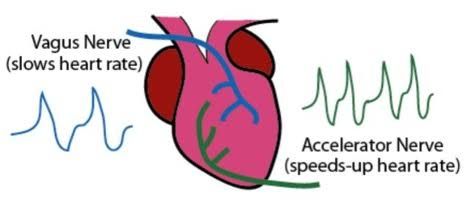
The tenth cranial nerve, known as the vagus nerve, acts as the primary highway for parasympathetic signals.
It snakes down from your brainstem to connect directly to your heart, lungs, and digestive tract.
By releasing acetylcholine, the vagus nerve slows your heart rate and promotes a peaceful state of relaxation.
This physiological process highlights the close connection between the vagus nerve and hrv.
Higher vagal tone correlates directly with enhanced physical recovery and superior emotional resilience.
During deep, slow-wave sleep, vagus nerve activity peaks to initiate cellular tissue repair and consolidate memories.
This biological phase is critical for clearing out metabolic waste products from your brain tissue.
An ans recovery smart ring tracks these nocturnal shifts by mapping your sleep architecture.
The Herz P1 categorizes your sleep into light sleep, deep sleep, REM sleep, and brief awake periods.
The National Sleep Foundation emphasizes that healthy adults need adequate deep sleep to support immune function.
By analyzing these sleep stages alongside your cardiovascular metrics, the Herz P1 generates a daily readiness score.
This score acts as a personalized check-in, letting you know how prepared your nervous system is for the day’s stressors.
If your deep sleep is cut short, the Herz P1 app will show a clear drop in your morning recovery score.
This intuitive system helps you build a healthier, more consistent relationship with your body’s natural sleep-wake cycles.
Practical Application Guide: Optimizing Your Life with the Herz P1 App
Using the Herz P1 to improve your health is incredibly simple and requires no medical background.
First, establish a baseline by wearing the ring consistently for seven consecutive days and nights.
This initial period allows the app’s localized algorithms to map your unique autonomic patterns.
Every morning, open the free companion app to review your sleep architecture breakdown and recovery metrics.
If your recovery score is above eighty, your nervous system is primed for high-intensity cognitive and physical work.
If your score falls below fifty, it is a clear sign to prioritize recovery and scale back on intense workouts.
You can use these objective insights to schedule demanding tasks for days when your energy is naturally high.
The ultra-lightweight design of the military-grade steel band ensures comfortable, distraction-free wear all day long.
By tracking your biological signals around the clock, you can build lifestyle habits that genuinely support your body’s needs.
Overcoming Common Wearable Mistakes: Subscriptions and Bulky Designs
A common mistake people make is wearing bulky, heavy smartwatches to bed to track their sleep.
These large devices often shift during the night, leading to inaccurate optical readings and sleep disruptions.
Furthermore, watches require frequent charging, which often leads to missed tracking data during the night.
Another major issue in the wearable market is the hidden cost of ongoing monthly app subscriptions.
Many popular health trackers lock your personal physiological data behind expensive monthly paywalls.
The Herz P1 Smart Ring solves these problems by offering complete health tracking with absolutely no subscription fees.
Its slim, lightweight steel profile is incredibly comfortable to wear throughout the night without irritating your skin.
Additionally, the long-lasting battery provides six full days of continuous tracking on a single one-hour charge.
This reliable performance ensures you never miss a beat, helping you build a comprehensive record of your health trends.
Frequently Asked Questions (FAQ)
Is the Herz P1 Smart Ring waterproof?
Yes, the Herz P1 features a rugged IP68 waterproof rating that protects it in water up to 164 feet deep.
You can confidently wear the ring while swimming, showering, washing your hands, or during intense, sweaty workouts.
The military-grade steel exterior and sealed inner liner protect the sensitive optical components from moisture and dust.
This durable design allows you to track your biometrics in almost any environment without worrying about water damage.
How long does the battery last?
The Herz P1 is designed with energy-efficient components that provide up to six days of battery life on a single charge.
The ring charges incredibly fast, going from empty to one hundred percent in under an hour.
This rapid charging makes it easy to keep the ring powered without losing valuable sleep or daytime tracking data.
By minimizing charge times, the Herz P1 ensures you get a seamless, continuous look at your health metrics.
Which finger is best to wear the smart ring on?
For the most accurate optical sensor readings, we recommend wearing the ring on your index, middle, or ring finger.
Your non-dominant hand is usually the best choice, as it experiences fewer sudden movements during daily activities.
The ring should fit snugly at the base of your finger without causing any discomfort or restricting your blood flow.
A proper fit ensures the optical sensors stay in continuous contact with your skin for clean, accurate data collection.
Does the Herz P1 store health data offline?
Yes, the Herz P1 can store up to seven days of detailed biometric data directly on its internal memory chip.
You do not need to keep your phone nearby or stay connected to Bluetooth constantly to prevent data loss.
Once you open the companion app, the ring will automatically sync all stored health metrics to your smartphone.
This offline storage capability makes the ring perfect for outdoor adventures, travel, or distraction-free sleep.
Conclusion
Tracking your nervous system does not have to be complicated or expensive.
The Herz P1 Smart Ring offers a durable, subscription-free way to monitor your recovery and sleep.
Ready to monitor your health every day? Explore the Herz P1 Smart Ring and see if it fits your lifestyle. Call: 1-866-479-1629 — our team can help you advise on the correct ring size and set personalized health goals.
Note: Individual results may vary depending on individual health conditions, age, and lifestyle habits. This article is intended for general health reference purposes only.
