

Why Do People Sleep with Their Eyes Open? Causes, Symptoms, and Recovery Solutions
Ever wondered why some people leave their eyes open sleeping? This unusual condition, known as nocturnal lagophthalmos, often disrupts sleep stages and leaves you feeling exhausted. To wake up truly refreshed, monitoring your recovery metrics is essential. Discover how the Herz P1 Smart Ring provides screen-free, subscription-free tracking to help you reclaim restorative rest.
Take Back Your Sleep.
Take Back Your Life.
- Fall asleep faster & sleep deeper
- Stop waking up in the middle of the night
- Wake up refreshed & full of energy
Key Article Highlights
- Nocturnal Lagophthalmos Explained: Understand the physiological reasons behind sleeping with eyes open and what it means for your body.
- The Biometric Cost: Why incomplete eyelid closure compromises deep sleep, interrupts REM cycles, and dries out the corneal tissue.
- Key Symptoms: Identifying signs like waking up with dry, irritated eyes or blurred vision.
- Tracking Sleep Disruption: Why monitoring Heart Rate Variability (HRV) and your Daily Recovery Score is essential when addressing sleep issues.
- Elegant, Screen-Free Tracking: How the Herz P1 titanium smart ring tracks sleep architecture without screen glare or battery anxiety.
Understanding Nocturnal Lagophthalmos: Why Do People Sleep with Their Eyes Open?

Quick Answer: Yes, you can sleep with your eyes open, but it is typically a physiological issue rather than a conscious habit. The short answer is that this condition, medically referred to as nocturnal lagophthalmos, occurs when your eyelids cannot close completely during sleep. However, to choose the right wellness approach, you need to understand the underlying causes—ranging from facial nerve issues to anatomical traits—and how it affects your overall sleep architecture and biological recovery.
Let’s dive deep into why people might experience sleeping with an eye open or have both eyes partially unsealed during the night. The human body relies on a delicate balance of facial muscle tone and nervous system signals to enter a state of complete rest. The orbicularis oculi muscle is primarily responsible for closing your eyelids. When you drift off, your brain signals this muscle to relax and seal out light, dust, and dry air. However, when someone experiences eyes open sleeping, this crucial seal is compromised.
There are several key reasons why people find themselves sleeping with eyes open:
- Anatomical Variations: Some individuals simply have shorter eyelids or larger globes (eyeballs), meaning the eyelid tissue doesn’t fully cover the exposed surface when relaxed. This physical layout makes sleeping with eyes open highly likely.
- Neurological and Nerve Conditions: The facial nerve (CN VII) controls the eyelid muscles. Conditions like Bell’s palsy, trauma, or temporary nerve weakness can prevent complete closure, leading to sleeping with an eye open.
- Thyroid Disorders: Conditions like Graves’ ophthalmopathy can cause the eyes to protrude slightly, making it physically difficult to close the eyelids completely during rest.
- Severe Fatigue and Environmental Factors: Extreme physical exhaustion, high stress, or chemical substances can disrupt deep muscle relaxation, leaving the eyes partially open during NREM and REM states.
When you practice sleeping with eyes open, your cornea is continuously exposed to air. This disrupts the three-layer tear film that normally lubricates, protects, and nourishes the eye. Without this protective barrier, you might wake up with severe eye dryness, a scratchy sensation, redness, or even blurred vision. Over time, chronic exposure from sleeping with eyes open can lead to corneal abrasions or infections, which is why understanding and addressing this phenomenon is so important for your long-term health and wellness.
When to Monitor This Issue (Self-Identification)
Since you are unconscious when it happens, you must rely on daytime symptoms and sleep partner observations to identify if you are sleeping with eyes open. You should pay close attention to this issue if you consistently wake up with dry, burning eyes, light sensitivity, or a gritty feeling that persists for hours. On the other hand, if you sleep soundly, wake up with perfectly comfortable eyes, and your partner has never noticed your eyelids parted, you likely do not have nocturnal lagophthalmos. Instead, your occasional morning fatigue might stem from other lifestyle factors, and tracking your daily biometrics can help pinpoint those issues.
Suggested Recovery Solutions
Addressing sleeping with eyes open requires a two-pronged approach: physically protecting the eyes and monitoring how well your body recovers from nighttime micro-disruptions. For immediate physical relief, many specialists recommend using moisture-chamber goggles, preservative-free lubricating eye drops before bed, or gentle medical-grade eyelid tape to hold the eyelids closed.
Equally important is tracking how this condition impacts your nervous system and sleep quality. This is where we highly recommend integrating a premium, screen-free wearable. The Herz P1 Smart Ring is an exceptional tool for this purpose. Unlike bulky smartwatches that emit bright screen light and disrupt your natural melatonin production, the Herz P1 is ultra-lightweight, comfortable to wear all night, and operates without a screen. It monitors your Sleep Stages (REM, Deep, and Light) and measures Heart Rate Variability (HRV) to calculate a comprehensive daily Recovery Score. By looking at these simple, actionable metrics, you can clearly see if your efforts to manage sleeping with eyes open are actually improving your deep sleep and physical recovery. Best of all, it offers a subscription-free model, so you can track your health trends forever without worrying about hidden monthly fees.
Frequently Asked Questions About Eyes Open Sleeping
Q1: Can you sleep with your eyes open without realizing it?
Yes, most people who experience this are entirely unaware of it until a sleep partner points it out or they begin experiencing chronic symptoms like dry, painful eyes and brain fog in the morning.
Q2: Is sleeping with eyes open a sign of a serious medical condition?
While it can sometimes be caused by simple anatomical traits, sleeping with eyes open can also stem from thyroid conditions, sleep disorders, or facial nerve issues. If your symptoms are severe or cause pain, it is wise to consult an eye care professional.
Q3: How does open eyes when sleeping affect your REM sleep?
Even partial light exposure can signal your brain that it is daytime, disrupting your circadian rhythm and pulling you out of deep, restorative REM sleep stages. This often leads to waking up feeling unrefreshed, even after a full eight hours of rest.
Q4: Can a smart ring help me if I sleep with my eyes open?
While it doesn’t physically close your eyes, a high-quality tracker like the best smart ring Herz P1 allows you to monitor your Sleep Score, deep sleep percentage, and resting heart rate to verify if physical remedies (like eye masks or drops) are successfully improving your sleep depth.
The Hidden Toll: How Incomplete Sleep Cycles Create Emotional and Physiological Exhaustion
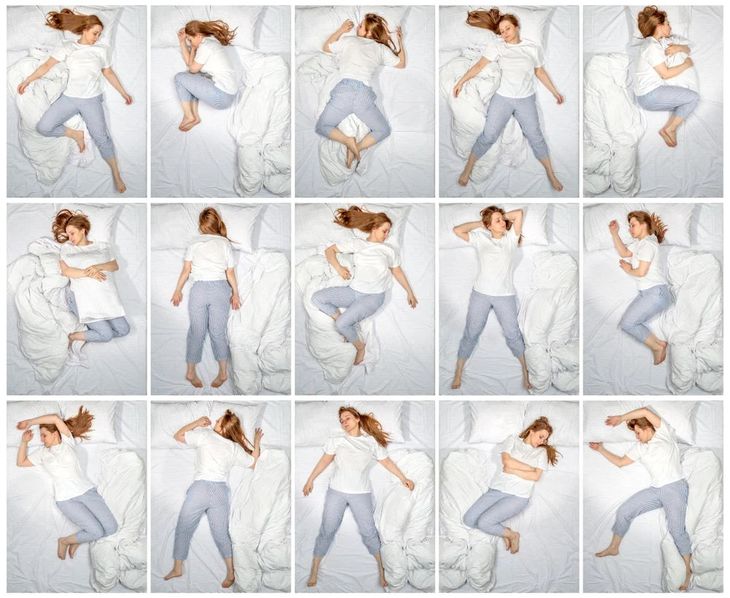
Imagine waking up at 3 AM with a sandpapery feeling behind your eyelids, your throat parched, and your mind immediately starting to race. You look at the clock, feeling a deep wave of frustration. You went to bed early, avoided screens in the evening, and did everything “right.” Yet, you are trapped in a cycle of non-restorative sleep, feeling completely drained before your feet even touch the floor. Many people do not realize that sleeping with eyes open can trigger chronic low-grade inflammation in the eyes, which continuously stimulates the nervous system throughout the night.
This is the emotional and physical reality for many individuals dealing with the silent impact of sleeping with eyes open. When your eyes remain partially open, light leaks in and dries out your ocular tissue, triggering micro-arousals. These micro-arousals pull you out of deep and REM sleep stages without you ever consciously realizing it. The result? You spend eight hours in bed but wake up with persistent brain fog, a heavy head, and a growing dependency on bad habits like extra cups of coffee to survive the afternoon slump.
Our bodies rely on deep sleep for physical repair and REM sleep for cognitive processing and emotional regulation. When sleeping with eyes open interrupts these critical stages, your autonomic nervous system remains in a heightened state of alert (sympathetic dominance). Instead of shifting into the restorative “rest and digest” parasympathetic state, your body struggles to recover, leaving you susceptible to high stress and chronic exhaustion during the day.
By tracking your biometrics with a dedicated sleep tool, you can bring these invisible nighttime disruptions to light. A reliable device like the Herz P1 wearable ring measures your Heart Rate Variability (HRV) during the night. HRV is a direct window into your autonomic nervous system. A low HRV indicates that your body is under stress—often caused by environmental discomforts like light exposure or dry eyes. Understanding your unique HRV trends empowers you to make targeted lifestyle shifts to protect your eyes and restore your energy.
- HRV Tracking: Measures the variance between heartbeats to assess your nervous system’s stress and recovery levels.
- Sleep Stage Architecture: Tracks the exact duration of your REM, Deep, and Light sleep to pinpoint where disruptions occur.
- Daily Recovery Score: Provides a single, simple number showing how ready your body is for the day, removing the confusion of complex scientific charts.
Clinical studies on sleeping with eyes open show a strong link between dry eyes and midnight awakenings. When your eye drys out, the brain interprets this discomfort as a threat signal, raising your heart rate and dropping your HRV. If a family member noticed you sleeping with eyes open, it is important to track your recovery trends to understand the physical toll this is taking on your body.
Reclaiming Your Recovery: Practical Steps and Screen-Free Tracking

To break free from the cycle of dry eyes, nighttime awakenings, and daytime fatigue, you need an actionable strategy that addresses both your environment and your sleep habits. Overcoming the challenges of sleeping with eyes open requires persistent tracking and consistent wellness habits.
First, focus on your immediate sleeping environment. Since open eyes when sleeping allows dry air to deplete your eyes’ natural moisture, installing a high-quality cool-mist humidifier next to your bed can make a massive difference. Additionally, wearing a contoured sleep mask that doesn’t press directly against your eyelids can create a micro-environment of moisture and completely block out light leaks. Those who experience sleeping with eyes open often find that standard sleep masks don’t provide enough seal, so looking for masks specifically designed for dry eyes can be helpful.
Second, re-evaluate your evening routine. We often talk about sleep hygiene, but avoiding blue light from screens in the hours leading up to bedtime is especially critical for individuals who struggle with sleeping with eyes open. Blue light suppresses melatonin, making it harder for your body to relax into the deep muscle states required for full eyelid closure. Transitioning to a screen-free evening routine can help prepare your muscles and nervous system for deep, undisturbed sleep.
However, the biggest hurdle for most wellness enthusiasts is finding a way to monitor their sleep without adding more screen-time or bulky hardware to their life. Traditional smartwatches are heavy, distract you with notifications, require daily charging, and shine bright screens in your face if you move at night. This is precisely why the Herz P1 titanium ring is such a breakthrough.
Fashioned from ultra-lightweight, medical-grade titanium, it sits elegantly on your finger, completely unnoticeable as you drift off. It doesn’t have a screen to wake you up with unexpected glows, and its battery lasts for days, eliminating daily charging anxiety. By translating complex, clinical-grade biometric algorithms into a straightforward daily Sleep Score and Recovery Score, the subscription-free Herz P1 helps you identify exactly which habits are working.
When you make adjustments—like using a humidifier or applying nighttime eye drops—you can check your Herz P1 biometric trends the next morning to see if your deep sleep duration and HRV have improved. It turns guesswork into clear, empowering, science-backed steps toward vibrant, daytime energy. No matter how long you’ve been sleeping with eyes open, today is the perfect day to begin optimizing your rest and reclaiming your focus.
Step into a New Era of Screen-Free Sleep Tracking
Ditch the bulky watches and hidden subscription fees. Embrace an elegant, screen-free titanium smart ring designed to monitor your sleep stages and recovery with clinical precision.
By addressing the root causes of sleeping with eyes open and tracking how your body responds to environmental changes, you can transform your morning energy and overall physical resilience. We at Mind Body Dan are dedicated to helping you simplify these complex sleep metrics so you can take back control of your health, one restful night at a time.
