

Can Blind People Dream? The Science of Sleep and Sensory Adaptation
Do we dream in sights, sounds, or feelings? If you have ever wondered, can blind people dream, the answer reveals how the brain builds sleep. Understanding these sensory pathways is key to optimizing your own restorative sleep, which starts with monitoring overnight biometric patterns via the screen-free Herz P1 Smart Ring.
Take Back Your Sleep.
Take Back Your Life.
- Fall asleep faster & sleep deeper
- Stop waking up in the middle of the night
- Wake up refreshed & full of energy
Article Key Highlights:
- Sensation Adaptation: Blind individuals dream vividly, using sound, touch, smell, and taste instead of traditional sight.
- Onset Differences: Those born blind experience non-visual dreams, while those who lose sight later in life may retain visual memories in their sleep.
- The REM Cycle Connection: Rapid Eye Movement (REM) occurs in all individuals, driving emotional processing and creative problem-solving regardless of visual input.
- The Recovery Connection: Deep, restorative sleep requires tracking metrics like Sleep Stages and Heart Rate Variability (HRV) to conquer modern brain fog and fatigue.
The Science of Sightless Dreams: Can Blind People Dream?

Quick Answer: Yes, blind people dream vividly. The short answer is that dreaming is a cognitive process generated deep within the brain’s neural networks, not merely an extension of our eyes. However, to choose the right tracking methods and support your sleep architecture, you must understand how different sensory inputs shape sleep cycles.
When we look at how the brain constructs sleep, we see that do blind people dream is a question that opens up a fascinating window into neuroplasticity. The human brain is incredibly adaptive. It utilizes whatever inputs are available to construct a mental model of the world during both waking hours and the sleep cycle. If you have sight, your brain naturally defaults to visual imagery. But for a non-sighted individual, the dreaming mind constructs highly complex narratives using a rich palette of alternative senses.
To understand how this works, we must distinguish between two main experiences of blindness:
- Congenital Blindness (Blind from birth): Individuals who have never had visual input do not see visual imagery in their dreams. To answer does a blind person see in their dreams, the answer for this group is a clear no. Instead, they experience dreams rich in auditory landscapes, tactile textures, temperature changes, and even taste and smell.
- Adventitious Blindness (Late-onset blindness): Those who lose their sight later in life often retain the ability to experience visual dreams. For them, can blind people see in their dreams is often a yes. Over time, however, these visual components may fade or become less vivid, gradually giving way to more tactile and auditory dream experiences as the brain adapts to its waking reality.
When to Focus on Sleep Stage Metrics:
If you are experiencing non-restorative sleep, waking up at 3 AM with a racing mind, or feeling plagued by morning brain fog, it is time to look at your biometric patterns. Sighted or not, tracking your overnight REM, Deep, and Light sleep stages provides objective data to help you optimize your recovery, rather than relying on guesswork.
A Screen-Free Solution to Modern Sleep Struggles
Many people who struggle with modern sleep issues turn to heavy, bright smartwatches to track their sleep. However, staring at a glowing screen right before bed or during a midnight awakening can disrupt your circadian rhythm. That is why our team at Mind Body Dan recommends a lightweight, screen-free alternative like the Herz P1 Smart Ring.
Constructed from durable titanium, this sleek ring monitors your physiological signals directly from your finger, where blood vessels are closer to the skin, providing medical-grade biometric accuracy. It translates complex physiological algorithms into simple, actionable daily sleep and recovery metrics without the nuisance of a monthly subscription or the distraction of a glowing screen.
— Team Mind Body Dan
Frequently Asked Questions About Sightless Dreams
Do blind people have nightmares?
Yes. In fact, studies show that congenitally blind individuals may experience nightmares more frequently than sighted individuals. These nightmares often revolve around themes of travel, navigation, getting lost, or being bumped into, reflecting the real-world stressors they navigate daily.
Can a blind person experience rapid eye movements during REM sleep?
Yes, eye movements still occur during REM sleep in blind individuals, though they may be less frequent or less coordinated than in sighted individuals, especially in those born blind.
What senses are most prominent in the dreams of non-sighted people?
Sound and touch are the most prominent sensory inputs in their dreams. Taste, smell, and temperature sensations also play a much larger role compared to the dreams of sighted individuals.
Inside the Sleeping Brain: REM Sleep and Sensory Substitution

To fully appreciate how do blind people have dreams, we must look at the neural pathways of sleep. When you sleep, your brain cycles through three primary stages: Light Sleep, Deep Sleep, and Rapid Eye Movement (REM) sleep. REM sleep is where the vast majority of our vivid dreaming occurs. During this phase, the brain’s visual cortex is highly active in sighted individuals, receiving signals from the pons rather than from the eyes themselves.
In a non-sighted individual, the brain displays incredible plasticity. The areas of the brain that would normally process visual signals are repurposed. Under the neuroscience of dreaming without sight, we find that the visual cortex adapts to process auditory and tactile information instead. This means that when a blind person enters REM sleep, their repurposed visual cortex fires in response to auditory and tactile dream content, treating those inputs as the primary building blocks of their sleeping reality.
Consider the concept of sensory dream mapping. Just as sighted individuals map space visually in their dreams, a blind person maps space using sound cues and physical boundaries. This spatial mapping is processed in the same parietal and frontal lobes that sighted individuals use to orient themselves. In essence, the cognitive framework of dreaming remains identical across all humans; only the sensory vocabulary differs.
This scientific insight highlights how blind individuals experience REM sleep as an active, highly structured cognitive state. Whether your dreams are filled with striking visuals or immersive soundscapes, your brain requires the same quality of sleep cycles to function properly during waking hours. When REM sleep is cut short, your emotional resilience, memory retention, and cognitive speed pay the price.
The Heavy Toll of Modern Sleep Friction
Do you wake up feeling as though you haven’t slept a wink? Bulky smartwatches, blinking charging stands, and nagging push notifications can make sleep optimization feel like a chore. The Herz P1 Smart Ring removes the friction with a subscription-free, screen-free titanium design that naturally blends into your daily life.
Why Sleep Metrics Matter: Navigating Daily Recovery
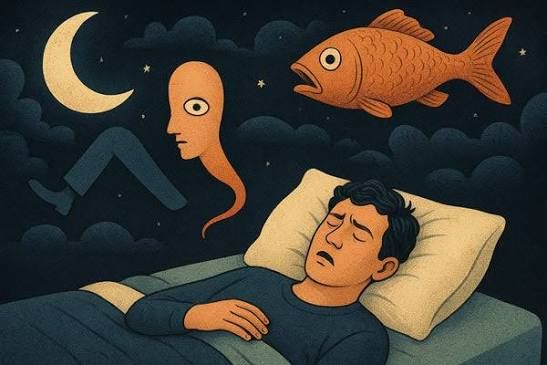
Understanding sleep biology is a powerful step, but translating that science into daily action is where real change happens. Sighted or non-sighted, we all face nights of restless sleep, tossing and turning while the mind races. You might wake up with morning brain fog, wondering why you feel physically exhausted despite spending eight hours in bed.
Often, the culprit lies in poor sleep stage distribution or a drop in your Heart Rate Variability (HRV). HRV is a key marker of autonomic nervous system health. When you are stressed, overtrained, or chronically fatigued, your HRV drops, and your brain struggles to enter restorative Deep and REM sleep stages. Conversely, a high HRV indicates that your body is in a state of balance, primed for deep cellular repair and vibrant daily recovery.
Rather than relying on vague feelings, tracking your sleep architecture with precise, low-profile technology can pinpoint exactly where your sleep is falling short. By focusing on simple, objective biometrics, you can make informed lifestyle adjustments without getting lost in complicated, hard-to-read health data.
The Herz P1 Smart Ring provides an elegant solution. Without any hidden subscription fees, this lightweight ring offers:
- Precise Sleep Stage Monitoring: Learn exactly how much time you spend in Deep, REM, and Light sleep stages to find out why you wake up feeling unrested.
- Overnight HRV Tracking: Monitor your Heart Rate Variability to understand how your nervous system responds to stress, workouts, and alcohol.
- Actionable Daily Recovery Scores: Wake up to a simple, intuitive score that tells you how ready your body is to face the day’s challenges.
- Elegant Screen-Free Design: No bright screens, no daily charging hassles, and no bulk—just seamless, continuous tracking designed for long-term comfort.
Whether your dreams are structured by visual wonders or intricate auditory mapping, the ultimate goal of sleep remains the same: complete, restorative recovery. Take control of your overnight health and master your sleep journey with a tool designed to bring clarity, simplicity, and lasting wellness back to your nights.
Disclaimer: Results may vary depending on individual physical activity levels, unique health conditions, and daily tracking patterns. The content on Mind Body Dan is for informational purposes only and does not substitute for professional medical advice, diagnosis, or treatment.
