

Is Sleeping Sitting Up Safe? Benefits, Risks, and Comfortable Positions Explained
Whether you’re battling persistent acid reflux or recovering from surgery, you might find yourself sleeping sitting up. While this posture can offer temporary relief, it also carries physiological trade-offs. To truly understand how vertical sleeping impacts your heart rate variability (HRV) and deep sleep, tracking with a screen-free tool like the Herz P1 Smart Ring is essential.
Take Back Your Sleep.
Take Back Your Life.
- Fall asleep faster & sleep deeper
- Stop waking up in the middle of the night
- Wake up refreshed & full of energy
Key Article Highlights
- Reflux & Congestion Relief: Gravity helps prevent stomach acid from rising and drains nasal passages naturally.
- Potential Risks: Long-term vertical sleeping may strain the spine and limit deep REM sleep cycles.
- Comfort is Key: Utilizing a 45-degree wedge pillow is far superior to sitting completely upright at 90 degrees.
- How to Monitor Recovery: Tracking physiological markers like HRV can show if this posture is harming your rest.
Is Sleeping Sitting Up Safe? Benefits, Risks, and Comfort Analyzed
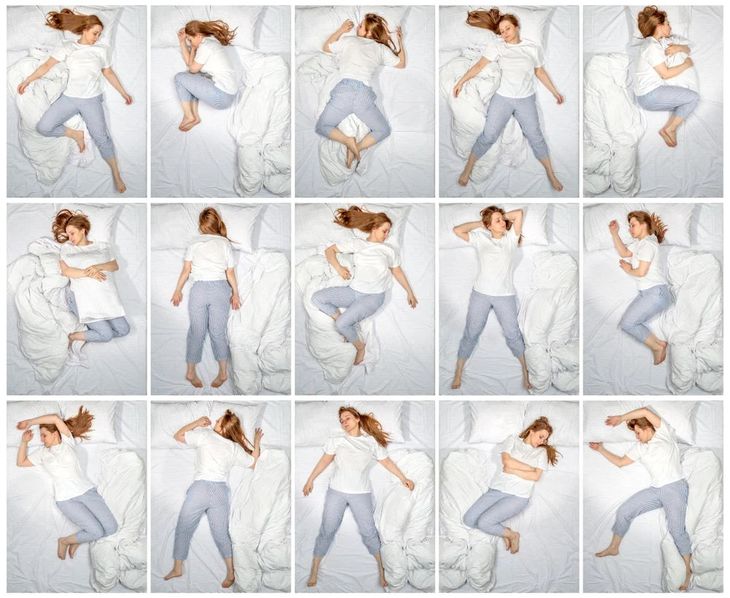
Yes, it depends on your immediate medical or comfort needs. The short answer is that sleeping sitting up can be highly beneficial for acute issues like acid reflux, obstructive sleep apnea, or post-surgical recovery. However, to choose the right positioning and tracking tools, you must understand the mechanical impact this upright posture has on your cardiovascular strain and sleep architecture.
Many of us have experienced the frustration of a racing mind at 3 AM. You lie flat on your back, staring at the ceiling, feeling your throat burn with stomach acid, or struggling to draw a clear breath through nasal congestion. This leads to non-restorative sleep, brain fog, and a persistent cycle of exhaustion that makes you feel dependent on bad habits just to get through the day. In desperation, you may prop up pillows and spend the night sleeping sitting up. But is this position safe for daily use?
When you adopt a posture of vertical sleeping benefits, you alter how gravity interacts with your airway, digestive system, and spine. For individuals with gastroesophageal reflux disease (GERD), gravity acts as a natural barrier, keeping stomach acids safely below the esophagus. Similarly, for those with obstructive sleep apnea, sitting upright prevents the tongue and soft tissues of the palate from collapsing backward into the airway, reducing snoring and dangerous hypopnea episodes.
However, the human body did not evolve to achieve deep, restorative sleep in an upright posture. During Rapid Eye Movement (REM) sleep, your brain triggers muscle atonia—a temporary state of paralysis designed to prevent you from acting out your dreams. If you are sleeping sitting up without correct physical support, your head will naturally flop forward or to the side, and your torso will slump. This sudden loss of posture causes micro-arousals, which yank you out of deep sleep stages and leave you feeling utterly depleted the next morning.
When to Use vs. Avoid Vertical Sleeping
Best For:
- Severe, painful acid reflux or GERD flare-ups.
- Acute congestion, sinus infections, or head colds.
- Post-operative healing (such as shoulder, neck, or sinus surgeries).
- Third-trimester pregnancy discomfort.
Avoid or Limit If You Have:
- A history of deep vein thrombosis (DVT) or poor lower-limb circulation.
- Chronic lower back pain or herniated spinal discs.
- No physical supportive wedge pillows to maintain alignment.
If you must sleep in an elevated position, relying on basic step-trackers or clunky smartwatches can be incredibly frustrating. Traditional watches are often too bulky to sleep in comfortably, flash bright screen notifications that wake you up, and require daily charging—meaning they usually die right when you need sleep data most. What you need is an objective, elegant solution that translates complex biometrics into simple insights.
Our team at Mind Body Dan recommends adopting a screen-free approach to sleep tracking. The Herz P1 Smart Ring is a premium, titanium-forged wearable designed to solve these exact operational issues. Built completely subscription-free, this ultra-lightweight ring sits comfortably on your finger, tracking deep sleep stages, REM sleep, and Heart Rate Variability (HRV) without any screen distraction. It lets you monitor exactly how your body responds to sleeping upright, so you can make informed, healthy adjustments.
Frequently Asked Questions About Sleeping Sitting Up
Is it bad to sleep sitting up every night?
Yes, for the long term. While temporary vertical sleeping can relieve breathing or digestive issues, doing it permanently can lead to joint stiffness, spinal misalignment, and chronically fragmented sleep stages due to the lack of complete muscular relaxation.
Can sleeping sitting up cause blood clots?
Yes, if you remain completely motionless in a 90-degree upright position for extended periods. Gravity causes blood to pool in your lower extremities, increasing the risk of deep vein thrombosis (DVT). This is why a 45-degree angle with bent knees is much safer.
Does sleeping upright decrease sleep quality?
Generally, yes. Because your core muscles must remain slightly active to keep you upright, your body struggles to descend into the deepest phases of non-REM and REM sleep. Using a biometric tracker can show you if your resting recovery score drops when you sleep in this posture.
The Biomechanics of Sitting Upright and Vertical Sleeping

When you shift from a flat, horizontal position to sitting upright, a series of profound cardiovascular and orthopedic changes occur. Understanding the biomechanical forces at play will help you mitigate the risks of vertical sleeping while reaping its posture benefits.
The first factor is hydrostatic pressure. When lying flat, your heart works on a level plane to circulate blood throughout your body. However, when sleeping upright, gravity pulls blood downward into your thighs, calves, and feet. This is known as venous pooling. Because your veins must work significantly harder to pump blood back up to your heart, your resting heart rate may rise, and your Heart Rate Variability (HRV) might decrease.
From a neurological perspective, HRV is a key indicator of autonomic nervous system balance. A high HRV indicates a rested, parasympathetic-dominant (“rest-and-digest”) state. Conversely, a suppressed HRV suggests your sympathetic nervous system (“fight-or-flight”) is working overtime to maintain blood pressure and vertical posture. If you sleep in an unsupportive chair, your heart is placed under constant mild physical stress, preventing you from ever fully entering restorative deep sleep stages.
— Team Mind Body Dan
The second major mechanical issue concerns the human spine. Your spine features natural curves designed to distribute physical load evenly. When you spend hours sleeping sitting up, your lower lumbar spine loses its supportive arch and flattens out. Without proper support, your pelvis tilts backward, placing extreme stress on the intervertebral discs. This can lead to chronic lower back pain, pinched nerves, and neck strain by morning.
To safely manage these physical demands, you need real-time, objective data. Many smartwatches fail here because their heavy, screen-centric designs actively disrupt sleep hygiene. The Herz P1 Smart Ring offers a beautiful, titanium-crafted alternative. Lacking screens and annoying alarms, it operates quietly in the background, utilizing advanced biometric algorithms to output an intuitive daily Recovery Score. It monitors your heart rate, oxygen levels, and HRV trends to show you exactly how well your body is coping with vertical sleeping.
How to Protect Your Cardiovascular Health When Sleeping Upright
If you have to sleep in a semi-upright position, there are specific steps you can take to lower cardiovascular stress and reduce the physical vertical sleeping risks:
- Limit the Incline: Avoid sitting at a harsh 90-degree angle. Instead, aim for a gradual 45-to-60-degree slope. This dramatically reduces pressure on your spine and lessens venous blood pooling in your legs.
- Keep Legs Elevated: Use a wedge pillow or a bolster under your knees. Elevating your knees slightly shortens the hamstring muscles, takes pressure off your lower back, and helps venous blood return to your heart.
- Avoid Tight Clothing: Constrictive waistbands or socks can restrict blood circulation when you are resting while sitting upright, increasing the risk of swelling or discomfort.
By making these adjustments and tracking your metrics, you can confidently determine whether your body is properly recovering or working too hard throughout the night.
Practical Guide: How to Achieve a Comfortable Sleeping Upright Position Safely

If your health needs require you to sleep in an elevated posture, setting up your bed properly is critical. Simply leaning back against a pile of soft bed pillows will cause you to slump, strain your lower back, and wake up with a stiff neck. Follow this step-by-step physical guide to achieve the best positions for sleeping upright safely and comfortably.
Step 1: Invest in a High-Density Wedge Pillow
Do not try to build a makeshift slope out of standard sleeping pillows; they will slide and flatten overnight. Instead, use a firm, high-density foam wedge pillow. This provides a consistent 45-degree angle, supporting your entire upper body from your lower hips up to your neck, preventing the dangerous mid-back slouch.
Step 2: Maintain Lumbar Support
When you are sleeping upright, your lower back naturally tries to flatten against the wedge. To maintain your spine’s natural curve, place a small, rolled-up hand towel or a dedicated lumbar roll pillow behind the small of your lower back.
Step 3: Align the Neck and Head
Your head should never slump forward, as this compresses your windpipe and worsens breathing issues. Use a contoured memory foam pillow or a U-shaped travel neck pillow. This cradles your skull and keeps your cervical spine perfectly aligned, even if your muscles relax completely during sleep.
Step 4: Prop Up Your Arms
Place two standard bed pillows under each elbow. This supports the weight of your shoulders, preventing them from pulling down on your neck and upper spine throughout the night. It also physically locks your body in place, preventing you from rolling over onto your side.
Simplify Your Sleep Journey
Instead of trying to interpret overwhelming charts on a glowing, distracting watch, choose a simple, screen-free method to track your sleep trends. Learn how the Herz P1 Smart Ring turns medical-grade biometric data into a clear daily Recovery Score.
Once you have configured the perfect posture, you must evaluate if your body is genuinely resting. Many people assume they are sleeping well simply because they managed to stay in bed for eight hours. However, micro-arousals—brief, sub-conscious awakenings caused by minor airway obstructions or physical discomfort—can occur dozens of times an hour, destroying your deep sleep stages without your conscious knowledge.
This is where objective health data becomes invaluable. By monitoring trends over time with the Herz P1 Smart Ring, you can see the direct impact of your sleep setup. If your deep sleep and REM sleep ratios improve after adding knee and lower back support, you have objective proof that your physical setup is working. Lighter, more comfortable, and entirely subscription-free, this ring offers a practical, elegant path to reclaiming your physical energy and mental clarity.
Whether you need to try how to sleep sitting up safely for a few nights or a few weeks, prioritize spinal alignment, support your cardiovascular system, and monitor your recovery metrics closely. Your body will thank you.
Disclaimer: Results may vary depending on individual physical activity levels, unique health conditions, and daily tracking patterns. The content and products discussed in this article are intended strictly for tracking, monitoring, and educational purposes to support overall well-being. They do not provide medical advice and are not intended to replace professional medical assessment. Always consult a healthcare professional regarding any serious sleep disorders or chronic health issues.
