

What Is a Normal Sleeping Heart Rate and What Causes Sudden Spikes?
Why do you wake up at 3 AM with a racing mind and a pounding chest? Tracking your cardiovascular biometrics during rest is key to reclaiming your energy. We look at the science behind your heart’s nocturnal rhythms and how a screen-free tool like the Herz P1 Smart Ring helps you monitor these shifts seamlessly.
Take Back Your Sleep.
Take Back Your Life.
- Fall asleep faster & sleep deeper
- Stop waking up in the middle of the night
- Wake up refreshed & full of energy
- The Baseline: A healthy adult’s normal sleeping heart rate ranges between 40 to 100 bpm, typically settling between 50 to 70 bpm during deep, restorative rest.
- The Physiology: Your pulse fluctuates through NREM (parasympathetic dominance) and REM (sympathetic surges) sleep cycles, reflecting your body’s true recovery state.
- The Triggers: Late meals, alcohol, elevated daily cortisol, and micro-arousals are primary culprits behind disruptive midnight heart rate spikes.
- The Metric to Watch: Heart Rate Variability (HRV) serves as an essential biometric window into your nervous system’s capacity to handle stress.
- The Frictionless Solution: Tracking these trends with a lightweight, screen-free wearable like the Herz P1 Smart Ring eliminates smartwatch distractions.
Understanding Your Sleeping Heart Rate: What Is Normal?
Quick Answer
Yes, your nocturnal pulse changes dramatically throughout the night, but what constitutes a healthy baseline depends on several individual factors. The short answer is that a normal sleeping heart rate is between 40 to 100 beats per minute, but most healthy adults sit between 50 and 70 bpm. However, to choose the right lifestyle adjustments, you need to understand how daily stress, physiological recovery, and cardiovascular trends influence this baseline over time.
The Physiology of Heart Rate Variations During Sleep
Our bodies are governed by the autonomic nervous system (ANS), which continuously balances the sympathetic “fight-or-flight” and the parasympathetic “rest-and-digest” pathways. During waking hours, your brain coordinates reactions to work pressure, physical demands, and environment-induced anxieties, keeping your resting heart rate elevated. When you drift off, your brain pivots, handing the controls over to your parasympathetic system.
As you transition into Non-Rapid Eye Movement (NREM) sleep—consisting of light and slow-wave deep sleep—your core body temperature drops, your blood vessels dilate, and your heart rate while sleeping experiences a physiological dip. During healthy sleep, your pulse should dip by 10% to 20% compared to your daytime resting baseline. This “dipping” phenomenon allows your cardiovascular tissues to repair, resting the heart muscle after hours of active pumping.
— Team Mind Body Dan Biometric Science Review
However, during Rapid Eye Movement (REM) sleep, this steady state shifts. Because REM is the stage where dreams are highly vivid, your brain activity rises to waking levels. Your sympathetic nervous system sporadically surges, which can cause sudden fluctuations in your resting heart rate while sleeping. If you are experiencing a particularly emotional dream, your heart rate can spike momentarily to levels comparable to light walking before settling back down as you shift back into light NREM sleep.
When to Track and Adjust Your Lifestyle Based on Nighttime Biometrics
Self-identifying your physiological patterns helps you contextualize these numbers without unnecessary anxiety:
- The Athletic Profile (Low Heart Rate): If you are a dedicated runner, cyclist, or fitness enthusiast, you might discover your resting pulse dropping to 38–48 bpm during deep sleep. This is generally a normal adaptive trait known as athletic bradycardia, indicating a highly efficient heart muscle and excellent vagal tone. However, if this is accompanied by chronic daytime brain fog, severe exhaustion, or dizziness upon standing, it may suggest overtraining or an underlying issue rather than healthy conditioning.
- The Stressed Professional (High Heart Rate): If your nocturnal pulse consistently hovers near the upper limits of the 70–85 bpm range, your body is likely struggling to transition into a parasympathetic state. This tells us your nervous system is carrying daytime stress into your bed, preventing deeper recovery cycles and leaving you feeling unrefreshed.
Suggested Recovery Solutions
To support your body’s natural nocturnal dip, establishing simple sleep hygiene routines can yield notable benefits. Lowering your bedroom temperature to 65–68°F (18–20°C) signals your brain that it is time to sleep. Restricting high-intensity screen exposure two hours before bedtime reduces blue-light stimulation, allowing melatonin levels to rise naturally. Additionally, finishing your last heavy meal at least three hours before lying down keeps your digestion from competing with cardiovascular recovery.
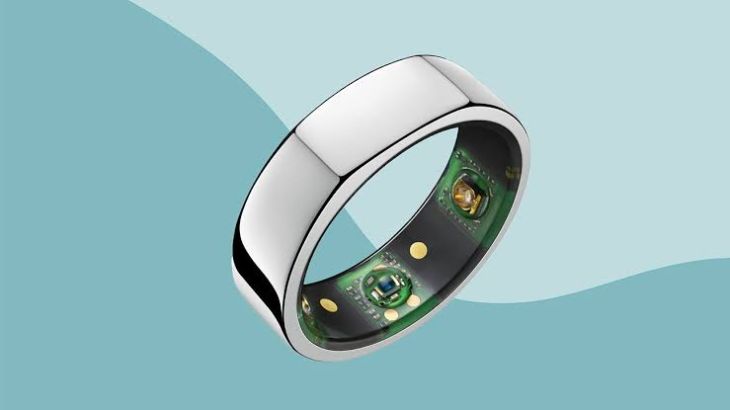
To monitor these adjustments effectively without the distraction of a glowing screen, we recommend tracking with the Herz P1 Smart Ring. Crafted from lightweight, medical-grade titanium, it sits comfortably on your finger, eliminating the bulk of traditional wrist-worn trackers. Its advanced optical sensors monitor your Sleep Stages (REM, Deep, Light), Heart Rate Variability (HRV), and overnight pulse, compiling this complex data into a clear, straightforward Daily Recovery Score. This subscription-free tracker lets you access your health data without any ongoing monthly fees, making it an excellent long-term wellness tool.
Many smartwatches are bulky, require daily charging, and emit disruptive blue light alerts when you turn over in bed. The Herz P1 is a screen-free, whisper-light titanium band that records your sleep metrics silently. With its multi-day battery life and subscription-free model, you can monitor your sleep, activity, and recovery patterns seamlessly with no hidden costs.
Section FAQ
1. Why is my heart rate lower during sleep compared to the daytime?
During sleep, physical demands drop and your parasympathetic nervous system takes over, causing your blood vessels to relax and your heart rate to slow. This natural dip gives your cardiovascular system a chance to rest and recover.
2. Is a sleeping heart rate of 45 normal?
Yes, particularly for highly active individuals or endurance athletes. It indicates high cardiovascular efficiency and strong vagal tone. However, if you feel consistently fatigued, dizzy, or weak during the day, it’s wise to consult a health professional.
3. Can anxiety cause a high average sleeping heart rate?
Absolutely. Elevated daily stress keeps cortisol and adrenaline levels high, preventing your body from transitioning into a calm, parasympathetic state. This can keep your resting pulse elevated even while you are asleep.
4. How does the Herz P1 track heart rate during sleep without disrupting rest?
The Herz P1 uses small photoplethysmography (PPG) sensors on the inside of a sleek titanium band. Because it has no screen to light up and no vibrating alarms, it tracks your heart rate and sleep stages without waking you up.
What Causes Sudden Spikes in Heart Rate While Sleeping?
Many of us are familiar with the exhausting cycle of waking up at 3 AM with a racing mind, a pounding chest, and a sense of alertness. This non-restorative sleep can leave you dealing with heavy brain fog the next morning, making you feel dependent on caffeine and other quick-fix habits just to get through the day.
But what physically causes these sudden increases in your heart rate during sleep? Let’s explore the primary physiological triggers behind these nighttime spikes:
1. The Rebound Effect of Alcohol
While a glass of wine before bed might make you feel drowsy, alcohol is actually a major cardiovascular disruptor. As your liver processes the alcohol, it triggers a sympathetic rebound in the second half of the night. This metabolic shift increases your average sleeping heart rate and suppresses deep, restorative sleep. Instead of experiencing a healthy dipping pattern, your heart rate remains elevated, leaving you feeling tired and unrefreshed when your alarm goes off.
2. Late-Night Meals and Heavy Digestion
Eating a large, rich, or spicy meal right before bed forces your body to divert blood flow to your digestive tract. This increased digestive effort raises your metabolic rate and core temperature. Because your body is working hard to process the food, your heart has to pump faster and harder, preventing your pulse from dropping into its natural, resting nighttime baseline.
3. Chronic Stress and Elevated Cortisol
When you carry daytime stress and worries to bed, your cortisol and adrenaline levels remain elevated. This keeps your autonomic nervous system locked in a mild “fight-or-flight” state instead of transitioning smoothly into recovery. This state of high alert often leads to micro-arousals—brief, unnoticed awakenings where your sleeping heart rate spikes suddenly as your body reacts to perceived stress.
4. Sleep Apnea and Breathing Obstructions
Obstructive sleep apnea causes temporary pauses in your breathing during sleep, which leads to sudden drops in blood oxygen levels. Sensing a drop in oxygen, your brain triggers a survival response, releasing adrenaline to wake you up just enough to clear your airway. This survival mechanism causes sharp, rapid spikes in your heart rate and blood pressure multiple times throughout the night, deeply disrupting your sleep architecture.
5. Intense REM Dreams and Nightmares
During REM sleep, your brain is highly active, and intense dreams can evoke real physical and emotional reactions. If you experience a vivid nightmare or a high-stress dream, your body can react as if the event is actually happening, triggering an immediate spike in your heart rate and breathing.
Notice a Pattern of Midnight Spikes?
Spikes in your heart rate during the night are often your body’s way of sending you a message. By tracking these trends over time, you can pinpoint exactly how factors like stress, late meals, or alcohol affect your cardiovascular system, allowing you to make simple, informed adjustments.
How to Track and Optimize Your Nighttime Recovery Unobtrusively
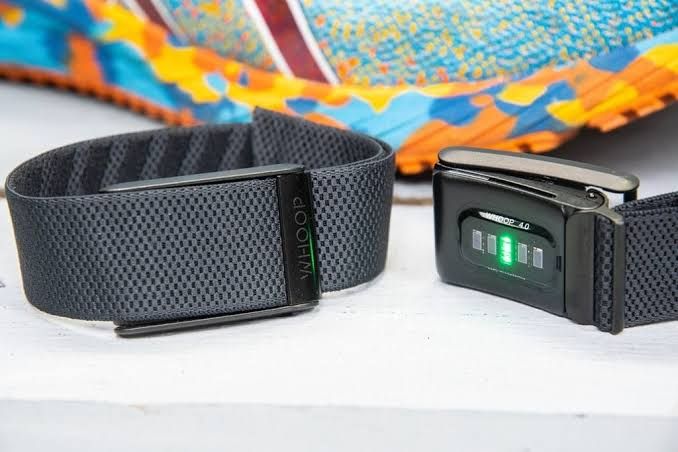
Understanding your heart rate is much easier when your tracking device doesn’t actively interfere with your sleep. Many wellness-conscious individuals experience a frustrating paradox: they wear bulky, bright smartwatches to monitor their sleep, but those same devices can end up waking them up with screen glare or vibrating notifications, disrupting the rest they are trying to measure.
This is why smart rings have become such a popular option for sleep science and daily recovery. The Herz P1 Smart Ring offers a lightweight, screen-free way to monitor your physical trends. Made from durable titanium, it fits comfortably on your finger and monitors your resting heart rate while sleeping with clinical-grade accuracy.
The Value of Tracking Heart Rate Variability (HRV)
One of the most useful biometrics monitored by the Herz P1 is Heart Rate Variability (HRV). HRV measures the tiny, millisecond fluctuations in time between each of your heartbeats. Rather than beating at a perfectly steady rhythm, a healthy heart constantly adjusts its timing in response to its environment.
- A High HRV: Indicates a flexible, resilient autonomic nervous system. It shows that your parasympathetic branch is actively helping you recover, meaning your body is well-rested and ready for physical or mental challenges.
- A Low HRV: Suggests your nervous system is carrying stress or fatigue, and your sympathetic “fight-or-flight” system is dominating. This is a clear indicator that your body needs restorative rest, lighter workouts, and better stress management to balance your heart rate during sleep.
The Herz P1 simplifies these complex readings into an intuitive, daily Recovery Score. By analyzing your overnight heart rate, sleep stages, and HRV trends, it gives you a clear picture of how rested you actually are. This allows you to plan your day based on real, personal metrics—all without any hidden monthly subscription fees.
Disclaimer: Results may vary depending on individual physical activity levels, unique health conditions, and daily tracking patterns. The metrics provided by wearable devices are intended for personal tracking, wellness monitoring, and general informational purposes only. They are not intended to diagnose, treat, prevent, or substitute for professional medical advice. Always consult a qualified healthcare professional with any questions regarding cardiovascular health or sleep-related symptoms.
