

What Is a Sleep Paralysis Demon and How to Stop It?
Waking up frozen at 3 AM with a crushing chest sensation can feel terrifyingly supernatural. Scientifically, this “sleep paralysis demon” is a waking REM hallucination. By tracking sleep cycles and heart rate variability with tools like the Herz P1 Smart Ring, you can optimize recovery and eliminate these episodes permanently.
Take Back Your Sleep.
Take Back Your Life.
- Fall asleep faster & sleep deeper
- Stop waking up in the middle of the night
- Wake up refreshed & full of energy
Key Highlights Inside:
- The Scientific Reality: Why the brain produces a terrifying sleep paralysis demon when sleep stages overlap.
- The Role of Stress: How high cortisol and low Heart Rate Variability (HRV) trigger mid-sleep awakenings.
- Practical Mitigation: Actionable steps to manage sleep architecture and eliminate hypnagogic hallucinations.
- Screen-Free Tracking: How monitors and smartwatch screens can disrupt melatonin, and why screen-free wearables offer a better path.
Understanding the Sleep Paralysis Demon: Biological Reality vs. Myth
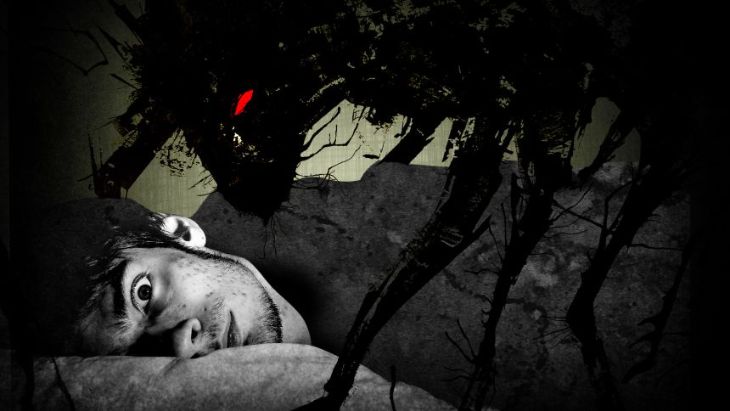
Yes, the sleep paralysis demon is a deeply terrifying but completely non-lethal neurological phenomenon. The short answer is that it represents an overlapping state where your mind wakes up while your body remains in REM sleep muscle paralysis. However, to choose the right wellness lifestyle and preventive tools, you need to understand how sleep architecture disruptions trigger these episodes in the first place.
For centuries, different cultures have struggled to explain why some people wake up entirely unable to move, often perceiving a dark, menacing entity hovering over them or sitting on their chest. In folklore, this entity has been called the “incubus,” the “Old Hag,” or simply the paralysis demon. But behind these myths lies a well-documented neurological hiccup that occurs at the boundary between waking life and dreaming.
During Rapid Eye Movement (REM) sleep—the stage where active dreaming occurs—your brain stem sends signals to relax your voluntary muscles to the point of temporary immobility. This biological safeguard, known as muscle atonia, keeps you from physically acting out your dreams and injuring yourself or your sleep partner. However, when you experience an abrupt awakening directly from a REM cycle, your conscious mind can boot up before this muscular lock is released. The result is that you are wide awake, unable to move a single finger, and highly vulnerable to projection. In this state, your brain’s fear center, the amygdala, goes into overdrive, translating your helplessness into the vivid, externalized hallucination of a sleep paralysis demon.
— Team Mind Body Dan
When to Focus on Lifestyle Tracking vs. Clinical Evaluation
Understanding when these episodes represent a temporary stress-related issue versus a chronic medical condition is crucial. For the vast majority of people, encountering a sleep paralysis demon is a sporadic event triggered by lifestyle factors like acute sleep deprivation, high stress, travel, or caffeine consumption close to bedtime. In these cases, optimization is the best course of action.
However, if these episodes occur multiple times a week, are accompanied by severe daytime sleepiness, or result in sudden muscle weakness during the day (cataplexy), it may point to a clinical condition like narcolepsy. For standard, lifestyle-induced episodes, tracking your sleep phases and monitoring your recovery is the most empowering way to regain control.
By using a dedicated wearable like the Herz P1 Smart Ring, you can monitor your sleep stages (including REM, Deep, and Light sleep), heart rate variability, and overall recovery trends. Since the ring operates without a screen, it protects your bedroom from disruptive blue light, helping you maintain healthy melatonin levels and avoid the REM disruptions that invite the paralysis demon into your nights.
Frequently Asked Questions About Sleep Paralysis
Is a sleep paralysis demon real?
Physically, no. It is a projection created by your brain’s hyper-vigilant amygdala attempting to explain why your body is paralyzed during an unexpected transition out of REM sleep.
What causes a sleep paralysis demon to appear?
The primary triggers are sleep fragmentation, severe fatigue, sleeping flat on your back, and high levels of stress, which disrupt your body’s natural sleep-wake transition.
Can tracking my sleep help prevent these episodes?
Yes. Monitoring your sleep stages and heart rate variability (HRV) with the Herz P1 Smart Ring allows you to identify when your body is chronically exhausted or stressed, giving you the insights needed to make lifestyle adjustments before an episode occurs.
What Does Sleep Paralysis Look Like and Why Does It Happen?
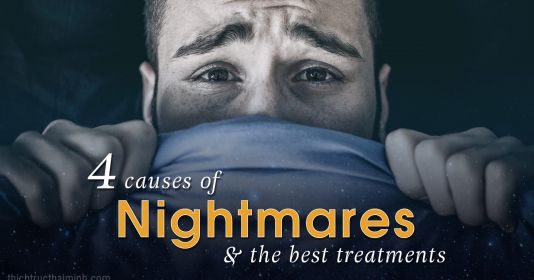
To those who have never experienced it, understanding what does sleep paralysis look like can be difficult. It is not merely a vivid dream; rather, it is a highly realistic, waking nightmare. When you are in the grips of sleep paralysis, your eyes may be open, and you can see your familiar bedroom ceiling, the shadows on the walls, and the ambient light. However, you cannot move your limbs, speak, or cry out. This produces a feeling of total vulnerability.
Because your breathing muscles are partially relaxed as they would be during normal REM sleep, taking a deep breath feels incredibly difficult. This physical sensation of resistance is often interpreted by your panicked brain as a physical weight, leading to the sensory projection of sleep paralysis and demons sitting directly on your chest, restricting your airway. The visual hallucinations are often dark shadow figures, distorted silhouettes, or glowing eyes standing in the corner of your room, slowly moving toward your bed.
Why Sleep Paralysis and Demons Occur Together:
During REM sleep, your brain’s threat-detection system (the amygdala) is highly active while your logical prefrontal cortex is offline. When you awaken unexpectedly, the brain immediately seeks an explanation for its lack of motor control. In a state of fear, it defaults to projecting an external threat—creating the legendary “demon” to explain why you cannot run or fight.
The primary reason these transitions fail is sleep fragmentation. If your sleep is interrupted during a REM cycle, your conscious awareness wakes up before your motor system can catch up. This is highly common when you are suffering from chronic sleep debt or severe physical fatigue. In fact, when you are sleep-deprived, your body experiences “REM rebound,” meaning it skips the lighter stages of sleep and plunges directly into deep REM sleep, which increases the likelihood of an overlapping state.
To prevent these terrifying situations, you need to monitor how your body is recovering each day. Using advanced tracking tools like the Herz P1 Smart Ring, you can observe how much time you spend in REM sleep compared to deep, restorative sleep. If your daily recovery score is low, or if your sleep latency is erratic, it serves as an early warning that your body is in a state of high fatigue, allowing you to prioritize early nights and structured wind-down routines before the sleep paralysis demons have an opportunity to manifest.
Moreover, stress levels directly affect your autonomic nervous system, which in turn influences how smoothly your brain transitions between sleep stages. When your sympathetic nervous system (“fight-or-flight”) is overstimulated, your Heart Rate Variability (HRV) drops. This indicates that your body is holding onto stress, making midnight awakenings far more frequent. Keeping an eye on these indicators with the Herz P1 Smart Ring provides you with actionable biometric feedback, allowing you to implement breathing exercises or meditation techniques when you notice your HRV dipping over consecutive days.
How to Stop the Sleep Paralysis Demon: Science-Backed Strategies

One of the first questions people ask when they begin experiencing these terrifying nights is: can sleep paralysis kill you? The reassuring answer is absolutely not. While the experience feels life-threatening, your cardiovascular system, lungs, and vital organs continue to function normally. You are not suffocating, and your heart is not in danger. The sensation of chest tightness is simply the natural shallow breathing pattern of REM sleep mixed with adrenaline-driven panic.
However, knowing you are safe doesn’t make the experience any less unpleasant. To stop the sleep paralysis demon from appearing, you must address the root causes of sleep fragmentation and irregular sleep architecture. This involves managing both your physical sleep environment and your physiological stress levels.
Managing Hypnagogic Hallucinations and Sleep Hygiene
Episodes can happen during two distinct phases: as you are falling asleep (known as hypnagogic hallucinations) or as you are waking up (hypnopompic hallucinations). Both are caused by the same core issue: an irregular transition between wakefulness and sleep. To keep your sleep cycles smooth and uninterrupted, implement the following habits:
- Avoid Sleeping on Your Back: Research shows that a vast majority of sleep paralysis episodes occur while sleeping in a supine position. Sleeping on your back can cause the airway to slightly collapse, causing micro-awakenings that trigger the panic state. Try sleeping on your side instead.
- Optimize Your Bedroom Environment: Keep your bedroom dark, quiet, and cool (around 65°F or 18°C). This supports uninterrupted sleep and prevents middle-of-the-night awakenings.
- Minimize Evening Blue Light: Exposure to smartphones, tablets, and smartwatches in the evening suppresses melatonin production, throwing off your circadian rhythm and fragmenting your sleep stages. Introducing a screen-free tool like the Herz P1 Smart Ring allows you to monitor your health metrics without introducing glowing screens to your bedroom environment.
- Maintain a Consistent Sleep Schedule: Going to bed and waking up at the same time every day stabilizes your sleep architecture and reduces the incidence of sudden REM transitions.
Break the Cycle of Exhaustion Screen-Free
Many fitness trackers and smartwatches worsen sleep issues by flashing bright screens and sending stress-inducing notifications right before you close your eyes. The Herz P1 Smart Ring offers a beautiful, screen-free alternative crafted from lightweight titanium.
If you find yourself waking up frozen, the best way to escape is not to fight the paralysis. Trying to struggle or force yourself to sit up only increases panic, which heightens the activity of your amygdala and intensifies the hallucination of the paralysis demon. Instead, focus on small, low-effort movements. Try wiggling your toes, blinking rapidly, or coughing. These small actions require less motor coordination and can gently signal your brain’s motor cortex to wake up fully, breaking the paralysis cycle within seconds.
Ultimately, preventing these episodes is about listening to your body’s signals. By examining biometric trends on the Herz P1 Smart Ring app, you can see exactly when your body is entering a state of chronic fatigue. Tracking these sleep patterns, recovery scores, and resting heart rates over time will help you build a lifestyle that supports deep, restorative, and demon-free sleep.
Take charge of your sleep health today. By combining healthy sleep habits with the advanced insights of the Herz P1 Smart Ring, you can ensure that your nights remain peaceful, restorative, and entirely under your control.
Disclaimer: Results may vary depending on individual physical activity levels, unique health conditions, and daily tracking patterns. The Herz P1 Smart Ring is a wellness tracking device designed to provide insights into sleep trends and recovery metrics. It is not a medical device and is not intended to diagnose, treat, or prevent any clinical sleep disorders.
