

How to Optimize Your Sleep Position for Deep Restoration and Daily Recovery
Wake up at 3 AM with a racing mind, feeling exhausted yet unable to pinpoint why? Your sleeping posture might be quietly draining your energy. Understanding which side should you sleep on transforms nightly strain into restorative sleep. Let’s explore how postural alignment coupled with screen-free tracking can reclaim your daily vitality.
Take Back Your Sleep.
Take Back Your Life.
- Fall asleep faster & sleep deeper
- Stop waking up in the middle of the night
- Wake up refreshed & full of energy
Key Takeaways
- Structural Alignment: Lateral sleeping reduces airway obstructions and eases pressure on your spine when executed with the correct pillow spacing.
- Left-Side Dominance: Sleeping on your left side optimizes lymphatic drainage and digestive tract health, significantly reducing nighttime acid reflux.
- Screen-Free Tracking: Bulky smartwatches can disrupt sleep; a lightweight titanium smart ring offers a comfortable, distraction-free way to monitor recovery.
- Actionable Biometrics: Consistently measuring Heart Rate Variability (HRV) and Sleep Stages helps you fine-tune your sleeping environment without overwhelm.
Table of Contents
The Science of Side Sleeping: Alignment, Airway, and Clean Brains

How many times have you climbed into bed, exhausted from a long day, only to wake up feeling like you’ve been run over by a truck? You are not alone. Many of us struggle with non-restorative sleep, brain fog, and muscle stiffness. While we often blame stress or caffeine, the root cause is frequently structural. Your body is fighting its own positioning all night long.
When we sleep, our muscles relax, and gravity takes over. If you sleep on your back, gravity pulls your tongue and soft tissues toward the back of your throat, narrowing your airway. This often leads to micro-awakenings—brief, undetected disruptions that yank you out of deep, healing sleep stages. This biological clean-up process is one of the profound benefits of side sleeping. Scientific research indicates that lateral sleeping positions facilitate better glymphatic pathway function. This pathway is your brain’s waste clearance system, which flushes out metabolic waste while you rest. Efficient glymphatic clearance is key to waking up clear-headed rather than groggy.
Prerequisites: Understanding Spine and Joint Dynamics
Before adjusting your sleeping posture, you must understand the concept of neutral alignment. Your spine should form a straight, continuous line from your neck down to your tailbone. If your mattress is too soft, your hips will sink, curving your lower spine. If your pillow is too high, your neck will tilt upward, straining your cervical muscles and restricting blood flow. Achieving a neutral spine requires conscious support at three critical points: your head, your waist, and your knees.
Step-by-Step Execution Guide
Transitioning into a healthy side sleeping posture is not just about rolling onto your shoulder. It requires deliberate alignment:
- Select a Supportive Pillow: Your pillow’s thickness (or loft) should fill the exact distance between your neck and the edge of your shoulder. When resting your head, your nose should be parallel to the mattress.
- Slightly Bend Your Knees: Pull your knees slightly upward toward your chest in a gentle, semi-fetal position. This reduces tension on your lower back muscles and spine.
- Place a Pillow Between Your Knees: This is a crucial, often-missed step. A firm, low-profile pillow between your knees keeps your pelvis and hips aligned, preventing your upper leg from twisting forward and putting rotational stress on your lower lumbar spine.
- Keep Arms Relaxed: Avoid sleeping on your arm or tucking your hands tightly under your chin. Instead, keep your arms out in front of you, resting on the bed or gently hugging a support pillow.
- Track Your Physical Adaptations: When you modify your sleep style, your biometric trends will shift. Using a screen-free, lightweight tracking device like the Herz P1 Smart Ring allows you to monitor changes in your Deep Sleep duration and Heart Rate Variability (HRV) without the glowing distractions or heavy wrist straps of standard smartwatches.
Common Pitfalls & Mistakes
Every chronic side sleeper is prone to a few subtle postural habits that can cause morning stiffness:
- The “Arm Crush”: Sleeping directly on top of your lower arm pinches nerves and restricts circulation, leading to that uncomfortable “pins and needles” sensation.
- The “Fetal Curl”: Curling up too tightly can compress your lungs and diaphragm, shallowing your breathing and reducing blood oxygenation.
- The “Twisted Torso”: Letting your upper knee slide forward to rest directly on the mattress twists your pelvis, putting hours of strain on your lower back.
Quick Setup Checklist
| Body Area | Target Position | Checklist Action |
|---|---|---|
| Neck | Nose parallel to mattress | Adjust pillow loft to match shoulder width |
| Hips/Spine | Neutral, non-twisted pelvis | Insert firm pillow between knees |
| Shoulders | Stacked vertically | Avoid collapsing forward or leaning back |
By addressing these structural elements, you set the foundation for truly restorative sleep. In the next section, we’ll dive into the specific benefits of left-side versus right-side sleeping and how they impact your body’s systems.
Left Side vs. Right Side: Which Side Should You Sleep On?

When deciding what side should you sleep on, biology offers clear guidance. While both sides offer spinal and airway benefits, left and right sleeping affect your organs differently due to your asymmetrical anatomy.
Left-Side Dominance: Digestion and Venous Return
Ultimately, sleeping on left side provides the most therapeutic benefits for most people. This preference comes down to simple internal mechanics:
- Eases Acid Reflux: Because the stomach is located on the left side of the abdomen, sleeping on your left side keeps the connection between your stomach and esophagus above the level of gastric acid. This harnesses gravity to keep stomach acids down, helping to prevent heartburn.
- Supports Lymphatic Drainage: The left side is the dominant lymphatic side. Sleeping here helps your body filter lymph fluid, waste, and toxins through thoracic ducts and lymph nodes.
- Improves Blood Circulation: Your heart pumps oxygenated blood to your body, and the inferior vena cava returns blood back to your heart on the right side of your spine. Sleeping on your left side helps keep this pathway clear, easing venous return and taking some workload off your heart.
- Comfort During Pregnancy: For expectant mothers, left-side sleeping is highly recommended because it supports healthy blood flow to the uterus and kidneys.
When is the Right Side Preferred?
Evaluating which side is better to sleep on requires looking at your individual health. While left-side sleeping is generally preferred, right-side sleeping can be helpful for certain people. Some individuals with specific cardiac issues find that sleeping on their right side reduces pressure on the heart, keeping the mediastinum stable and helping to regulate autonomic nerve activity.
However, for those prone to indigestion or regular acid reflux, sleeping on the right side can make symptoms worse. On your right side, the junction between your stomach and esophagus is placed lower, allowing stomach acid to slide back up and disrupt your sleep.
How Sleep Posture Directly Impacts Your Autonomic Nervous System
Your sleeping position has a direct effect on your parasympathetic nervous system—the “rest-and-digest” branch. Keeping your body in comfortable alignment helps your heart rate settle and naturally boosts your Heart Rate Variability (HRV). Consistently tracking these metrics over time helps you learn what sleep positions and adjustments work best for your unique body.
Now that we’ve compared both sides, let’s look at how to train your body to transition to your ideal side and stay there comfortably all night.
Transitioning to Side Sleeping and Tracking Real-Time Recovery
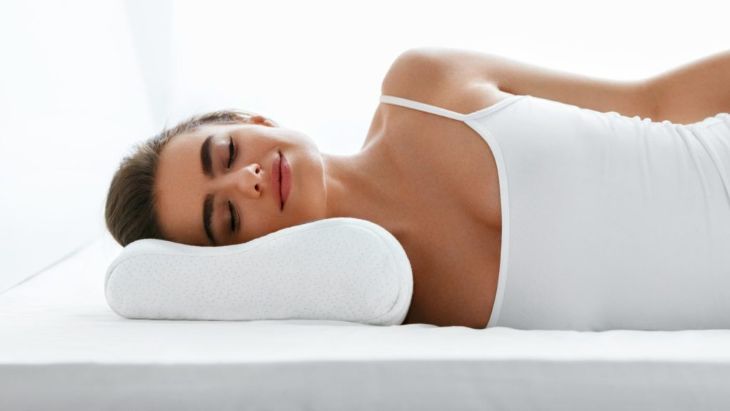
Identifying what is the best side to sleep on for your body is only half the battle. The real work is staying there. If you’ve slept on your back or stomach for years, your body has deep-seated habits that can be hard to break.
Practical Tips for a Smooth Transition
- The Obstacle Method: Place a long body pillow or a rolled-up blanket tightly behind your back. This creates a gentle physical barrier that stops you from rolling onto your back or stomach during the night.
- Optimize Mattress Firmness: Side sleepers need a mattress with medium-firm support. This allows your shoulders and hips to sink just enough to keep your spine straight, without letting your body sag.
- Relax Your Mind First: A racing mind often leads to restless tossing and turning. Try a simple 5-minute breathing exercise before bed to help your nervous system settle into a calm state.
- Ensure Sleep-Environment Hygiene: Keep your bedroom dark, quiet, and cool (ideally between 60–67°F or 15–19°C) to support your body’s natural cooling process during deep sleep.
Take a Screen-Free Approach to Your Sleep Tracker
Traditional smartwatches are often bulky and have bright screens that can light up and wake you up in the night. They also require frequent charging and can lock your sleep data behind subscription fees. The Herz P1 Smart Ring offers a different way forward. Made from ultra-lightweight titanium, this sleek, screen-free ring slips onto your finger and tracks your biometrics without distraction. With no monthly subscription fees, you own your sleep data completely.
Understanding Your Recovery Metrics
Making changes to your sleep setup is most effective when you can see how those changes impact your rest. Rather than sifting through complex charts and graphs, look at three key trends:
- Deep Sleep: This is the physical restoration phase when your body repairs tissue and builds muscle. Proper spinal alignment should help increase your overall deep sleep.
- REM Sleep: Essential for mental clarity and organizing your thoughts, REM sleep should increase as you reduce airway disturbances.
- Heart Rate Variability (HRV): Measured in milliseconds, a higher night-time HRV shows that your nervous system is in a healthy, relaxed state.
- Daily Recovery Score: This score combines your sleep, activity, and recovery metrics into one clear, daily number, helping you plan your day with confidence.
Adjusting your sleep position is a journey of small, consistent steps. By matching proper alignment with comfortable, screen-free tracking, you can gradually improve your nightly rest and wake up feeling truly refreshed each day.
Disclaimer: Results may vary depending on individual physical activity levels, unique health conditions, and daily tracking patterns. The content in this article is for informational and educational purposes only and is not intended as medical advice. Always consult with a qualified healthcare professional before making changes to your health routine, especially if you have pre-existing cardiovascular, gastrointestinal, or orthopedic conditions.
