

How Much Deep Sleep Do You Need? The Science-Backed Recovery Guide
Do you wake up feeling utterly drained, despite spending eight hours in bed? Understanding how much deep sleep do you need is key to overcoming brain fog. The science-backed Herz P1 Smart Ring tracks your real-time recovery to help you unlock non-restorative sleep patterns naturally.
Take Back Your Sleep.
Take Back Your Life.
- Fall asleep faster & sleep deeper
- Stop waking up in the middle of the night
- Wake up refreshed & full of energy
- The Target Metric: Adults need 1.5 to 2 hours of deep sleep per night (roughly 13% to 23% of total sleep time).
- The Biological Engine: Deep sleep is when cellular repair, tissue growth, and neural toxin clearance occur.
- Modern Obstacles: Blue light, late stress, and bulky wrist trackers degrade both sleep architecture and compliance.
- The Screen-Free Way: Discovering how a lightweight smart ring offers a subscription-free, comfortable method to optimize sleep tracking.
Understanding Sleep Stages: What is Deep Sleep and Why Does It Matter?
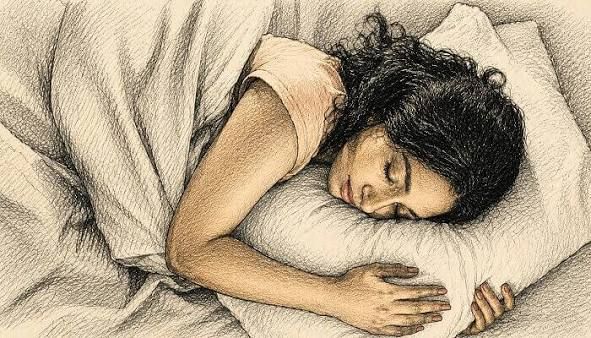
Yes, the answer is direct. The short answer is that a healthy adult requires between 1.5 to 2 hours of deep sleep each night. However, to choose the right wellness practices and monitoring devices, you need to understand that sleep is not a uniform state of unconsciousness. It is a highly active, orchestrated series of cycles that determine whether you wake up feeling ready to conquer the day or struggling under a heavy blanket of brain fog.
To truly grasp how much deep sleep do you need, we must first break down the architecture of sleep. Sleep is divided into two primary categories: Non-Rapid Eye Movement (NREM) and Rapid Eye Movement (REM) sleep. Throughout the night, your body transitions through these states in repeating 90-to-110-minute cycles. Each stage plays a vital role in keeping you mentally sharp, emotionally balanced, and physically strong.
Here is how your nightly recovery unfolds:
- NREM Stage 1 (Light Sleep): This is the transition phase from wakefulness to slumber. It lasts only a few minutes, during which your heartbeat, breathing, and brain waves begin to slow.
- NREM Stage 2 (Light/Moderate Sleep): This stage accounts for the largest portion of your total sleep time. Your body temperature drops, eye movements stop, and brain activity continues to slow, punctuated by brief bursts of electrical activity known as sleep spindles, which are essential for memory consolidation.
- NREM Stage 3 (Deep Sleep): Also known as slow-wave sleep (SWS), this is the most vital restorative sleep phase. Your brain waves slow down to synchronized delta waves, your muscles fully relax, and your blood pressure drops. It is incredibly difficult to wake someone up who is deep in sleep; if you are woken during this stage, you will feel disoriented and groggy.
- REM Sleep: Typically occurring later in the cycle, REM is the stage where most dreaming happens. Your brain activity increases to levels similar to when you are awake, your eyes move rapidly behind closed lids, and your skeletal muscles are temporarily paralyzed to prevent you from acting out dreams. REM is crucial for emotional regulation, creative problem-solving, and cognitive synthesis.
The Physiology of Slow-Wave Sleep
When you are deep in sleep, your body focuses almost entirely on physical recovery. The pituitary gland releases a surge of human growth hormone (HGH), which is vital for tissue repair, cellular regeneration, and muscle development. The immune system releases proteins called cytokines, which help fight off infections and combat systemic inflammation.
Without adequate deep sleep, your body’s self-repair process stalls. This explains why chronic sleep deprivation can lead to slow muscle recovery, weakened immunity, and an elevated heart rate. To understand what is deep sleep is to appreciate the physiological foundation of human performance.
Who Needs More Deep Sleep (And Who is Most at Risk)?
Your lifestyle and stage of life dramatically impact how much deep sleep do you need. For instance:
- Athletes & Active Individuals: High physical exertion increases cellular micro-damage, necessitating longer slow-wave cycles to repair muscles.
- Individuals Under Chronic Stress: Constant cortisol release disrupts sleep architecture, leaving you stuck in light stages and preventing the deep repair cycle.
- Aging Adults: As we grow older, the natural amplitude of slow-wave brain waves declines, meaning older adults naturally experience less deep sleep, though their physiological need for it remains high.
The Modern Challenge of Bulky Wearables
Many individuals eager to improve their sleep quality turn to traditional smartwatches. However, these devices often present operational challenges. They can be bulky, uncomfortable to wear in bed, and feature bright screens that can accidentally light up at 3 AM, waking you up. Furthermore, having to charge them daily can lead to missing nights of tracking, which disrupts your data trends.
This is where the Herz P1 Smart Ring offers a more comfortable, screen-free alternative. Made from lightweight titanium, it sits comfortably on your finger, tracking your heart rate, HRV, and sleep stages without annoying screens or constant charging hassles.
The blood vessels in your fingers are closer to the skin’s surface compared to those in your wrist. This allows the medical-grade optical sensors in a smart ring to gather cleaner heart rate and Heart Rate Variability (HRV) signals, providing more accurate sleep stage classification without needing a tight, uncomfortable strap.
Quick Deep Sleep FAQs
Can I survive on REM and light sleep alone?
No. Without the deep, slow-wave sleep stage, your body cannot perform tissue repair, and your brain cannot clear metabolic waste, leading to cumulative cognitive and physical decline over time.
How do alcohol and caffeine affect my deep sleep?
Both substances act as chemical disruptors. Caffeine blocks adenosine receptors, making it harder to fall asleep, while alcohol sedates the brain, bypassing the natural deep sleep phases and causing fragmented rest later in the night.
Are smart ring sleep trackers as accurate as clinical sleep studies?
While clinical polysomnography (PSG) remains the gold standard, modern smart rings like the Herz P1 use advanced heart rate variability (HRV) algorithms to closely match clinical trends, making them excellent tools for daily home tracking.
How Much Deep Sleep Should You Get Nightly?

When asking, “how much deep sleep do i need?” the answer lies in looking at both the absolute minutes and the percentage of your overall sleep. For a typical healthy adult, the ideal deep sleep percentage falls between 13% and 23% of your total sleep duration. If you sleep for a standard 7 to 8 hours, that translates to roughly 60 to 110 minutes of deep, slow-wave restorative recovery each night.
The table below provides a breakdown of how sleep duration correlates with your expected deep sleep output:
| Total Sleep Time | Target Deep Sleep (13%-23%) | Physical Recovery Level |
|---|---|---|
| 6 Hours | 47 – 82 minutes | Minimal recovery; higher chance of afternoon fatigue. |
| 7 Hours | 55 – 96 minutes | Standard recovery; suitable for daily cognitive and physiological baseline. |
| 8 Hours | 62 – 110 minutes | Excellent recovery; ideal for athletic performance and metabolic repair. |
| 9 Hours | 70 – 124 minutes | Peak athletic and tissue repair; often occurs naturally after high-exertion days. |
While discovering how much deep sleep should i get is a great first step, tracking these numbers in real life is where many people run into hurdles. This is especially true when dealing with the emotional and physical toll of modern stress.
The Emotional Toll: Stuck in a Cycle of Non-Restorative Sleep
We have all experienced nights where we lay in bed, staring at the ceiling as the clock ticks toward 3 AM. A racing mind, fueled by work stress or general anxiety, triggers a cascade of stress hormones like cortisol and adrenaline. When this happens, your body stays in a state of high alert, making it difficult to transition into deep sleep.
This emotional strain leads to a frustrating cycle: you wake up with a cloudy mind and heavy fatigue, which then increases your stress during the day, making it even harder to sleep well the next night. Breaking this cycle requires a clear understanding of your personal biometrics. This is where tracking deep sleep nightly becomes highly valuable.
Heart Rate Variability (HRV) measures the variation in time between consecutive heartbeats. A higher HRV is a sign that your parasympathetic nervous system (the “rest and digest” branch) is active, allowing your body to transition into deeper, more restorative sleep stages. Conversely, a low HRV suggests your sympathetic system is dominant, which can keep you stuck in lighter, less restorative sleep.
Understanding these biometric patterns is incredibly valuable, but many people are hesitant to use wrist trackers due to subscription fatigue. Having to pay a monthly fee to access your own sleep and health data can make tracking feel like a chore.
The Herz P1 Smart Ring addresses this by offering a completely subscription-free model. Once you purchase the ring, you own your data forever. You can access detailed reports on your sleep stages, HRV trends, and daily recovery scores without any hidden fees or monthly costs. This simple approach lets you focus on what really matters: improving your sleep quality and boosting your overall well-being.
How to Increase Deep Sleep Naturally

If you find that your deep sleep is consistently falling short, there are several practical, science-backed habits you can adopt to help improve your deep sleep. These strategies focus on supporting your body’s natural circadian rhythm and minimizing things that can disrupt your sleep architecture.
Here are five effective ways to naturally encourage deeper, more restorative sleep:
- Maintain a Cool Bedroom Temperature: Your core body temperature must drop by about two to three degrees Fahrenheit to initiate and sustain sleep. Keeping your bedroom cool—ideally between 60 and 67 degrees Fahrenheit (15 to 19 degrees Celsius)—supports this natural drop, making it easier to transition into deep, slow-wave sleep.
- Limit Evening Exposure to Blue Light: The blue light emitted by smartphones, tablets, and TVs mimics daylight, which can delay the release of melatonin, the hormone that signals to your body it is time to sleep. Try turning off these screens at least an hour before bed to support your body’s natural sleep-wake cycle.
- Establish a Consistent Sleep Schedule: Going to bed and waking up at the same time every day—even on weekends—helps regulate your internal body clock. This consistency makes it easier for your body to predict and optimize the timing of your sleep stages, including deep sleep.
- Enjoy a Warm Bath or Shower Before Bed: Taking a warm bath or shower about 90 minutes before bedtime can help you wind down. Once you step out of the warm water, your body temperature naturally begins to drop, signaling to your brain that it is time to rest and promoting a smoother transition into deep sleep.
- Keep Afternoons Caffeine-Free: Caffeine has a half-life of about 5 to 7 hours, meaning it stays in your system long after your last sip. To protect your sleep quality, try to avoid caffeine after 12 PM or 2 PM, ensuring your nervous system has plenty of time to wind down before bed.
Ditch the Screens for a Better Night’s Rest
Many people are choosing to step away from screens before bed, which has led them to look for alternative tracking options. The lightweight Herz P1 Smart Ring offers a simple, screen-free design that monitors your biometrics and provides daily recovery insights without the distraction of notifications or bright displays, helping you enjoy a more peaceful evening.
Choosing the Right Tool for Your Sleep Journey
Tracking your sleep trends is a great way to understand the amount of deep sleep you get and see how your daily habits affect your recovery. When choosing a tracker, it can be helpful to consider how different designs might fit into your lifestyle:
- Traditional Smartwatches: These are great for on-the-go notifications and tracking outdoor activities, but some users find their larger size uncomfortable to wear in bed, and they often require frequent charging.
- Dedicated Sleep Bands: These bands offer detailed sleep-specific metrics, but they are typically only worn at night, meaning you miss out on helpful daytime activity and heart rate data.
- The Herz P1 Smart Ring: With its lightweight titanium design, the ring sits comfortably on your finger and can be worn 24/7. It tracks your activity, sleep stages, and HRV, offering a subscription-free way to monitor your recovery.
By finding a tracking method that fits easily into your routine and understanding how to increase deep sleep, you can make simple, positive changes to support your physical and mental energy every day.
Ultimately, learning how much deep sleep do you need helps you build a strong foundation for your health. Combining practical sleep hygiene with consistent, comfortable tracking allows you to make minor adjustments that lead to better sleep and brighter, more energized days.
For more details on sleep stages and physical recovery, you can read our scientific breakdown of deep sleep and explore our guide on optimum deep sleep metrics to learn how to make the most of your daily rest.
Disclaimer: Results may vary depending on individual physical activity levels, unique health conditions, and daily tracking patterns. Wearable devices are designed to provide data-informed lifestyle insights and monitor trends to support overall well-being, but they should not be used to diagnose, treat, or replace professional medical advice. Always consult with a healthcare professional before making major changes to your sleep, exercise, or health routines.
