

5 Smart Health Tracking Innovations for Deep Rest and Daily Recovery
Why do we wake up feeling exhausted despite spending eight hours in bed? Navigating the latest sleep news reveals that true recovery isn’t just about duration; it’s about biometric balance. By utilizing screen-free tracking tools like the Herz P1 Smart Ring, we can seamlessly decode our physiological trends without the burden of bulky devices or endless subscriptions.
Take Back Your Sleep.
Take Back Your Life.
- Fall asleep faster & sleep deeper
- Stop waking up in the middle of the night
- Wake up refreshed & full of energy
Key Takeaways in Today’s Sleep & Recovery Landscape:
- The Shift to Screen-Free: Consumer preferences are pivoting away from heavy smartwatches toward ultra-light, distraction-free health wearables.
- Biometric Accuracy: Modern sleep tracking relies heavily on Heart Rate Variability (HRV) and deep sleep phase analysis to calculate actual daily recovery.
- Subscription Fatigue: Users are actively seeking high-end health tech with no hidden monthly paywalls or premium feature subscriptions.
- The Herz P1 Standard: How lightweight aerospace-grade titanium and advanced clinical sensors are changing how we track sleep.
Decoding the Best Sleep and Recovery Trackers of 2026

The rapid evolution of consumer health technology has made it difficult to separate valuable diagnostic-grade metrics from basic marketing gimmicks. In the sphere of clinical sleep news, the core focus has shifted from counting simple movement milestones (like daily steps) to evaluating the body’s autonomic balance during deep sleep. To establish a clear, objective assessment, our team at Mind Body Dan has evaluated several prominent categories of daily recovery monitors.
Our evaluation is built upon strict metrics that impact your daily life. First, we examine comfort and ergonomics: if a tracker is too heavy or bulky to wear comfortably through the night, it fails at its primary task of monitoring sleep. Second, we prioritize subscription transparency: consumer trust is eroded when basic physiological data is locked behind recurring paywalls. Finally, we look at algorithmic utility: the device must convert complex biometric data into an intuitive, actionable format.
| Tracker Category | Weight & Ergonomics | Subscription Fee | Primary Biometric focus | Sleep Friendliness |
|---|---|---|---|---|
| Herz P1 Smart Ring | 2.9g (Titanium, Screen-Free) | $0 (Subscription-Free) | HRV, Sleep Stages, Activity | Excellent (Unobtrusive) |
| Premium Smartwatch | 45g+ (Bulky, Bright Screen) | $0 | Notifications, GPS, Steps | Low (Disruptive Screen & Weight) |
| Recovery Band | 25g (Synthetic Strap) | $10 – $30/month | Cardiovascular Strain | Moderate (Slightly warm) |
| Basic Step Tracker | 18g (Plastic Band) | $0 | Steps, Basic Movement | Low (Poor sensor accuracy) |
To help guide your next recovery investment, we have compiled a detailed, objective breakdown of these solutions. This analysis highlights how they compare in daily use, physical comfort, and value over time.
1. The Screen-Free Standard: Herz P1 Smart Ring
The Herz P1 Smart Ring is designed for users who want to monitor their biometrics without the distraction of a screen. Built from lightweight titanium, it sits comfortably on the finger and measures metrics directly from the capillary network of the digit, which can offer stronger signal strength than the wrist.
Key Strengths: It does not require a subscription, meaning your health data remains completely free to access. The ring tracks deep, light, and REM sleep phases alongside real-time heart rate variability (HRV). This data is compiled into a simple, easy-to-read daily Recovery Score. Its battery lasts for several days, removing the hassle of daily charging.
Operational Considerations: Because it has no screen, you cannot read notifications or check the time directly from your hand. You must sync with the accompanying app to view your daily health metrics.
Ideal User: Ideal for wellness-minded individuals, active professionals, and anyone who wants detailed sleep and recovery insights without screen distraction, heavy wrist devices, or ongoing monthly fees.
2. The Heavy Smartwatch
Smartwatches are excellent multi-purpose tools that combine fitness tracking, communication, and navigation. However, their physical design presents challenges when it comes to overnight sleep tracking.
Key Strengths: They offer real-time app interaction, GPS mapping, and phone call alerts directly on your wrist.
Operational Considerations: Their weight and size make them uncomfortable to sleep in. The bright screens can wake you up with accidental gestures, and their batteries usually require daily charging.
Ideal User: Great for daytime fitness tracking and staying connected, but less suited for those prioritizing dedicated, screen-free overnight recovery monitoring.
3. The Athletic Recovery Band
Athletic bands are designed for dedicated training and cardiovascular strain monitoring, prioritizing high-frequency heart-rate tracking during exercise.
Key Strengths: They are screen-free, lightweight, and provide detailed physiological metrics tailored to athletic training.
Operational Considerations: The synthetic fabric straps can absorb moisture and feel uncomfortable overnight. More importantly, they often require a mandatory monthly subscription to access your data, which can lead to subscription fatigue over time.
Ideal User: High-performance athletes who do not mind paying a monthly fee to access their specialized training metrics.
4. The Budget Step Tracker
These simple plastic wristbands are designed for entry-level physical activity tracking, offering a low-cost entry point into health monitoring.
Key Strengths: They are highly affordable and offer basic step counts and estimated calorie burn metrics.
Operational Considerations: Their basic sensors often struggle with precise sleep stage detection, and their companion apps rarely translate complex HRV dynamics into actionable recovery guidance.
Ideal User: Casual users who only need a simple, low-cost way to count steps.
How to Choose the Right Device:
Select your daily tracking tool based on your personal wellness priorities:
- If you want comprehensive sleep analytics and an intuitive recovery score without screen distractions or recurring monthly fees, the Herz P1 Smart Ring is the most balanced solution.
- If you require real-time wrist navigation, call alerts, and physical notifications, a standard smartwatch is the most logical fit.
- If you are focused solely on high-intensity athletic training and are comfortable with ongoing subscription fees, a dedicated training band is a solid option.
The Science of Sleep and Biometric Recovery

To optimize recovery, it helps to understand the underlying physiology of rest. Sleep is not a passive state of unconsciousness; it is an active, highly coordinated process driven by your autonomic nervous system. Staying informed on sleep news reveals that our nights are organized into distinct 90-minute sleep cycles. Each cycle is composed of light sleep, deep sleep, and REM (Rapid Eye Movement) sleep.
Deep sleep acts as the body’s physical restoration phase. During this time, the brain triggers growth hormone release to support tissue repair and immune function. REM sleep, on the other hand, is the cognitive processing center where memories are consolidated and emotional experiences are processed. If you miss out on these vital stages, you may experience cognitive challenges and brain fog the next day.
This biological process is deeply influenced by your internal circadian rhythm. When your daily habits align with your natural biological clock, your body can transition smoothly between active daytime states and deep, restful sleep at night. To support this natural transition, check out our guide on establishing a healthy circadian rhythm reboot.
— Team Mind Body Dan
One of the most effective ways to measure this autonomic balance is through Heart Rate Variability (HRV). HRV measures the tiny variations in time between consecutive heartbeats, reflecting the balance between your sympathetic (fight-or-flight) and parasympathetic (rest-and-digest) nervous systems.
A high HRV relative to your baseline indicates that your body is adapting well to stress and is ready to perform. Conversely, a low HRV suggests that your nervous system is working hard to recover from stress, illness, or fatigue. To learn more about how to monitor and apply these metrics to your daily routine, explore our detailed resource on the HRV-recovery connection.
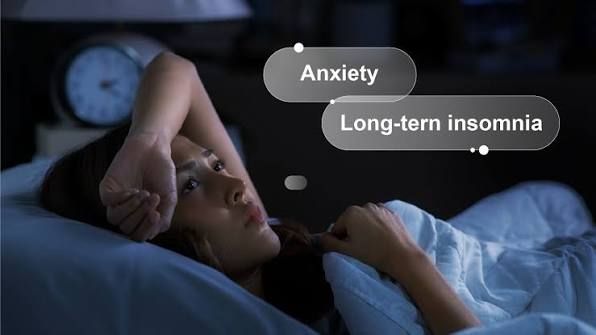
When you are stressed, anxious, or overworked, it can be difficult to pinpoint exactly why you feel run down. This struggle often begins with a racing mind as soon as your head hits the pillow. You might find yourself waking up around 3 AM, unable to quiet your thoughts. This can lead to a cycle of non-restorative sleep, leaving you to deal with morning brain fog and a dependency on quick fixes like excess caffeine.
If you are struggling with persistent brain fog, understand that it is often a direct result of interrupted sleep stages. Understanding how to manage these energy dips is key to breaking the cycle. For practical advice, take a look at our guide on battling brain fog.
Tracking these patterns helps demystify the recovery process. By mapping out your deep, light, and REM sleep phases, you can identify what is disrupting your rest. To learn more about how your body cycles through these recovery phases, read our comprehensive sleep stages guide.
Waking up in the middle of the night can be frustrating, especially when it leaves you feeling exhausted the next day. To help manage these nighttime disruptions, explore our practical guide on beating 3 AM awakenings.
Additionally, if you wake up feeling tired even after a full night’s sleep, you may be experiencing non-restorative sleep, where your body remains in a light sleep state rather than entering deeper, restorative phases. To learn more about this, read our article on non-restorative sleep solutions.
Practical Steps to Reclaiming Your Rest Without Screen Distraction
A key takeaway from contemporary sleep news is that technology should support your health, not get in the way of it. Many sleep optimization efforts fail because the devices used to track sleep actually end up disrupting it. Checking a glowing smartwatch screen in the middle of the night can expose your eyes to blue light, which can suppress melatonin production and signal to your brain that it is time to wake up.
To build healthy sleep hygiene, consider these screen-free habits:
- Establish a Digital Sunset: Turn off all phones, tablets, and bright screens at least 60 minutes before bed to allow your brain to naturally produce melatonin. To understand this biological process better, check out our guide on melatonin screen habits.
- Remove Notifications from the Bedroom: Keep your phone charging in another room to prevent late-night alerts from disrupting your sleep.
- Use Screen-Free Tracking: Opt for a screen-free wearable, like the Herz P1 Smart Ring, to monitor your biometrics without the distraction of a glowing screen. To see how these devices have evolved, read our article on the smart wearables evolution.
- Create a Cool, Dark Sanctuary: Keep your bedroom temperature between 60 and 67 degrees Fahrenheit and use blackout curtains to support deep sleep.
Reclaiming Your Rest
Tracking your health shouldn’t feel like a chore. The Herz P1 Smart Ring sits quietly on your finger, collecting sleep and recovery data without the distraction of a screen or the hassle of monthly fees.
At Mind Body Dan, our mission is to simplify health tracking. We focus on clear, actionable biometrics over complicated data graphs. Staying updated on the latest sleep news helps us identify which tools actually support wellness, rather than adding to your daily screen time. By focusing on sleep hygiene and choosing screen-free tracking methods, you can gain a clearer understanding of your body and take steps toward more restful, restorative sleep.
Disclaimer: Results may vary depending on individual physical activity levels, unique health conditions, and daily tracking patterns. The content on Mind Body Dan is for informational and educational purposes only and is not intended as medical advice. Always consult with a qualified healthcare professional before making changes to your health regimen or lifestyle.
