

5 Best Wearables for Tracking Sleep Apnea Treatment Progress and Nightly Recovery
Are you waking up gasping, dealing with a racing mind at 3 AM, or facing crushing daytime brain fog? When evaluating clinical sleep apnea treatment, tracking overnight biometrics is vital. Our screen-free, subscription-free titanium ring helps you easily monitor HRV, sleep stages, and recovery trends to reclaim your natural energy.
Take Back Your Sleep.
Take Back Your Life.
- Fall asleep faster & sleep deeper
- Stop waking up in the middle of the night
- Wake up refreshed & full of energy
- Screen-Free Recovery: Why avoiding bright screens during 3 AM awakenings prevents melatonin suppression and lowers sleep-disrupting stress.
- Biometric Tracking: How monitoring Heart Rate Variability (HRV) and sleep stages confirms whether your sleep therapy is delivering restorative rest.
- No Subscription Fatigue: Why modern trackers like the Herz P1 Smart Ring offer premium biometric insights with zero ongoing monthly fees.
- Clinical Integration: Balancing professional clinical therapies (like CPAP) with simple, actionable daily lifestyle metrics.
Evaluating the Best Wearables and Monitors for Sleep Apnea Support

When undergoing clinical sleep apnea treatment, tracking overnight biometrics helps you understand if your interventions are working. Consumer sleep trackers do not diagnose medical conditions; instead, they serve as daily lifestyle monitors. By measuring physiological responses, they provide crucial feedback on sleep quality, heart rate trends, and overall autonomic recovery.
Our team at Mind Body Dan evaluated the leading consumer trackers using four essential criteria:
- Overnight Comfort: Sleep-deprived individuals are highly sensitive to nighttime disruptions. Bulky smartwatches and tight headbands can cause micro-awakenings, worsening sleep fragmentation.
- Data Clarity & Actionability: A tracker should simplify complex biometrics into straightforward, actionable insights, rather than presenting overwhelming raw graphs.
- Battery Life: Devices requiring daily charging often end up sitting on a charger overnight, rendering them useless for consistent sleep tracking.
- Pricing Transparency: We prioritize high-quality devices that offer full feature access without locking your personal health data behind a monthly subscription paywall.
| Device Type | Form Factor | Subscription Fee | Key Biometrics | Best For |
|---|---|---|---|---|
| Herz P1 Smart Ring | Lightweight Titanium Ring | $0 (Free Forever) | HRV, Sleep Stages, Recovery Score | Comfortable, Screen-Free Tracking |
| Standard Smartwatch | Bulky Wrist Unit | Varies ($0 – $10/mo) | Heart Rate, Steps, GPS | Daytime Notifications |
| EEG Sleep Headband | Thick Forehead Band | Often Required | Brain Wave Activity | Advanced Sleep Hacking |
| Pulse Oximeter | Finger Clip & Wrist Strap | None | Oxygen Saturation, Pulse | Short-Term SpO2 Checking |
1. Herz P1 Smart Ring
The Herz P1 Smart Ring offers a highly comfortable, screen-free wellness tracking experience. Crafted from premium, ultra-lightweight titanium, it provides an elegant alternative to heavy smartwatches that can disturb sleep. By moving the sensors to the finger—where capillaries are closer to the skin surface—the ring captures clean, reliable pulse wave data.
The ring measures Heart Rate Variability (HRV), resting heart rate, and overnight movement to map your Sleep Stages (Deep, REM, and Light). It translates these complex biometric algorithms into a single, intuitive Daily Recovery Score. This subscription-free model guarantees lifetime access to your data, providing a practical tool to monitor how your body responds to lifestyle changes alongside a medical sleep apnea treatment.
- Strengths: Feather-light titanium build, comfortable for side sleepers, multi-day battery life, and zero subscription fees.
- Weaknesses: Does not feature a screen (which is a deliberate design choice to encourage healthy sleep hygiene).
- Ideal User: Health-conscious individuals seeking a screen-free, subscription-free wearable to monitor sleep quality and recovery trends without bedtime distractions.
2. Premium Bulky Smartwatch
Modern premium smartwatches are excellent daytime companions. They offer comprehensive GPS tracking, step counting, and on-wrist notifications. However, their design poses challenges for nightly sleep monitoring.
The main drawbacks are physical size and battery life. Wearing a heavy, metallic chassis to bed can feel uncomfortable, and a bright screen that lights up with every wrist movement can disrupt sleep. Furthermore, their multi-sensor arrays often require daily charging, making it easy to miss tracking sessions.
- Strengths: Detailed fitness tracking, GPS, and helpful daytime notifications.
- Weaknesses: Bulky form factor, short battery life, and potential blue-light exposure at night.
- Ideal User: Daytime athletes who do not mind wearing a bulkier device to bed and are diligent about daily charging.
3. Clinical-Grade Wrist Pulse Oximeter
A clinical-grade wrist pulse oximeter focuses on a specific metric: blood oxygen saturation (SpO2). These specialized devices feature a soft rubber finger sleeve connected by a wire to a wrist strap. They record high-resolution oxygen patterns throughout the night.
While highly accurate for tracking oxygen desaturations, they are designed purely for diagnostic confirmation. They do not track sleep stages or recovery metrics, and the continuous physical tether can make falling asleep difficult.
- Strengths: Medical-grade oxygen tracking with high-resolution logging.
- Weaknesses: Uncomfortable wired design and lacks broader lifestyle or sleep stage tracking.
- Ideal User: Individuals looking to verify oxygen trends over a few nights under medical supervision.
4. Smart EEG Sleep Headband
Smart EEG headbands track sleep by reading brainwave activity through forehead sensors. This clinical-style approach provides detailed data on REM and Deep sleep cycles. However, the fabric headband can feel warm and restrictive, occasionally slipping off during the night.
- Strengths: Direct brainwave tracking for accurate sleep stage identification.
- Weaknesses: Bulky, can feel hot, and often carries an expensive monthly subscription.
- Ideal User: Tech-savvy sleep enthusiasts willing to trade comfort for highly detailed brainwave charts.
When selecting a wearable to track your sleep recovery, keep these key factors in mind:
- Ensure the device has a battery life of at least 4-5 days to avoid frequent charging.
- Look for a lightweight, low-profile design that does not interfere with your natural sleeping position.
- Choose a tracker that translates raw biometric data into simple, actionable daily scores.
Final Recommendations Summary
For a highly comfortable, screen-free, and subscription-free experience, the Herz P1 Smart Ring is our top choice. It gathers continuous biometric data with a lightweight feel that fits seamlessly into your nightly routine. If you need a comprehensive daytime fitness companion, a standard premium smartwatch is a reliable option. For focused, high-precision oxygen tracking, look to a clinical-grade pulse oximeter.
The Medical Roadmap: Understanding Clinical Sleep Apnea Treatment and CPAP Therapy
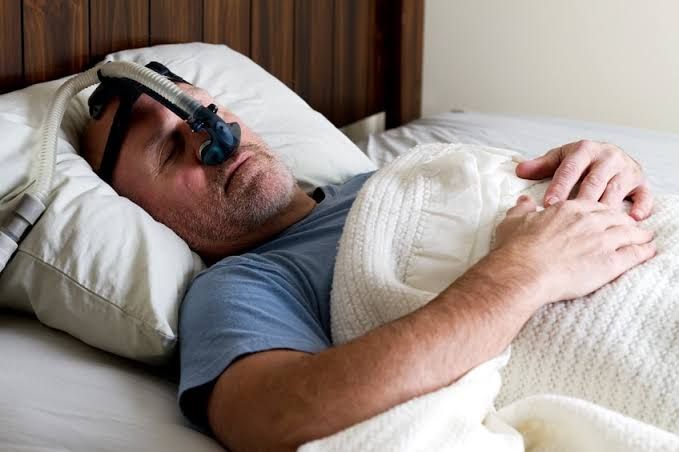
When doctors evaluate clinical sleep apnea treatment, the gold standard is Continuous Positive Airway Pressure (CPAP) therapy. Obstructive Sleep Apnea (OSA) occurs when the muscles in the back of the throat relax, causing the airway to narrow or close during inhalation. This drops blood oxygen levels, triggering the brain to briefly wake you to reopen the airway—often with a loud gasp or snort.
A CPAP machine prevents these airway collapses by delivering a continuous stream of pressurized air through a mask worn during sleep. By maintaining constant air pressure, it stabilizes the upper airway and prevents breathing pauses.
While CPAP therapy is highly effective, many individuals struggle with its physical demands. Common challenges include:
- Mask Discomfort: Poorly fitting masks can cause air leaks, skin irritation, or claustrophobia.
- Dryness & Congestion: Pressurized air can dry out nasal passages and the throat. Modern CPAP machines use heated humidifiers to help manage this.
- Noise & Portability: Although newer models are quiet, the subtle hum of the machine and the bulkiness of traveling with it can still be inconvenient.
Because of these challenges, clinical specialists often explore additional aids for sleep apnea. These alternative options include:
- Mandibular Advancement Devices (MADs): Custom-made oral appliances designed to hold the lower jaw slightly forward, keeping the airway open.
- Positional Therapy: Devices that encourage side-sleeping, which helps prevent the tongue and soft palate from collapsing backward.
- Myofunctional Therapy: Targeted exercises for the mouth and tongue muscles to improve upper airway stability.
For individuals exploring comprehensive care, these options function as important elements of a personalized sleep-related breathing disorders therapy program. Regardless of your chosen approach, monitoring your physiological response is key to ensuring your therapy translates into actual physical and mental recovery.
How Do You Know Your Therapy is Working?
Medical treatments focus on reducing clinical breathing pauses. However, tracking your daily recovery trends helps confirm that your sleep is becoming more continuous, deep, and truly restorative.
Bridging Clinical Therapy with Daily Recovery Metrics: A Screen-Free Tracking Guide
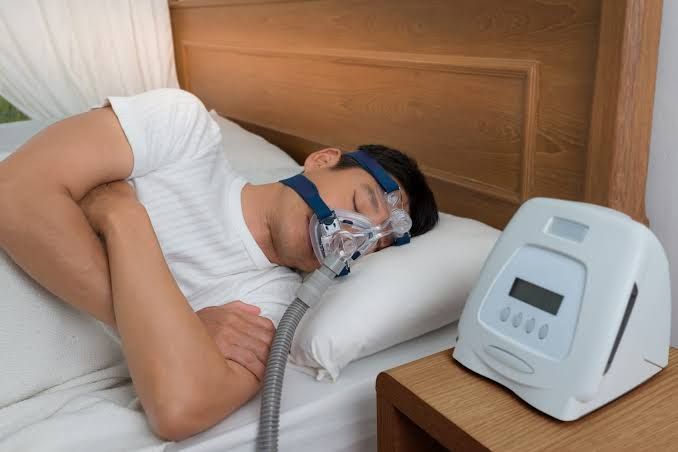
If you have struggled with unrefreshing sleep, you know the frustration of waking up at 3 AM with a racing mind, feeling exhausted yet unable to drift back to sleep. When navigating a clinical sleep apnea treatment, tracking key overnight biomarkers can help you monitor how your autonomic nervous system is recovering.
Three core metrics provide valuable insights into your sleep health:
1. Heart Rate Variability (HRV)
HRV measures the small variations in time between consecutive heartbeats. This metric reflects the balance of your autonomic nervous system:
- High HRV: Indicates that your parasympathetic nervous system (the “rest and digest” branch) is active, showing that your body is resting and recovering well.
- Low HRV: Points to sympathetic nervous system dominance (the “fight or flight” response), suggesting that stress, fatigue, or interrupted breathing may be straining your system.
By monitoring your HRV trends, you can observe how your body adapts to your sleep environment and therapies over time.
2. Sleep Stages (Deep, REM, and Light)
Sleep-related breathing issues can disrupt the natural progression of your sleep stages, often cutting short crucial Deep and REM sleep:
- Deep Sleep: The stage where your body focuses on physical tissue repair, muscle growth, and immune system support.
- REM Sleep: Essential for cognitive processes like memory consolidation, emotional processing, and mental clarity.
Using a comfortable wearable to track these stages can help you monitor whether your sleep is becoming more continuous and balanced.
3. The Daily Recovery Score
Instead of trying to interpret complex raw graphs, a unified Daily Recovery Score combines your HRV, sleep stages, and resting heart rate into a single, straightforward number. This makes it easy to understand your readiness for the day at a glance.
To support this recovery process, practicing good sleep hygiene is key. Avoiding screens before bed and keeping devices with bright displays out of the bedroom can prevent blue-light exposure, which suppresses melatonin production and can trigger a racing mind during middle-of-the-night awakenings.
This is where screen-free monitoring tools, like a lightweight smart ring, become highly useful. They quietly track your biometrics in the background, allowing you to gather valuable health trends without the distraction of notifications or glowing screens.
By pairing professional clinical guidance with simple, screen-free tracking, you can monitor your path toward better rest and reclaim your daily energy.
Checking a glowing smartwatch or phone screen during a midnight awakening can stimulate your brain and delay sleep. Using a screen-free titanium ring allows you to collect precise biometric trends in the background, helping you build healthy habits and enjoy more restful nights.
Using these tools helps you bridge the gap between clinical insights and daily wellness, making it easier to track how your customized sleep apnea treatment impacts your body’s recovery and overall well-being.
Disclaimer: Results may vary depending on individual physical activity levels, unique health conditions, and daily tracking patterns. The content in this article and the metrics from the smart ring are for informational and educational purposes only. This device is a wellness tracker, not a medical device, and is not designed to diagnose, monitor, or manage any medical condition. Always consult with a qualified physician or sleep specialist for any medical advice or treatment.
