

9 Best Feather Pillow Options for Comfort and Support
Do you wake up at 3 AM with a stiff neck, a racing mind, and the feeling that you haven’t slept? Non-restorative sleep is often a mix of poor physical posture and invisible stress. Finding the best feather pillow can restore alignment, while screen-free biometric tracking lets you measure your real recovery progress. Let’s reclaim your nights.
Take Back Your Sleep.
Take Back Your Life.
- Fall asleep faster & sleep deeper
- Stop waking up in the middle of the night
- Wake up refreshed & full of energy
Choosing the Perfect Loft: Our Selection & Biometric Validation Process

When we look for the best feather pillow, we quickly realize that sleep is not a one-size-fits-all experience. A pillow that feels like a supportive cloud to one person can leave another tossing and turning with muscle tension, leading to highly fragmented sleep stages. Our team evaluated dozens of pillows using clear physical standards, focusing on fill power, down-to-feather ratios, shell quality, and long-term resilience.
However, physical comfort is only half of the story. To truly know if a bedding change works, we must track how our bodies respond overnight. That is why our selection process does not stop at comfort. We also look at how these physical improvements translate into objective metrics like deep sleep, REM sleep, and Heart Rate Variability (HRV). By combining comfortable bedding with smart tracking tools, we can pinpoint what helps us sleep best.
| Pillow / Solution Name | Core Support Type | Key Advantage | Target Sleep Style |
|---|---|---|---|
| Royal Majesty Goose Pillow | Feather Core & Down Outer | Premium plush outer layer | Back & Side Sleepers |
| Down & Feather Co. Snuggle | Heavy Feather Fill | Firm, resilient contouring | Side Sleepers wanting weight |
| East Coast Bedding Dual Chamber | Dual Chamber Structure | Prevents feather poking | Back Sleepers needing alignment |
| Continental Bedding Premium | Pure Goose Feather Fill | Traditional feel & breathability | Stomach & Combination Sleepers |
| Herz P1 Smart Ring | Biometric Sleep Tracker | Tracks HRV, sleep, & recovery | All Sleepers seeking insights |
1. Royal Majesty Goose Feather Pillow
If you want a luxurious sleep experience, the Royal Majesty Goose Feather Pillow is an exceptional choice. It features a smart dual-chamber design: a sturdy inner core filled with premium goose feathers provides reliable support, while a plush outer layer of soft goose down keeps the surface smooth and cozy.
- Strengths: Hybrid design prevents feathers from poking through, high-quality 300 thread count cotton shell, excellent resilience.
- Weaknesses: Requires daily fluffing to keep its shape, slightly higher price point than basic options.
- Ideal User: Back and side sleepers who want the plush feel of down but still need the firm support of a traditional best feather pillow.
2. Down & Feather Co. Snuggle Soft
This choice stands out in many fether company reviews for its classic, long-lasting build. The Snuggle Soft contains a dense, carefully cleaned feather fill. It is a true heavy feather pillow, offering a substantial and grounding feel that holds up well throughout the night without flattening out completely.
- Strengths: Re-fluffable design that lasts for years, durable ticking fabric, supportive for the cervical spine.
- Weaknesses: The thick fabric cover can feel a bit heavy and stiff during the first few weeks of use.
- Ideal User: Side sleepers who prefer a supportive, high-density heavy feather pillow that won’t bottom out.
3. East Coast Bedding Dual Chamber
East Coast Bedding offers one of the most reliable and good feather pillows available today. By separating the feather and down fills into two distinct compartments, this pillow keeps the feathers locked in the center. This design offers a smooth surface while keeping your neck well-aligned.
- Strengths: No annoying feather pricks, excellent price-to-performance ratio, breathable cotton shell.
- Weaknesses: Might feel slightly too firm for stomach sleepers who prefer a flatter surface.
- Ideal User: Combination sleepers who change positions during the night and need a versatile, consistent best feather pillow.
4. Continental Bedding Premium White Goose Feather
Continental Bedding focuses on classic simplicity. Filled entirely with clean, high-grade white goose feathers, this model provides the traditional moldable support that feather pillows are famous for. It allows you to shift the fill exactly where you need it, which is ideal if you like to bunch up your pillow.
- Strengths: Highly moldable and flexible, affordable price, great temperature control.
- Weaknesses: Lacks a down layer, meaning you can occasionally feel the feather quills through the cover if you don’t use a thick protector.
- Ideal User: Sleepers on a budget looking for traditional, moldable comfort in a best feather pillow.
5. The Herz P1 Smart Ring: Your Ultimate Sleep Biometric Companion
You can spend hundreds of dollars trying to find the best feather pillow, but how do you actually know if your sleep is improving? Without objective data, you are left guessing why you still feel tired. The Herz P1 Smart Ring solves this puzzle. This sleek, screen-free wearable tracks your body’s biometric signals directly from your finger, giving you a clear picture of your sleep quality.
Traditional smartwatches can be bulky, uncomfortable to wear to bed, and require annoying daily charging. The Herz P1 Smart Ring is different. Made from ultra-lightweight titanium and weighing only 2.5 grams, you will barely notice it on your finger. It features medical-grade sensors that monitor your recovery score and sleep quality without the distraction of a glowing screen.
- Subscription-Free Model: Pay once and own all your health data forever. There are no hidden monthly fees or paywalls.
- Screen-Free Peace of Mind: No notifications, vibrations, or blue light to disrupt your natural melatonin production before bed.
- Advanced Biometric Sensors: Accurately monitors your heart rate, HRV metrics, and body temperature variations.
- Detailed Sleep Stage Analysis: Shows you exactly how much time you spend in Deep, REM, and Light sleep stages.
- Intuitive Recovery Score: Translates complex heart and sleep data into a simple daily score, helping you plan your day’s activity level.
- Strengths: Lightweight titanium build, long battery life, subscription-free app, precise sleep stage tracking.
- Weaknesses: Does not have a screen, so you need to open the smartphone app to view your health data.
- Ideal User: Anyone looking to improve their sleep and recovery who wants a comfortable, screen-free tracking experience.
The Ultimate Feather Pillow Buying Guide: Structure, Loft, and Support
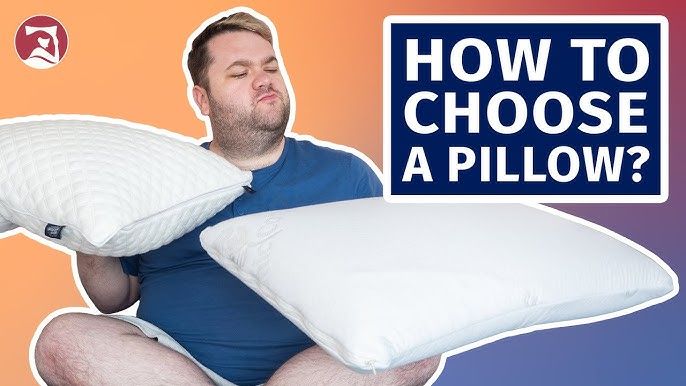
Finding the best feather pillow involves more than just picking a soft option from a store shelf. Understanding how feather pillows are designed can help you make a smart, comfortable choice that supports your spine. Let’s look at the key details to keep in mind when shopping for a good feather pillows.
Feathers vs. Down: What is the Difference?
Many people use the terms “feather” and “down” interchangeably, but they are actually very different structures. Feathers come from the outer wings and backs of ducks or geese. They have a flat shape with a central quill, which acts like a tiny, springy support. This structure makes a heavy feather pillow excellent for holding its shape and supporting your head.
Down, on the other hand, is the fluffy undercoating found beneath the feathers. It has no quills and looks like a soft, 3D fiber cluster. Down is highly insulating and light, offering that classic cloud-like feel. The best feather pillow options often combine both materials: a supportive feather core wrapped in soft down to give you both comfort and durability.
— Team Mind Body Dan
Finding the Right Fit for Your Sleeping Position
Your primary sleeping position determines how much support you need from a pillow. A mismatched pillow can throw your spine out of alignment, leading to muscle strain and disrupted sleep stages:
- Side Sleepers: You need a firmer, high-loft pillow to fill the space between your ear and outer shoulder. A sturdy heavy feather pillow is excellent for keeping your head aligned with your neck.
- Back Sleepers: You benefit from medium loft. The pillow should cradle your neck without pushing your chin forward toward your chest. A dual-chamber design works beautifully here.
- Stomach Sleepers: You need a very flat, low-loft pillow to prevent your lower back from arching uncomfortably. A soft, moldable feather pillow that easily compresses is ideal.
Fabric Shell and Ticking Quality
Always look at the quality of the fabric shell when reading fether company reviews. A high-quality feather pillow needs a tightly woven cover, often called a “feather-proof” or “high-ticking” shell. Look for a thread count of 230 or higher in a 100% cotton weave. This tight fabric keeps the feather quills from poking through the pillow and scratching your face during the night.
Synergy in Sleep: Coupling Bedding Comfort with Biometric Insights

Even if you use the best feather pillow on the market, external comfort is only one piece of the sleep puzzle. True, restorative sleep is a complex process managed by your autonomic nervous system. To genuinely improve your sleep quality, you need to connect your physical comfort with your internal health data.
This is where monitoring your biometrics can make a massive difference. Key metrics like Heart Rate Variability (HRV) and your deep sleep patterns show you exactly how well your body recovers from daily stress. Let’s look at how tracking these metrics can help you build a better sleep routine.
The Core Biometric Metrics You Should Track
Reclaiming your physical and mental energy requires shifting from guessing to knowing. By tracking key biomarkers, you gain a clear, honest look at your body’s recovery systems.
Tracks nervous system balance
Measures muscle & bone repair
Measures mental processing
How Physical Comfort Affects Deep and REM Sleep
Your body moves through distinct sleep stages each night, including deep sleep (when tissues heal and growth hormones are released) and REM sleep (when your brain processes memories and emotions). If your pillow is uncomfortable, you will wake up frequently to adjust it, even if you don’t fully remember doing so. These micro-awakenings disrupt your sleep cycle, cutting your deep and REM sleep short and leaving you feeling exhausted the next day.
Using a high-quality, supportive pillow reduces physical tossing and turning, allowing your body to stay in those crucial, restorative sleep stages longer. By monitoring your sleep patterns with a dedicated tool like the sleep tracker on the Herz P1 Smart Ring, you can see if your new bedding actually increases your deep and REM sleep percentages.
Understanding Your Heart Rate Variability (HRV)
Heart Rate Variability (HRV) measures the variation in time between consecutive heartbeats. This metric is a powerful indicator of your autonomic nervous system’s health. A higher HRV indicates that your body is relaxed, rested, and ready to handle stress. A low HRV can mean that your nervous system is overworked, stressed, or recovering from poor sleep.
By checking your HRV each morning, you can see how your bedding and sleep environment impact your nervous system. If your body is well-supported by your pillow, your nervous system can fully relax into a parasympathetic state, which shows up as a healthier, higher HRV trend over time.
Practical Tips for Maintaining Your Feather Pillow
To keep your feather pillow supportive and comfortable for years to come, follow these simple care steps:
- Daily Fluffing: Give your pillow a quick fluff every morning by grabbing the diagonal corners and pushing them together. This helps re-distribute the feather fill and keeps it from flattening.
- Use a Pillow Protector: A breathable, 100% cotton pillow protector keeps body oils, sweat, and dust mites away from the feathers, extending your pillow’s life.
- Wash with Care: Most feather pillows can be washed in a washing machine on a gentle cycle with a mild detergent. Be sure to dry them completely on a low-heat setting; any remaining dampness can lead to mold and unpleasant odors.
Frequently Asked Questions About Feather Pillows
A: Many people worry about allergies, but dust mites are usually the main culprit rather than the feathers themselves. Choosing a tightly woven, hypoallergenic cotton shell or using a dust-mite proof protector helps keep your pillow clean and allergen-free.
A: High-quality feather pillows can last for 5 to 10 years with proper care and regular fluffing, whereas memory foam pillows tend to lose their shape and degrade within 2 to 3 years.
A: No. Feathers and down are naturally breathable materials that allow air to circulate freely, making them much cooler to sleep on than dense memory foam or synthetic fills.
Ultimately, getting truly restorative sleep is about finding a balance between physical comfort and smart, screen-free tracking. A great pillow keeps your neck aligned, while a high-quality wearable like the Herz P1 Smart Ring helps you monitor your sleep stages and recovery. Together, these tools can help you build a personalized sleep routine that keeps you feeling refreshed every single day.
Disclaimer: Results may vary depending on individual physical activity levels, unique health conditions, and daily tracking patterns. The information provided in this article is for educational purposes only and should not replace professional medical advice.
@import url(‘https://fonts.googleapis.com/css2?family=Baloo+2:wght@600;700;800&family=Poppins:wght@400;500;600;700&display=swap’);.cta3-stage{–cta3-lavender:#B6A9FF;–cta3-gold:#F4C156;–cta3-white:#FFF;width:100%;max-width:720px;margin:32px auto;padding:28px 32px;background:radial-gradient(ellipse 900px 500px at 50% 0%,rgba(70,60,160,0.35),transparent 60%),linear-gradient(170deg,#0A1340 0%,#060C30 45%,#03061B 100%);border-radius:16px;box-sizing:border-box;font-family:’Poppins’,sans-serif;cursor:pointer}.cta3-wrapper{display:block;text-decoration:none!important;width:100%;transition:transform .2s;color:inherit;cursor:pointer}.cta3-wrapper:hover{transform:translateY(-3px)}.cta3-card{width:100%;border-radius:12px;border:1.5px solid rgba(160,150,255,0.25);background:linear-gradient(160deg,rgba(60,55,140,0.1),rgba(10,15,55,0.05));padding:32px 24px;text-align:center;box-sizing:border-box}.cta3-eyebrow{display:flex;align-items:center;justify-content:center;gap:10px;color:var(–cta3-lavender);font-size:13px;font-weight:600;letter-spacing:.15em;text-transform:uppercase;margin-bottom:12px}.cta3-eyebrow .cta3-dash{width:24px;height:1px;background:rgba(182,169,255,0.3)}.cta3-title{font-family:’Baloo 2′,sans-serif;font-weight:800;color:var(–cta3-white);font-size:clamp(28px,4.5vw,42px);line-height:1.15;margin:0 0 24px 0;border:none}.cta3-main-button{display:inline-flex;align-items:center;justify-content:center;gap:12px;width:100%;max-width:320px;padding:16px 28px;border-radius:30px;background:linear-gradient(95deg,#8A5CF7 0%,#6E72F4 35%,#4F8CFB 70%,#3FA9FF 100%);box-shadow:0 5px 20px rgba(120,100,255,0.35);color:var(–cta3-white)!important;font-family:’Baloo 2′,sans-serif;font-weight:700;font-size:18px;text-decoration:none!important;transition:transform .2s,box-shadow .2s;border:none}.cta3-main-button:hover{transform:translateY(-2px);box-shadow:0 8px 25px rgba(120,100,255,0.5)}.cta3-footer-line{display:flex;align-items:center;justify-content:center;gap:8px;font-size:14px;font-weight:500;color:var(–cta3-white);margin-top:20px}.cta3-accent{color:var(–cta3-gold)}@media (max-width:768px){.cta3-stage{padding:20px}.cta3-card{padding:24px 16px}}
