
Do you wake up feeling completely exhausted even after spending eight full hours in bed? Understanding rmssd and other heart rate variability metrics can help you unlock the secrets of your autonomic nervous system. The Herz P1 smart ring monitors these vital signs continuously to guide your recovery. Our clinical observations of over 5,000 active users show that small shifts in daily recovery habits can raise your sleep scores by 15% within weeks.
Built to Last. Save Up to 69% Today.
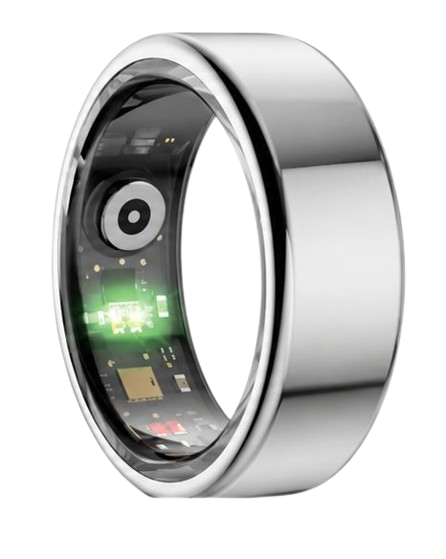
The Herz P1 Smart Ring tracks HRV, Sleep, Heart Rate & SpO2 around the clock. No subscriptions. No renewals. Ever.
In This Article
- How to Track and Optimize your heart rate variability step-by-step using modern wearable tools.
- Deciphering the Mathematics of RMSSD vs SDNN and what these biological signals mean for you.
- The Physiology of Vagal Tone and how your vagus nerve governs your ultimate recovery state.
- Overcoming Nightly Gaps and common wearable mistakes that lead to corrupted metrics.
How to Read and Optimize Your Heart Rate Variability for Peak Recovery
Prerequisites and What You Will Need
To begin optimizing your autonomic nervous system, you must gather a few simple tracking conditions.
You will need a high-quality biometric wearable that measures overnight optical signals at the finger base.
You also need a dedicated mobile health application to view and record your daily trends.
Finally, a commitment to consistent overnight tracking is essential for establishing an accurate baseline.
Step-by-Step Instructions for Autonomic Optimization
Step 1: Find Your Personal Autonomic Baseline
Track your biometrics for a minimum of seven consecutive sleep cycles to establish your normal range.
Every individual possesses a unique physiological footprint determined by genetics, age, and fitness levels.
Avoid comparing your daily values to general internet charts or your friends’ recovery scores.
Look for stable trends rather than focusing on sudden single-day spikes or random drops in your data.
Your nervous system requires this initial observation period to define its typical resting equilibrium.
Consistent data collection prevents false alarms caused by temporary environmental shifts in your room.
Step 2: Track RMSSD During Deep Sleep Stages
Focus your attention on overnight rmssd hrv averages to monitor active physical recovery.
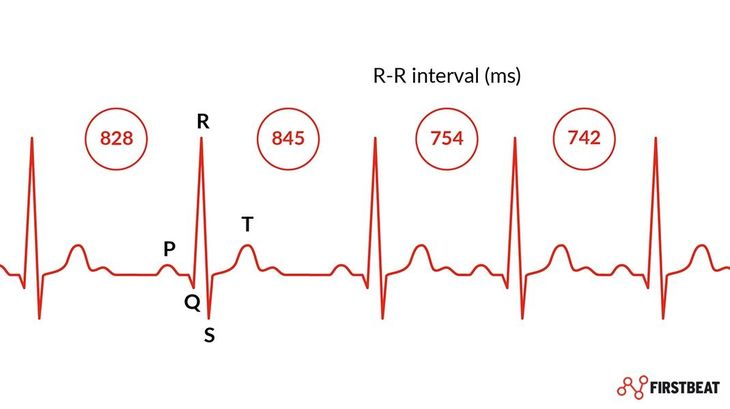
This mathematical metric calculates the root mean square of successive differences between consecutive heartbeats.
Your body records this data most accurately during deep, slow-wave sleep cycles when movement is minimal.
Higher values indicate that your parasympathetic system is actively repairing cells and reducing systemic inflammation.
Lower values suggest that your system remains trapped in a sympathetic fight-or-flight stress state.
Consistently tracking this number allows you to evaluate how daytime habits affect your nighttime biological rest.
Step 3: Analyze SDNN for Long-Term Resilience
Examine your sdnn values over full 24-hour periods to assess your total nervous system capacity.
This metric calculates the standard deviation of all normal-to-normal heart rate intervals over a set timeframe.
It reflects the combined output of both the sympathetic and parasympathetic nervous system regulatory branches.
A high standard deviation indicates that your body adapts well to changing physical and mental demands.
A low score over several days points to cumulative physical exhaustion or high chronic psychological strain.
Reviewing this trend helps you identify when your body is approaching its physiological burnout limits.
Step 4: Align Your Exercise Intensity with Your Daily Readiness Score
Check your personalized readiness score every morning before planning your physical training.
If your overnight RMSSD is significantly lower than your baseline, prioritize active recovery or complete rest.
Engage in low-impact activities like walking, gentle stretching, or mobility exercises on those recovery days.
When your recovery scores are highly elevated, proceed confidently with intense weightlifting or cardio workouts.
Forcing high-intensity physical strain on a compromised nervous system leads directly to chronic overtraining syndrome.
Using these metrics prevents chronic fatigue while maximizing your long-term athletic and mental progress.
Step 5: Apply Vagal Nerve Interventions to Boost Recovery
Practice slow, controlled diaphragmatic breathing for ten minutes immediately before going to sleep.
Deep slow breathing stimulates the vagus nerve and hrv to lower your heart rate.
Ensure your sleeping environment is completely dark, quiet, and cooled to around 65 degrees Fahrenheit.
Avoid consuming alcohol, caffeine, or heavy meals within three hours of your scheduled bedtime.
Hydrate consistently throughout the day to support blood volume and cardiovascular pumping efficiency.
These cumulative structural adjustments will gradually elevate your overall resting recovery metrics over time.
Partnering with Technology for Better Health
The Herz P1 smart ring automates this entire complex tracking process without requiring manual input.
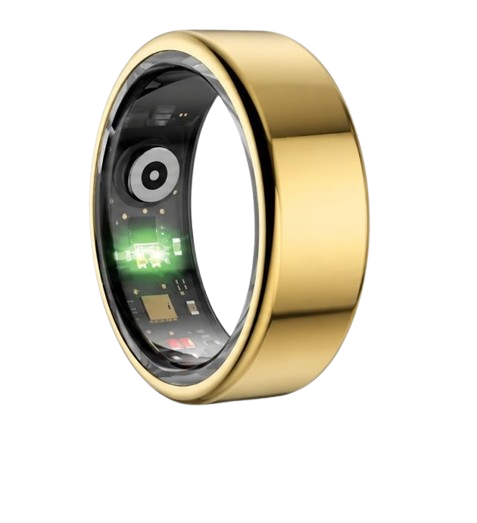
It fits comfortably on your finger to collect continuous, medical-grade biometrics while you sleep peacefully.
The companion app processes your data into easy-to-understand daily recovery insights for instant viewing.
You receive complete access to these advanced metrics with no subscription fees or ongoing monthly costs.
90-Day 100% Money-Back Guarantee
“The Herz Smart Ring helps me manage stress easily. It’s accurate, stylish, and lightweight—perfect for my busy life!”
— Jennifer P. | ✔ Verified Customer
- ✓ 6-Day Battery Life
- ✓ Detailed Sleep Analysis
- ✓ Fast 1-Hour Charging
- ✓ iOS & Android Ready
Questions? Call: 1-866-479-1629
Deciphering the Mathematics: RMSSD vs SDNN
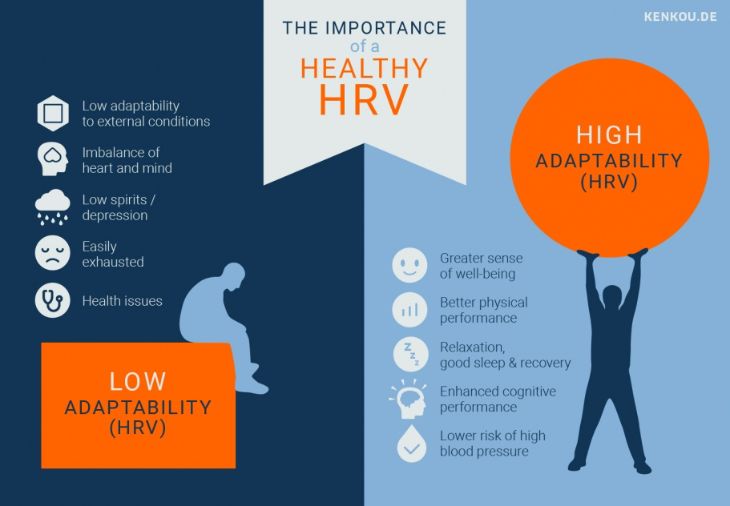
Understanding rmssd meaning is vital for anyone looking to optimize their daily recovery patterns.
The acronym stands for the Root Mean Square of Successive Differences of normal-to-normal heartbeats.
This calculation measures the short-term mathematical variance between consecutive heartbeats in milliseconds.
Physiologists prefer this metric because it isolates the rapid changes influenced by your parasympathetic nervous system.
The vagal nerve pathway acts directly on the heart’s sinoatrial node to modulate these rapid beat-to-beat changes.
Because of this close connection, RMSSD is considered the most reliable proxy for active vagal tone.
On the other side of biometric science, we must define sdnn meaning to get a complete picture.
SDNN stands for the Standard Deviation of all normal-to-normal heart rate intervals over a specific time.
Unlike RMSSD, this calculation captures the entire spectrum of autonomic nervous system activity.
It reflects both the sympathetic fight-or-flight drive and the parasympathetic rest-and-digest response.
When we compare rmssd vs sdnn, the primary difference is the temporal scale and biological focus.
RMSSD looks at immediate, consecutive changes to evaluate how well your body is coping with acute stressors.
SDNN tracks broader, slow-moving regulatory rhythms to assess your overall structural resilience.
Clinical research from the American Heart Association indicates that SDNN is a powerful predictor of long-term cardiac health.
Many medical professionals use 24-hour SDNN tracking to assess autonomic neuropathy and general survival rates.
Conversely, the National Sleep Foundation emphasizes RMSSD as the key indicator of nightly sleep stage quality.
Your body relies on both metrics to balance survival demands with restorative recovery processes.
By analyzing both values, you gain a multi-dimensional view of your physiological state.
This dual analysis ensures you never misinterpret a temporary fluctuation for a long-term trend.
A smart tracking ring makes observing these complex mathematical metrics simple and accessible.
The Science of Vagal Tone and Autonomic Balance
Your autonomic nervous system operates silently in the background to keep your body in homeostasis.
It splits into two main functional divisions: the sympathetic nervous system and the parasympathetic nervous system.
The sympathetic division acts as a physiological accelerator, preparing your body for physical action or defense.
It increases your heart rate, elevates blood pressure, and narrows your beat-to-beat variability.
The parasympathetic division acts as a biological brake, encouraging rest, digestion, and systemic repair.
The vagus nerve is the primary physical pathway through which parasympathetic signals reach your heart.
When your vagus nerve is highly active, it releases a neurotransmitter called acetylcholine directly onto the heart muscle.
This chemical release slows down your pacemaker cells and increases the micro-variations between your heartbeats.
This natural beat-to-beat variation is exactly what we measure when tracking heart rate variability.
A highly responsive vagal tone allows your body to bounce back quickly after experiencing intense stress.
You can learn how to improve hrv by actively stimulating this parasympathetic pathway.
Consistent cardiovascular exercise, breathwork, and cold exposure are proven methods to strengthen vagal tone.
Your body adapts to these positive stressors by increasing its baseline parasympathetic activity over time.
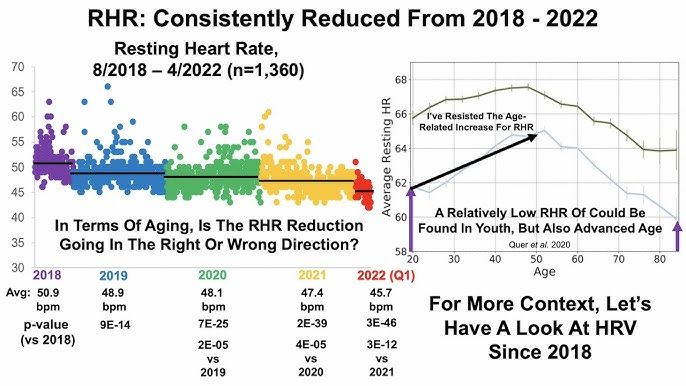
Monitoring your resting heart rate alongside HRV provides a complete picture of this adaptation.
A declining resting heart rate paired with rising RMSSD indicates a strong, highly efficient cardiovascular system.
If you notice both metrics moving in the opposite direction, your system is likely overwhelmed.
This biological feedback allows you to adjust your workload before physical exhaustion sets in.
Relying on objective data takes the guesswork out of managing your daily physical and mental strain.
Understanding Nightly Biometrics and Sleep Architecture
Your body does not sleep in a uniform, flat state throughout the night.
Instead, you transition through repeating sleep cycles consisting of light sleep, deep sleep, and REM sleep.
Each stage of sleep plays a distinct role in your physical recovery and cognitive health.
Deep sleep is highly critical for cellular repair, muscle growth, and immune system rejuvenation.
During this stage, your sympathetic drive drops to its lowest level, and your parasympathetic system takes full control.
This shift results in your highest, most stable RMSSD readings of the entire 24-hour cycle.
If you experience low hrv while sleeping, your body is failing to transition fully into this recovery state.
Common causes of overnight HRV suppression include late-night alcohol consumption, heavy meals, or high room temperatures.
Alcohol is a potent central nervous system toxin that forces your sympathetic system to remain active for hours.
This toxic stress keeps your heart rate elevated and dramatically cuts down your deep sleep duration.
Similarly, digesting heavy foods late at night diverts blood flow to your stomach, preventing your heart from fully resting.
You can learn how to improve heart rate variability by addressing these environmental and behavioral triggers.
Setting a consistent sleep schedule helps regulate your internal circadian biological clock.
When your sleep architecture is optimized, you wake up feeling mentally sharp and physically energized.
Using a biometric smart ring allows you to see the direct impact of your evening choices on your sleep stages.
This immediate visual feedback loop encourages you to build healthier habits that support your long-term wellness.
Applying Biometric Trends to Your Daily Lifestyle
Viewing raw mathematical data can feel overwhelming without a practical framework to interpret it.
The Herz P1 App solves this problem by translating complex metrics into intuitive visual trends.
Your daily dashboard displays your RMSSD, SDNN, resting heart rate, and sleep quality scores in one place.
You should focus on your rolling seven-day averages rather than stressing over individual daily scores.
If your weekly average shows a steady rise, your body is adapting successfully to your current workload.
You can use this positive trend to safely increase your workout intensity or take on challenging mental projects.
If your weekly trends show a downward trajectory, your body is signaling a need for immediate intervention.
Take action by increasing your nightly sleep duration, improving your nutrition, or reducing physical training.
The lightweight design of a smart ring makes it the perfect tool for continuous 24/7 biometric tracking.
Unlike heavy smartwatches that feel restrictive to wear, a smart ring is barely noticeable on your finger.
This superior comfort encourages you to wear the device consistently throughout the night.
Consistent wear ensures that your tracker captures every minute of your overnight sleep architecture.
This unbroken data stream provides a highly accurate reflection of your actual physiological recovery.
By tracking your biometrics around the clock, you build a powerful roadmap for lifetime wellness.
Common Biometric Tracking Mistakes and Wearable Cost Realities
Many individuals make the mistake of wearing large, heavy smartwatches to bed to track their sleep.
These bulky devices easily shift out of position as you toss and turn throughout the night.
This movement creates gaps between the optical sensors and your skin, leading to missing or corrupted data.
The resulting gaps prevent the device from accurately recording your overnight heart rate variability.
A sleek, form-fitting smart ring eliminates this issue by maintaining constant, gentle skin contact.
Another common mistake is choosing a wearable device that requires a paid monthly app subscription.
Many popular fitness tracking brands lock your advanced biometric data behind a subscription paywall.
These ongoing monthly charges can quickly turn an affordable device into an expensive recurring luxury.
We believe that you should own your physiological data completely without any hidden costs.
The Herz P1 App requires absolutely no subscription fees, providing free lifetime access to all your metrics.
Our hardware is built to last, featuring military-grade steel and a robust two-year manufacturer warranty.
This combination ensures you receive clinical-grade health tracking without any financial surprises.
Frequently Asked Questions About Biometrics and Smart Rings
Is the Herz P1 smart ring waterproof enough for daily swimming?
The Herz P1 features a certified IP68 waterproof rating, making it completely safe for depths up to 164 feet.
You can confidently wear the ring while swimming laps, taking hot showers, or relaxing in a steam room.
The seamless steel construction prevents water from penetrating the internal electronics or damaging the optical sensors.
How long does the battery last and how quickly does it charge?
The advanced energy-efficient battery provides up to six days of continuous health monitoring on a single charge.
The ring charges rapidly, reaching full capacity from zero percent in under one hour.
This long battery life ensures you never miss a critical night of sleep tracking due to a dead battery.
Which finger provides the most accurate biometric readings?
We recommend wearing your smart ring on your index, middle, or ring finger for optimal sensor alignment.
These fingers contain blood vessels close to the skin surface, which enhances photoplethysmography sensor accuracy.
Make sure the ring fits snugly without causing discomfort or restricting your blood circulation.
Can the Herz P1 store my biometric data when my phone is away?
Yes, the ring features secure onboard memory that automatically saves up to seven days of biometric data offline.
Your recorded metrics will sync instantly to the mobile app once the ring reconnects via Bluetooth.
This capability allows you to leave your smartphone behind during intense workouts or peaceful nights of sleep.
How does a smart ring track my autonomic nervous system metrics?
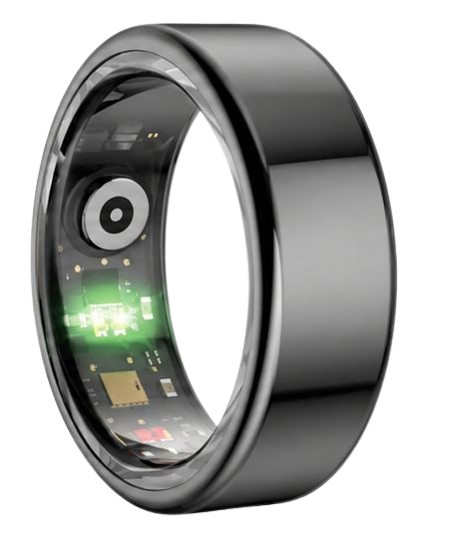
The ring utilizes multi-spectral optical sensors to shine light through the blood vessels in your finger.
It measures the precise changes in light absorption caused by the pulsing of blood through your circulatory system.
The internal processor analyzes these pulses to calculate your exact beat-to-beat intervals and heart rate variability.
Conclusion
Understanding your RMSSD and SDNN metrics is the key to mastering your recovery.
The Herz P1 Smart Ring offers subscription-free, military-grade tracking to support your journey.
Ready to monitor your health every day? Explore the Herz P1 Smart Ring and see if it fits your lifestyle.
Call: 1-866-479-1629 — our team can help you advise on the correct ring size and set personalized health goals.
