

Many health-conscious individuals struggle to balance seasonal dietary joys with tight metabolic control, which is why a comprehensive pumpkin glycemic index guide is crucial for managing your daily carbohydrate intake. At Team Herz P1, we know that understanding how different foods affect your body metrics is key to optimizing your wellness, and tracking those subtle physiological changes 24/7 with the Herz P1 Smart Ring helps you live a healthier, highly informed lifestyle.
Built to Last. Save Up to 69% Today.
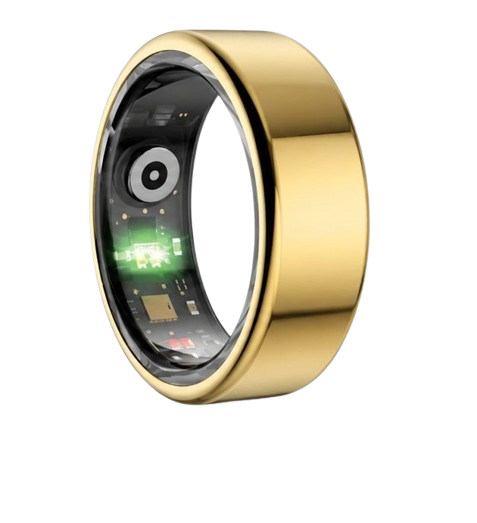
The Herz P1 Smart Ring tracks HRV, Sleep, Heart Rate & SpO2 around the clock. No subscriptions. No renewals. Ever.
In This Article
- Understanding the core differences between glycemic index and glycemic load in pumpkin varieties.
- Discovering how specific cooking methods like pumpkin soup can impact your baseline glucose response.
- Practical, scientific hacks to make pumpkin an enjoyable, diabetes-safe component of your wellness routine.
- Analyzing how wearable health technologies like the Herz P1 Smart Ring monitor your recovery and metabolic indicators.
Does Pumpkin Spike Your Blood Sugar? The Ultimate Pumpkin Glycemic Index Guide Explained
Many people assume that because pumpkin tastes naturally sweet, it must be bad for blood sugar.
However, looking at the pumpkin glycemic index alone does not tell the full story.
The glycemic index measures how quickly a carbohydrate-containing food raises blood glucose levels compared to pure glucose.
The glycemic index value of pumpkin is typically estimated at 75, which places it in the high-GI category.
This number can alarm individuals who ask, is pumpkin safe for diabetics?
To understand the true metabolic impact, you must also consider the glycemic load of pumpkin.
Glycemic load accounts for the actual amount of carbohydrates in a standard serving of food.
Because fresh pumpkin is made of nearly ninety percent water, its actual carbohydrate density is incredibly low.
A standard eighty-gram serving of boiled pumpkin contains only about four grams of usable carbohydrates.
This low carbohydrate content results in a remarkably low glycemic load value of only 3.
Therefore, a reasonable portion of plain pumpkin will not cause a drastic rise in your blood sugar levels.
This unique metabolic profile is why dietary experts often classify pumpkin as a highly diabetes-friendly winter squash.
It allows you to enjoy the rich, satisfying textures of autumn without destabilizing your daily glucose control.
In contrast, foods with a high glycemic load can trigger sudden postprandial glycemic responses that exhaust your cells.
These sudden surges force your pancreas to work overtime to produce large amounts of insulin.
Over time, frequent insulin surges can lead to chronic insulin resistance and cellular fatigue.
By focusing on glycemic load rather than just the raw glycemic index, you gain a far more accurate understanding of nutrition.
This scientific approach helps you make empowered dietary choices that support sustained, all-day vitality.
It also prevents you from unnecessarily restricting healthy, nutrient-dense whole foods from your daily meal plans.
Managing your body’s response to food involves tracking how physical stressors, sleep quality, and diet interact.
When your metabolism is working efficiently, your resting heart rate remains stable and your energy levels stay consistent.
If you want to track these complex biological patterns in real time, the Herz P1 Smart Ring monitors your recovery and stress metrics 24/7 — explore it here.

90-Day 100% Money-Back Guarantee
“The Herz Smart Ring helps me manage stress easily. It’s accurate, stylish, and lightweight—perfect for my busy life!”
— Jennifer P. | ✔ Verified Customer
- ✓ 6-Day Battery Life
- ✓ Detailed Sleep Analysis
- ✓ Fast 1-Hour Charging
- ✓ iOS & Android Ready
Questions? Call: 1-866-479-1629
The Physiology of Glycemic Load vs. Glycemic Index in Winter Squash
To comprehend how winter squash affects the human body, we must examine postprandial glycemic response mechanics.
When you consume carbohydrates, your pancreas releases insulin to transport glucose into your cells.
Foods with a high glycemic index but low glycemic load release glucose slowly because of their low carbohydrate density.
The American Heart Association emphasizes that managing overall dietary patterns is more critical than avoiding individual vegetables.
Pumpkin contains beneficial compounds such as polysaccharides and antioxidants that may actually support insulin sensitivity.
These specific dietary fibers slow down the rate of digestion in your stomach.
Slower digestion prevents the sudden spikes and subsequent crashes that leave you feeling exhausted after meals.
A study published by the American Diabetes Association notes that non-starchy vegetables should form the foundation of a diabetes-friendly diet.
While pumpkin is technically a starchy vegetable, its high water content makes it behave more like a non-starchy option when consumed in moderation.
This moisture-rich composition naturally dilutes the concentration of sugars entering your portal vein.
Furthermore, pumpkin is loaded with vitamin A, vitamin C, and potassium, which support vascular health and cellular repair.
These essential micronutrients play a subtle but crucial role in maintaining overall arterial flexibility.
When your cardiovascular system is healthy, your body can process metabolic waste products far more efficiently.
Tracking these subtle daily energy shifts can be difficult without objective data.
Your metabolic health is deeply intertwined with your heart rate variability (HRV) and overall autonomic nervous system balance.
When your body experiences a major glucose surge or physical stress, your HRV typically drops.
A low HRV score indicates that your sympathetic nervous system is highly active and under stress.
Conversely, a high HRV score suggests that your parasympathetic nervous system is dominant, promoting deep recovery.
The Herz P1 Smart Ring uses clinical-grade optical sensors to track your HRV every five minutes.
This constant stream of data helps you understand how your lifestyle choices impact your internal recovery systems.
By monitoring these trends, you can easily identify which meals support your vitality and which ones cause physiological strain.

How Cooking Methods Change the Pumpkin Glycemic Index
The way you prepare pumpkin dramatically alters its carbohydrate structure and digestibility.
Raw pumpkin contains rigid starches that your digestive enzymes cannot easily break down.
When you boil or roast pumpkin, heat breaks down these complex starch chains into simpler sugars.
This thermal process increases the overall digestibility and raises the glycemic index of the food.
For instance, a hot bowl of pureed pumpkin soup blood sugar response will be faster than eating cold roasted pumpkin chunks.
Pureeing breaks down the structural fiber, allowing your small intestine to absorb glucose almost immediately.
This rapid absorption can trigger a quick insulin release, especially if the soup is eaten on an empty stomach.
If you consume highly processed pumpkin soup late in the evening, you may experience unexpected overnight-glucose-spikes.
These nocturnal spikes can disrupt your sleep architecture and decrease your deep sleep stages.
When deep sleep is cut short, your body cannot properly regulate metabolic hormones like leptin and ghrelin.
This hormonal disruption often leads to increased sugar cravings and higher insulin resistance the following day.
In contrast, ultra-low-glycemic vegetables like those in our cucumber glycemic index guide have a much milder impact on night-time biometrics.
Similarly, incorporating leafy options like cabbage for diabetic meal prep provides a massive fiber buffer that stabilizes digestion.
If you enjoy pumpkin soup, you can lower its glycemic impact by avoiding added sugars and artificial thickeners.
Adding healthy fats like olive oil or pumpkin seeds will also slow down gastric emptying.
You can also stir in a high-quality protein powder or pair the soup with a lean protein side dish.
We always recommend analyzing how your body recovers after eating heavy carbohydrate meals at night.
The Herz P1 Smart Ring provides highly accurate sleep architecture analysis, tracking your exact time spent in REM and Deep sleep cycles.
If a late-night pumpkin treat disrupts your recovery, your Herz P1 sleep quality score will show a clear decline.
This objective feedback loop empowers you to make smarter nutritional decisions before you go to bed.

Diabetes-Friendly Pumpkin Hacks to Optimize Your Metabolic Fitness
Enjoying seasonal foods should not require sacrificing your hard-earned health progress.
By applying simple, science-backed dietary hacks, you can safely integrate pumpkin into your routine.
First, always pair pumpkin with a high-quality protein source like grilled chicken, tofu, or wild fish.
Protein stimulates the release of satiety hormones and significantly blunts the post-meal glucose rise.
Second, incorporate healthy fats such as avocados, nuts, or extra virgin olive oil into your pumpkin recipes.
These fats create a physical barrier in your stomach that slows down carbohydrate absorption.
Third, pay close attention to portion sizes by limiting your pumpkin intake to one cup per meal.
Fourth, try roasting pumpkin with savory spices like cinnamon, nutmeg, and rosemary instead of sweet glazes.
Cinnamon has been shown in clinical trials to help improve cellular insulin sensitivity naturally.
These foundational changes are essential for anyone wondering is pumpkin safe for diabetics.
Understanding what is metabolic health goes far beyond just staring at a single blood glucose number.
True wellness involves looking at how your cardiovascular system, nervous system, and sleep patterns function as a cohesive unit.
When these systems are in harmony, your body manages glycemic fluctuations effortlessly.
To achieve peak metabolic fitness, you need a reliable way to monitor these interconnected biomarkers.
The Herz P1 Smart Ring App provides a highly intuitive, subscription-free dashboard that visualizes your physiological trends over time.
You can easily check your resting heart rate, sleep efficiency, and daily stress index on a single screen.
This allows you to see how your body adapts to your new dietary hacks without any guesswork.
For example, you can observe if pairing pumpkin with healthy fats leads to a more stable resting heart rate overnight.
Because the ring is incredibly lightweight and crafted from military-grade steel, you can wear it comfortably all day and night.
The seamless data logging ensures that you never miss a critical trend in your cardiovascular recovery or sleep architecture.
Common Pitfalls: Portions, Hidden Sugars, and Wearing Bulky Trackers
One of the biggest mistakes people make is consuming processed pumpkin products like commercial pumpkin pies or sweetened lattes.
These items are loaded with refined sugars and simple syrups that will cause severe glucose spikes.
They completely override the natural health benefits of the winter squash and place immense stress on your metabolism.
Always choose organic, fresh pumpkin or canned pureed pumpkin with absolutely no added sugars.
Another common pitfall is neglecting to monitor your body’s recovery signs because your tracker is too uncomfortable to wear.
Many health-conscious individuals try to wear bulky, heavy smartwatches to bed to track their sleep.
These large devices frequently pinch the skin, catch on bedsheets, and cause micro-arousals that ruin sleep quality.
As a result, your sleep data becomes highly fragmented and fails to reflect your true recovery status.
Furthermore, many popular smartwatches require daily charging, meaning they often sit on a charger overnight instead of tracking your data.
To make matters worse, several prominent brands lock your personal health metrics behind expensive monthly subscription paywalls.
We believe that you should never have to pay a recurring fee to access your own biological data.
The Herz P1 Smart Ring offers a revolutionary, subscription-free alternative that resolves all of these issues.
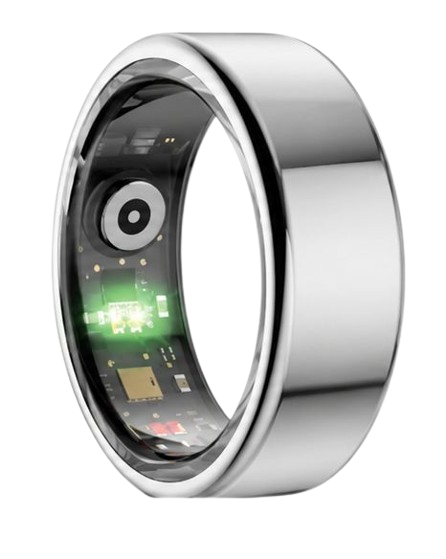
Crafted from ultra-durable, military-grade steel, this sleek ring weighs only a fraction of an ounce.
Its slim profile ensures complete comfort during sleep, allowing for highly accurate, uninterrupted biometric logging.
With a six-day battery life and an IP68 waterproof rating, you can seamlessly wear it through showers, workouts, and sleep cycles.
You will never have to take it off to wash your hands or worry about accidental scratches during heavy lifting.
Best of all, the Herz P1 companion app is completely free for life, with absolutely no hidden charges or ongoing subscriptions.
When you purchase the Herz P1, you also receive a comprehensive sizing kit to ensure a flawless, personalized fit.
We back every single ring with an industry-leading two-year warranty and an ironclad ninety-day money-back guarantee.
This ensures you can test its advanced biometric capabilities in your daily life completely risk-free.
Frequently Asked Questions About Pumpkin, Diabetes, and Smart Rings
Yes, the Herz P1 features an advanced IP68 waterproof rating.
This rating ensures the ring is completely protected against water submersion up to 164 feet deep.
You can safely wear it while swimming in pools, taking hot showers, or relaxing in the sauna.
The military-grade steel casing ensures that no moisture can penetrate the sensitive internal optical sensors.
This makes it incredibly easy to track your active minutes and recovery metrics during any water-based activities.
The Herz P1 Smart Ring delivers an impressive six days of continuous battery life under normal usage.
This allows you to track your heart rate, sleep stages, and stress levels 24/7 without constant charging anxiety.
When the battery eventually runs low, it charges from zero to one hundred percent in under one hour.
This rapid charging capability means you will rarely miss a single minute of vital health data tracking.
It completely eliminates the daily charging rituals required by bulky smartwatches.
For the highest level of biometric sensor accuracy, we recommend wearing the ring on your index finger.
The index finger typically has the most robust blood flow near the skin surface, optimizing the optical PPG signals.
However, you can also wear it on your middle or ring finger if those options feel more comfortable.
Simply ensure a snug, secure fit that prevents the ring from rotating excessively during your daily activities.
The included sizing kit will help you find the exact fit for any finger you prefer.
Yes, the Herz P1 has built-in local storage that holds up to seven days of biometric data offline.
This means you do not need to keep your smartphone nearby or constantly connected via Bluetooth to save your metrics.
Once you open the companion app, the ring will instantly sync all stored data to your secure dashboard.
This offline capacity is perfect for camping trips, flights, or periods when you want to disconnect from your phone.
It ensures that your metabolic health journey is tracked continuously, no matter where your day takes you.
Yes, plain pumpkin is highly safe and beneficial for individuals managing type 2 diabetes when consumed in moderation.
Although it has a high glycemic index of 75, its exceptionally low glycemic load of 3 means it will not drastically spike your blood sugar.
You must practice careful portion control and limit your serving size to about one cup of cooked pumpkin.
Additionally, pairing it with proteins and healthy fats is an excellent way to further stabilize your metabolic response.
By following these simple hacks, you can safely enjoy the nutritional benefits of winter squash without worry.

Conclusion: Empower Your Metabolic Wellness
Navigating your nutritional choices does not have to be a guessing game.
By combining smart dietary hacks with the precision of the subscription-free Herz P1 Smart Ring, you can effortlessly master your daily wellness.
Ready to monitor your health every day? Explore the Herz P1 Smart Ring and see if it fits your lifestyle. Call: 1-866-479-1629 — our team can help you advise on the correct ring size and set personalized health goals.
Note: Individual results may vary depending on individual health conditions, age, and lifestyle habits. This article is intended for general health reference purposes only.
