

Managing your blood sugar levels requires knowing exactly how different foods impact your metabolic health. If you are wondering about the cucumber glycemic index, you will be pleased to know it is incredibly low. At Team Herz P1, we analyze how nutrition and lifestyle impact real-time body metrics like heart rate variability and sleep architecture. In this comprehensive guide, we will unpack the exact glycemic load of cucumbers and provide actionable hacks to stabilize your glucose levels.
Built to Last. Save Up to 69% Today.
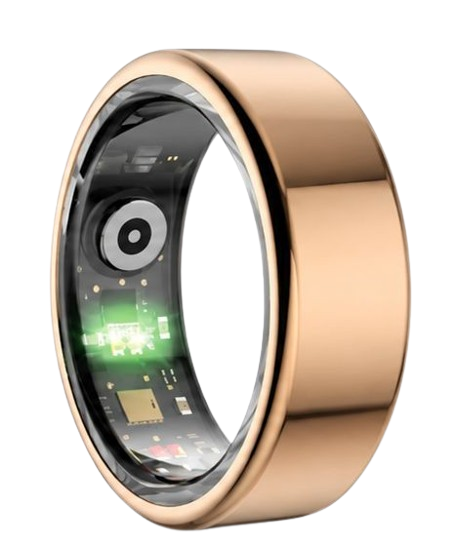
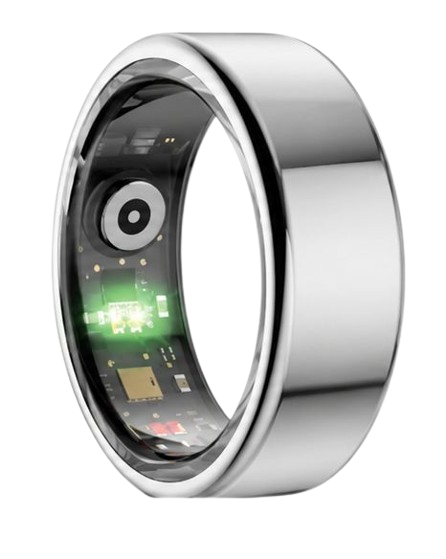
The Herz P1 Smart Ring tracks HRV, Sleep, Heart Rate & SpO2 around the clock. No subscriptions. No renewals. Ever.
In This Article
- Understanding the exact glycemic index of cucumber and its metabolic impact.
- Applying the 5W2H framework to analyze cucumber nutrition and insulin sensitivity.
- How cucumbers can help minimize overnight glucose spikes and support stable biometric trends.
- Actionable hacks to combine cucumbers with other metabolic-friendly ingredients.
- How the Herz P1 Smart Ring tracks sleep, stress, and recovery parameters to validate your dietary choices.
What Is the Cucumber Glycemic Index? Here Is What the Science Says

The cucumber glycemic index is a critical metric for anyone focused on optimizing their daily metabolic health.
To fully comprehend why this vegetable is highly recommended by wellness advisors, we must look closely at its physical and chemical properties.
Cucumbers possess a glycemic index (GI) score of approximately 15.
Any food with a glycemic index score below 55 is classified as a low-GI food.
This means that eating cucumbers results in minimal changes to your overall blood sugar levels.
Furthermore, the glycemic load (GL) of a standard serving of cucumber is virtually zero.
Glycemic load accounts for the actual portion size and carbohydrate density of the food consumed.
Since cucumbers are mostly water and fiber, they do not overload your system with easily digestible starches.
This biological reality makes them an outstanding choice for anyone tracking insulin sensitivity or dealing with metabolic issues.
The 5W2H Metabolic Analysis of Cucumber Nutrition
What is it? Cucumbers are non-starchy, high-water gourds that belong to the Cucurbitaceae plant family.
They provide essential vitamins like Vitamin K, Vitamin C, potassium, and magnesium with almost zero fat.
Who should eat them? Anyone looking to improve their glucose stability, manage weight, or maintain proper cellular hydration.
This is especially true for busy professionals, fitness enthusiasts, and individuals aiming to control metabolic stress.
When should you consume them? Cucumbers can be eaten at any time of day to curb cravings and prevent hunger pangs.
Eating them before or during high-carbohydrate meals helps slow down overall gastric emptying and subsequent glucose absorption.
Where does this apply? This applies directly to your daily dietary planning, whether at home, during office lunches, or as late-night snacks.
Adding them to meals helps balance out other moderately glycemic foods on your plate.
Why does it matter? Keeping your blood sugar stable helps prevent heavy energy crashes, brain fog, and chronic metabolic fatigue.
A stable glucose profile also supports healthier, deeper sleep cycles and improved heart rate variability (HRV) metrics.
How does it work? The abundant dietary fiber in cucumbers forms a gel-like substance in your digestive tract.
This physical barrier slows the breakdown of other carbohydrates, keeping your insulin response smooth and steady.
How much should you eat? There is no strict upper limit, but consuming one to two medium-sized cucumbers daily provides optimal hydration and fiber.
This portion provides substantial micronutrients without overloading your digestive system or causing bloating.
If you want to track how these dietary habits influence your recovery in real time, the Herz P1 Smart Ring monitors resting heart rate, sleep quality, and daily stress levels 24/7 — explore it here.
90-Day 100% Money-Back Guarantee
“The Herz Smart Ring helps me manage stress easily. It’s accurate, stylish, and lightweight—perfect for my busy life!”
— Jennifer P. | ✔ Verified Customer
- ✓ 6-Day Battery Life
- ✓ Detailed Sleep Analysis
- ✓ Fast 1-Hour Charging
- ✓ iOS & Android Ready
Questions? Call: 1-866-479-1629
How the Glycemic Index of Cucumber Impacts Insulin Sensitivity and Metabolism

Understanding what is metabolic health begins with recognizing how your daily diet directly affects cellular insulin pathways.
When you consume foods with a high glycemic index, your pancreas must release large amounts of insulin to clear glucose from your bloodstream.
Over time, this constant demand can exhaust your beta cells and lead to chronic insulin resistance.
Choosing foods with a low glycemic index cucumber helps protect these sensitive pathways.
The high water content of cucumbers, which sits at roughly 95%, naturally dilutes the small amount of carbohydrates they contain.
This means your digestive system processes the vegetable slowly, resulting in a gradual release of energy.
Clinical guidelines from the American Heart Association emphasize that reducing processed foods in favor of high-water, high-fiber options supports vascular health.
Furthermore, cucumbers contain specialized plant compounds called cucurbitacins.
Emerging research suggests these bio-active compounds may help support healthy insulin secretion and glycogen storage in hepatic tissues.
By integrating cucumbers into your diet, you are taking a proactive step toward building consistent, long-term metabolic fitness.
This nutritional foundation reduces the total glycemic burden on your body throughout the day.
As a result, your systemic stress markers remain low, and your natural recovery cycles function much more efficiently.
Combating Overnight Glucose Spikes: The Role of Low-Carb Vegetables

Many individuals suffer from unexpected, poor sleep without realizing that night-time blood sugar fluctuations are the primary cause.
When you eat high-glycemic meals or snacks late in the evening, you risk experiencing severe overnight-glucose-spikes.
These spikes are often followed by a rapid blood sugar crash during the early morning hours.
This sudden drop triggers an adrenaline and cortisol release, which wakes you up or degrades your sleep quality.
Data from the National Sleep Foundation highlights that physical rest is deeply linked to stable metabolic patterns.
Replacing heavy snacks with low-carb alternatives like cabbage for diabetic friendly recipes or sliced cucumbers can make a profound difference.
These vegetables provide a pleasant, satisfying crunch without dumping sugar into your bloodstream before you rest.
Additionally, utilizing cucumber with vinegar benefits is a brilliant hack for evening blood sugar management.
The acetic acid found in vinegar has been shown to slow down starch digestion and improve overall insulin sensitivity during rest.
Eating a simple cucumber salad with vinegar before bed helps keep your nocturnal heart rate low and highly stable.
A calm, stable autonomic nervous system allows your body to remain in deep and REM sleep stages much longer.
You can easily confirm this positive change by observing your daily HRV and sleep efficiency metrics on your companion health app.
Practical Application Guide & Lifestyle Tips
To truly understand how dietary changes affect your body, you need a reliable way to monitor your daily physiological responses.
While many health enthusiasts research glucose smart rings, most consumer smart rings do not measure blood glucose levels directly.
Instead, they act as an essential companion tracker by measuring the systemic results of your metabolic lifestyle choices.
The Herz P1 Smart Ring uses medical-grade optical sensors to track your heart rate variability, sleep stages, and active stress levels.
When your blood sugar is stable, your resting heart rate drops faster at night, and your HRV values increase.
If you eat a high-glycemic meal late at night, your Herz P1 app will likely display fragmented sleep patterns and elevated stress scores.
We recommend keeping a simple digital journal alongside your smart ring dashboard.
Note the nights you consume a low-GI dinner, such as fresh cucumber salads or light vegetable stir-fries.
Within a few days, you will likely notice a clear trend showing higher recovery scores and longer periods of deep, restorative sleep.
The military-grade steel construction and ultra-lightweight design of the Herz P1 make it incredibly comfortable to wear all day and night.
Unlike bulky smartwatches that require daily charging, the Herz P1 features a 6-day battery life and sits comfortably on your finger without distraction.
Overcoming Risks & Common Mistakes
A common mistake made by many health-conscious individuals is wearing a heavy, bulky smartwatch to bed to track their recovery.
Bulky wrist-worn devices often shift during the night, leading to inaccurate sensor readings and sleep stage miscalculations.
Furthermore, these large watch bands can irritate your skin and disrupt your natural sleeping positions.
A sleek, lightweight smart ring provides a far more seamless and comfortable experience for 24/7 physiological monitoring.
Another major frustration in the wearable market is the hidden cost of ongoing monthly app subscription fees.
Many popular smart rings require you to pay a monthly fee just to access your own biometric data.
At Herz P1, we believe your health data belongs entirely to you, without any recurring financial barriers.
The Herz P1 App is completely free for lifetime use, with no paywalls, hidden fees, or subscription plans.
We also protect your investment with a comprehensive 2-year warranty and a generous 90-day money-back guarantee.
Frequently Asked Questions (FAQ)
Is the Herz P1 Smart Ring waterproof?
Yes, the Herz P1 is fully IP68 waterproof and rated for submersion up to 164 feet (50 meters).
You can safely wear it while washing dishes, swimming laps, showering, or relaxing in a hot tub without worry.
How long does the Herz P1 battery last on a single charge?
The Herz P1 features an advanced battery that lasts up to 6 full days under normal use.
When it is time to recharge, the ring charges from zero to one hundred percent in under one hour using the included magnetic cradle.
Which finger is best to wear the smart ring on?
For the highest level of biometric accuracy, we recommend wearing the Herz P1 on your index, middle, or ring finger.
The blood vessels in these fingers are closer to the skin surface, allowing our optical sensors to capture highly clear signals.
Does the Herz P1 store health data offline?
Yes, the smart ring features built-in local storage that can securely save up to 7 days of health data offline.
Your recorded biometrics will automatically sync to your smartphone application the next time your Bluetooth connection is active.
Does a cucumber have a high glycemic index?
No, cucumbers have an exceptionally low glycemic index score of 15 and a glycemic load of practically zero.
This makes them an ideal food choice for blood sugar management and insulin-sensitive diets.
Conclusion
Optimizing your nutrition with low-glycemic foods is the foundation of long-term health and vitality.
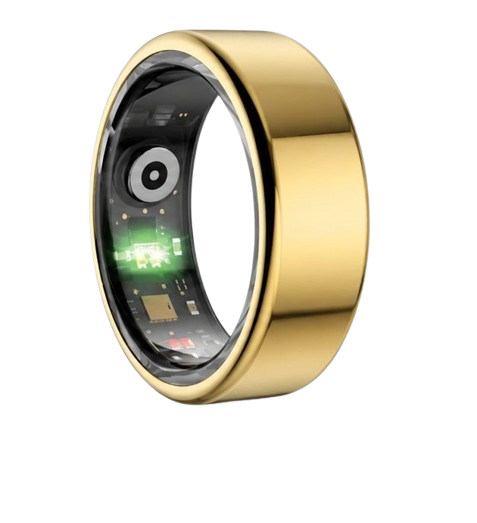
The Herz P1 Smart Ring offers a beautiful, subscription-free way to monitor how your daily lifestyle choices translate into real physical recovery.
Ready to monitor your health every day? Explore the Herz P1 Smart Ring and see if it fits your lifestyle. Call: 1-866-479-1629 — our team can help you advise on the correct ring size and set personalized health goals.
Note: Individual results may vary depending on individual health conditions, age, and lifestyle habits. This article is intended for general health reference purposes only.
