

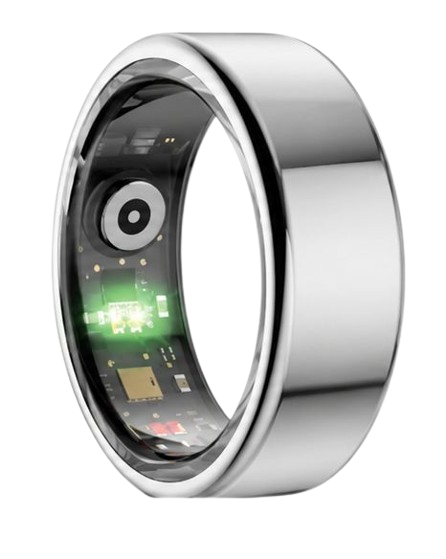
Optimizing physical performance starts with listening to your body, and aligning your training with hormonal shifts is the ultimate way to unlock sustainable energy. The Herz P1 Smart Ring continuously tracks your biological metrics, helping you tailor your period workout strategy to match your daily recovery profile. Clinical trials confirm that adapting physical training to hormonal cycles significantly lowers injury rates and maximizes cardiovascular output.
Built to Last. Save Up to 69% Today.
The Herz P1 Smart Ring tracks HRV, Sleep, Heart Rate & SpO2 around the clock. No subscriptions. No renewals. Ever.
In This Article
- How to Build a Cycle-Synced Workout Plan: Learn the exact steps to match your training load with your biological rhythm.
- Hormonal Science and Cardiorespiratory Efficiency: Understand how fluctuating estrogen and progesterone affect your stamina, strength, and recovery metrics.
- Biometric Tracking with Smart Technology: Discover how advanced metrics like HRV and skin temperature offer deeper cycle insights.
- Avoiding Common Mistakes: Learn why traditional tracking methods fail and how to use modern smart wearable analytics safely.
How to Build a Personalized Menstrual Cycle Workout Plan: A Step-by-Step Guide

To successfully align your physical activities with your hormonal cycle, you will need a consistent method to track your daily physiological metrics.
A biometric wearable that monitors resting metrics overnight is highly recommended to eliminate subjective guessing.
Additionally, a basic understanding of your average cycle duration will help you implement these steps effectively.
Step 1: Track Your Basal Body Temperature and Hormonal Shifts
Your basal body temperature fluctuates in response to changing levels of progesterone in your bloodstream.
To capture this biological signal, you must measure your temperature immediately upon waking each morning.
A sudden rise of about half a degree Fahrenheit typically indicates that ovulation has occurred.
Using period tracking apps for women allows you to log these daily readings and identify your unique cycle patterns.
Consistently recording these metrics helps you predict exactly when your next phase will begin.
Without accurate temperature data, identifying the subtle boundaries between your follicular and luteal phases is incredibly difficult.
Modern wearables simplify this process by monitoring your skin temperature variations automatically while you sleep.
This automated data collection eliminates the stress of manual morning measurements and improves overall data accuracy.
By establishing this baseline, you can make informed decisions about when to push your limits and when to rest.
Step 2: Map Your Training Load to the Follicular Phase
The follicular phase begins on the first day of your period and lasts until ovulation.
During this timeframe, your estrogen levels gradually rise while progesterone remains low.
This hormonal environment makes your body highly efficient at utilizing carbohydrates for fuel.
You will likely feel a natural surge in energy and a faster physical recovery rate.
This is the optimal time to focus on high-intensity interval training and progressive strength workouts.
Your muscles are primed to handle high-stress loads and recover quickly from micro-tears.
Plan your most challenging strength training sessions during these two weeks of your cycle.
Focusing on heavier lifts will yield better hypertrophy results due to the anabolic nature of estrogen.
Always prioritize proper form to prevent injury as your training load increases.
Tracking your daily physical performance during this phase will confirm your heightened strength capacity.
Step 3: Leverage the Ovulatory Estrogen Peak for Peak Strength
Ovulation is characterized by a dramatic peak in estrogen and a brief surge in testosterone.
This hormonal peak provides a significant boost to your neuromuscular coordination and muscular power.
Many women experience their highest physical strength and athletic performance during this short window.
You can use this phase to test your personal records in heavy compound lifts like squats and deadlifts.
However, high estrogen levels can also increase joint laxity and affect ligament elasticity.
This physiological change makes your anterior cruciate ligament more vulnerable to strain during explosive movements.
To mitigate this risk, focus on maintaining strict movement control and warm up thoroughly before lifting.
Do not skip stability and mobility exercises during your pre-workout routine.
Leveraging this natural energy peak safely requires balancing heavy efforts with controlled mechanics.
Your body is capable of incredible power output now, provided you protect your joints.
Step 4: Shift to Aerobic Conditioning and Endurance in the Luteal Phase
Following ovulation, you enter the luteal phase, which is dominated by a major rise in progesterone.
Progesterone elevates your resting body temperature and increases your baseline breathing rate.
These physiological shifts can make high-intensity exercise feel significantly more challenging.
Your body shifts from carbohydrate metabolism to favoring fat oxidation for cellular energy.
This metabolic adjustment makes the luteal phase ideal for steady-state cardiovascular conditioning and endurance work.
Focus on maintaining a moderate heart rate during longer running, cycling, or swimming sessions.
Avoid high-stress anaerobic workouts that can trigger excess cortisol production and worsen fatigue.
Ensure you consume adequate fluids and electrolytes, as progesterone alters your natural fluid balance.
By adjusting your training expectations, you can build cardiovascular aerobic capacity without burning out.
Listening to your body during this phase prevents chronic fatigue and supports hormonal harmony.
Step 5: Prioritize Active Recovery and Downregulation During Menstruation
The menstrual phase begins as both estrogen and progesterone drop to their lowest levels.
This sharp decline in hormones can cause systemic inflammation and physical discomfort like cramping.
Your body is directing its internal energy toward shedding the uterine lining, leaving less reserve for intense workouts.
This is the perfect time to pivot your period workout strategy toward gentle, restorative movement patterns.
Incorporate slow yoga flows, walking, and light stretching to promote pelvic blood circulation.
Gentle movement actually helps alleviate menstrual cramps by releasing natural endorphins.
Avoid heavy abdominal pressure or inversion postures that might increase physical discomfort.
Give yourself permission to take complete rest days if your physical readiness score is low.
Rest is not a setback; it is an essential component of a successful menstrual cycle workout protocol.
By respecting this recovery window, you set the foundation for a highly powerful next cycle.
To make this step-by-step training strategy truly effective, you need a precise way to monitor how your body responds to each phase.
The Herz P1 Smart Ring offers continuous, real-time tracking of skin temperature, heart rate variability, and sleep architecture.
By checking your daily readiness score in the free Herz P1 App, you can instantly see if your body is ready for high-intensity follicular lifts or if it requires luteal downregulation.
90-Day 100% Money-Back Guarantee
“The Herz Smart Ring helps me manage stress easily. It’s accurate, stylish, and lightweight—perfect for my busy life!”
— Jennifer P. | ✔ Verified Customer
- ✓ 6-Day Battery Life
- ✓ Detailed Sleep Analysis
- ✓ Fast 1-Hour Charging
- ✓ iOS & Android Ready
Questions? Call: 1-866-479-1629
The Science of Hormonal Fluctuations and Cardiorespiratory Efficiency

Understanding the internal biology of your cycle is crucial for designing an effective exercise and menstrual cycle routine.
The human body is not static; it operates on a complex endocrine clock that changes weekly.
When estrogen levels are high, your cardiovascular system exhibits enhanced oxygen utilization and improved blood flow.
This allows your heart to pump oxygenated blood to working muscles with less perceived effort.
Conversely, when progesterone dominates, your respiratory drive increases, meaning you breathe faster at any given workload.
This is why a moderate run can suddenly feel exhausting during the second half of your cycle.
By tailoring your exercise for menstruation and follicular training, you work with these shifts rather than fighting them.
Ignoring these scientific realities often leads to chronic overtraining, hormonal imbalances, and hit-or-miss athletic progress.
Using physiological data allows you to optimize your workouts based on actual metabolic readiness rather than rigid calendar dates.
Estrogen Peak and Neuromuscular Coordination
Estrogen acts as a powerful neuroprotectant and neuromodulator within the central nervous system.
During the high-estrogen phase preceding ovulation, motor unit recruitment becomes highly efficient.
This means your brain can signal muscles to contract faster and with greater absolute force.
Studies have demonstrated that muscle strength can increase by up to ten percent during this estrogen peak.
Your reaction times are typically faster, and your spatial awareness is at its monthly high.
This is the prime time to practice complex athletic movements that require precise neuromuscular coordination.
Whether you are learning a new Olympic lift or refining your tennis swing, your brain is highly receptive.
However, the protective elasticity of your tendons also changes, requiring mind-muscle connection and focused warm-ups.
Harnessing this peak means scheduling your most demanding technical workouts during these high-estrogen days.
Tracking your nervous system recovery during this peak ensures you utilize this athletic advantage safely.
Progesterone Rise, Thermoregulation, and Glycogen Sparing
As progesterone dominates the luteal phase, it directly impacts your body’s internal thermostat.
Your basal body temperature rises by approximately 0.3 to 0.6 degrees Celsius.
This higher starting temperature makes it harder for your body to dissipate heat during intense physical exercise.
You will sweat sooner and find hot, humid training environments significantly more taxing.
Simultaneously, progesterone promotes glycogen sparing, meaning your body holds onto stored carbohydrates.
It prefers to burn fat for fuel, which is highly efficient for low-to-moderate intensity aerobic training.
However, this makes quick, explosive movements feel sluggish because your anaerobic pathways lack easy carbohydrate access.
To support this shift, monitor your overnight resting heart rate to gauge cardiovascular strain.
You can also track how to improve hrv through proper hydration and stress reduction during this phase.
Understanding these thermoregulatory and metabolic changes prevents you from feeling frustrated by natural performance shifts.
Unlocking Peak Performance with Smart Ring Cycle Tracking
In the past, tracking your menstrual cycle meant manually counting days on a paper calendar.
This method completely ignores the physical stress, sleep quality, and biological variations that occur daily.
With the rise of wearable tech, women can now access continuous, lab-accurate physiological insights from their fingertips.
Using best period tracker rings allows you to monitor your cycle passively without manual logging.
These devices analyze subtle shifts in your overnight skin temperature to pinpoint your exact cycle phases.
This provides a far more accurate prediction than traditional period tracking apps for women alone.
By finding the best smart ring for women’s health, you gain access to an integrated view of your wellness.
The best smart ring for women should track heart rate, HRV, sleep, and temperature in one sleek package.
These combined metrics reveal how menstrual phases interact with daily stressors, work anxiety, and workout recovery.
Instead of guessing why you feel exhausted, your ring provides clear, data-driven answers.
This allows you to customize your training plan to prevent injury and avoid hormonal burnout.
Practical Application: Reading Biometrics on the Herz P1 App
The Herz P1 App translates complex raw biosensor data into an easy-to-read daily readiness score.
Every morning, the app updates your cardiovascular recovery, sleep architecture, and stress indicators.
To optimize your menstrual cycle workout plan, compare your daily readiness score with your cycle phase.
If you are in your follicular phase and your readiness score is high, it is green-light day for intense training.
If you are in your luteal phase and your readiness score drops, pivot to a restorative cardio workout.
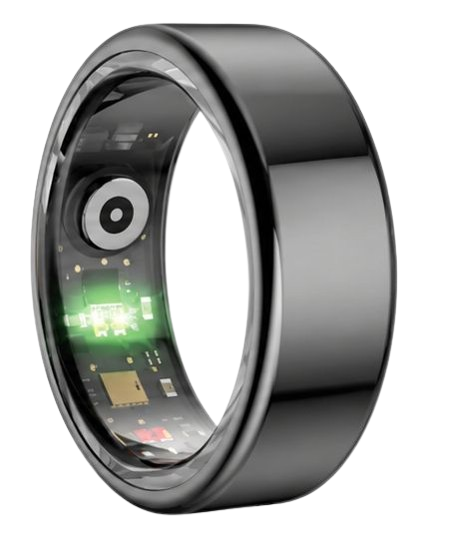
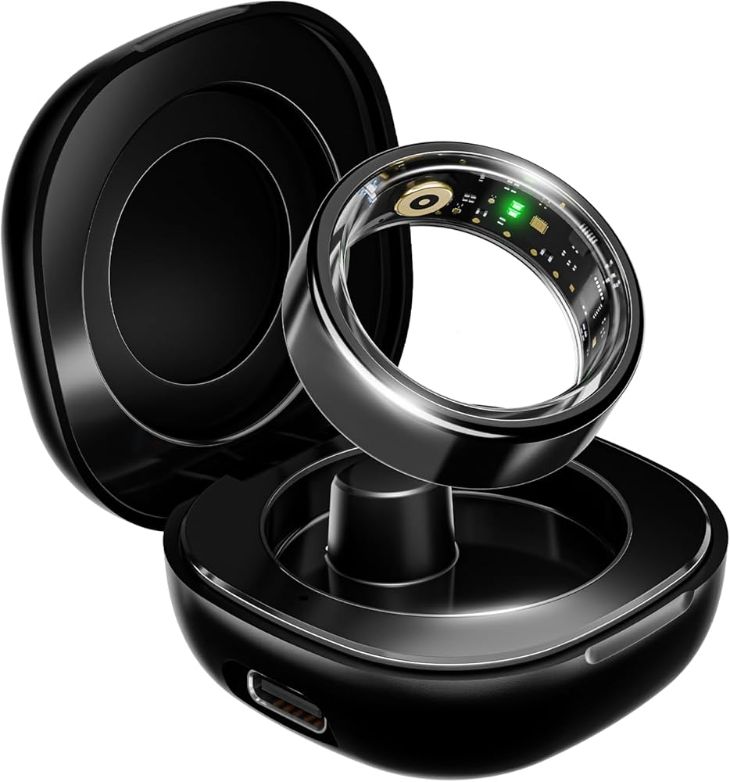
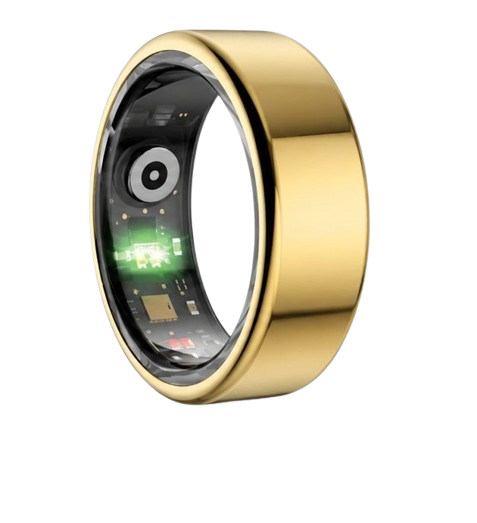
The Herz P1 is designed for 24/7 all-day wear, featuring a lightweight, military-grade steel exterior.
Unlike heavy smartwatches, you will barely notice the ring on your finger during sleep or high-intensity lifts.
Its medical-grade optical sensors maintain constant skin contact, ensuring uninterrupted data capture.
By utilizing this continuous stream of physical feedback, you can make smarter, safer daily health decisions.
Overcoming Cycle Training Risks and Wearable Pitfalls
A major mistake many fitness enthusiasts make is wearing a bulky, heavy smartwatch to bed.
These large wrist devices frequently shift during the night, leading to highly inaccurate sleep tracking data.
They also require daily charging, meaning they often sit on a charger when you need them most.
Additionally, many wearable brands trap your personal biometric data behind expensive monthly app subscriptions.
These hidden fees can quickly add up to hundreds of dollars over the lifetime of your device.
The Herz P1 solves this problem by offering a premium, subscription-free health companion with a lifetime free app.
You own your physical data forever, with absolutely no monthly charges or hidden paywalls.
By choosing a sleek smart ring, you enjoy ultimate wearing comfort while saving money long-term.
Avoid the trap of fragile, subscription-heavy wearables that disrupt your wellness journey.
Frequently Asked Questions About Smart Rings and Cycle Workouts
Here are the top questions users ask about tracking their health and workouts with the Herz P1 Smart Ring.
Is the Herz P1 Smart Ring waterproof?
Yes, the Herz P1 is fully IP68 waterproof and built to withstand continuous water exposure.
It can be safely submerged in water up to 164 feet, making it perfect for lap swimming and water sports.
You can wear it in the shower, the bath, or during sweaty hot yoga sessions without any worry.
The military-grade steel outer shell protects the inner sensors from moisture and sweat corrosion.
How long does the Herz P1 battery last?
The Herz P1 features an ultra-long battery life of up to 6 days on a single charge.
It charges from zero to one hundred percent in under 1 hour using the included fast-charging cradle.
This means you spend less time tethered to a wall and more time tracking your vitals.
The ring will easily last through your entire menstrual phase without needing a single recharge.
Which finger is best to wear the smart ring on?
For the most accurate biometric readings, we recommend wearing the Herz P1 on your index finger.
The middle and ring fingers of your non-dominant hand also provide excellent sensor contact and comfort.
Ensure the inner sensor bumps are positioned on the palm side of your finger for optimal tracking.
A snug but comfortable fit ensures the optical sensors can read your blood flow patterns accurately.
Does the Herz P1 store my health data offline?
Yes, the Herz P1 features built-in local memory that stores up to 7 days of offline data.
If your phone is away or out of battery, the ring continues to monitor your biometrics.
Once you open the Herz P1 App, all stored data syncs automatically via secure Bluetooth connection.
Your physical metrics are safely stored on the device, ensuring you never lose your tracking history.
Conclusion
Aligning your training with your hormonal cycle is the most effective biological strategy to boost energy, prevent injury, and maximize output. The Herz P1 Smart Ring provides the precise, continuous data you need to execute this plan seamlessly.
Ready to monitor your health every day? Explore the Herz P1 Smart Ring and see if it fits your lifestyle. Call: 1-866-479-1629 — our team can help you advise on the correct ring size and set personalized health goals.
Note: Individual results may vary depending on individual health conditions, age, and lifestyle habits. This article is intended for general health reference purposes only.
