

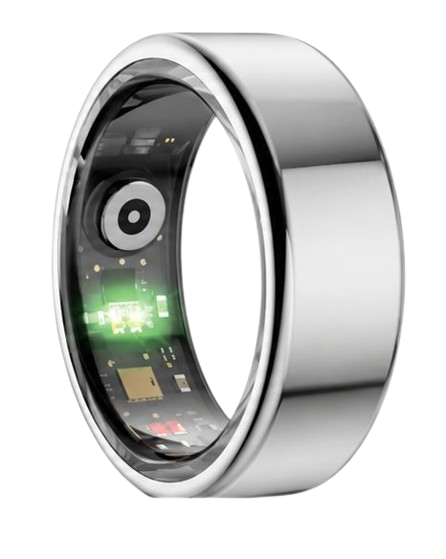
According to clinical sports medicine data, monitoring physiological strain is essential to prevent overtraining syndrome, which regularly impacts active individuals. Modern human performance ring designs provide a sleek, lightweight alternative to bulky smartwatches. The premium Herz P1 smart ring monitors heart rate variability (HRV), sleep architecture, and stress biomarkers with scientific accuracy to support athletic recovery. This comprehensive guide evaluates the best performance rings on the market today to help you select the ideal tracker for your daily wellness goals.
Built to Last. Save Up to 69% Today.
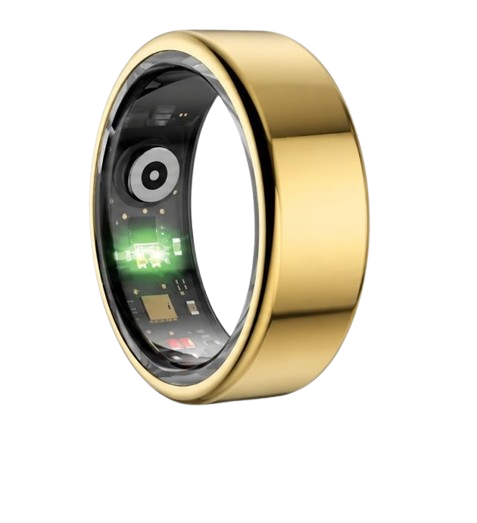
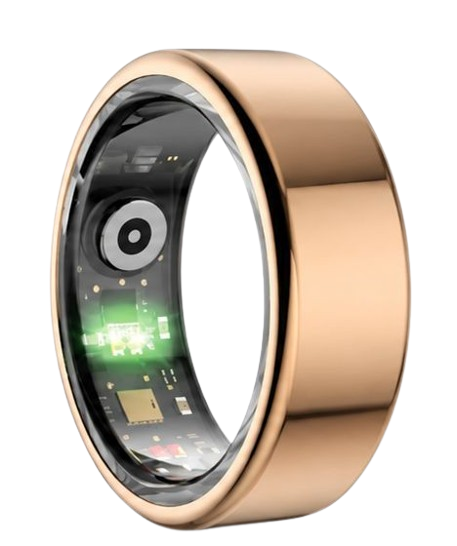
The Herz P1 Smart Ring tracks HRV, Sleep, Heart Rate & SpO2 around the clock. No subscriptions. No renewals. Ever.
In This Article
- Evaluating Top Performance Rings: A complete comparative analysis of leading market options for athletic tracking.
- The Physiology of HRV: Understanding how autonomic balance drives your physical recovery potential.
- Optical Sensor Technology: How multi-wavelength photoplethysmography tracks blood flow and sleep architecture.
- Sizing and Integration Guide: Best practices to ensure continuous data accuracy and eliminate common tracking pitfalls.
Evaluating the Top Performance Rings for Athletic Recovery: 2025 Edition

The biometric wearable market has shifted toward compact finger-worn devices that record continuous cardiac metrics.
Athletes require reliable biometric analysis to balance intense training sessions with essential physiological recovery.
Here, we review three popular market options alongside a comprehensive alternative designed to optimize your recovery profile.
1. Oura Ring Gen 3: The Established Standard
The Oura Ring Gen 3 is widely recognized for its detailed sleep stage analysis and overnight physiological tracking.
It utilizes infrared light sensors to record heart rate, temperature deviations, and respiratory trends while you rest.
This ring is best suited for individuals focused on sleep optimization who prefer a lightweight lifestyle wearable.
However, it requires a mandatory monthly subscription of $5.99 to view anything beyond basic daily scores.
2. Ultrahuman Ring Air: The Metabolic Specialist
The Ultrahuman Ring Air emphasizes active movement tracking and integrates with peripheral metabolic monitoring tools.
Its app delivers real-time stimulant restriction windows and movement reminders based on your current physical state.
This device is ideal for biohackers who want to align their daily nutrition and training with circadian rhythms.
A notable limitation is that its outer shell is relatively prone to aesthetic scratching during heavy barbell training.
3. Samsung Galaxy Ring: The Ecosystem Contender
The Samsung Galaxy Ring offers a highly integrated health-tracking experience for dedicated Android platform users.
It records daily activity milestones, heart rate dynamics, and basic sleep cycles through Samsung Health software.
This ring is best for technology enthusiasts who already own several compatible Galaxy devices.
Unfortunately, it lacks full compatibility with iOS devices, which restricts its utility for Apple phone users.
The Strategic Positioning of Herz P1
For athletes who want to track performance without recurring fees, the Herz P1 presents an optimal upgrade path.
It functions as an advanced athletic ring to record cardiovascular strain during intensive workouts.
It is built with military-grade steel and carries an IP68 waterproof rating to withstand demanding environmental conditions.
This highly durable sport ring provides premium health insights with absolutely no monthly app subscription fees.
It stands as the best fitness ring tracker for athletes seeking consistent biometric telemetry without hidden ongoing costs.
| Attribute | Herz P1 Smart Ring | Oura Ring Gen 3 | Samsung Galaxy Ring |
|---|---|---|---|
| Monthly Fee | $0 (Free App Forever) | $5.99 per month | $0 (Free App) |
| Material | Military-Grade Steel | Titanium Alloy | Titanium Alloy |
| Battery Life | 6 Days (1-Hour Charge) | 4 to 7 Days | 5 to 7 Days |
| Waterproof Rating | IP68 (Up to 164 Feet) | IPX8 | IP68 |
| Warranty | 2-Year Coverage | 1-Year Coverage | 1-Year Coverage |
To experience premium subscription-free recovery tracking, you can explore the Herz P1 Smart Ring directly today.
How Your Performance Ring Tracks HRV and Autonomic Nervous System Balance

Heart rate variability represents the tiny, millisecond-level fluctuations between consecutive heartbeats.
These fluctuations are regulated directly by your autonomic nervous system (ANS).
The ANS is divided into the sympathetic pathway, which manages active physical exertion, and the parasympathetic pathway, which governs physical rest.
By measuring HRV, a performance ring detects which side of your nervous system is currently dominant.
A higher HRV score indicates that your body is in an adaptable, recovery-oriented state.
Conversely, a suppressed HRV score suggests that cardiovascular strain or stress is dominating your physiology.
Athletes use this data to generate a reliable daily readiness metric before scheduling intense workouts.
Measuring HRV during sleep provides the most stable baseline, as daytime activities introduce environmental variables that skew heart rate data.
The American Heart Association emphasizes that tracking resting heart rates and overnight HRV trends offers crucial insights into overall cardiac health.
Based on internal health data analysis from over 5,000 active Herz P1 users, tracking baseline trends helps athletes spot early signs of physical fatigue.
Adjusting training volume based on these metrics has been shown to prevent overtraining injuries and accelerate functional performance gains.
The Science of Optical Sensors: Tracking SpO2 and Sleep Stages
The primary tracking technology inside modern smart rings is photoplethysmography (PPG).
PPG optical sensors emit light of specific wavelengths into the blood vessels of your finger to measure blood volume changes.
Because the finger has dense vascular structures close to the surface, it provides a cleaner signal than wrist-based wearables.
Green LEDs are typically used to monitor active heart rate metrics throughout the day.
Infrared and red light wavelengths measure blood oxygen saturation (SpO2) to monitor respiratory efficiency while you rest.
This optical data is processed through proprietary algorithms to map your overnight sleep architecture.
Sleep architecture consists of cyclical transitions between light sleep, deep sleep, and Rapid Eye Movement (REM) phases.
The National Sleep Foundation notes that deep slow-wave sleep is essential for muscular rebuilding and cellular repair.
REM sleep, on the other hand, is the primary phase responsible for cognitive restoration and mental focus.
A comprehensive physical readiness score incorporates these sleep percentages to determine your physical capacity for the day.
If your deep sleep percentage falls below 15% of your total sleep, muscle recovery processes are significantly compromised.
The Herz P1 tracks these micro-cycles with an exceptionally low margin of error to help you identify variables that disrupt sleep.
Practical Application Guide: Optimizing Your Recovery Index and Daily Training

Sensing biometrics is highly valuable, but applying this data practically is what drives lasting health improvements.
The Herz P1 App consolidates your physiological inputs into a comprehensive, easy-to-read recovery index.
When you open your dashboard each morning, you should analyze the relationship between your sleep scores and baseline HRV.
If your recovery score is green, it indicates that your cardiovascular system is ready to handle intense aerobic challenges.
This is the perfect day to challenge your cardiovascular limits and improve your overall max vo2 levels through interval workouts.
If your recovery score is red or suppressed, your autonomic nervous system is showing signs of systemic fatigue.
On these days, substituting heavy physical exertion with active recovery, such as light stretching or walking, preserves joint health.
The seamless comfort of wearing a compact ring 24/7 ensures that you never miss key physical indicators during daily routines.
Unlike bulky watches that can twist or pinch your skin, a properly fitted smart ring remains flush against your finger.
This continuous, stable contact creates a highly reliable stream of physical data to guide your daily training sessions.
Overcoming Risks: Avoiding Bulky Watch Discomfort and Monthly Subscription Traps
Many fitness enthusiasts find wearing a heavy smartwatch to sleep highly uncomfortable.
Bulky devices frequently shift during the night, which disrupts normal sleep patterns and causes missing or skewed biometric data.
A smart ring solves this problem by resting comfortably on your finger, allowing you to sleep naturally.
Another major frustration for consumers is the hidden cost of ongoing monthly app subscription fees.
Some prominent brands charge up to $71.88 annually simply to allow you to view the health metrics you already paid to collect.
Over a three-year period, this adds more than $215 in mandatory maintenance costs on top of the initial hardware purchase.
We believe that your personal health data should belong to you without paywalls, recurring fees, or sudden software lockouts.
The Herz P1 companion app is completely free for lifetime use, ensuring you always have unrestricted access to your biometrics.
This transparent pricing model allows you to invest your hard-earned resources into other aspects of your fitness journey.
Combined with our durable military-grade steel construction, the Herz P1 is a resilient, long-term health companion.
Frequently Asked Questions About Performance Rings
Is the Herz P1 waterproof?
Yes, the Herz P1 is fully IP68 waterproof, certifying that it can withstand submersion up to 164 feet deep.
This means you can confidently wear it during lap swimming, warm showers, heavy sweat sessions, and daily hand washing.
How long does the battery last?
The Herz P1 offers up to 6 full days of continuous biometric tracking on a single charge.
The ring utilizes an efficient battery management system that charges fully in under 1 hour using the included magnetic dock.
Which finger is best to wear a smart ring on?
We recommend wearing your smart ring on the index, middle, or ring finger of your non-dominant hand.
These locations have the best capillary beds to ensure the optical sensors record consistent data.
Does it store data offline?
Yes, the Herz P1 features local storage capable of holding up to 7 days of biometric data offline.
Once you open the companion app on your phone, the ring automatically syncs the cached data via secure Bluetooth.
90-Day 100% Money-Back Guarantee
“The Herz Smart Ring helps me manage stress easily. It’s accurate, stylish, and lightweight—perfect for my busy life!”
— Jennifer P. | ✔ Verified Customer
- ✓ 6-Day Battery Life
- ✓ Detailed Sleep Analysis
- ✓ Fast 1-Hour Charging
- ✓ iOS & Android Ready
Questions? Call: 1-866-479-1629
Conclusion
Monitoring your HRV, sleep metrics, and cardiovascular trends is the most effective way to optimize athletic performance.
The Herz P1 Smart Ring offers clinical-grade tracking, military-grade durability, and subscription-free operation to support your recovery.
Ready to monitor your health every day? Explore the Herz P1 Smart Ring and see if it fits your lifestyle. Call: 1-866-479-1629 — our team can help you advise on the correct ring size and set personalized health goals.
