

3 Expert Napping Strategies for Peak Daily Recovery
Struggling with mid-afternoon brain fog, a racing mind, and non-restorative sleep? Mastering your daily napping schedule is the ultimate way to reclaim your focus. By monitoring biometric trends with a screen-free tool like the Herz P1 Smart Ring, you can discover your ideal nap duration and optimize your recovery metrics seamlessly.
Take Back Your Sleep.
Take Back Your Life.
- Fall asleep faster & sleep deeper
- Stop waking up in the middle of the night
- Wake up refreshed & full of energy
Key Highlights Inside:
- Science of Napping: Discover how different sleep stages impact daytime fatigue and mental clarity.
- Avoiding Sleep Inertia: Understand why some naps leave you feeling exhausted, while others spark high productivity.
- Tracking Your Recovery: Learn how heart rate variability (HRV) and deep sleep tracking can help you find your exact circadian rhythm.
- Wearable Freedom: Explore how a screen-free, subscription-free smart ring can track your rest without adding to your daily screen time.
Understanding Sleep Science: Why Does Napping Matter?

For many of us, the mid-afternoon slump is an inevitable companion. You are sitting at your desk, and suddenly, a wave of heavy sleepiness hits you. Your focus disintegrates, and brain fog sets in. This is not a personal failing; it is a natural biological process driven by your body’s homeostatic sleep drive and circadian rhythms. To combat this dip in energy, millions of people turn to strategic daytime rest. But without understanding the physiological mechanisms under the hood, a quick rest can easily backfire, leaving you groggy and frustrated.
When we look at biological recovery, napping serves as a powerful release valve for built-up sleep pressure. However, how we track and measure this recovery makes all the difference. In this guide, our team at Mind Body Dan evaluates how proper recovery metrics, sleep hygiene, and advanced wearable technology come together to build a perfect rest schedule.
Our Evaluation Criteria for Sleep Tracking Wearables
To ensure we are giving you the absolute best advice on optimizing daytime rest, we evaluated the leading tracking tools based on key pillars critical to those striving for balanced living:
- Biometric Accuracy: The ability of the device’s optical sensors to track transitions between sleep stages (light, deep, REM) and pick up subtle changes in Heart Rate Variability (HRV).
- Form Factor and Comfort: Wearables must be lightweight and non-intrusive. Bulky smartwatches can disrupt sleep, defeating the entire purpose of tracking.
- Screen-Free Philosophy: The ideal tracking companion shouldn’t distract you with notifications, blue light, or vibration alerts right as you are trying to wind down.
- Value & Pricing Integrity: We value transparent, subscription-free models where you own your physiological data outright without recurring monthly fees.
| Tracker Type | Sleep Stage Tracking | HRV & Biometrics | Form Factor Comfort | Subscription Fee | Best For |
|---|---|---|---|---|---|
| Herz P1 Smart Ring | Highly Accurate (REM, Deep, Light) | Medical-grade sensor precision | Ultra-light, durable titanium | $0 (Subscription-Free) | Sleek, Screen-Free Recovery |
| Standard Smartwatch | Moderate (Disrupted by movement) | Standard heart rate tracking | Bulky, heavy on wrist | Varies by brand | Daytime fitness & notifications |
| Basic Wristband | Rudimentary (Movement based only) | Basic pulse rates | Narrow strap, synthetic material | Often locked behind paywalls | Budget step tracking |
The Solution: Herz P1 Smart Ring
If you are seeking a way to understand your daily recovery trends without adding another glowing screen to your life, the Herz P1 Smart Ring offers a beautifully designed solution. Crafted from lightweight, aerospace-grade titanium, it sits comfortably on your finger, allowing you to slip into a restorative state without a heavy smartwatch pressing into your wrist or buzzing with email notifications.
The Herz P1 features high-precision, medical-grade optical sensors that track your heart rate, sleep stages, and Heart Rate Variability (HRV) with clinical accuracy. It translates these complex biometric datasets into an easy-to-read, intuitive Daily Recovery Score. Best of all, it offers a refreshing subscription-free model—you buy the ring once and enjoy complete, lifetime access to your biological insights without annoying monthly fees.
Alternative Devices: How They Compare
While standard smartwatches are useful for logging outdoor workouts or receiving real-time GPS coordinates, their heavy designs and bright displays are poorly suited for sleep and mid-day rest tracking. Many individuals complain of battery anxiety, forced to charge their smartwatches daily—frequently right during sleep hours. Additionally, lower-cost plastic wristbands often provide highly inaccurate sleep staging, failing to capture subtle deep-sleep details, while hiding your long-term biometric histories behind premium monthly subscription paywalls.
Why Traditional Wearables Fall Short for Recovery:
Bulky wrist straps restrict blood flow and irritate the skin during rest. More importantly, constant screen vibrations and blue light emissions stimulate your mind right when you need to activate your parasympathetic nervous system for a quick, calming escape.
For those prioritizing continuous, seamless health tracking, switching to an elegant, screen-free ring like the Herz P1 eliminates these daily friction points. It lets you capture every minute of rest effortlessly, showing you exactly how your cardiorespiratory metrics respond to a brief midday break.
The Science of Nap Time: How Long Should Your Naps Be?
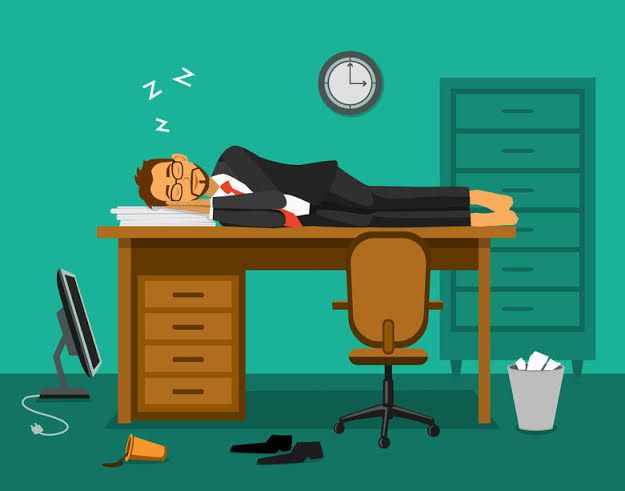
The secret to a successful nap lies entirely in the timing. Sleep is structured in cycles, moving through distinct light, deep, and rapid-eye-movement (REM) stages. If you wake up at the wrong point in a cycle, you can trigger a state known as *sleep inertia*—that heavy, disoriented feeling where you feel even more tired than before you laid down. Let’s break down the physiological sweet spots of optimal nap time durations to understand exactly what occurs in your nervous system.
The 10-to-20-Minute Power Nap (Light Sleep)
When timing is tight, a brief 10-to-20-minute rest is often the best duration for a nap. This length keeps you firmly within the boundaries of Stage 1 and Stage 2 light sleep. It is long enough to reduce adenoisne levels—the neurotransmitter responsible for homeostatic sleep pressure—yet short enough to prevent you from entering slow-wave deep sleep. Waking up from a power nap is quick and seamless, leaving you with immediate alertness, enhanced focus, and no groggy side effects.
The 30-Minute Pitfall
Many people assume that a half-hour is an appropriate nap time, but sleep science warns against this middle ground. Around the 30-minute mark, your brain begins descending into slow-wave deep sleep. If your alarm rings during this transition, you are ripped out of deep recovery stages prematurely. Your cardiovascular system and brain waves are caught off guard, resulting in heavy grogginess that can take up to an hour to fade. Therefore, understanding how long should naps be requires avoiding this intermediate zone.
The 60-Minute Cognitive Boost
If your goal is memory consolidation, emotional processing, or absorbing complex technical information, a 60-minute session can be highly beneficial. This length allows your brain to settle into slow-wave deep sleep, where physical restoration and memory filing take place. While you may experience some minor grogginess upon waking, the long-term cognitive payoff is significant. It is a brilliant strategy for students, creatives, and technical professionals navigating intense mental tasks.
The 90-Minute Full Sleep Cycle
When you are severely sleep-deprived and need to recover from a night of poor rest, a 90-minute period is the ideal nap length. This allows you to experience a complete sleep cycle, moving seamlessly from light sleep to deep slow-wave sleep, into REM sleep, and back to light sleep. Because you wake up naturally at the end of a full cycle, you bypass sleep inertia entirely. This length provides substantial physical repair, boosts creative thinking, and helps clear accumulated brain fog from a stressful week.
Ultimately, determining the correct length requires tuning into your daily biometrics. Consistently monitoring your sleep latency and HRV via a screen-free tool like the Herz P1 Smart Ring helps you observe exactly how daytime rest patterns impact your overall physiological recovery trends over time.
How to Design the Perfect Napping Routine and Track Your Recovery

To ensure that a midday break supports your health rather than disrupting your night, it is important to build a structured routine. Irregular sleep habits can trigger a frustrating cascade: you lie awake at night with a racing mind, experience uncomfortable 3 AM awakenings, and wake up with a heavy sense of non-restorative sleep. Fortunately, establishing a consistent daily rhythm and tracking your biometric responses can help break this cycle.
First, establish a dedicated nap time window. The optimal period for most people is between 1:00 PM and 3:00 PM, when the body experiences a natural post-lunch drop in body temperature. Resting later in the afternoon can interfere with your sleep drive, making it much harder to fall asleep at bedtime. Second, create a cool, quiet, and dark environment to help your nervous system shift smoothly into a restful, parasympathetic-dominant state.
Most importantly, pay attention to your daily recovery data. Tracking your biometrics helps you see exactly how these adjustments affect your well-being. By measuring resting heart rate, sleep cycles, and Heart Rate Variability (HRV), you can determine if a midday rest is effectively lowering your stress levels and supporting your overall physical recovery.
The Freedom of Screen-Free Tracking
The primary challenge with many modern tracking systems is their constant demands on your attention. Checking a glowing smartphone screen or a buzzing smartwatch for feedback often triggers cognitive stimulation, raising your heart rate and disrupting the very rest you are trying to analyze.
With a screen-free, subscription-free smart ring like the Herz P1, you can step away from digital distractions and focus entirely on resting. The ring quietly gathers your biometric trends in the background, giving you clear, stress-free insights whenever you choose to open your app.
By combining mindful sleep hygiene with the detailed tracking of a comfortable wearable, you can take control of your daily physical and mental energy. No more guessing why you feel drained; instead, you’ll have clear, actionable biometric trends to help you feel refreshed and focused every day.
Disclaimer: Results may vary depending on individual physical activity levels, unique health conditions, and daily tracking patterns. Wearable tracking devices are designed to provide wellness insights and support personal recovery goals; they are not medical instruments and should not be used to diagnose, treat, or prevent any clinical sleep disorders.
