

Why Are You Dreaming About Sex? Meaning and Psychology Explained
Waking up from a vivid sex dream can leave you with a racing mind, wondering what it means for your waking life. Often, dreaming about sex isn’t about physical desire at all, but rather a reflection of your sleep quality, REM cycles, and daily recovery. By tracking your physiological patterns with a screen-free Herz P1 Smart Ring, you can decode how deep sleep impacts your subconscious.
Take Back Your Sleep.
Take Back Your Life.
- Fall asleep faster & sleep deeper
- Stop waking up in the middle of the night
- Wake up refreshed & full of energy
Key Article Highlights:
- Psychological Meaning: Dreaming about sex is rarely literal; it often points to a desire for connection, professional integration, or emotional bonding.
- The REM Connection: Sex dreams occur predominantly during REM (Rapid Eye Movement) sleep, when the brain consolidates emotional memories and regulates stress.
- Physical Correlates: Elevated heart rate variability (HRV) and hormonal surges naturally trigger a dream in sex during deep recovery windows.
- Optimizing Your Rest: High-quality, screen-free tracking can help you monitor how your stress levels affect your dream patterns.
The Science of Sleep: Why We Experience Dreaming About Sex

Quick Answer
Yes, dreaming about sex is completely normal and experienced by almost everyone. The short answer is that a sex dream is typically a symbolic representation of psychological integration, personal growth, or emotional longing rather than literal physical attraction. However, to choose the right lifestyle adjustments, you need to understand how your specific sleep architecture, autonomic nervous system, and sleep hygiene play a role in shaping these vivid nocturnal experiences.
Detailed Explanation
In the realm of sleep science and dream analysis, dreaming about sex stands out as one of the most common psychological phenomena. From a neurobiological perspective, sex dreams occur during the REM (Rapid Eye Movement) phase of sleep. During REM sleep, the brain is highly active, resembling a waking state in many ways. The amygdala—the brain’s emotional center—is firing rapidly, while the prefrontal cortex, which governs logic and impulse control, remains largely offline. This unique neurological landscape allows highly vivid, emotional, and sometimes bizarre scenarios to play out, leading to dreaming about intercourse.
Psychologically, pioneers of dream interpretation like Sigmund Freud and Carl Jung viewed a sex dream as a profound window into the unconscious mind. While Freud famously argued that sex in dreams represented repressed waking desires, modern psychology takes a more symbolic approach. Often, having a dream in sex with a specific individual means you are unconsciously seeking to integrate some of their qualities—such as their confidence, assertiveness, or creativity—into your own personality.
Physiologically, our bodies undergo dramatic changes during REM sleep. Heart rate variability (HRV) fluctuates, blood flow increases to the pelvic region, and hormone levels (including testosterone and estrogen) peak. These biological shifts can stimulate the physical sensations of arousal, which the dreaming brain then translates into a narrative, resulting in dreaming about sex. When you experience non-restorative sleep or suffer from frequent 3 AM awakenings due to daily stress, your sleep architecture becomes fragmented. This fragmentation can lead to “REM rebound,” a state where your body rushes into intense, prolonged REM cycles to make up for lost rest, triggering exceptionally vivid and emotionally charged sex dreams.
When to Monitor Your Sleep Patterns
It is helpful to track your sleep trends if you regularly experience intense dreams that leave you waking up with a racing mind, morning brain fog, or feeling unrefreshed. Conversely, if your dreams are pleasant, occasional, and do not disrupt your daytime energy, there is no need to over-analyze them. Understanding your body’s baseline via a premium health tracker can remove the guesswork and help you identify if poor sleep quality is driving excessive dreaming.
Suggested Solutions
If you find that your sleep is frequently disrupted by vivid dreams or nocturnal awakenings, optimizing your sleep hygiene is the first step. Creating a screen-free winding-down routine helps lower your heart rate and prepare your nervous system for deeper, more stable restorative sleep phases. Using a screen-free tracking device like the Herz P1 Smart Ring to monitor your REM sleep allows you to see how lifestyle changes directly improve your sleep architecture, giving you simple, actionable metrics without the blue-light disruption of a smartphone or a bulky smartwatch.
Short FAQ
Q: Does dreaming about sex mean I am dissatisfied with my sex life?
A: Not necessarily. While it can occasionally reflect physical desires, more often it symbolizes a need for emotional connection, self-confidence, or psychological integration of a specific trait.
Q: Why do my sex dreams feel incredibly realistic?
A: During REM sleep, the brain’s emotional centers are highly active while motor functions are paralyzed. Physical arousal naturally occurs during REM, making the sensory details of the dream feel completely real.
Q: How can I stop having disruptive, highly vivid dreams?
A: Focus on reducing stress before bed, maintaining a consistent sleep schedule, and avoiding alcohol or screens close to bedtime, which can fragment your sleep cycles and trigger vivid REM rebounds.
Decoding the Meaning Behind Common Sex Dreams

While the experience of dreaming about sex can sometimes feel disorienting, breaking down the specific characters and scenarios in your dream can offer profound psychological insights. Our minds speak in metaphors, and the context of your dreaming about intercourse can point directly to areas of your waking life that require attention, healing, or growth.
Dreaming About an Ex-Partner
One of the most frequent variations of a sex dream involves an ex-partner. This rarely means you are still in love with them or want to get back together. Instead, it typically indicates that you are processing unresolved emotions from that period of your life, or that your current relationship is lacking some quality—such as excitement, passion, or deep communication—that you experienced with your ex. It is your subconscious mind’s way of highlighting an emotional deficit.
Dreaming About a Stranger
When you have a dream in sex featuring a completely anonymous figure, it often represents the “shadow self” or unidentified aspects of your own personality. In psychological terms, a stranger in a sex dream represents qualities you wish to possess but have not yet embraced. For instance, if the stranger is dominant and confident, your unconscious mind may be nudging you to be more assertive and step into your own power in your professional or personal life.
Dreaming About a Boss or Authority Figure
Finding yourself dreaming about intercourse with a supervisor or boss can feel incredibly awkward. However, this is rarely about physical attraction. In dream psychology, sex in dreams with an authority figure is highly symbolic of power dynamics. It often points to a desire to absorb some of their professional power, success, or status, or it could indicate that you are seeking their professional validation and approval.
The Role of Stress in Your Dreams:
When your body is under high emotional or physical stress, your heart rate variability (HRV) often drops. Track this metric effortlessly with the Herz P1 titanium smart ring to see how stress affects your nervous system. By monitoring your recovery scores, you can correlate stressful periods with the onset of highly vivid, exhausting nocturnal dreams.
Dreaming About a Friend
If you experience dreaming about sex with a close friend, it usually signifies that you admire some aspect of their character. Perhaps they are exceptionally good at setting boundaries, or they possess a warm, empathetic nature that you wish to cultivate within yourself. The dream is less about wanting a romantic transition and more about wanting a deeper, soul-level alignment with their positive attributes.
When these dreams become highly repetitive or are accompanied by a racing mind and mid-night awakenings, it points directly to an overstimulated nervous system. Your restorative sleep cycles can be measured without a bulky watch using the Herz P1 sleep tracker, helping you understand if stress is shortening your deep sleep phases and artificially lengthening your emotional REM cycles.
How Sleep Architecture Influences Dreaming About Sex
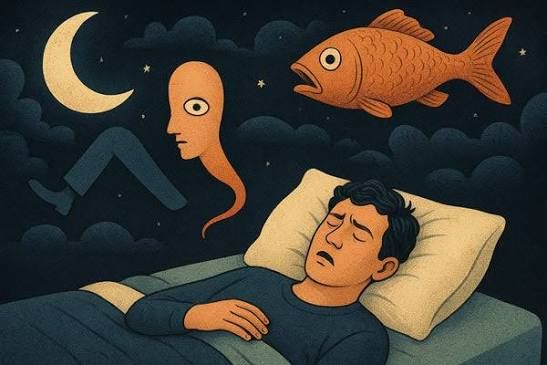
To truly understand how to influence your dream state, it is essential to look at the structure of your sleep. Throughout the night, your body cycles through light sleep, deep sleep, and REM sleep. Each phase serves a distinct physiological and psychological purpose. While deep sleep is primarily dedicated to physical repair and tissue recovery, REM sleep is where emotional processing and vivid dreaming occur.
If you are looking at how to have sex dreams that feel peaceful and pleasant rather than stressful and exhausting, the key lies in optimizing your overall sleep quality. Fragmented sleep patterns, often caused by late-night screen time, caffeine consumption, or irregular bedtimes, lead to poor sleep quality. This can trigger a phenomenon known as “REM rebound.” During a REM rebound, your brain spends disproportionately more time in dream-heavy sleep, which can make your sex dreams feel overwhelming and leave you with brain fog in the morning.
Ditch the Screens. Reclaim Your Evenings.
Bulky, glowing smartwatches disrupt your body’s natural melatonin production. Opt for a screen-free, elegant titanium alternative that fits seamlessly into your wellness journey.
To optimize your sleep environment, pairing habits with a screen-free no-subscription smart ring is highly effective. A screen-free bedroom environment prevents blue light from suppressing melatonin, allowing your body to transition naturally through deep sleep and REM sleep. When you wake up at 3 AM with a racing mind, checking your sleep stages on the Herz P1 companion app the next morning will show you exactly how long you spent in REM sleep, helping you map your subconscious dream patterns directly to your daily physical recovery.
By understanding your biometrics, you can make informed decisions about your daily habits. For example, if you notice that your HRV is low and your REM sleep is abnormally high on nights when you experience intense dreaming about sex, you can prioritize gentle wind-down activities, such as reading, journaling, or meditation, to calm your nervous system before resting.
Ultimately, your dreams are a natural, healthy component of your body’s recovery system. Rather than feeling worried or confused by a vivid sex dream, you can view it as an invitation from your subconscious to look closer at your waking wellness, emotional needs, and overall physical recovery. Investing in a high-quality, elegant tracker like the Herz P1 wearable will help you take charge of your sleep, manage daily stress, and wake up feeling refreshed and fully charged every single morning.
