

Navigating the exhausting waves of hormonal shifts, overnight hot flashes, and disrupted recovery can leave you feeling completely depleted, but this comprehensive menopause sleep issues guide is designed to help you regain control. By leveraging the advanced biometric tracking of the Herz P1 smart ring, you can easily monitor your physiological changes and implement proven recovery strategies to finally sleep better.
Built to Last. Save Up to 69% Today.
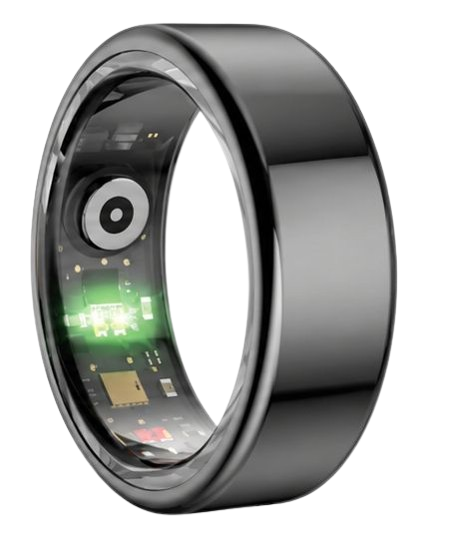
The Herz P1 Smart Ring tracks HRV, Sleep, Heart Rate & SpO2 around the clock. No subscriptions. No renewals. Ever.
In This Article
- The Sleep Recovery Protocol: Step-by-step methods to stabilize night disruptions.
- Hormonal Architecture Insights: Deep scientific analysis of vasomotor triggers.
- Continuous Biometrics: Explaining sensor roles in identifying pre-waking alerts.
- Smart Ring Evaluation: Why finger-based tracking delivers clearer sleep data.
How to Reclaim Restful Nights: A Step-by-Step Menopause Sleep Recovery Guide
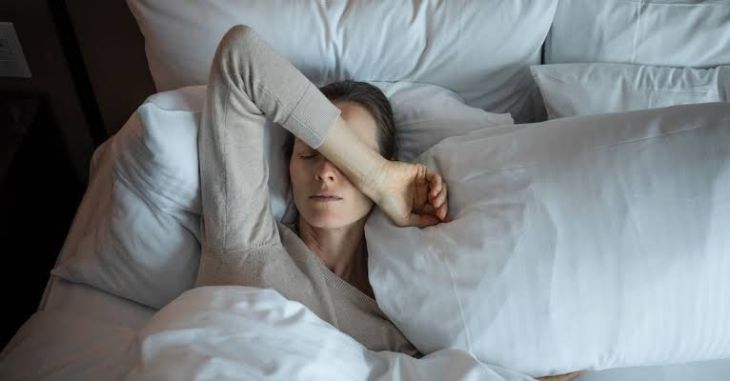
Managing systemic nighttime heat flashes and hormonal waking loops requires a proactive tracking approach.
To successfully execute this guide, you will need a dedicated way to trace skin temperature variations and autonomic metrics.
Gather your tracking metrics, establish a stable evening timeline, and let us begin organizing your nightly sleep habits.
-
Step 1: Track Your Basal Skin Temperature Deviations
Monitoring daily skin temperature baseline changes allows you to anticipate hormonal heat surges.
You should analyze temperature readings each morning to spot deviations from your standard average.
An elevated temperature signature often points directly to a higher susceptibility to sudden nocturnal sweat events.
Note down these patterns alongside your nightly feelings of restfulness to build a custom trend profile.
We recommend checking these insights before planning your upcoming day’s physical and mental workloads.
-
Step 2: Optimize Your Room Temperature and Evening Fabrics
Keeping your sleep space set between 60 and 65 degrees Fahrenheit reduces micro-waking spikes.
Swap out heavy synthetic sheets for breathable natural fibers like bamboo or lightweight linen.
Dress in loose moisture-wicking sleepwear to minimize the wakeful discomfort of sudden sweating.
Having a dual-zone cooling pad or fan near the bed helps maintain skin temperature stability.
These physical environmental changes form the essential base for tracking physiological sleep stages accurately.
-
Step 3: Align Late-Day Activities with Your Heart Rate Variability (HRV)
Your nightly recovery level is directly tied to autonomic balance, which you can monitor closely via HRV.
If you see a sudden downward trend in your HRV, scale back on intense workouts in the evening.
Swap high-stress activities for light yoga, slow deep-breathing patterns, or mindful meditation.
Giving your nervous system time to wind down helps support a smoother transition into deep, restorative sleep.
Tracking these shifts gives you a clearer view of how well your body handles daily stresses during hormonal transitions.
-
Step 4: Manage Late-Day Light and Nutritional Stimulants
Avoiding caffeine intake after noon helps prevent your nervous system from remaining overly stimulated.
Limit alcoholic beverages in the evening, as alcohol disrupts your natural thermoregulation and deep sleep phases.
Dim overhead household lighting two hours before bed to encourage natural melatonin production.
Reducing blue light exposure from digital screens protects your body’s circadian rhythm from disruptions.
These clear habits are key to avoiding sudden midnight wake-ups and maintaining stable body temperatures.
-
Step 5: Review Sleep Graphs to Pinpoint Overnight Disruptions
Evaluating your morning sleep graphs helps pinpoint the exact times night sweats or disruptions occur.
Look closely for sudden, unexplained heart rate spikes accompanied by brief moments of wakefulness.
Adjust your pre-bed wind-down routine based on these specific, personalized timeframes.
Consistently correlating these biometric trends helps you identify which lifestyle adjustments are working best.
Using these insights removes the guesswork, allowing you to build an effective, data-driven sleep routine.
To seamlessly put these recovery steps into action, the Herz P1 smart ring serves as an ideal subscription-free health tracker. It continuously monitors your heart rate, skin temperature variations, and sleep stages, delivering clear, actionable insights directly to your companion app every morning.

90-Day 100% Money-Back Guarantee
“The Herz Smart Ring helps me manage stress easily. It’s accurate, stylish, and lightweight—perfect for my busy life!”
— Jennifer P. | ✔ Verified Customer
- ✓ 6-Day Battery Life
- ✓ Detailed Sleep Analysis
- ✓ Fast 1-Hour Charging
- ✓ iOS & Android Ready
Questions? Call: 1-866-479-1629
Decoding the Science Behind Menopause Sleep Disturbances and Night Sweats
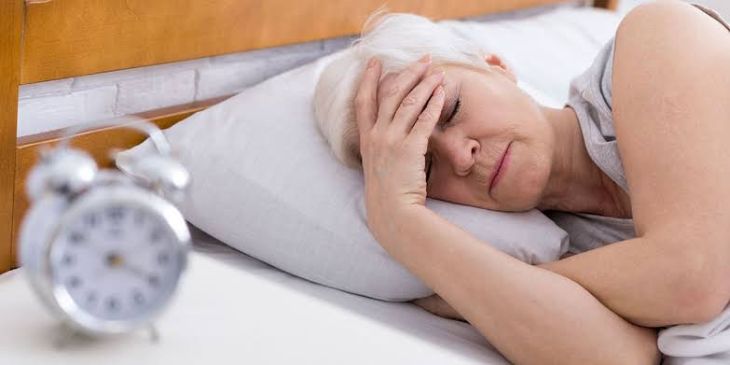
Hormonal fluctuations during transition phases significantly impact the brain’s delicate temperature-control center.
As estrogen levels decline, the hypothalamus becomes highly sensitive to minor changes in core body temperature.
This sensitivity triggers sudden, intense heat flashes and heavy overnight sweating episodes.
These physical reactions often wake you up and disrupt your deep sleep cycles.
Understanding these physiological changes is the first step toward managing menopause-sleep-disturbances effectively.
How Hormonal Shifts Trigger Nocturnal Vasomotor Symptoms
Sudden shifts in estrogen and progesterone levels alter the neurotransmitters that regulate your sleep wake cycles.
This hormonal imbalance narrows your body’s natural thermal comfort zone, making you highly sensitive to temperature changes.
Even small temperature increases can trigger sudden blood vessel dilation and rapid sweating events.
These physiological spikes wake the brain from light sleep stages, preventing you from reaching deeper, restorative phases.
This constant cycle of micro-arousals leads to feelings of physical exhaustion and daytime brain fog.
Using a structured menopause sleep tracking guide helps you identify and trace these patterns over time.
Why Traditional Wrist Trackers Fail During Night Sweat Episodes
Most standard wristwatches fit loosely, causing them to slip during natural movement throughout the night.
Heavy night sweating can block wrist optical sensors, leading to gaps or inaccuracies in your sleep data.
The thin skin and rich capillary networks on the fingers provide a far more stable signal for biometric sensors.
Smart rings sit snugly against the base of the finger, ensuring consistent contact even during night sweats.
This direct skin contact delivers highly accurate heart rate, blood oxygen, and sleep stage readings.
Opting for finger-based tracking ensures you capture clean, uninterrupted biometric data throughout the night.
How Smart Rings Map Your Autonomic Nervous System

Mapping autonomic shifts is critical for understanding how menopause impacts your body’s overall recovery.
Smart rings continuously measure heart rate variability (HRV) to track balance within the nervous system.
A sudden drop in HRV often indicates that your body is operating under elevated physical stress.
These detailed measurements help you see how daytime habits directly influence your nighttime recovery patterns.
Monitoring these trends takes the guesswork out of optimizing your physical health and sleep routines.
Understanding Sleep Architectures and Recovery Metrics
Healthy sleep is built on a structured cycle of light, deep, and rapid eye movement (REM) stages.
Hormonal night sweats tend to disrupt deep sleep, which is critical for physical muscle recovery.
These interruptions can also shorten REM sleep, the phase responsible for cognitive processing and memory.
To learn how your body cycles through these recovery phases, consult resources on deep sleep vs light sleep.
Tracing these vital stages helps you understand why you might still feel tired after a full night’s rest.
Using these insights, you can adjust your evening habits to support longer, uninterrupted restorative sleep cycles.
How to Read Sleep Graphs on the Herz P1 Companion App
The Herz P1 app consolidates complex health data into clear, easy-to-understand daily sleep recovery visual graphs.
Open your app each morning and navigate to the main sleep dashboard to view your overnight trends.
Look for any sharp, jagged lines in the waking timeline that point directly to nighttime sweat events.
Check your deep sleep percentages to ensure your body is getting enough restorative physical recovery time.
Reviewing your metrics over several weeks reveals important trends, helping you see which lifestyle changes are working.
For more help understanding these charts, review instructions on how to read sleep graphs.
Using this data-driven approach helps you make smart, proactive adjustments to your evening wind-down habits.
Using Resting Heart Rate and HRV to Plan Your Daily Physical Load
Your waking metrics are excellent indicators of how much physical stress your body can handle each day.
To understand how your heart adapts to lifestyle changes, check our comprehensive guide on resting heart rate.
An elevated resting heart rate combined with low HRV suggests your nervous system is fatigued.
On high-fatigue days, swap intense workouts for light activities like walking or gentle stretching.
For simple ways to support your nervous system’s recovery, explore tips on how to improve hrv.
Listening to these biological signals helps prevent overtraining and reduces the severity of nighttime hot flashes.
Addressing Common Biometric Wearable Pitfalls
Many users wear oversized rings, which can cause sensors to slip and produce inaccurate sleep readings.
Ensure your ring fits snugly on your index or middle finger for the most consistent, reliable data.
Avoid wearing heavy, bulky smartwatches to bed, as they can feel restrictive and disrupt your natural sleep movements.
Many popular smart wearables lock your personal health data behind expensive, ongoing monthly paywalls.
The Herz P1 companion app is completely free for lifetime use, with absolutely no subscription fees required.
This gives you unlimited access to your sleep stages, HRV trends, and recovery scores without any hidden costs.
Investing in a subscription-free smart ring ensures you enjoy reliable, worry-free health tracking for the long haul.
Frequently Asked Questions About Tracking Menopause Sleep
Is the Herz P1 smart ring waterproof?
Yes, the Herz P1 is fully IP68 certified, making it waterproof up to 164 feet (50 meters). You can comfortably wear it while swimming, showering, or washing your hands without worrying about water damage.
How long does the battery last on a single charge?
The battery lasts up to 6 days on a single charge. It charges quickly, reaching a full 100% capacity in under 1 hour using the included charger.
Which finger is best to wear the smart ring on?
We recommend wearing the ring on your index or middle finger for the best sensor contact. However, it can also be worn comfortably on your ring finger if that provides a better, snugger fit.
Does the Herz P1 store biometric data offline?
Yes, the ring has secure built-in local memory that stores up to 7 days of biometric data offline. Your data will sync automatically with the companion app the next time your phone connects via Bluetooth.
How does Herz P1 compare to the Oura Ring for tracking menopause sleep?
While both devices offer detailed sleep and temperature tracking, Oura requires an ongoing monthly subscription to access your data. The Herz P1 provides complete, high-precision health monitoring with zero subscription fees, making it a highly cost-effective choice.

Conclusion
By combining targeted lifestyle habits with precise smart tracking, you can easily navigate hormonal sleep disruptions.
The Herz P1 smart ring serves as a reliable, subscription-free wellness companion to help you monitor and improve your recovery every day.
Ready to monitor your health every day? Explore the Herz P1 Smart Ring and see if it fits your lifestyle. Call: 1-866-479-1629 — our team can help you advise on the correct ring size and set personalized health goals.
Note: Individual results may vary depending on individual health conditions, age, and lifestyle habits. This article is intended for general health reference purposes only.
